COVID-19 vaccines are coming to Washington. Here’s what you need to know
With the first COVID-19 vaccine cleared for emergency use in the United States by the FDA late Friday, Washington high-risk health care workers could start getting vaccinated as soon as next week, according to state officials.
Also, high-risk residents in long-term care facilities will be among the first to receive vaccines this month and into early next year.
How the vaccine will be distributed, its long-term effectiveness and its safety are subjects of public concern and curiosity.
The News Tribune took reader questions about the upcoming nationwide vaccine effort to the experts: The Centers for Disease Control and Prevention (CDC), the state Department of Health (DOH), the University of Washington School of Medicine (UW), the Tacoma-Pierce County Health Department (TPCHD) and others.
How many initial doses are coming to Washington state?
According to DOH, the federal government has given the state an estimate of 62,000 doses of the Pfizer-BioNTech vaccine for the initial allocation. The state has roughly 7.6 million residents, according to the U.S. Census.
“We expect this shipment next week,” DOH said in a Thursday update.
Also, “We expect additional allocations for a total of about 222,000 doses of the Pfizer vaccine by the end of December. That’s about 20,000 more than we had originally thought.”
The Pfizer vaccine isn’t the only one the state will receive.
According to DOH: “We think we will receive about 183,000 doses of the Moderna vaccine by the end of December as well, assuming the FDA approves the emergency use authorization. Regular weekly shipments should begin in January.”
Is there still going to be a separate quality/safety review of the vaccines beyond the FDA? Will that slow distribution in the state?
According to DOH: “Once an Emergency Use Authorization (EUA) for the Pfizer vaccine is granted, the vaccine will then be vetted by the Scientific Safety Review Workgroup, as part of the Western States Pact. This review should take 1 to 2 days and will occur while the vaccine is being processed and delivered, so it should not cause any delay in getting it out.”
“Last week Moderna submitted its EUA application, which should be reviewed on December 17th. Once an EUA is issued, enrolled providers will get special training on the vaccine.”
Where are doses first going?
Early on, widespread distribution to the general public won’t be happening, as initial distribution will be limited to health workers at high risk and high-risk long-term care residents.
According to DOH: “Last week we decided the first sites that will get the vaccines next week, which includes 17 sites across 13 counties. We will be making the decisions about where the remaining doses will go over the next several days.”
A DOH representative this week confirmed that a portion of the early doses would be going to King and Pierce counties, but no further details were shared.
The department said Thursday, “In the early days of vaccine distribution, since we’re targeting the vaccine to high-risk workers in health care and long-term care facilities, we will only be sharing locations that are getting vaccine by county and number of doses. As we expand to vaccinating broader groups, we will share more details about where vaccine can be obtained.”
Why can’t everyone get it now?
According to the TPCHD: “Because of the limited supply, COVID-19 vaccines will be available in phases — right now we’re focused on Phase 1, which targets people who are at highest risk and ensures our health care systems capacity. People who work in health care and long-term care residents are included in Phase 1. The Pharmacy Partnership, a federal program partnering CDC with CVS and Walgreens, will provide end-to-end vaccination for long-term care facilities and residential high-risk facilities.”
When these vaccines are distributed to the general public, where can I get my shot?
According to DOH: “Washington state has 189 organizations across the state fully enrolled as COVID-19 vaccine providers. In addition, there are many more applications being reviewed and processed. The majority of enrolled facilities are hospitals and family medicine clinics.”
Major retailers, including Walmart, Costco, Rite Aid, Kroger and Safeway/Albertsons, have signed on with the U.S. Department of Health and Human Services for eventual distribution of the vaccines.
How much will I have to pay for my vaccination?
The federal government will cover the cost of the vaccine although, depending on where you get it, a health care provider might charge for an office visit, TPCHD said.
Are the local health systems ready for the vaccine?
MultiCare and CHI Franciscan have both told The News Tribune that they have cold storage in place.
MultiCare, in a statement, told The News Tribune on Friday: “Internally at MultiCare, we have a vaccine planning group that has been actively preparing for every aspect of the vaccine’s rollout — including the specific logistics for storing and administering the vaccine according to the manufacturer’s requirements. At this time, we have not been notified of how many vaccines we will be issued. We are still uncertain whether we will receive the Pfizer or Moderna vaccines, or both, but in preparation, we have acquired new, ultra-low temperature freezers to store them.”
“Within the first phase of vaccine administration, we plan to administer the vaccine to our staff at the highest risk of COVID-19 exposure — for whom the vaccine is currently voluntary. We know that side effects can mimic a mild case of COVID-19, and we are planning for how to mitigate the potential impact to staffing levels — including staggering vaccine administration within units and teams — to preserve our ability to provide the high levels of care our community currently needs.”
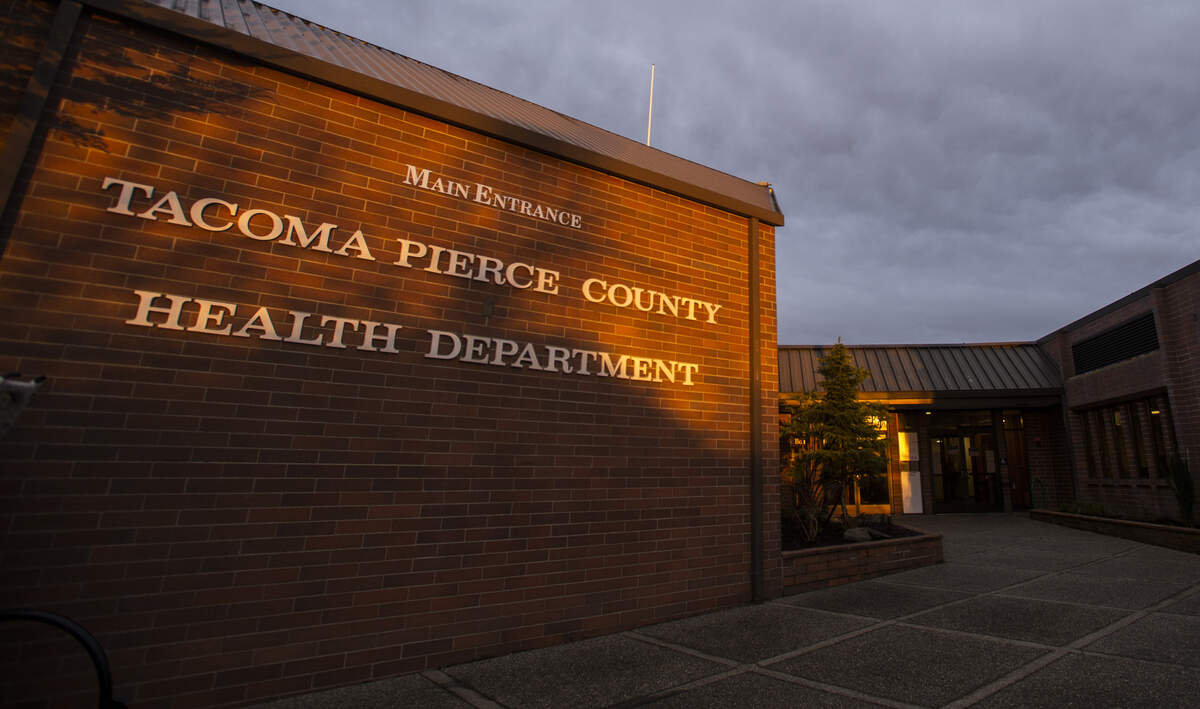
What will be the local health department’s role in distribution?
DOH is the lead for vaccine distribution.
According to the TPCHD, “DOH is using a well-established existing infrastructure based on the Vaccines for Children Program. Our health department’s role focuses on coordination with health care and other partners, sharing reliable information and education, engaging with the community about the questions they have and helping with technical assistance for medical providers. The first shipments of vaccine will go to health care facilities, and we’re looking at mobile clinics or other models to plan for upcoming phases.”
Can you explain the difference in how vaccines work?
According to the CDC, coronavirus vaccines cause our bodies to build immune cells called T-lymphocytes and B-lymphocytes. They will remember how to fight the virus that causes COVID-19 if we are infected in the future.
The vaccines use varying approaches to build those cells.
mRNA vaccines contain material from the virus. They give our cells instructions on making a harmless protein that is unique to the virus. After our cells make copies of the protein, they destroy the genetic material from the vaccine.
Protein subunit vaccines include harmless pieces (proteins) of the virus that cause COVID-19, instead of the entire germ.
Vector vaccines contain a weakened version of a live virus — a different virus than the one that causes COVID-19 — that has genetic material from the COVID-19 virus inserted in it.
Will people get any choice in which vaccine they get? For example, if you don’t want mRNA, can you wait for another version?
Probably not initially, health authorities say, because the type and number of vaccines will be limited. But, as different types of vaccines are approved, it will become possible. However, health authorities say waiting for a certain vaccine must be weighed against the danger of contracting the disease.
Can I get vaccinated more than once with different vaccines?
It’s possible, say health experts, but research hasn’t yet shown if two different types of vaccines in the same person would be helpful or detrimental. For now, they advise to stick with just one.
What are the side effects so far?
The shots could produce muscle pain and fevers, according to clinical trials and reports from Great Britain where vaccinations are already taking place. Other possible symptoms include fatigue and headaches. The symptoms, if they did occur, were reported to be mild to moderate. A few people, with a history of allergic reactions, had serious reactions to the vaccine but recovered. Some medical experts are advising those with that history and who carry EpiPens to avoid the vaccine.
Will agencies giving the vaccine be prepared for a serious allergic reaction?
Those who receive the vaccine will be asked to wait for a 15-minute observation period, according to the University of Washington.
Are there precautions or contraindications with pregnant women?
Initially, the vaccine will not be available to pregnant women. Experts will need further safety trials to determine if the vaccine is safe and effective during pregnancy, the TPCHD said.
Is there an upper or lower age limit?
The first vaccines coming to the public are for adults, according to the DOH. A vaccine for children is being developed but will come later. There is no upper age limit, and older people have been tolerating the vaccine well, according to researchers.
Should someone who has already tested positive for or had COVID-19 get the vaccine?
Yes, say health experts. It’s unknown how long natural immunity from exposure to the virus lasts.
How long after you get the vaccine does it become fully effective?
The initial vaccines on the market require two doses. According to UW, “In the clinical trial, the minimum level of response that is believed to be required for protection does not occur until after the second dose. The two doses are spaced 3 weeks (Pfizer) or 4 weeks (Moderna) apart, and then peak immunity would occur between 7-14 days after the 2nd dose. So it will take between 5-6 weeks on average before the vaccine becomes fully effective.”
Can a fully vaccinated person infect others?
Generally, no. Once the vaccine has created immunity in a person, they can no longer infect others. However, it’s possible that a vaccinated person might still develop a mild case of COVID-19. That means vaccinated people might still be able to get infected and pass the virus on although it would likely be at a much lower rate, said Deborah Fuller, a vaccine expert at the University of Washington.
So, if a vaccinated person could possibly get sick and/or pass the virus on, why is getting a vaccine so important?
UW says vaccines can provide three levels of protection:
▪ Protection from infection: The vaccine-induced immune response completely blocked the infection. No virus in your body means you can’t transmit.
▪ Protection from disease: You might get infected but the vaccine-induced immune responses are able to quickly shut down the virus replication in your body before it causes disease. In this case, the vaccine would reduce the amount of virus you are shedding and clear it quicker than if you were not vaccinated. Less virus being shed for less time means a person vaccinated and protected from disease could still transmit but the likelihood is greatly reduced.
▪ Protection from severe disease: Say you get infected and become sick but not sick enough to end up in the hospital with life-threatening symptoms. That is the tricky part to convince people of the vaccine’s benefit. Each year people say they don’t think flu vaccines work because they took one and still got sick. The reality is, that vaccine likely protected them from severe disease and helped them to recover much quicker.
When Pfizer says its vaccine is 95% effective, what does that mean?
According to UW, the 95% efficacy relates to protection from disease.
The way Pfizer conducted its trial, the criteria for someone not being protected is a positive test for COVID-19 and at least one symptom of disease. So, people who came up COVID-19 positive but showed no signs of disease were considered protected.
It’s important to note that 5% of people who got the vaccine were not protected (they were COVID-19 positive and had one or more signs of disease). But, when researchers looked at whether any of those people had severe disease, none did. That indicates the vaccine is able to provide near 100% protection from severe disease.
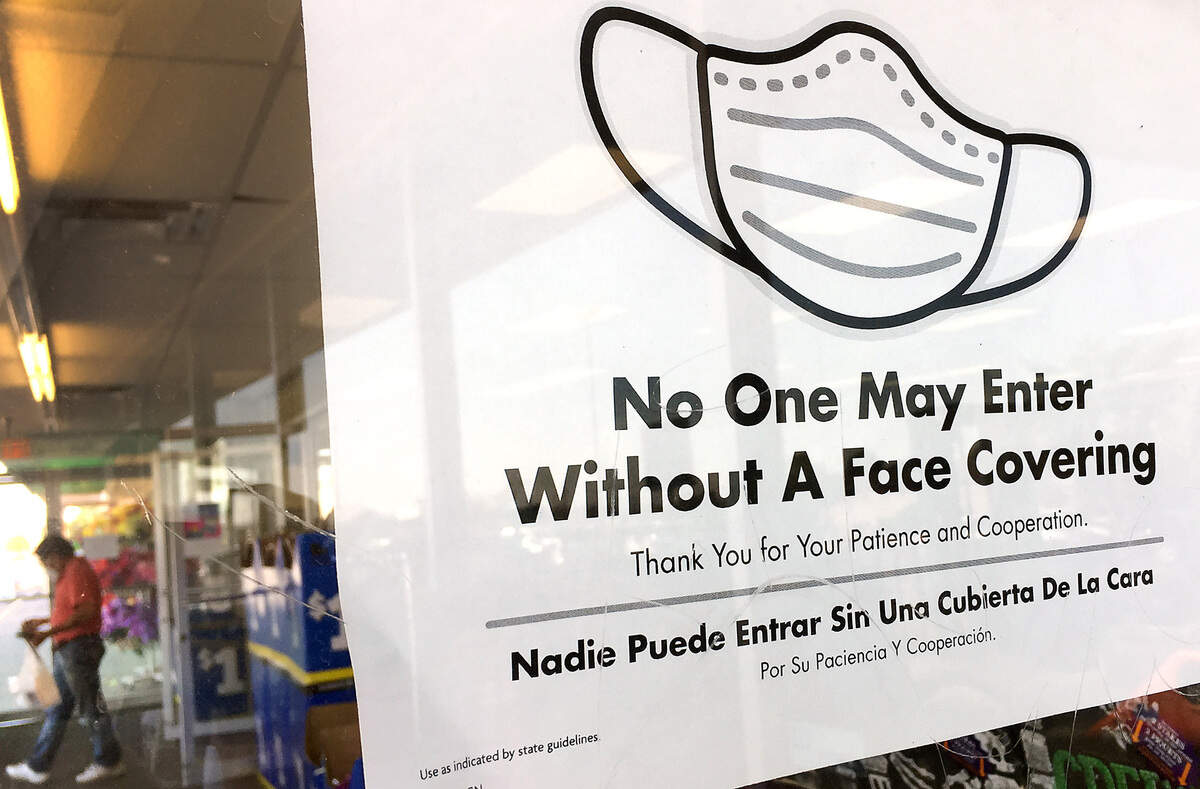
Why do we still need to wear masks after getting vaccinated?
According to UW: “Because you don’t know what category of protection the vaccine will provide. Most of us (possibly 95%) getting the disease will be protected from disease but because we could still come up COVID-19 positive with no symptoms, we still need to wear masks even after getting vaccinated until the population reaches herd immunity to protect those who are still vulnerable.”
Do all of these shots require two doses?
Some require one dose and others need two. The Pfizer vaccine, for example, requires two doses. A vaccine being developed by Johnson & Johnson requires only one dose.
With vaccines that require two doses, is there any difference between the first and second doses?
According to UW, “The first dose is the prime, and it prepares the body to develop strong responses after the second dose. After the first dose, a person may have very low to undetectable immune responses. After the second dose, the immune responses will reach protective levels. Even if the first dose induces sufficient immunity, it is usually not durable. Although we still don’t know how durable protection will be, we do know the second dose will be essential to maximize duration.”
How long is the recommended waiting period between the first and second dose?
Each vaccine is different but the average time is a month. You’ll be informed at your first dose of the recommended waiting period for the second dose of the particular vaccine you receive, according to the TPCHD. You must not switch to a different brand between the first and second doses.
Are the first dose recipients automatically in line for the second dose, meaning everyone not on the initial list has to wait in line until after the first dosers receive both shots?
Second doses are automatically accounted for when the vaccine is ordered and shipped, according to TPCHD. The CDC has planned for second doses in their allocation and ordering process.
What’s the procedure for maintaining cold chain continuity of the vaccines and showing consumers that it’s been properly handled?
According to DOH, the vaccine made by Pfizer must be stored at ultra-cold temperatures.
“Fortunately, locations that do not have ultra-cold storage capacity can still store this vaccine in the special thermal shipper the vaccine comes in. This allows additional sites to receive the vaccine as long as they can vaccinate at least 975 people in 20 days. We are also working on a policy that will allow hospitals who don’t expect to vaccinate 975 people to transfer extra vaccine to other enrolled facilities. This will help ensure full use of the vaccine.”
Has anyone practiced the shipment protocol to make sure it works?
DOH says it and the Centers for Disease Control and Prevention (CDC) selected the Snohomish Health District “to be the state’s test site for mock vaccine delivery last week. Staff received a box packaged in a way meant to simulate how shipments of vaccine would arrive. The package took less than 24 hours to arrive once shipped. Inside, there was a dry ice pod and an empty box, but staff followed all instructions provided as if vaccine vials were included. The materials were sent back early this week.”
How will we know if there are patterns of adverse effects once the vaccine is being administered to the general population?
Reports of adverse reactions are gathered by health care providers, vaccine manufacturers and the public and reported to the federal government through the Vaccine Adverse Event Reporting System. The government is also using voluntary smartphone-based follow-ups and web surveys to monitor the health of vaccine recipients. A number of other programs monitor vaccine safety from a variety of perspectives and sources.
Should someone who’s had Guillain-Barré Syndrome (GBS) get the vaccine?
Dr. Doug Paauw, a professor at the University of Washington School of Medicine, thinks the vaccine should not cause problems for people who have had GBS but said there’s no definitive information on the subject. Influenza vaccinations have generally not been a problem for people with GBS, he said.
This story was originally published December 12, 2020 at 7:00 AM.