It’s early February, but it feels like March. What’s going on around here?
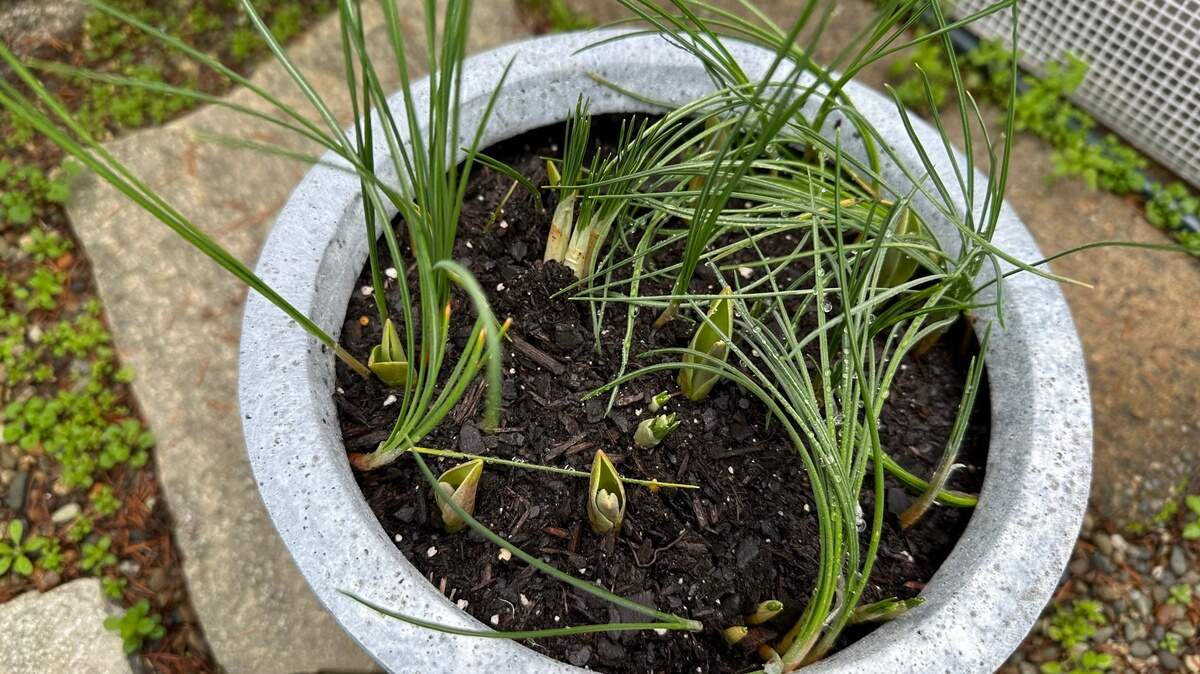
Your spring bulbs and flowering trees may be showing signs of life with the recent spate of warmer weather after the roller coaster ride of temperatures so far this year.
The National Weather Service on Friday noted that Seattle’s weather temperatures in January ranged from a high of 61 degrees to lows in the teens, roughly a 46-degree temperature spread.
That compares with the record temperature spread in January 1950 and 1952 of 48 degrees.
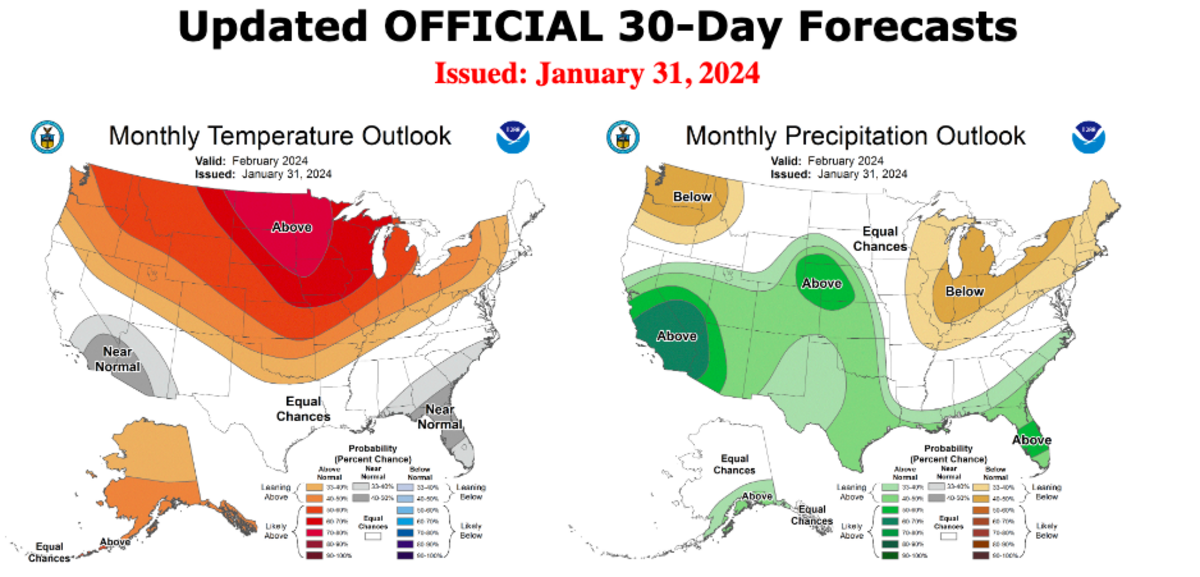
The National Weather Service Climate Prediction Center suggests above-normal temperatures are likely to persist for the next six weeks in the region, with below-normal precipitation.
The forecasters anticipate patchy areas of fog the next couple of mornings with partial clearing.
“A couple upper-level disturbances return the possibility of showers this next week, with Wednesday and Thursday having the best chance for some precipitation,” the agency added.
The highs for the week are set to hover around the upper 40s with lows in the upper 30s to low 40s.
With all the mild weather, you might be seed-shopping and planning your garden now. But experts are reminding gardeners not to get too carried away too soon when it comes to direct-sowing.
Debbie Cassidy, owner of Sunnycrest Nursery on the Key Peninsula, has started a “Grow More in ‘24” series on YouTube. In her video posted at the end of January, she noted the warmer temperatures stood in stark contrast to the recent sub-freezing temperatures.
“Our last frost date here in Zone 8A or B they say is March 15,” she said. “I’ve seen it frost after that. So I like to say April 1 for our area.”
“Either way, Mother Nature always surprises us,” she added. “So when you go to plant your seed, knowing your frost date in your zone is extremely important before you go out and start buying the seeds that you want.”
This story was originally published February 3, 2024 at 10:39 AM.