Decades after Tacoma girl’s rape and murder, judge reduces killer’s life sentence
A man who was sentenced to die in prison for a horrific rape and murder in Tacoma received both a glimmer of hope Thursday that he’ll one day be free and a reminder of just how grave his crime was.
After nearly three decades of incarceration, David Derahn Lewis, 49, saw his original punishment of life in prison without possibility of parole reduced to about 58 years based on recent rulings from the Washington State Supreme Court.
Lewis was 20 years old in August 1996 when, after a day of heavy drinking, he broke into a neighbor’s apartment through an open window in Tacoma’s South End where 12-year-old Cassandra Werndli was babysitting an infant. The girl was asleep on a couch, and after she woke and became aware of the burglar, according to prosecutors, she begged him not to hurt her and said she wouldn’t tell anyone if he let her go.
Instead, Lewis slit the girl’s throat and forced her into a bedroom where he stabbed her at least 15 more times. He then raped her. Deputy prosecuting attorney Brittany North said in court Thursday that Lewis stopped and fled after he realized she was still alive.

At trial a jury found Lewis guilty of aggravated first-degree murder, a crime that at the time could only be punished by either the death penalty or life in prison without possibility of parole.
North said in court that she believed prosecutors didn’t seek the death penalty at the time because of Lewis’ age and lack of criminal history. The only punishment available to then Pierce County Superior Court Judge Sergio Armijo was life in prison.
But in 2021, the state Supreme Court ruled that mandatory life imprisonment for offenders ages 20 and under was unconstitutional. And in May 2024 the high court issued a decision in State v. Carter, finding that sentencing courts have the option to give people aged 18-20 who were convicted of aggravated murder a sentence with a set length of time.
The rulings have led to a number of new sentencing hearings where courts are required to consider how each defendant’s culpability might be lessened by aspects of youth. Some of the factors: immaturity and impulsiveness, the nature of the defendant’s surrounding environment and family circumstances, as well as peer pressure and the potential for rehabilitation.
Seated before Judge Matthew Thomas on Thursday in gray and pink jail clothes, Lewis said he was not the “monster” he’s been portrayed to be, but a man who had made a horrible mistake as a young man. Addressing family and friends of Werndli — who were not in court — Lewis said he knew no words could convey the devastation and grief he had caused.
“I’m filled with deep remorse for the pain and suffering I have caused by taking the life of an innocent young soul, Cassandra,” Lewis said. “I cannot express the depth of my sorrow or the endless nights I have spent reflecting on the irreversible consequences of my choices and actions that night. I take full responsibility…”
The sentence Thomas imposed was a far cry from what Lewis and his defense attorney had asked for, time served to effect his release. It was also about eight years shorter than what prosecutors requested if the judge elected not to reimpose Lewis’ life sentence.
After handing down Lewis’ new sentence, Thomas told the man it would give him some hope, and that he was already on the road to self improvement.
“I hope you’ll keep on that road knowing that someday you will walk out and be free and be with your family and your loved ones,” Thomas said. “It’s a long sentence, but it’s long because of the seriousness of the offense.”
Lewis gave Thomas a small nod.
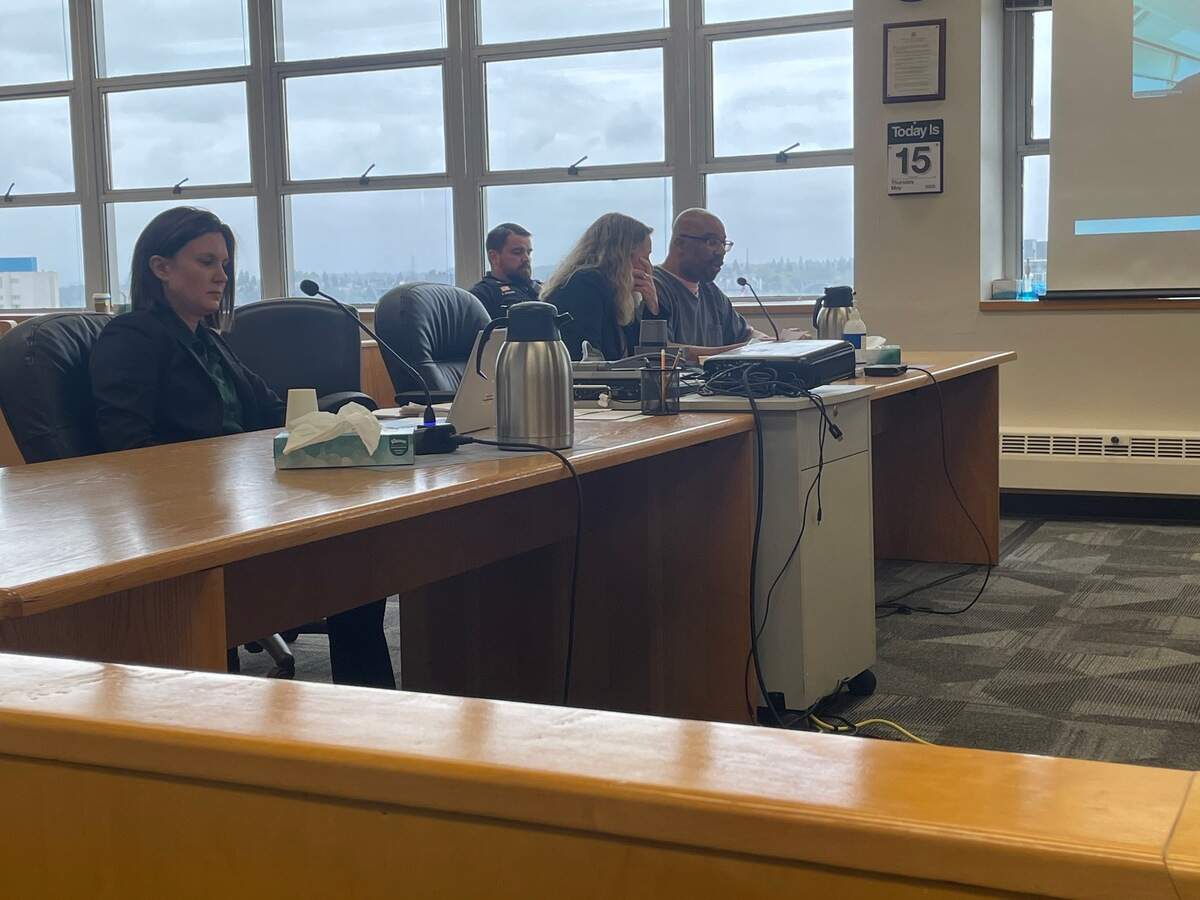
No one from Werndli’s family was at the court hearing to give their thoughts on what a new sentence for Lewis should look like. North said prosecutors had not been able to make contact with any surviving family members over the past two years.
North advocated for a harsh punishment for the murder and rape of Werndli, asking the court to put Lewis back in prison for life. She said she thought it was important to acknowledge Lewis harmed a 12-year-old and that “her last moments were in terror and fear.”
“The term ‘children are different’ is often used by defense in this, talking about youthful brain development,” North said. “Crimes against children are different, your honor.”
The attorney said the state didn’t believe any of the evidence provided by Lewis’ defense attorney from the Department of Assigned Counsel, Laura Carnell, weighed in favor of giving him anything other than life without parole.
Carnell said the facts of the case were horrible, and she wasn’t asking the court to overlook that, but to consider Lewis’ mental development at the time of the offense and what he’s done since he’s been incarcerated.
That included working with the Black Prisoners Caucus, where Lewis helped mentor young people to not follow the same path he was on when he was young. In prison Lewis has also completed dozens of programs such as helping other prisoners achieve positive change and assisting other inmates who have disabilities. It was also pointed out that he hasn’t had a serious or violent rule violation while incarcerated since 2012 or 2014. His attorney said the 2014 infraction was for refusing a housing assignment.
One man who was incarcerated with Lewis at the Stafford Creek Corrections Center, Vidal “Blaze” Vincent, testified Thursday that it’s particularly difficult for individuals serving life to get into Department of Corrections programs because individuals who have a release date are typically prioritized.
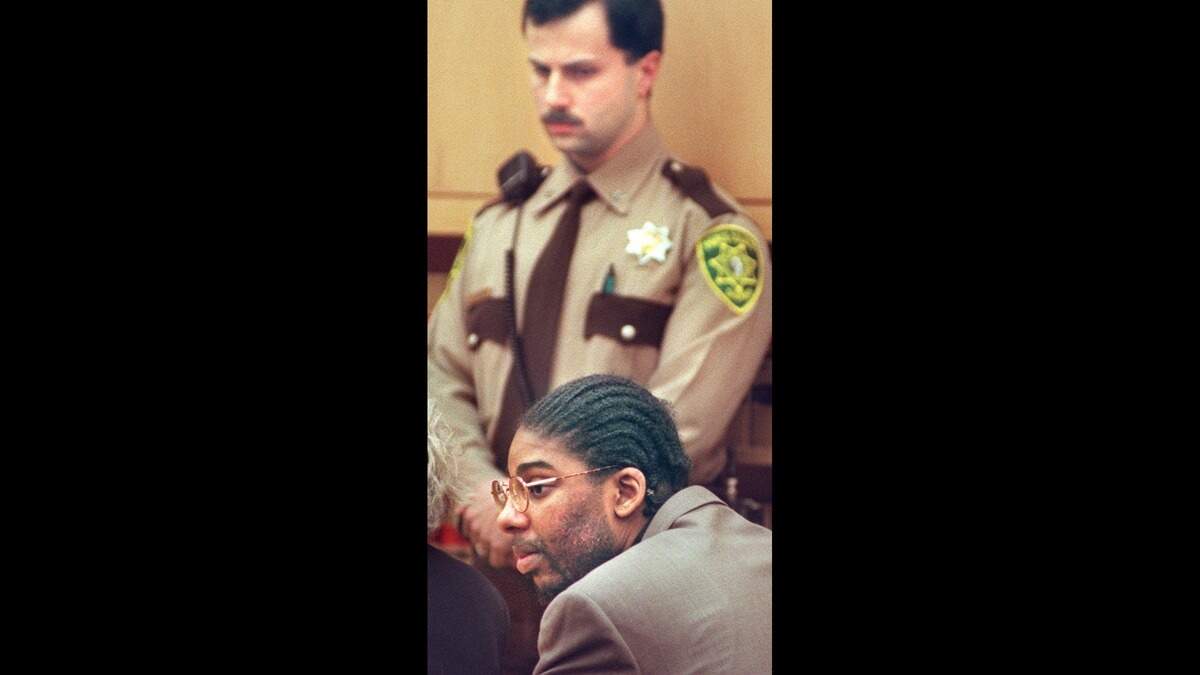
Vincent, now a paralegal at the Seattle Clemency Project, said Lewis, who he called “Dice” always encouraged and championed him to be a leader.
“He would always be willing and able to encourage me and help me, and even when we did work in the law library to just assist me in everything I was doing as far as just being the best person I could be,” Vincent said.
Five people testified on Lewis’ behalf during the nearly five-hour hearing, including his sister and his father, who traveled from Texas to be there. They spoke about the tight support group Lewis would have if he were released as a result of his new sentence.
Lewis’ nephew, Vince Jones-Dixon, is an elected commissioner in Multnomah County, Oregon. He told the court Lewis had been a second father to him, a mentor and a friend throughout his life. Jones-Dixon said he specializes in reentry programming, and if released, Lewis would have access to resources in the Portland area related to housing and work.
“Your honor, resentencing is not simply about reducing a number,” Jones-Dixon said. “It’s about recognizing transformation and extending hope. I believe he has paid his full time, and more importantly I believe he has earned a chance to contribute on the outside…”
At the end of his testimony, North pushed him on whether the communities Jones-Dixon served had said they were willing to take on the risk of Lewis, including that he had raped a 12 year old.
“That’s a really good question,” Jones-Dixon replied. “In Multnomah County all are welcome and yes.”
Before Lewis was led away by Sheriff’s Office deputies at the end of the hearing, Thomas told the man it had been a tough case, but by hearing from his family and loved ones and reading about what he’d done in prison, he could see there was a good side to him.