Volunteers transport evidence, write parking tickets in Gig Harbor. Here’s how it works
Gig Harbor Citizens Offering Police Support is getting back into the swing of things after a pause during the pandemic.
The volunteer program through the Gig Harbor Police Department was started over 15 years ago, with only one volunteer, by former Police Chief Mike Davis. The department continued to help it grow over the years. It’s become one of the agencies in the region with the heaviest involvement of volunteers. Most departments have a volunteer program, but the tasks vary.
“Not every department has a volunteer program. Although these programs are popular, it depends on the resources a department has and if there is a need for it,” C.O.P.S. volunteer Kim Crowder said.
In a normal year you might see these C.O.P.S. handing tickets out to people wrongfully parked in handicap spots, running errands for the department, checking evidence into crime labs, and helping with special events. Volunteers are also asked to complete vacation checks. Residents can ask them to do a visual inspection of their home while they are away.
“It makes a difference keeping commissioned officers out in the field instead of doing administrative type tasks that C.O.P.S. can complete,” Police Chief Kelly Busey said.
When COVID precautions started going into effect, the program was put on hold. The program lost some volunteers during this time. As COVID restrictions lifted, volunteers were able to resume normal volunteer tasks. The biggest the volunteer team has been is 11. Now, eight volunteers are back in the office and out in the community. The program is looking to boost it to 10 volunteers and will open the application soon.
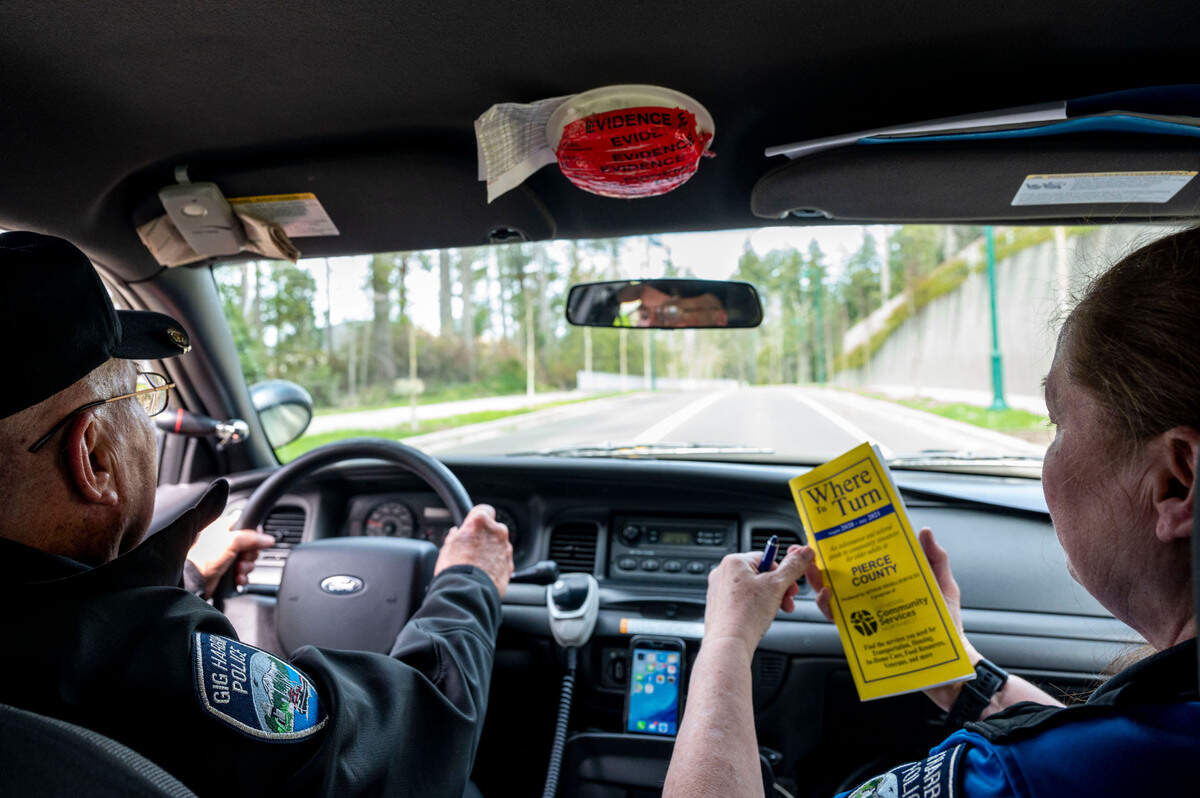
“I cannot say enough good things about our volunteers. They are very humble and not in it for any authority or power position. They are very generous with their time and do anything we need them to do,” Busey said.
Every interested volunteer goes through an application process similar to the commissioned officers. A full fingerprint and background check is completed, followed by 40 hours of in-house training taught by GHPD staff and their more experienced volunteers.
“The C.O.P.S simply transport evidence items to the labs. They do not package or unseal the items in any way. We of course sign the items out to them and track every step of the way for every item of evidence,” Busey said.
GHPD C.O.P.S wear uniforms clearly marked as volunteers, so that they can be distinguished from commissioned officers. They also ride around in black and white patrol vehicles that do not have lights.
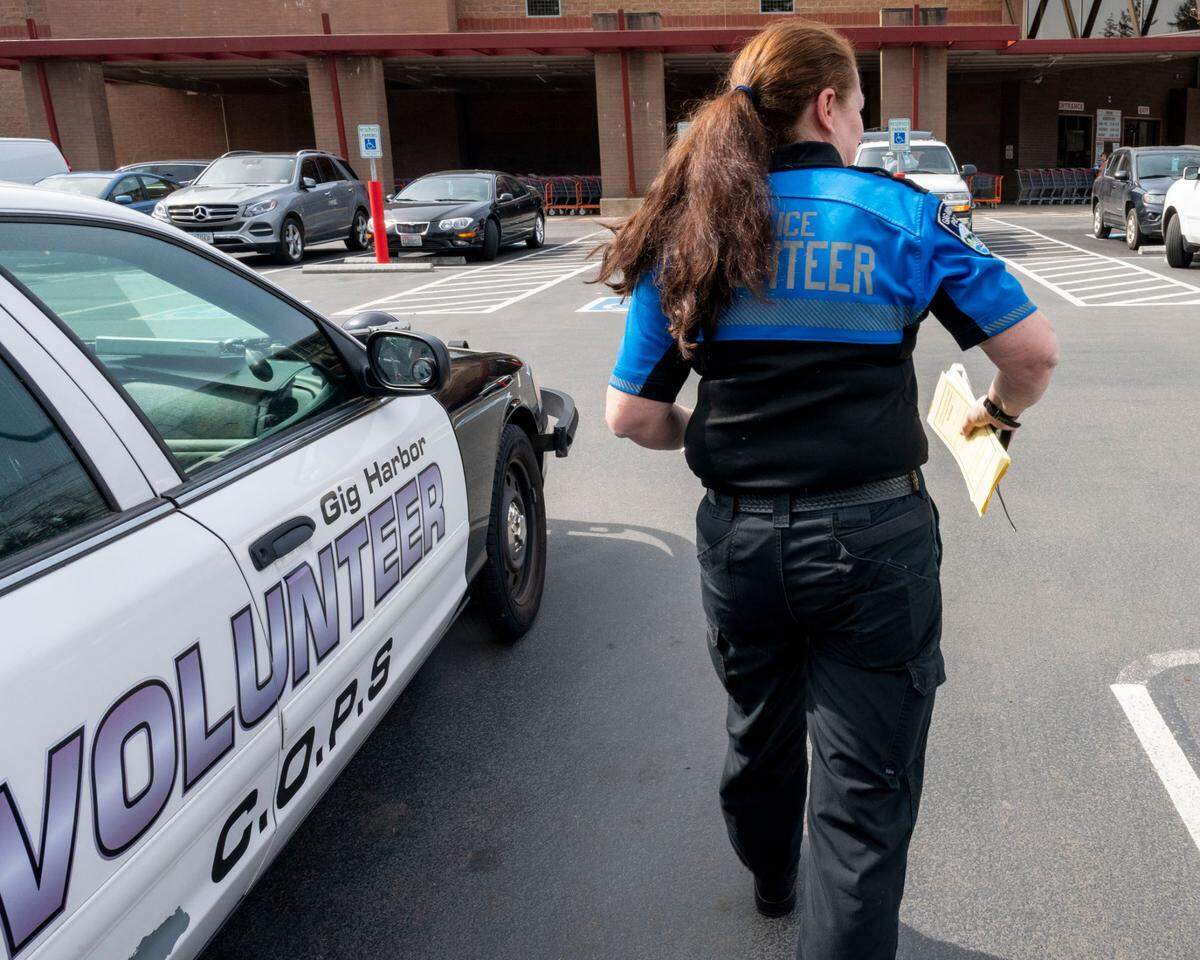
“We get a lot of inquires and we are very selective. We have a good program, we try and use the volunteers for tasks that interest them the most. That’s what makes us different than other programs … each volunteer has different skills that work for certain tasks. We have hosted two volunteer statewide conferences sharing our ideas, what we do and networking,” Busey said.
Other programs vary in size and what they have their volunteers do. Over at the Tacoma Police Department, their volunteers strictly answer phones, according to Crowder — who started volunteering at TPD and switched to Gig Harbor. The Olympia Police Department’s volunteers help with some traffic needs but mostly take phone calls.
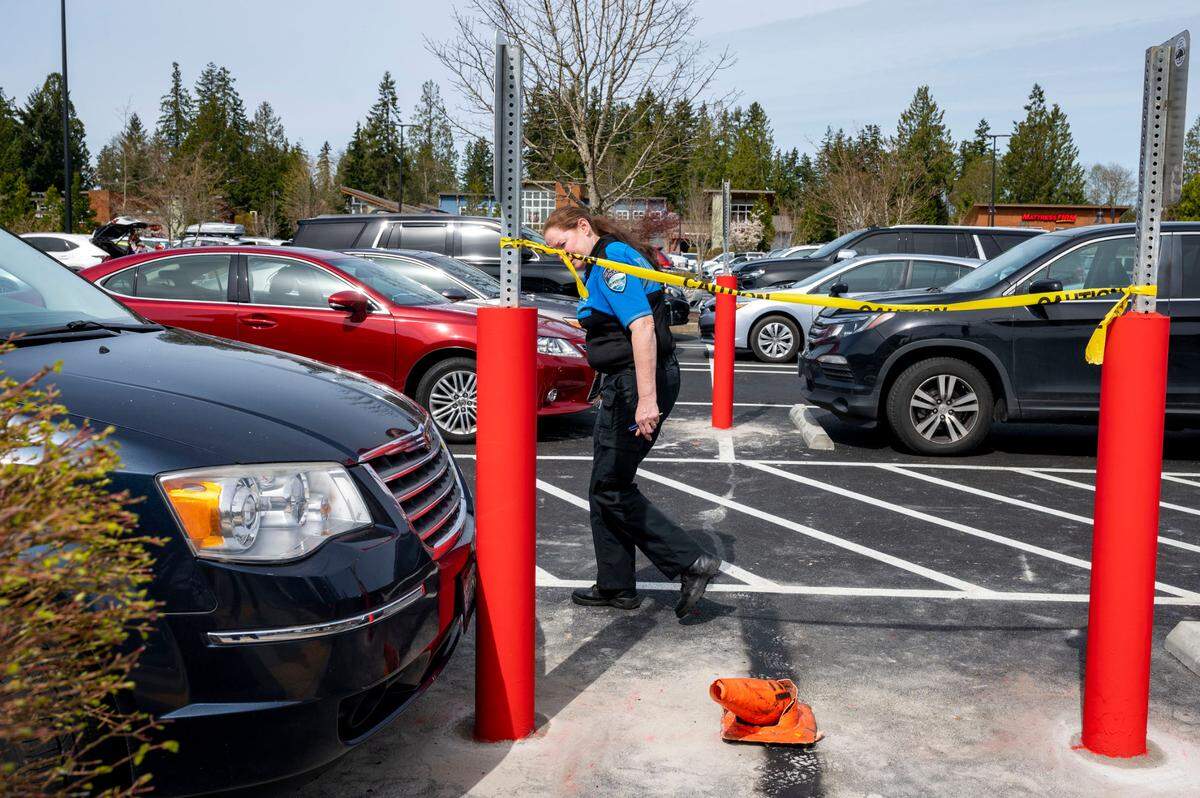
“Even as volunteers we run into situations that can be emotionally overwhelming. We run into situations that people in normal walks of life don’t … being able to provide assistance without becoming emotionally involved is hard,” C.O.P.S. volunteer Allen Beck said.
For example, C.O.P.S. sometimes deal with serious traffic accidents where there are fatalities. In these situations C.O.P.S try and help the officers and EMTs on the scene by speaking with distraught family members while those with injuries are treated.
“Most people don’t have to deal with those situations. You really can’t intervene in the way you would like to ... . You have to be able to talk to them calmly and unemotionally,” Beck said.
There is a difference between C.O.P.S. and commissioned officers. Volunteers aren’t trained at the same level as commissioned officers. Volunteers are not in bulletproof vests nor do they carry a gun.
The C.O.P.S. at GHPD are motivated to volunteer in this capacity for different reasons. Some have experience in the field, and are retired but still interested in working and giving back to the community.

Both Allen and Crowder agreed knowing the difference between the two positions is difficult.
“We cannot do everything we want to, because we cannot do the jobs that are in the description of commissioned officers. We fill in the holes for things the officers don’t have time to do,” Allen said.
“The hard part is to not come across as commissioned cops because it can put us at risk,” Crowder said.
Allen said he’s never lived in a city where the community supports law enforcement the way Gig Harbor does.
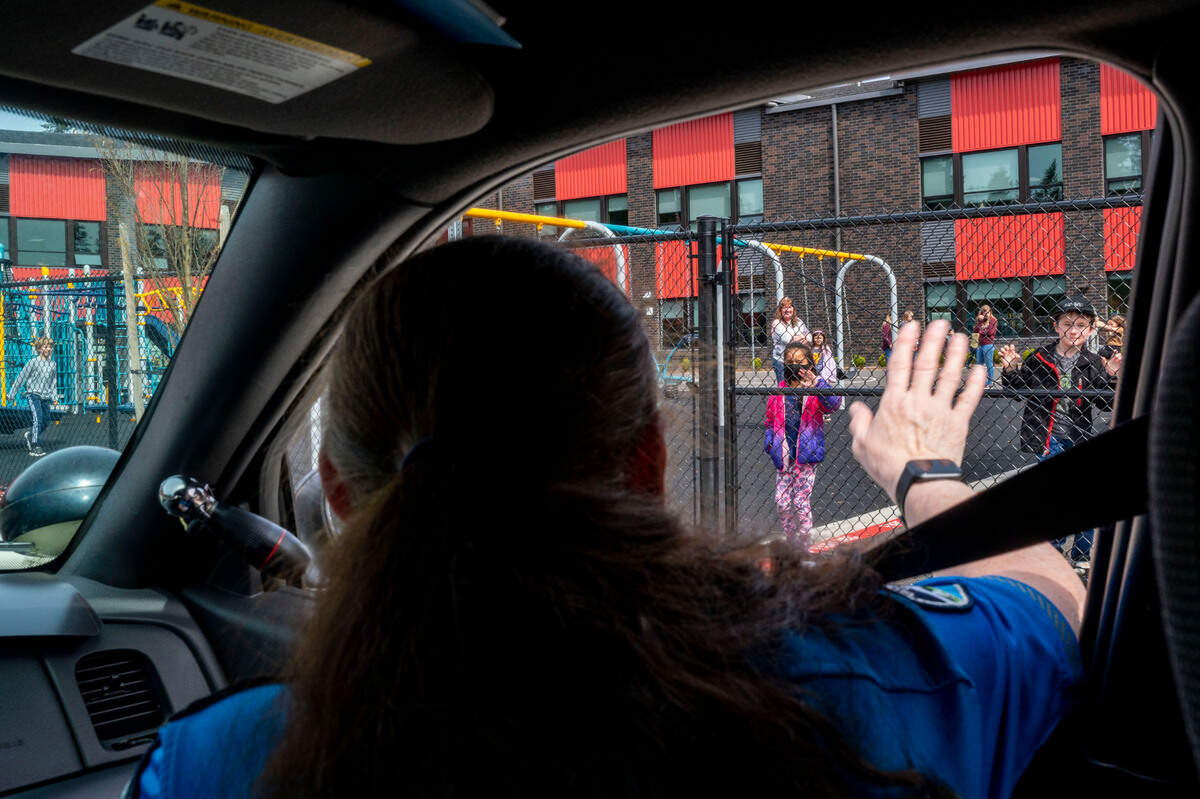
“It brightens your day for sure. As volunteers you don’t get a lot of props, so it puts a lot of sunshine in your day. The chief is very supportive and the department feels like family,” Allen said.
This story was originally published April 11, 2022 at 5:00 AM.