
This little fish causes a scene this time of year, and sometimes local whale activity
Ah, spring in the Puget Sound. Sunnier days, overflowing baskets of colorful flowers, and spawning season for Pacific herring.
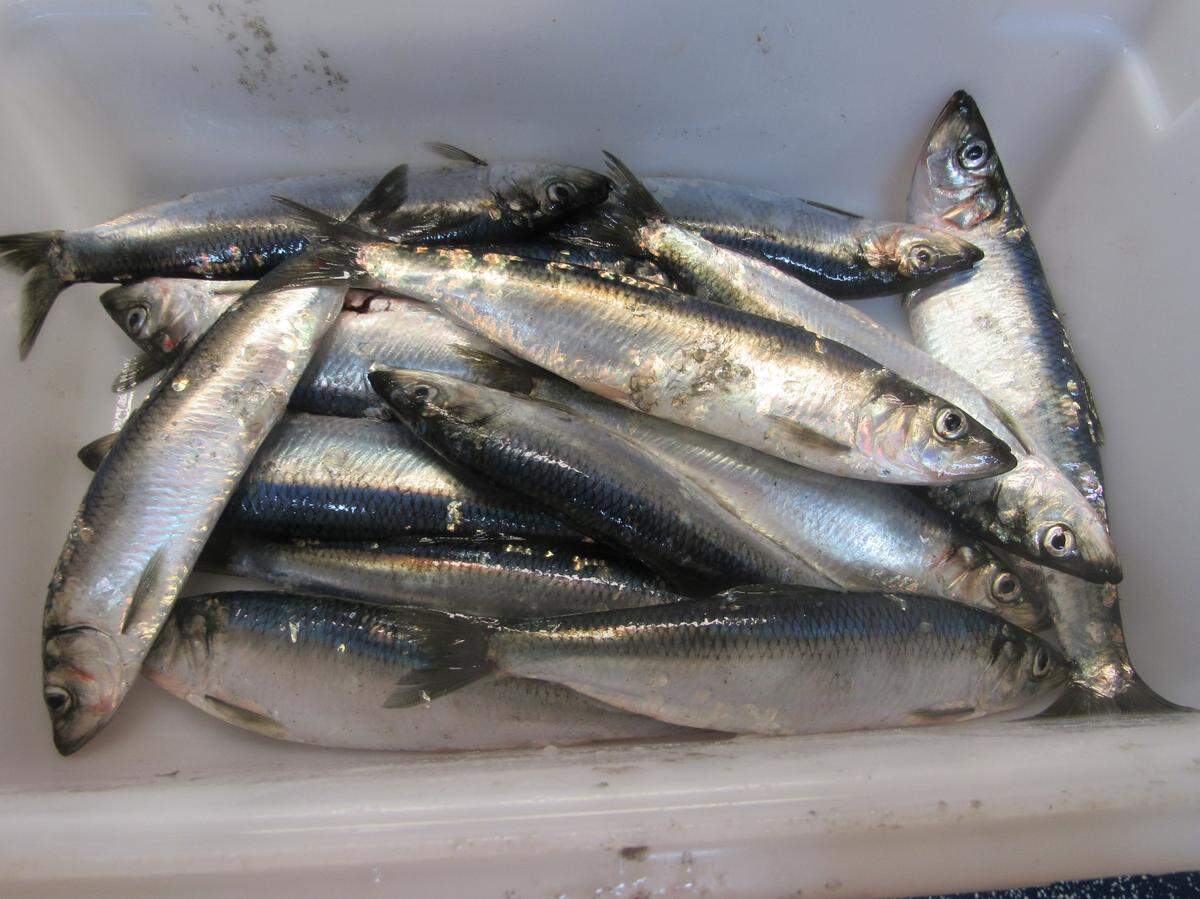
Pacific herring are a forage fish. Alongside surf smelt, Pacific sand lance, northern anchovies, eulachon, Pacific sardines, and longfin smelt, they are a critical piece of the Puget Sound’s food web. Forage fish are a crucial food source for marine mammals, birds, and other fish — including Pacific salmon.
Extensive surveys are conducted every year on these little fish to better understand their distribution of spawning and abundance. The Washington Department of Fish and Wildlife (WDFW) is also trying to ensure better protection for surf smelt and Pacific sand lance by studying the habitat they spawn in, especially given current and changing environmental conditions.
Washington’s Pacific herring fishery has seen variations in numbers since it opened in the ‘70s. WDFW tracks herring abundance by weight. Generally, the ‘70s and ‘80s saw estimates exceed 20,000 tons, then plummet to estimates below 10,000 tons in the ‘90s. Put into perspective — a good year of 10,000 tons of herring roughly translates to 250 million fish.
However, 2020 was unprecedented in Pacific herring runs. According to pugetsoundinfo.wa.gov: “The total herring spawning biomass in 2020 was estimated to be 18,559 tonnes. This was a 235% increase over the 2019 estimate and is the highest estimate since the 1980s.”
Estimates for 2021 were also predicted to be strong, though the 2021 Puget Sound Partnership’s Vital Signs report notes that the four-year average of herring biomass is still below the state’s target.
Like clockwork, Pacific herring return to Puget Sound shorelines in spring to spawn. The schools of herring stay in deeper waters until March and April when they move nearshore. The females deposit tiny eggs on eelgrass, kelp, and rocks — on average 20,000 eggs per female — and males spread their milt, often noticeably clouding the water. This milky colored water is noticeable from shore and can stretch quite a distance.
This small, yet crucial, little fish has caused quite the scene in Carr Inlet and Purdy this time of year. From the beach this can look like a swarm of seabirds, frenzied seal and sea lion activity, and sometimes an uptick in whale activity in the area. The viability of these little fish means a healthy ecosystem around them.
While beachgoers will see less spawning activity in May, those with a keen eye can still likely spot the eggs clinging to eel grass around the Purdy Sand Spit and some other beaches around Carr Inlet. And for those wanting to become further involved, herring spawning can be reported to WDFW to help track the fish’s progress.