Invasive ‘murder hornet’ sighting reported west of the Narrows. Here’s what we know
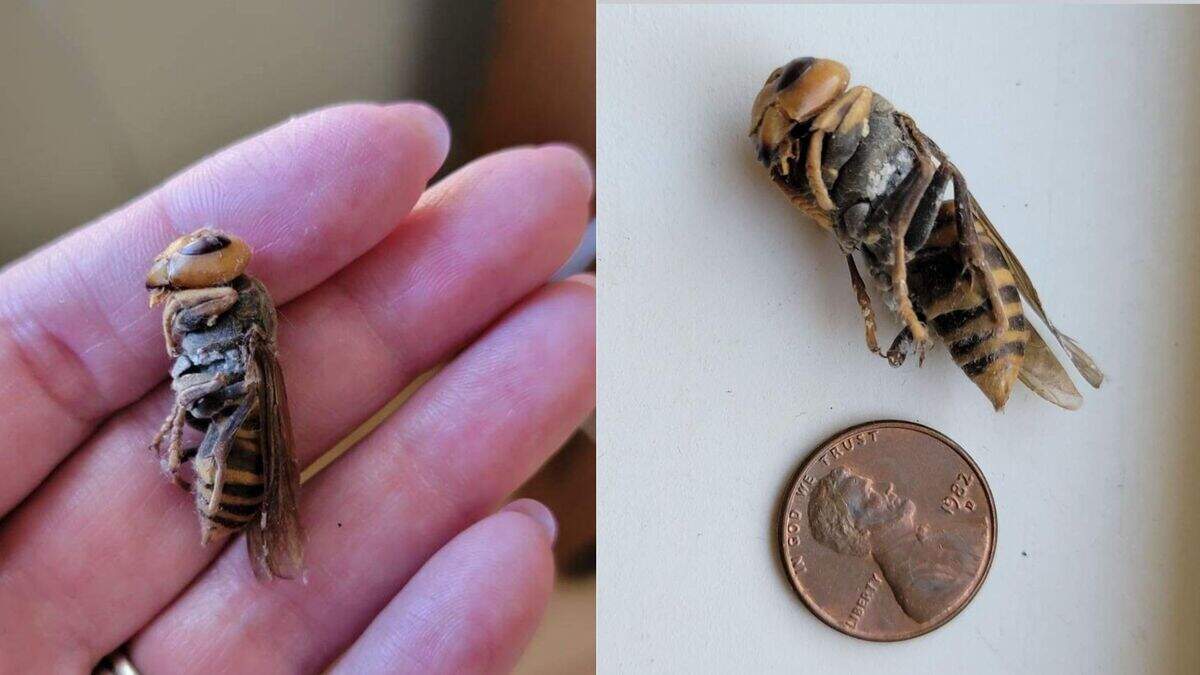
A northern giant hornet was possibly seen in the Burley area near Port Orchard, the Washington State Department of Agriculture posted on X Oct. 15.
The department can’t confirm the species until it obtains the specimen. They are investigating the report, WSDA wrote on X.
A spokesperson for the agency did not immediately respond to The News Tribune’s request for additional information.
The northern giant hornet, commonly called “murder hornets,” is an invasive species native to Asia and the largest hornet in the world at up to 2 inches long, according to the U.S. Department of Agriculture. It generally won’t attack humans unless it feels threatened, but it can destroy the hives of honey bees — its prey — in a matter of hours.
“The hornets can enter a ‘slaughter phase’ where they kill entire hives by decapitating the bees,” the WSDA website says. “The hornets then defend the hive as their own, taking the brood to feed their own young.”
Northern giant hornets will sting people who try to handle them or while protecting their nest or a victim beehive. Mass attacks are very rare, but possible and can maim or kill, according to WSDA. Their stingers are longer and more venomous than other bees and wasps, can damage tissue and cause significant pain. They’re also able to sting repeatedly and can often pierce regular beekeeper clothing.
Measures WSDA recommends to help people avoid attracting hornets include:
- Avoiding fragrant lotions, perfumes and products
- Keeping food and drink covered when eating outside
- Properly disposing of food and garbage, including fallen fruit and animal feces
- Using wasp guards on liquid hummingbird feeders
If you encounter a northern giant hornet, WSDA recommends you “slowly and calmly leave the area” and don’t swat it to avoid getting stung. If you’re facing several, flee or dive into dense brush as a barrier. Slowly stop your car if you find a hornet inside and open all the windows.
If you’re stung, “wash the site thoroughly with soap and water and apply ice to slow venom spread,” WSDA recommends. Get medical help if you’re stung more than once or you’re experiencing symptoms of an allergic reaction, and call 911 if you see any of the signs listed on the WDSA website, including trouble breathing or swelling in the face or mouth.
The first-ever sighting of the northern giant hornet in the U.S. was near Blaine in Whatcom County in December 2019. WSDA located and eliminated four of these hornet nests in Whatcom County by the end of 2021. There were no such hornets observed in 2022 or 2023.
If you think you’ve seen a northern giant hornet, you can report it via the Hornet Watch Report Form or email hornets@agr.wa.gov. You can also call 1-800-443-6684, although the form and email is preferred. Full instructions are on the WSDA website.
This story was originally published October 15, 2024 at 2:19 PM.