How will East Pierce mayor, city council hopefuls address growth? We asked them
READ MORE
East Pierce County elections
These are the East Pierce County races we’re following for the Nov. 4, 2025 election.
Expand All
Puyallup is at an inflection point. What do council hopefuls say about growth?
These Pierce Co. schools have a toilet shortage. Is ‘Port-a-potty city’ coming?
Will this Pierce County city ban fireworks? They’re asking voters
What will East Pierce school board candidates do about overcrowding? We asked
How will East Pierce mayor, city council hopefuls address growth? We asked them
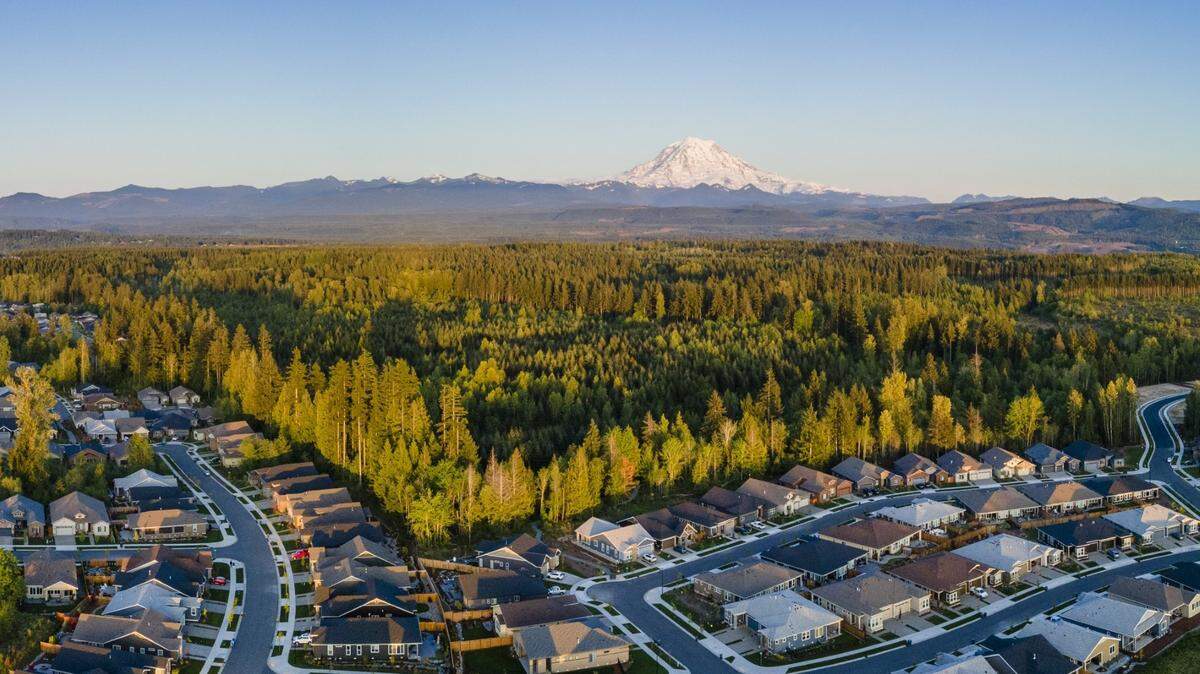
One of the prominent issues during election season this year in East Pierce County is growth.
According to the City of Puyallup’s website, an additional 13,000 people are expected to move to the city by 2030. In 2024, The News Tribune reported that Puyallup needs to add more than 7,400 homes in the next 20 years.
Growth in the region prompts questions about housing, infrastructure, traffic, parking and more.
The News Tribune emailed the same prompt to 20 mayoral and city council candidates in Bonney Lake, Milton, Orting, Sumner and Wilkeson. This story does not include candidates for Puyallup City Council, because The News Tribune plans to cover those races in a separate article. It also doesn’t include candidates who are running unopposed.
Candidates had a week to respond with a 200-word statement, and are listed in the order they appear in the Pierce County Voters’ Pamphlet. Before publication, The News Tribune sent two rounds of reminder emails to unresponsive candidates. Responses are not edited, except for minor edits for punctuation.
Ballots will be mailed on Oct. 17 and must be postmarked by Nov. 4 or taken to a drop box by 8 p.m. that night. Visit PierceCountyWA.gov/328/Elections for more information.
What we asked candidates
Pierce County’s suburban and rural communities are growing rapidly. What specific steps would you take to address this growth in your community, if elected? How would you address the need for more housing in the region? What role do you think the heritage and character of your community should have in those conversations? What are your zoning priorities?
Bonney Lake City Council, Position 3
Dan Swatman: The News Tribune reached out to Swatman but did not receive a response by deadline.
“Improvements must be made to match growth. Ensuring the developers pay for additional public infrastructure improvements is critical. Pursuing regional money to reduce cost to local taxpayers is critical,” Swatman wrote in the voter’s guide. “I will work to ensure that the beauty and livability of Bonney Lake continues. New developers must contribute to needed improvements. I will continue to work to provide an open two-way dialogue between the constituents I serve and city government.”
Sam Bath: The News Tribune reached out to Bath but did not receive a response by deadline.
“Bringing youth and fresh leadership to our community; preserving Bonney Lake’s ‘small town feel’ by stopping deforestation,” Bath’s voter’s guide statement said.
Milton mayor
Bruce White: The News Tribune reached out to White but did not receive a response by deadline. White did not directly address growth in his voter’s guide statement, but did write about infrastructure and traffic.
“Traffic safety is a key focus. He supports hiring a dedicated traffic control officer to patrol neighborhoods, tackling speeding to protect children and pedestrians,” White’s statement says. “White will enhance walkability by adding sidewalks to neighborhoods, ensuring safer, more accessible streets for residents.”
White also said he would maintain Milton’s appeal as a “stable, affordable, and welcoming community,” calling it “a character he’s committed to preserving.”
Steve Whittaker: “I’m running for mayor because Milton deserves experienced leadership that’s honest, respectful, and focused on what’s right for our neighborhoods. I want to keep City Hall transparent and accountable while building on what’s already great — improving infrastructure, supporting small businesses, and keeping Milton safe and connected. We need safer streets, traffic calming, and connected sidewalks so residents can move around easily and safely.
Growth is coming, but we must plan it wisely to protect Milton’s charm, green spaces, and sense of community. As Milton grows, we must ensure police services, roads, and utilities keep pace without overburdening residents. I’ll follow Milton’s Comprehensive Plan, ensure infrastructure readiness before development, and support zoning that fits neighborhood character while encouraging walkable, mixed-use spaces. Milton’s heritage — its people, places, and stories — should guide how we grow.
Thoughtful planning can preserve what makes Milton feel like home while welcoming the future. As mayor, I’ll lead with integrity, listen to residents, and make sure Milton grows responsibly — keeping our small-town character strong.”
Orting mayor
Chris Moore: “Orting sits at a crossroads — between growth pressures from the Puget Sound region and our deep small-town heritage that people love and move here for. Growth is inevitable, but how we manage it determines whether Orting keeps its heart or becomes just another suburb. With the Pierce County Growth Management plan calling for 250,000 new homes, one must ask the question, where do we put them?
The City of Orting is landlocked as we are in a valley, and historically, the city has taken a develop first, infrastructure and traffic second approach; this is evident in the status of our desperately antiquated utility infrastructure and significant traffic concerns. Moving forward, I want to bring an infrastructure first mindset to Orting.
As a city, Orting fought hard to reject high density zoning requirements which were being pushed upon us from outside the City. While Pierce County has vast open land to develop, even in extremely low density, environmental activism, tribal influence, and other special interests have made much of that land difficult if not impossible to develop, even for single family homes. The push to keep people in cities hampers Orting’s will to keep our city’s rural heritage and identity.”
Scott Drennen: “Orting’s future starts with what makes it special: our heritage, small-town spirit, and the mountain view we all love. As Mayor, I will protect those qualities while guiding growth in a way that fits our community. I will keep our building standards strong, focus new business in existing commercial areas, and make sure residents have a real voice in zoning decisions before plans are finalized.
Growth from surrounding areas is already reaching Orting, and we need to stay ahead of it. I will work with Pierce County and the State to fix traffic bottlenecks and secure long-overdue SR-162 upgrades. New developments should help pay for the infrastructure it needs instead of shifting that cost to Orting taxpayers. I will also continue upgrading our utilities and public facilities to keep them reliable and affordable. When it comes to housing, I support thoughtful infill, not large new tracts. Accessory dwelling units, cottage homes, and small mixed-use projects can add options without changing the town we love.
With smart planning, fiscal discipline, and open conversation, we can manage growth while keeping the heart of Orting intact — the character, connections, and sense of community that make this place home.”
Orting City Council, Position 1
Ed Torres: “[The first option] would be to look at the possibility and begin having conversations with the public about annexation in unincorporated Pierce County. To address the need for more housing in Orting, affordable building permits, water and sewer hook up fees would have to come down along with a quicker and easier permit process from the building department.
Affordable housing has become a buzz word and when it comes right down to it nobody wants to budge on the price municipalities set for all the fees they want to charge. The Mayor and the Council need to take the bull by the horns and address this issue and not sweep it under the rug. Thanks to Sam Colorossi and the Orting Historical Society for being proactive in the heritage and the character of our city. So many people over the years have contributed greatly to our community and a big shout out to the Orting Lions Club for all that they do.
I have not arrived at any personal zoning priorities until we as a Council meet and come up with a plan suitable for all concerned.”
Tom Bush: “I am running specifically to preserve and protect Orting’s small-town, neighborly charm while addressing growth. This will require a comprehensive effort with a delicate balance of other needs. Our city limits are largely built out. To meet our housing targets as required under the Growth Management Act, I will propose infill development through multiple means: ADUs, cottages, mixed-use projects, etc.
Rapid developments outside city limits are stressing our infrastructure and congesting our roads. I will seek partnerships with county and state leaders to address long-overdue improvements outside city limits. Inside city limits, I would explore the possibility of bringing some developer impact fee revenue into our city and lobby for grants to upgrade our infrastructure.
To boost our tax base, I’d bring vitality to our downtown core, incentivize local entrepreneurs and attract outside private investments to foster economic development that aligns with our character. I will be guided by regular community engagement. Living in a small town ultimately offers the very best in quality of life. I am fully committed to preserving and protecting what makes Orting special!”
Orting City Council, Position 2
John Williams: “Orting’s infrastructure and schools are already stretched thin. Before approving or encouraging new development, we must first address the strain current residents and families are experiencing. At this time, I would oppose large scale developments until key issues like water, sewer, traffic congestion and overcrowded schools are properly addressed.
While I understand there is regional demand for housing, we can’t keep putting the cart before the horse. We need to fix the system before allowing further expansion. My responsibility is to the people of Orting, both current and future residents. Current residents shouldn’t have to live with a mess and future residents shouldn’t have to move into one.
Orting’s heritage and character are built on strong community involvement and small town connection. Lately the city government has moved away from supporting the community needs. We need to fix this issue and restore the spirit within the community. It is time to refocus on the people who call Orting home. We must preserve the close knit, caring community that has always made Orting such a special place to live.”
Angie Bybee: “If elected, I will support and promote full adherence to the City of Orting’s 2024 Comprehensive Plan Periodic Update. This plan includes critical priorities such as providing a range of housing types at various levels of affordability, and encouraging pedestrian-oriented development that blends housing, retail, services, and civic facilities. These efforts aim to foster a vibrant, walkable town center that meets the needs of all residents — while preserving the city’s unique sense of history and culture.”
Sumner Mayor
Bill Pugh: “Sumner has already taken significant steps to meet the State’s mandated growth targets. In my first term as Mayor, following extensive public input, the Council adopted a Comprehensive Plan focused on directing growth to the Town Center near the Sounder Station and expanding East Sumner as a mixed-use area with multi-family housing and open space. Some new housing has already been built, while other projects are moving through permitting.
I recommended these changes to preserve the small-town character that makes Sumner unique, rather than allowing widespread multiplex development in established neighborhoods, which I found unacceptable. Town Center growth also helps our historic downtown thrive. The City is currently proposing some refinements to the Town Center plan, including lowering the maximum building height in some areas. This looks reasonable to me because we can still meet our mandated growth targets.
Growth and new housing are essential for Sumner’s continued vitality, along with necessary street, trail, and park improvements. The challenge is to integrate these elements so they work together, maintaining our community’s distinct charm. Throughout my career, that’s what I’ve done. I’ve successfully built community. I will continue to do so as your Mayor.”
Carla Bowman: “I will uphold Sumner’s Comprehensive Plan, which ensures we meet the requirements of the Washington Growth Management Act. I will encourage development based on the need for housing, not based on profit. The GMA states cities must plan for growth. The GMA doesn’t state that cities must build. Said another way, we must allow for growth. Whether it gets built or not is up to the market. Sumner is projected to add 1,985 new dwellings by 2034-2044, as set by the Puget Sound Regional Council. Based on what’s in our current pipeline, we’re halfway there in 2025.
I will work with the city to build a strategic plan by zoning that ensures new build/development aligns with our community’s character, supports infrastructure needs, and enhances, not erodes, our quality of life. Sumner’s heritage and small-town charm are why people choose to live here. Growth should be thoughtful, not impulsive. We must ensure we strongly preserve our small-town characteristics and appeal even in the face of a changing world per our Sumner 2050 vision. When required by growth, my zoning priorities will be medium and low density. I will encourage the use of housing solutions that fit these zoning needs.”
Sumner City Council, Position 2
Matthew Kenna: “Sumner and the region are feeling the pressure of rapid growth, and the challenge is to plan for that growth without losing the character that makes our community special. My first priority is the continued compliance with state growth management requirements which are essential to remain eligible for major transportation and infrastructure funding. To meet those obligations responsibly and sustainably, growth should be transit-oriented and focused near the Sounder station, additional transit service, and our town center. Concentrating housing and investment in these areas reduces sprawl, protects farmland, and makes efficient use of existing infrastructure.
Addressing housing will also require ensuring a range of affordability. Updating zoning to support diverse housing types—such as townhomes, cottage housing, and mixed-use developments—can expand options for all incomes while maintaining character and scale within neighborhoods.
At the same time, preserving Sumner’s heritage and small-town identity means investing in our historic downtown and supporting small businesses. Concentrating housing near transit and the town center helps sustain local businesses with a steady customer base. Reducing barriers to small business startups will enhance our town center. Lastly, infrastructure improvements and welcoming public spaces will complement strategies to meet housing needs while strengthening our local economy. “
Nick Biermann: “Our City must plan wisely for growth that is appropriate for Sumner. My priority is emphasizing citizen input when setting zoning priorities for our community’s future. Let’s shape Sumner’s growth using Sumner’s voices, not just those profiting from development.
The City’s comprehensive plan must accommodate a portion of regional growth, but we do not have to grow the same way our neighboring communities have. We can facilitate growth using a variety of affordable options that are a good fit for our community, not just large apartment complexes and six-story buildings with upscale units. I also caution against incentivizing development through tax exemptions that let developers off-the-hook for infrastructure costs and added wear-and-tear on our roads from increased traffic. This approach leaves citizens footing the bill, as with the council’s new transportation benefit tax.
Our plan should also support small-town, locally-owned businesses and shopping opportunities for people of all income levels. Our design codes should ensure historic facades are preserved and that new structures maintain the existing historic charm. Finally, it’s long-past time we appoint members to the Historic Preservation Commission, required by Sumner Municipal Code. The commission remains vacant due to a lapse in oversight by current and prior administrations.”
Sumner City Council, Position 3
Mark Evers: “Keeping Sumner’s small town charm has been a key talking point since I last served on the council 20 years ago. Despite growth, I think Sumner has done a good job of keeping that small town vibe. Currently, there are two newer apartment units, a third underway and a fourth one coming soon on the old Red Apple site. The latter two have easy access to the train station. The majority of growth in the future will be on the east side of town.
I would be in favor of owner-occupied town homes that were recently built and sold on Elm Street. That gives the city some density as required by the Growth Management Act and also a way for people to have affordable housing units to buy. Those town homes were priced under $500,000 and sold like hot cakes. While Sumner has many beautiful parks, I would also love for the city to purchase some land on the east side for open space/park. I would not be in favor of any more apartment units being built on that side of town but rather owner-occupied units.”
Amy A. Huo: “What we cannot do is stop growth and development. We are bound to comply with the Growth Management Act and we must act accordingly or risk losing state funding. What we can do is to choose where and how that growth and development happens and make sure to incorporate the priorities of citizens already living in Sumner. As an attorney working for the Housing Justice Project, I can unequivocally say that we need more housing. The housing we support for the future must be tiered and affordable housing for folks who are lower income in our region.
Heritage and the character of the community are a top priority — it’s the reason I moved here and the reason our family intends to stay here. We can work together to find ways that honor the heritage of the city but do not impede progress that brings new energy, life and vitality to the community. We must zone appropriately. We already have a plan for development in the works but I don’t support zoning industrial near residential areas. Rezoning high density residential in areas that are currently either low- or medium-density zoning may also not be necessary to achieve our goals.”
Sumner City Council, Position 6
Barbara Bitetto: The News Tribune reached out to Bitetto but did not get a response before deadline.
Bitetto also does not have any information listed in the voter’s guide.
Nicole Wilsey: The News Tribune reached out to Wilsey but did not get a response before deadline.
“I believe in balancing responsible growth with preserving our unique charm and character,” Wilsey wrote in her voter’s guide statement. “My goal is to help improve our city, making it a better place to live, work and visit, while maintaining the sense of community that makes Sumner special.”
Wilkeson Town Council, Position 3
Savannah Fjeld: “As a candidate for Town Council, I recognize the importance of managing growth in a way that respects both our rural roots and the changing needs of our community. Although the overall area of Pierce County and Western Washington needs more affordable housing to accommodate the growing population, Wilkeson cannot accommodate such expansion to help the situation at hand.
I think it is important as a town representative to work on preserving Wilkeson’s small town feel while assisting the growth in other ways such as having businesses, parks, recreation, etc. for people to enjoy from neighboring communities. I will work closely with residents to ensure zoning decisions reflect community priorities, protect natural resources, and support local businesses.”
Sara Sutterfield: The News Tribune reached out to Sutterfield but did not get a response before deadline.
Sutterfield did not directly address growth, infrastructure, housing or traffic in her voter’s guide statement.
“I believe small towns thrive through service, truth, and shared purpose — not just commerce,” Sutterfield wrote in her voter’s guide statement. “If elected, I will lead with integrity, creativity, and an unshakeable commitment to this community we all call home. Let’s remember Wilkeson — and create its future together. Do it by hand.”
This story was originally published October 14, 2025 at 5:00 AM.