
Eyewitness tells jury Manuel Ellis was not a threat to Tacoma police the night he died
Eyewitness testimony on Tuesday in the trial of three Tacoma police officers charged with the 2020 death of Manuel Ellis starkly contradicted the picture the officers’ lawyers have painted about how their fatal interaction with Ellis began.
Keyon Lowery, a 26-year-old deli worker, described his reaction to what he saw Tacoma police do as “disbelief,” because based on what he saw, he believed the officers “were in the wrong.”
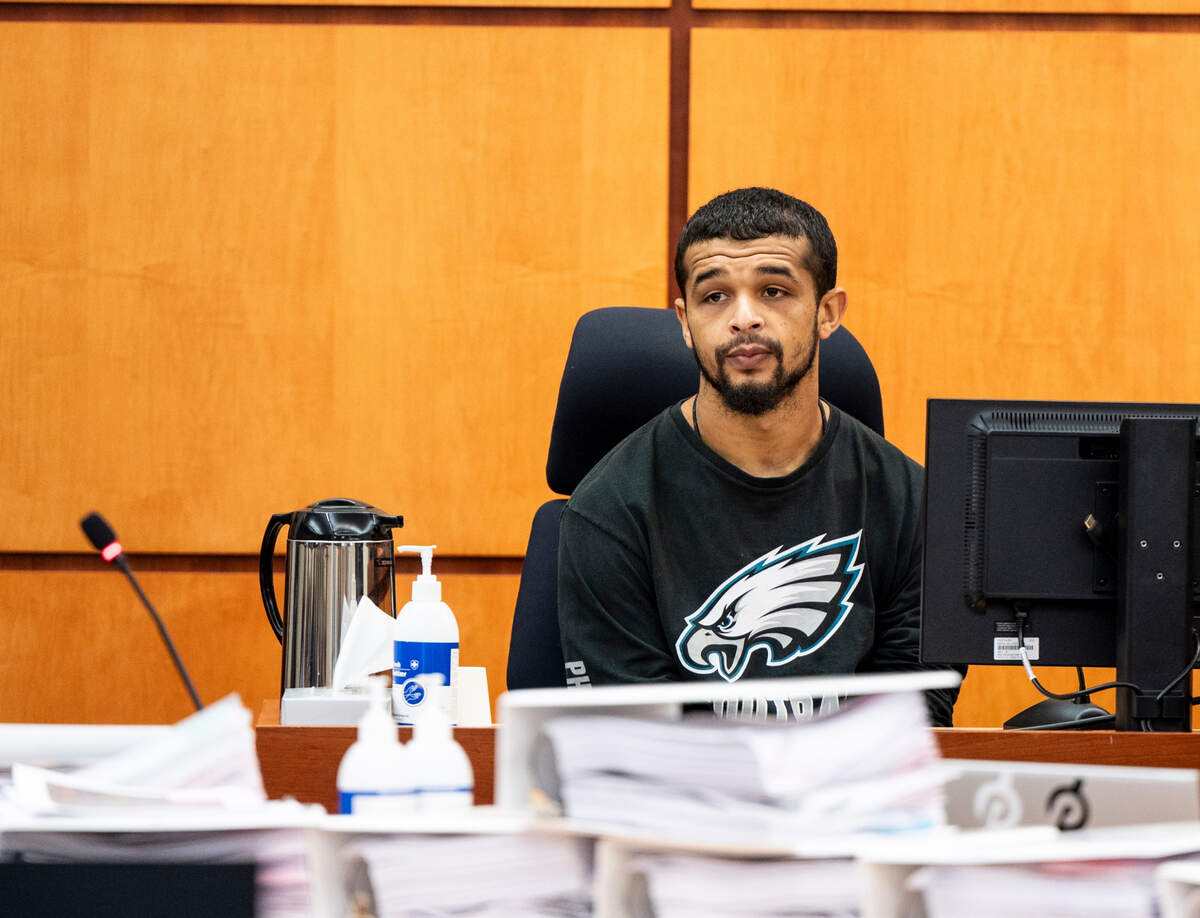
“I felt I needed to help him, Manuel Ellis, because the activity I was seeing wasn’t something I’ve seen cops do,” Lowery said.
Officers Matthew Collins, 40, Christopher “Shane” Burbank, 38, and Timothy Rankine, 34, are on trial for first-degree manslaughter. Collins and Burbank each face an additional charge of second-degree murder. All three have pleaded not guilty. They are free on bail and remain employed by the Tacoma Police Department on paid leave.
The Pierce County Medical Examiner ruled the March 3, 2020, death of Ellis, 33, a homicide caused by lack of oxygen during physical restraint. Ellis repeatedly told police that he couldn’t breathe while they continued to apply force. Ellis, who went by Manny, also had a high quantity of methamphetamine in his system, and lawyers for the officers have offered a drug overdose as the alternative theory in Ellis’ cause of death.
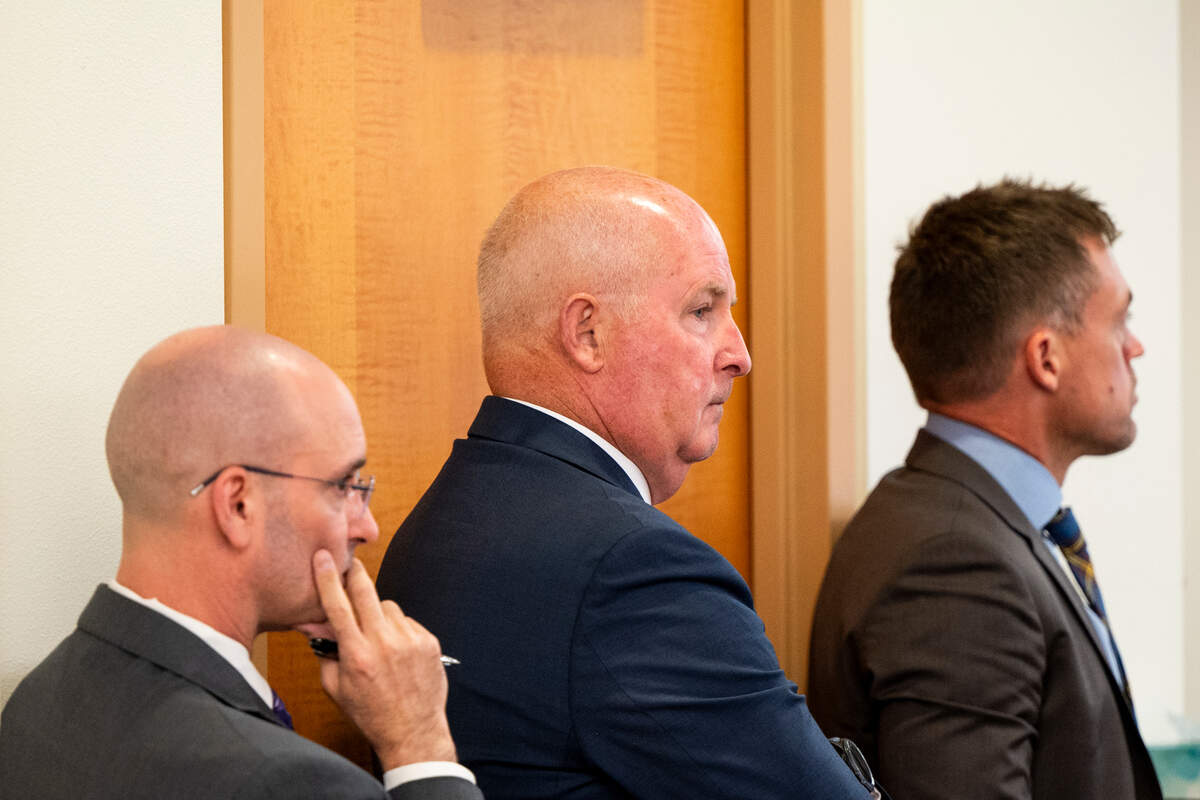
Casey Arbenz, one of Collins’ lawyers, characterized Lowery and his former girlfriend Sara McDowell, who recorded cellphone video of the officers and Ellis, as “arguably the state’s most significant witnesses” during Tuesday’s proceedings. That’s because they alone claim to have seen how the physical confrontation between Ellis and the officers began.
That has been a central point of the officers’ defense, particularly for Collins and Burbank, who were the first officers to encounter Ellis. Beginning with opening statements and during opportunities throughout the first week of testimony, the officers’ defense teams have emphasized the absence of video footage showing how the struggle began.
In statements to Pierce County sheriff’s detectives, weeks before it was known that video of the incident existed, Collins claimed that Ellis had attacked him by hurling him through the air to land on his back. Burbank contradicted that, and said he slammed a police cruiser door into Ellis, knocking him to the ground, because he feared that Ellis might turn aggressive toward Collins. Though far apart in terms of details, the tenor of the officers’ statements was the same – that Ellis had acted aggressively toward them, justifying the force that was used against him.
Lowery, who was driving in convoy behind McDowell on the night Ellis died, said Ellis was walking away from the police cruiser. Collins was the driver and Burbank was his passenger, police records show. Ellis walked back to the cruiser “like someone got his attention,” and as he approached it, the passenger’s door swung open, knocking Ellis to the ground, Lowery testified.
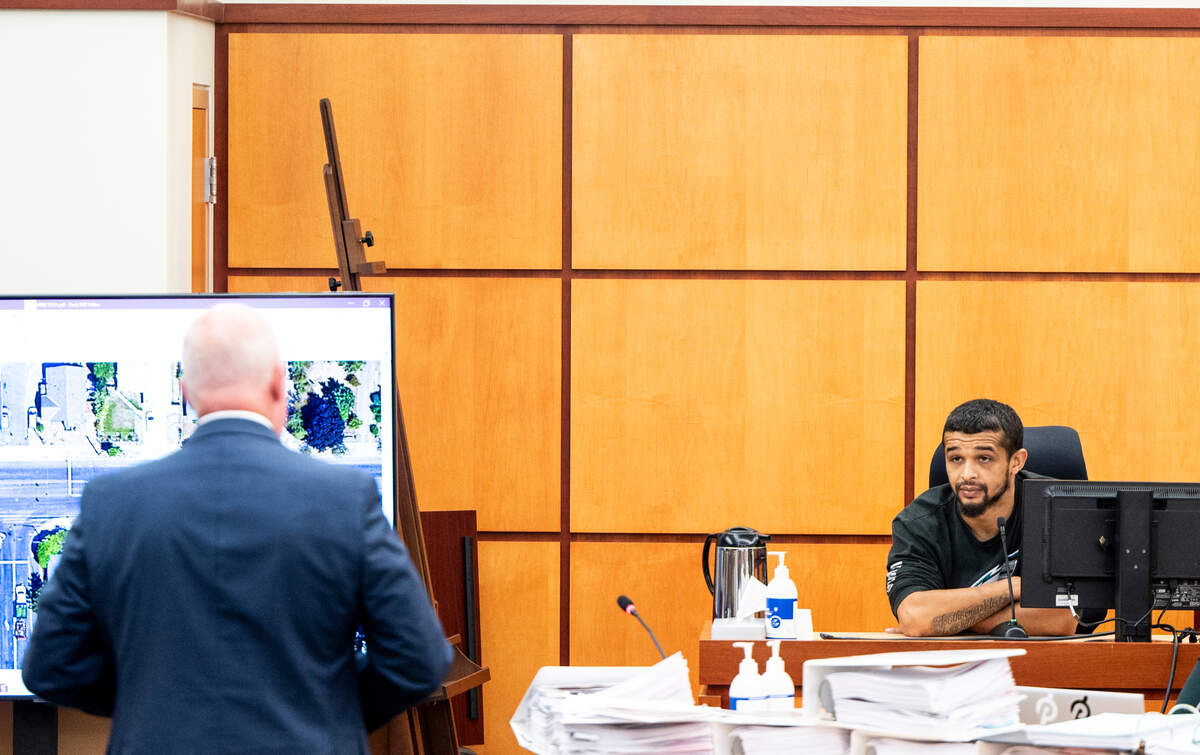
“He never really made it to the car,” Lowery said. Burbank was almost instantly on top of Ellis and swung up to three times to punch Ellis, according to Lowery. Collins exited the driver’s side of the vehicle and jogged over to Ellis, then took control of his legs, Lowery testified.
As Lowery left the scene, he said it appeared the officers had apprehended Ellis and were in control of him. Lowery said Ellis never acted aggressively toward the officers nor fought back, and was “no threat at all, none.”
McDowell was expected to testify Tuesday afternoon.
This story was originally published October 10, 2023 at 12:50 PM.