Drama to the end, but case against officers charged in death of Manuel Ellis goes to jury
Did three Tacoma cops kill an unarmed 33-year-old man whose last words were, “I can’t breathe”? Or was his death in police custody a tragedy of chronic drug use? The question is in the hands of 12 Pierce County jurors.
The trial of officers Matthew Collins, Christopher Burbank and Timothy Rankine came to a close Wednesday afternoon following nine weeks of testimony and days of closing arguments punctuated by repeated calls from the defense to dismiss the case and small protests outside the County-City Building in downtown Tacoma calling for justice for Manuel Ellis.
Just as special prosecutor Patty Eakes finished her rebuttal closing arguments late in the afternoon, attorneys for the officers again asked Superior Court Judge Bryan Chushcoff to dismiss the case for prosecutorial misconduct based on the last words Eakes told jurors.
“Mr. Ellis didn’t need to die that day,” Eakes said. “If only he had been granted the dignity of being human and being responded to.”
A flurry of objections came from the defense table, and after jurors were excused from the room, Chushcoff told Eakes she had crossed the line. The previous morning, he cautioned the special prosecutor about telling jurors the officers on trial had treated Ellis like he was “less than human,” saying it was a violation of the judge’s orders prohibiting lawyers from comparing anyone to animals. He said it implies the officers are bigots or that issues of racial prejudice are involved in the case, something prosecutors haven’t presented any evidence about.
Chushcoff said if the defendant were an African American, he would dismiss the case for the reasons the defense had outlined. But he declined to do so.
“I don’t want to dismiss this case because this community needs to hear from a jury about this, not a judge,” Chushcoff said.
Chushcoff said they had come too far, too much money had been spent and too many lives were at stake for the state to be so “cavalier” about the court’s orders.
Eakes disagreed with the court’s characterization of her conduct, telling Chushcoff her understanding was she couldn’t refer to anything about the officers treating Ellis like an animal. Chushcoff said it seemed to him that in so many words, she had suggested that jurors ignore the evidence and convict the officers.
Deliberations will begin Thursday morning, but first the court will need to sort through exhibits from the trial to determine which will go back with jurors to the deliberation room.
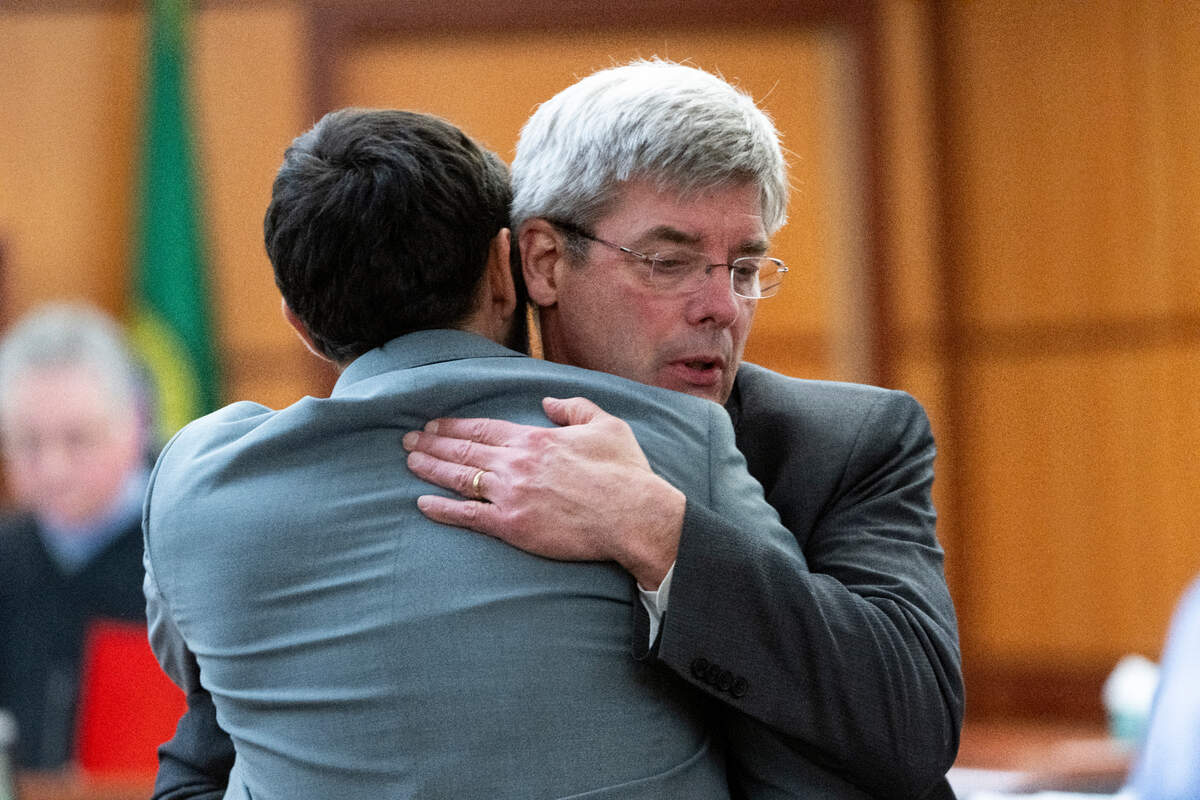
Then the panel of seven men and five women will begin to discuss whether officers Collins, Burbank and Rankine are criminally responsible for the March 3, 2020, death of Ellis.
Ellis died after a struggle with police that led to him being pressed to the street on his stomach with all of his limbs tied behind his back and a series of officers putting their weight on him. The former Pierce County medical examiner ruled Ellis’ death a homicide caused by oxygen deprivation from physical restraint.
Collins and Burbank, partners who had been with the Tacoma Police Department for about five years before Ellis’ death, are charged with second-degree murder and first-degree manslaughter.
Rankine, who had been a Tacoma officer for just under two years before the fatal incident, responded as backup minutes after Ellis first encountered Collins and Burbank at South 96th Street and Ainsworth Avenue. He’s charged with first-degree manslaughter.
The three officers could also be convicted of the lesser offense of second-degree manslaughter. All three have pleaded not guilty, are free on bail and have remained on paid leave from the Tacoma Police Department.
The trial is the first test of Initiative 940, a new police accountability law adopted in Washington state in 2018. It lowered the bar to charge police officers for on-duty offenses, and it requires officers to provide first aid to people in their custody at the earliest opportunity.
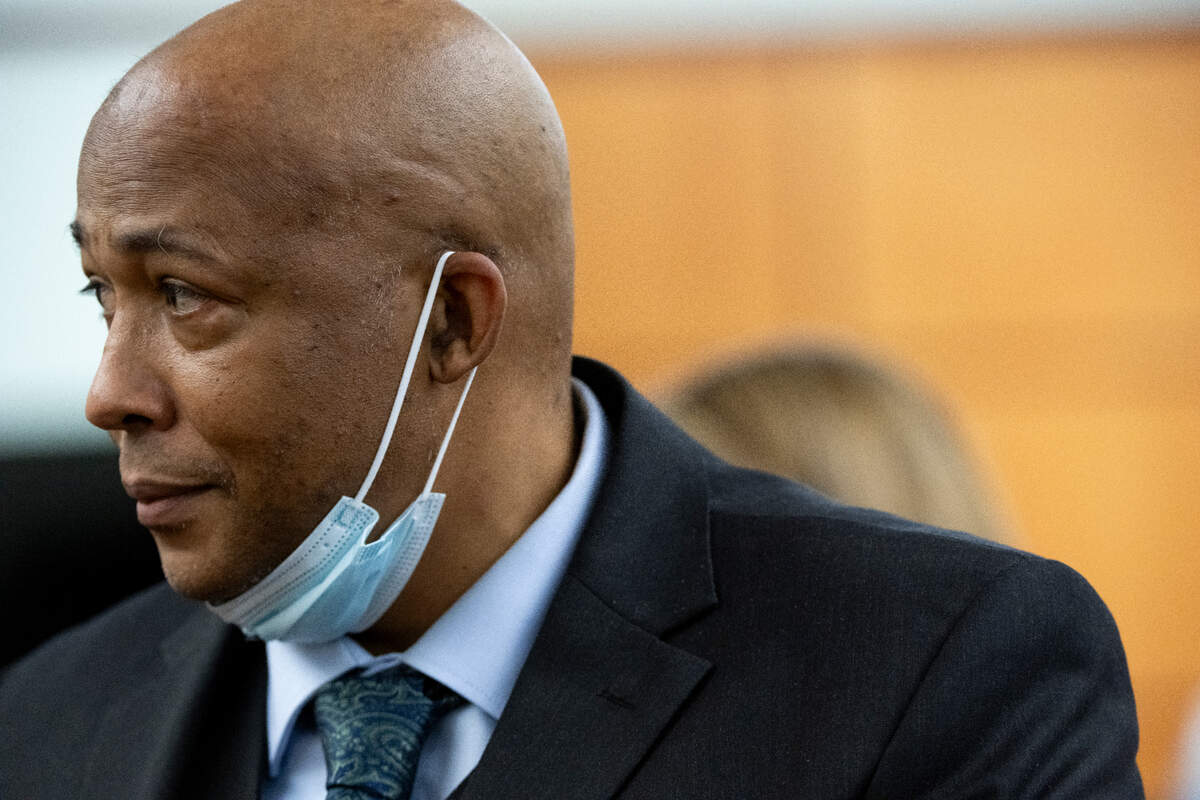
Lawyers for the officers finished delivering their closing arguments in the afternoon, and then Eakes launched into her rebuttal, asking jurors to be skeptical of what the defense attorneys said, telling the panel they’d been told “conspiracy theories” about the state’s central eyewitnesses.
Defense attorneys said jurors should disregard the testimony of Seth Cowden, Sara McDowell and Keyon Lowery by suggesting they might have been paid off by the attorney who represents Ellis’ family. Eakes said the idea was offensive and slanderous.
The three witnesses offered some of the most critical evidence in the trial. Cowden and McDowell took cellphone videos that showed Collins and Burbank roughly handling Ellis, contradicting Collins and Burbank’s statements that the man fought them throughout the incident.
Before Eakes made her rebuttal, Mark Conrad, an attorney for Rankine, was the last defense lawyer to make his case to the jury, telling them to find his client not guilty.
After lawyers for the other officers and prosecutors from the Washington State Attorney General’s Office spent much of their closing arguments attacking the credibility of their opponents’ most vital witnesses, Conrad highlighted how his client’s actions showed the officer was carrying out his duty to care for Ellis. He checked the man’s pulse, Conrad said, monitored his breathing and twice put him in a position so he could breathe better.
Conrad pointed to the testimony of Rankine’s partner, Masyih Ford, who told jurors he didn’t see any excessive uses of force the night Ellis died. The attorney said the idea that Rankine could commit manslaughter while Ford and a dozen-plus other officers were on scene was “absurd.”
“He’s not going to stand back and watch his partner commit manslaughter in front of him,” Conrad said.
Rankine’s attorney argued that all of the officers’ actions constituted a “low level of force” and that the more senior officers around him would have stopped Rankine if something were amiss.
The defense attorney also dug into Ellis’ medical records, saying their medical experts had walked them through heart monitor data that proved Ellis’ death was related to his heart, and not his respiratory system. Conrad turned to Ellis’ emergency room visits in the months leading up to his death for treatment related to difficulty breathing and his underlying condition of an enlarged heart.
“He’s getting sicker and sicker,” Conrad said.
The attorney argued that Ellis’ death was not the fault of police or Ellis, it was methamphetamine. Ellis’ autopsy report noted he had a meth concentration of 2400 nanograms per milliliter in his system, a level that defense attorneys have continuously argued was a fatal dose.
This story was originally published December 13, 2023 at 5:39 PM.