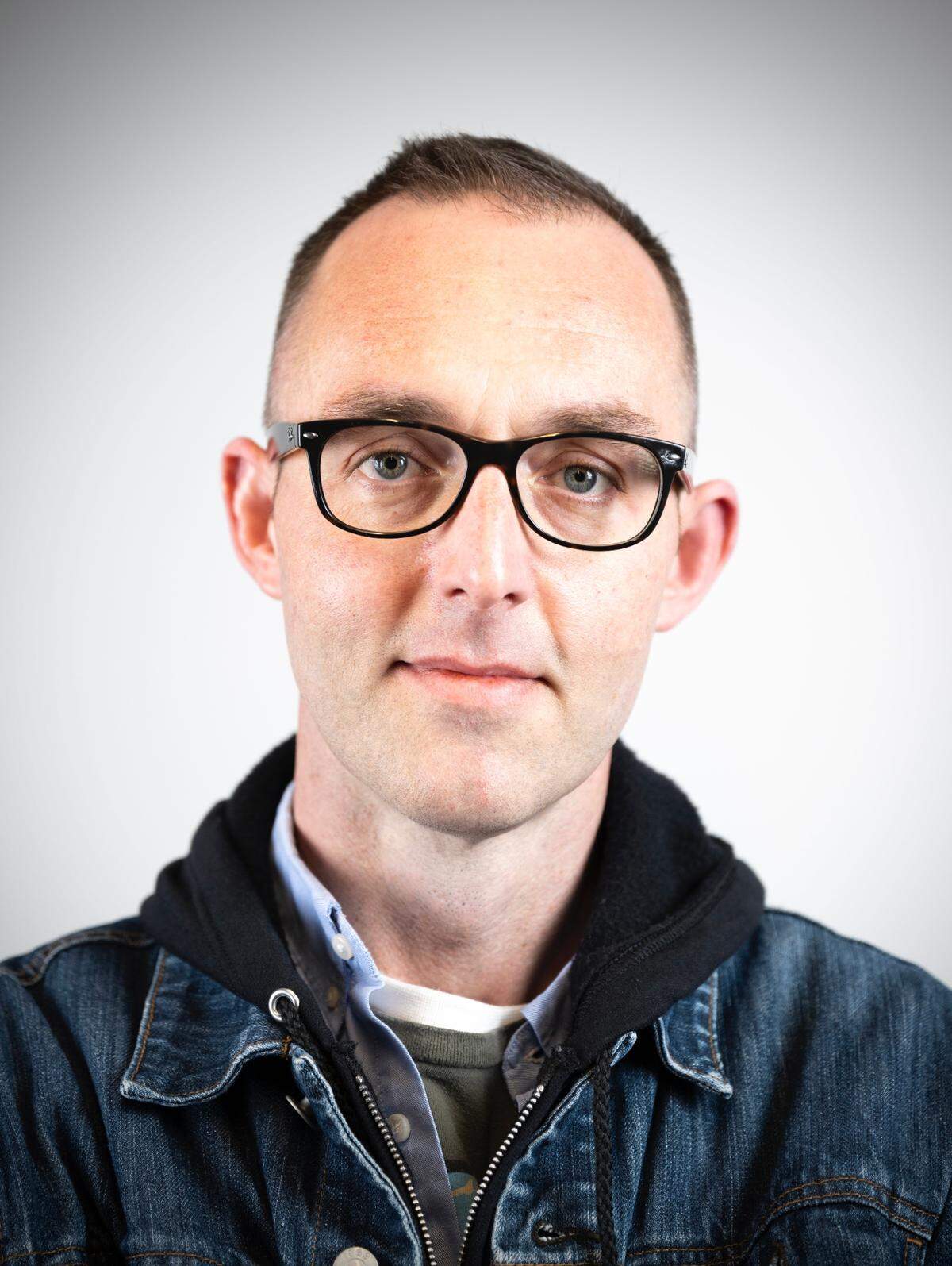
Tacoma commission chair fears coronavirus discrimination. He saw the same thing during Ebola
Earlier this month, Tacoma’s mayor and city council issued a statement condemning COVID-19 acts of discrimination.
Without going into much detail, the statement indicated that the city’s Office of Equity and Human Rights had “recently received information about discriminatory acts on valuable residents in our own Tacoma community.”
As chair of Tacoma’s Commission on Immigrant and Refugee Affairs, Jefferson Mok knew many of the details the statement alluded to.
Since the outbreak began, Mok told The News Tribune, members of the commission have been acting as a conduit between the communities they help to represent and the city.
The same goes for the city’s Human Rights Commission, according to Nick Bayard, Tacoma’s assistant chief equity officer.
Both commissions have served as a “channel for community input,” Bayard said, generating the “informal” complaints — and helping to inspire the city’s anti-discrimination statement.
In one instance, Bayard said, a commission member reported being verbally and physically accosted at a food bank in a nearby city, told by two white women while standing in line for services to “go back to your country.”
Bayard also said the city has received a report of a local business posting information about the “Chinese virus” in a work setting, though he added the issue “ended up being resolved.”
Overall, Bayard noted there have been “no reports of hate crimes within Tacoma,” describing what he’s heard as “general concerns.”
Still, Bayard said he believes marginalized communities — like African Americans, immigrants, indigenous populations and the disabled — are likely to “experience more acute harm as a result of this pandemic, both economic and health.”
Shining a light on disparities
Elsewhere around the country, an early picture of the disproportionate impact the coronavirus is having on black Americans is already emerging.
In Chicago, for instance, city officials have said the country’s long history of inequality and institutional racism has helped contribute to COVID-19 hitting the black community particularly hard.
As the Washington Post reported last week, black Americans at the time accounted for 68 percent of the city’s COVID-19 deaths and slightly more than half of its cases, despite making up just 30 percent of the city’s population.
Whether the virus will disproportionately affect black Americans in Tacoma in the same ways remains to be seen, but Bayard said he expects troubling social and economic trends will eventually emerge here, too.
“This pandemic has really shined a bright light on the disparities that we already knew existed,” Bayard said, pointing to examples like the impact of school closures on low-income families with limited access to technology and the internet.
“There are a high number of students who just aren’t participating in schooling right now because of their socioeconomic situation,” Bayard said.
This fallout, he noted, is “deeply linked to race.”
Black Americans, Bayard said, are being “disproportionately impacted by this because of the historical realities of redlining, Jim Crow and slavery.”
The structural inequalities — evident in indicators like the wealth and income gap, health outcomes and access to medical care — are now being magnified by the coronavirus crisis, he said.
“At this point, it’s really hard for anyone to credibly deny those disparities are deep and real,” Bayard said. “There’s no question that this community will suffer greatly as a result of this pandemic if you purely look at it from the lens of the economic fallout that’s occurred.”
Bayard also noted that Tacoma’s undocumented community is “shut out of a lot of resources,” and most efforts to mitigate the economic impacts of COVID-19 exclude these families.
As Crosscut’s Lily Fowler recently reported, undocumented immigrants won’t benefit from many federal and state programs providing financial assistance during the COVID-19 pandemic, “even if they’ve been paying taxes in this country for many years. “
For many undocumented individuals, the pandemic has caused “a real crisis,” Bayard said.
Exploiting existing divisions
In some ways, Mok has seen this before.
Five years ago, Mok was in West Africa during the Ebola epidemic, working for nonprofit international relief agencies. Doing communications in Guinea and helping to set up an Ebola treatment center in Liberia, he witnessed firsthand what he described as a “very similar situation.”
Shortly after returning to the United States, Mok — whose family moved to the U.S. from Hong Kong when he was seven — settled in Tacoma.
While Ebola might have divided people along different lines — like class, political affiliation, ethnic ties and religion — Mok said the potential harm posed by fear, hate and small-mindedness during the coronavirus outbreak is similar.
In West Africa, Mok said, existing inequalities often worsened because of Ebola, and he’s afraid it will happen here, too.
“This virus — and any public crisis — fully exploits our existing divisions, and discrimination greatly amplifies the damage because it prevents anyone from making lasting progress,” Mok said.
“Whether it’s a racial group or a different state — if we aren’t acting in unison, we won’t stamp out the virus.”
More than words
Asked about the city’s anti-discrimination statement, Bayard said it was “very important” for Tacoma “to be explicit that we condemn discrimination of any kind.”
The assistant chief equity officer also acknowledged, however, that it will take more than words to address the disparities exacerbated by the crisis, and the city doesn’t have all the answers yet.
Mok said the city’s recent anti-discrimination proclamation came at “a moment when (the city) needed to be clear.”
It gives him hope that there will be more meaningful action to come.
In the future, Mok would like to see Tacoma offer grocery vouchers for families in need, similar to what Seattle has done, and set up a fund specifically to help immigrant and refugees, including the undocumented.
“There’s no more authentic statement than a direct offer to help,” Mok said.
“There are critical resources that address basic needs that people need right now.”