‘Clumps’ of tar wash ashore on Oregon beaches. Don’t get near them, officials warn
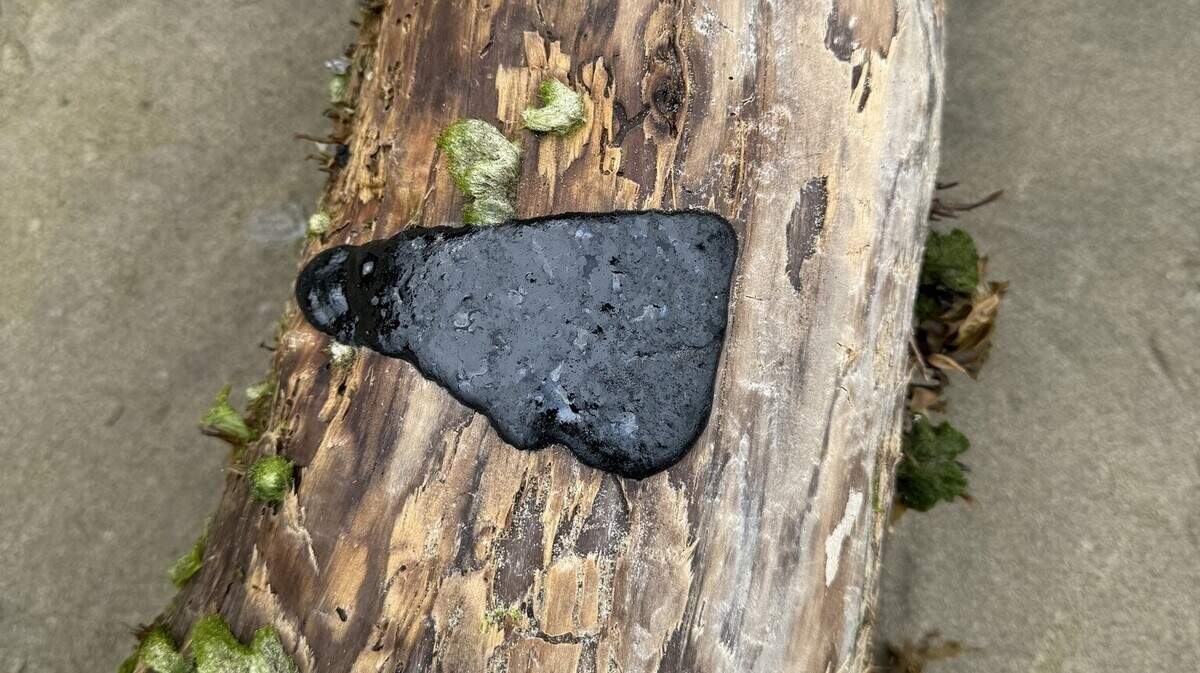
“Clumps” of tar are washing ashore on Oregon beaches following reports of birds found covered in oil, officials said.
Now, officials are warning the public to stay away from the petroleum substance, the Oregon Department of Environmental Quality said in a May 27 update.
Seabirds were mysteriously showing up in oil beginning May 19, McClatchy News reported.
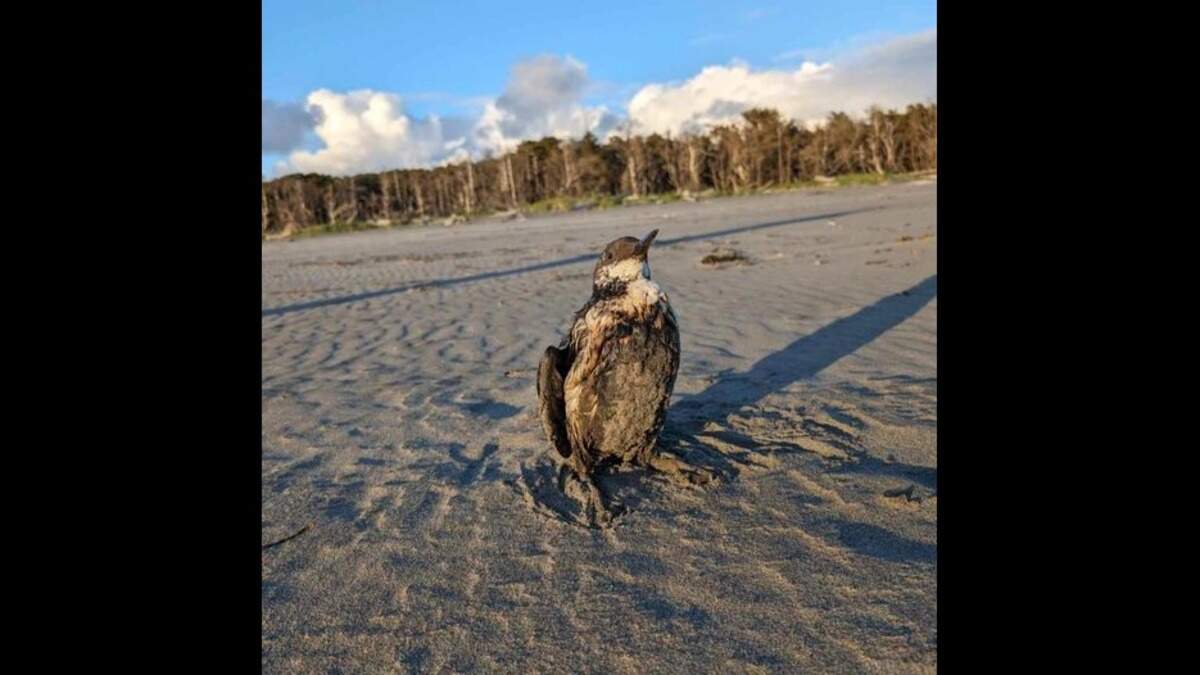
In Oregon, oiled seabirds were discovered in Manzanita, Lincoln City and in Cannon Beach/Haystack Rock area. They were also found in the Long Beach Peninsula in southern Washington.
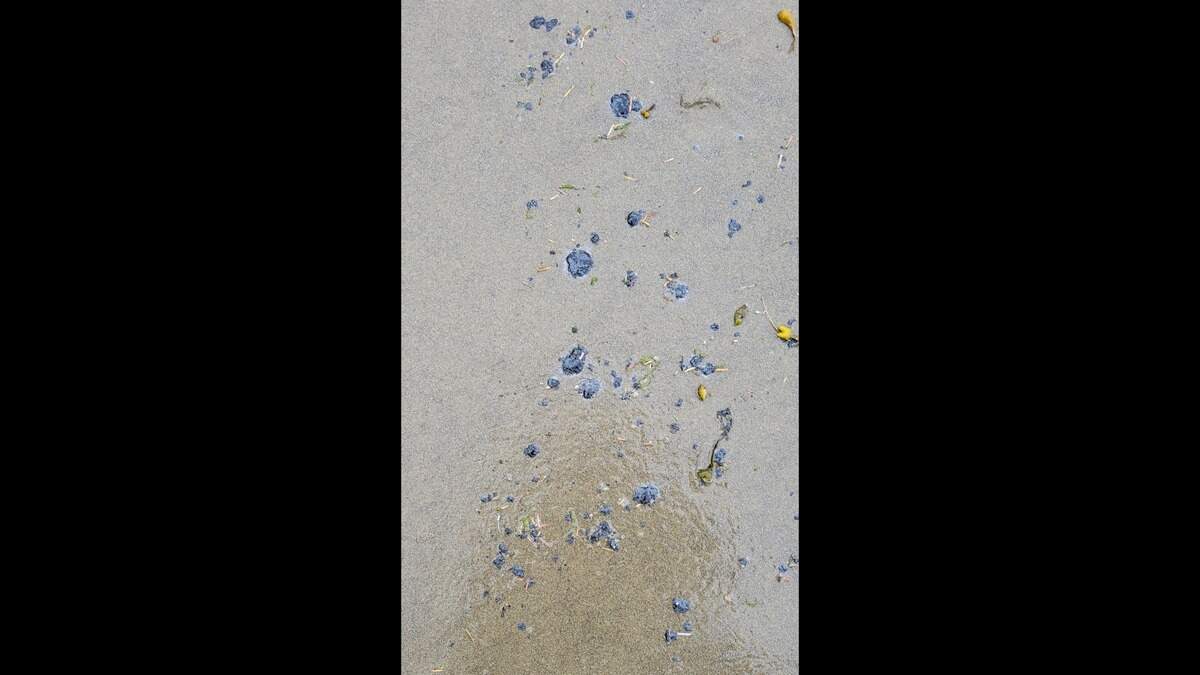
Tar balls — dark chunks of oil — were discovered in Washington and sent for testing, officials said.
Then pieces of tar about the size of sand dollars showed up on Oregon beaches, according to the state environmental agency.
Tar was found on Cannon Beach and in Lincoln City on May 22 and May 23, officials said.
Washington and Oregon agencies are working together to find the source of the tar.
In the meantime, officials are asking the public and beachgoers to not touch the “tar-like substance.”
If you do touch the tar, officials recommend using soap that cuts grease like shampoo or dish soap.
If anyone stumbles upon wildlife covered in oil in Washington or Oregon, they should report it by calling 1-800-222-4737.
The public should not remove any wildlife on their own “as this can increase stress on an already-stressed animal,” Washington Department of Fish and Wildlife spokesperson Ben Anderson told McClatchy news by email.