Bird-watching elevates mood, decreases anxiety, WA experts say. Here’s how you can start
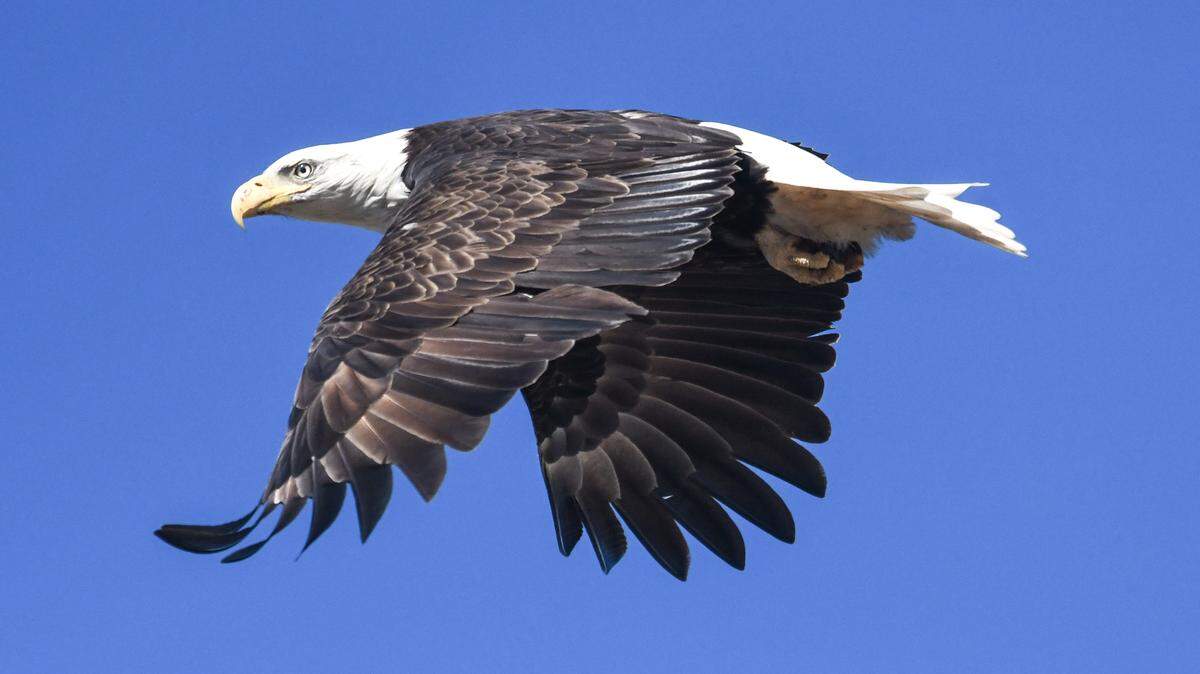
For more than 45 years Peter Wimberger has been what he describes as a “casual” birder. But in the last 10 years, the recently-retired director of Puget Sound Museum of Natural Science and professor of biology at the University of Puget Sound has upped his game to more “serious” bird-watching.
“There’s no right and wrong way to bird,” Wimberger said in an interview. “You could go out and not care about identifying things … you don’t have to put names on everything. If the thing that you want to do is to watch things or draw things or whatever it is, there’s no right way to do it.”
Bird-watching has grown in popularity over the past several years. Sale for bird seed and birding equipment rose significantly for many retail businesses in 2020, according to the National Audubon Society. This was especially true during the start of the pandemic in 2020. AARP states that much of the birding boom can be attributed to the global COVID-19 pandemic, where Americans were clamoring to reconnect with nature.
Many use the hobby or bird-watching to reduce anxiety and lift their mood. This holds true for Suzanne Harkness, development and community manager with Tahoma Audubon Society in University Place. A serious bird-watcher of more than four years, Harkness says the hobby has impacted her mental health for the better and sparks her creativity.
“There is something about being outside amongst the trees or next to the water that relaxes me and helps wash away the stressful lives we live these days, even if it is just for a short time,” Harkness said.
To Wimberger and Harkness, observing nature’s airborne creatures helps ground them in the present. The News Tribune spoke with the two birders about why bird-watching can be a rewarding recreation anyone can pick up and how new birders can get started.
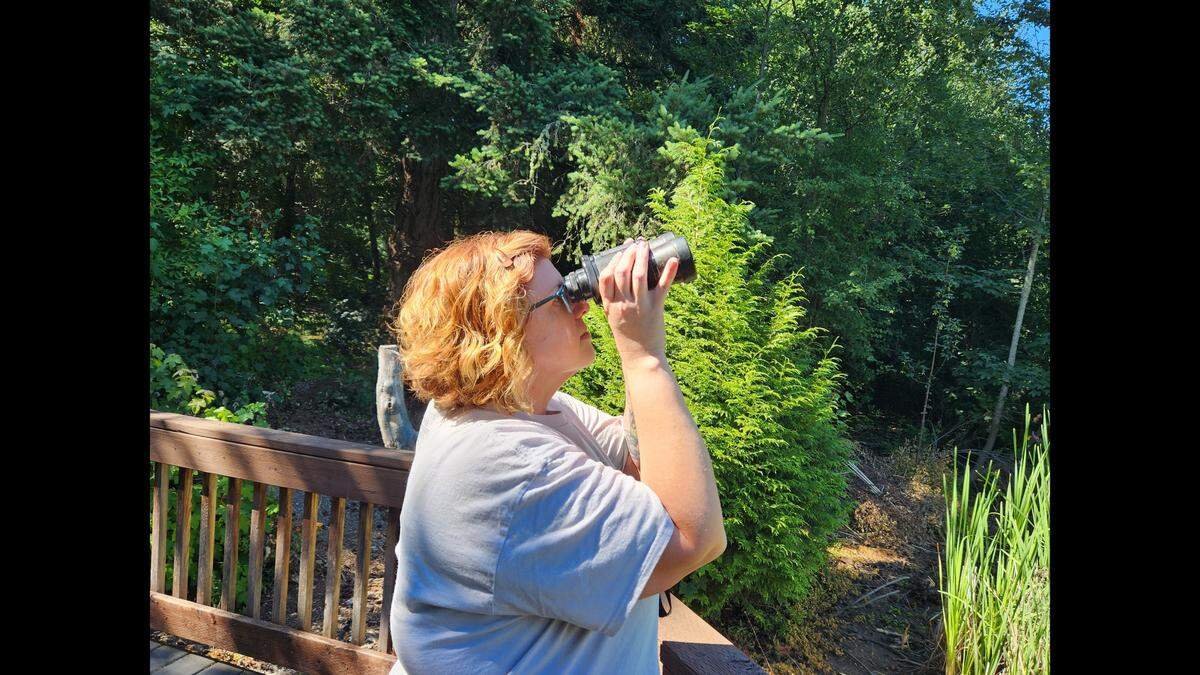
What’s so great about bird-watching?
Birding is a subjective experience. There’s no one reason why it appeals to so many people. But Wimberger and Harkness have some explanations on why the pastime has captured their attention.
Accessibility
Getting involved in birding requires minimal knowledge of birds and any equipment. All you need are your eyes, ears and attention. Even then, Harkness says you don’t even need those. She has gone birding with people in the bird-watching community who are visually or hearing impaired.
Birding can be done anywhere at most any time, Wimberger says. He adds that birds’ behavior can be easily observed, which adds to that notion of accessibility.
Harkness agrees that the hobby can be enjoyed by any and all ages. She says that there’s more going on outside than people may initially realize. In general, bird-watching has elevated her level of observation in the world.
“One tree can be its whole ecosystem,” Harkness says.
Honing multiple senses
Harkness says that birding helps fasten people to their senses and teaches them to better utilize them, almost like flexing a muscle.
“We spend a lot time now as a society on digital devices that only engage one or two of our senses,” Harkness says. “Bird-watching can engage so many more of our senses. We can visually see their shapes, colors and behaviors, listen to their songs and calls, smell the trees and flowers, feel the breeze or sun on your skin, or the cool shade of a huge Douglas Fir tree.”
Interaction
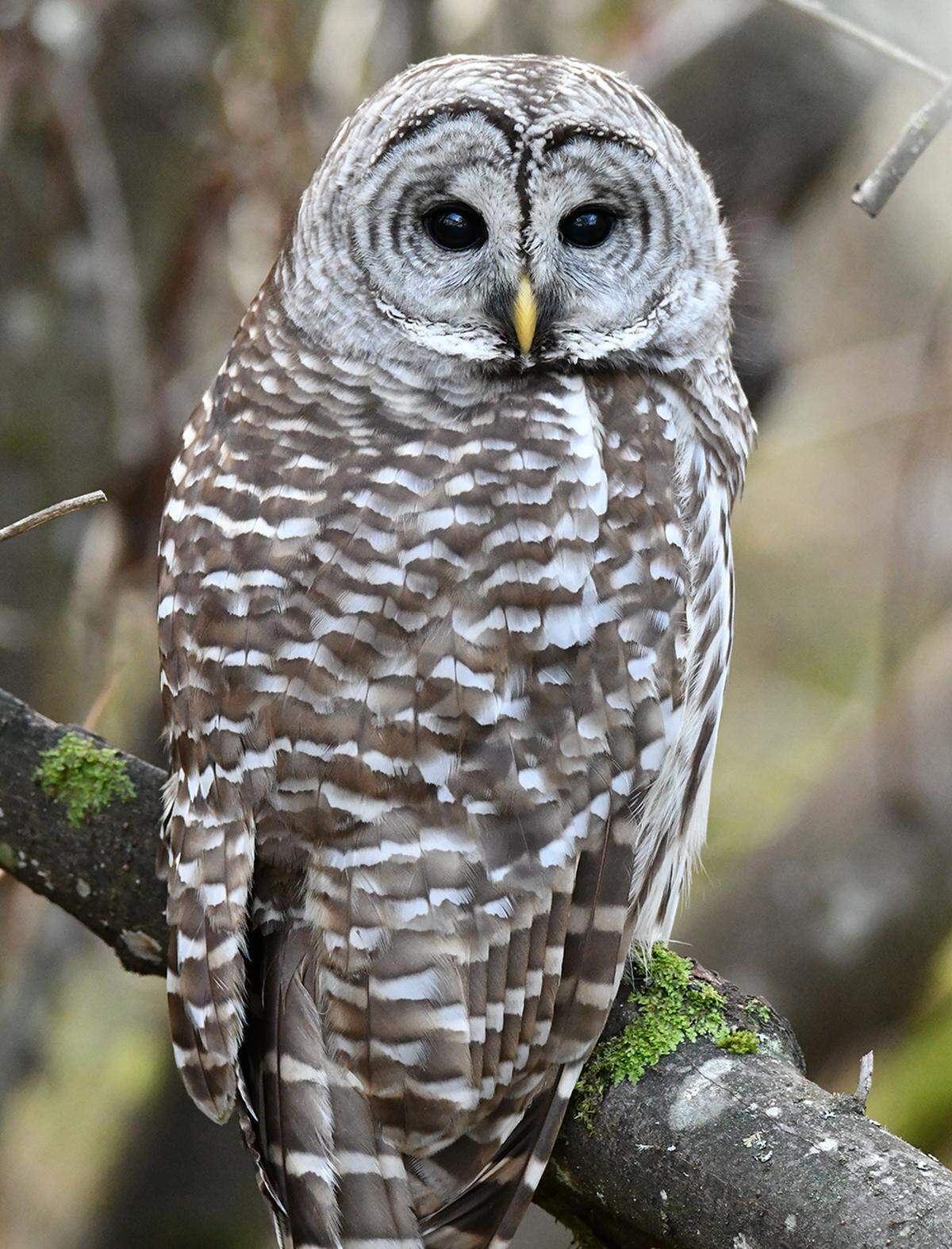
Harkness says birding is a two-way experience. Oftentimes, she will notice a bird that has been watching her. One time, she noticed a barred owl observing her. Crows or gulls will swoop in and grab discarded food. Species such as hummingbirds are territorial and have gotten up in Harkness’ face, she says.
Harkness notes that crows are particularly gifted at remembering human’s faces. They can even share that information with further generations of kin.
“Don’t make a crow mad, because they hold a grudge,” Harkness says.
Lifts mood, decreases anxiety
As Harkness already points out, the Zen-like state of birding anchors her to reality.
Bird-watching is similar to that serene moment one feels after pressing the snooze button on an alarm clock.
Recent studies suggest that listening to bird songs and watching the avian creatures is beneficial to mental health. Wimberger believes this connects to other reports that being in nature and viewing greenery improves mood and alleviates anxiety.
There is even a term for this phenomenon: Ornitherapy, or Mindful Birding. Birder and author Holly Merker characterizes Ornitherapy as a restorative, therapeutic practice that rejuvenates the mind and spirit.
She says the following tenets guide Mindful Birding:
An awareness of being with birds in the moment
Turning attention to birds and nature with intention
Going into the experience without judgment of what will or will not happen
Exploring one’s wonder and openness to experiencing awe
Sense of belonging
Wimberger teaches classes on a myriad of environmental topics, including evolution and diversity of life. He teaches his students that when they tune their senses into their environment, they begin to notice more. This helps them develop a sense of inclusion with nature.
“One of the things that I really try to get my students to do is to develop a sense of the places that they’re in,” Wimberger says. “Getting to know the plants and the animals and creatures that are around you … I think that it certainly increases a person’s sense of well being, and I also think it ends up increasing their sense of belonging to a place.”
Harkness likens bird-watching to gardening: they connect people to the Earth.
Primes curiosity and creativity
Wimberger compares birding to treasure hunting, where the goal is to look for Easter eggs and use your senses to figure out questions that may arise as you are observing. Harkness says something similar. She says bird-watching can feel like detective work.
“Bird-watching can also be fun and exciting, or even provide an adrenaline rush when you see a rare species, or find a particular type of bird you’ve been looking for which feels a little like treasure hunting,” she says.
Tips for beginner bird-watchers
Spark bird
Harkness says that birding is a recreation that “sneaks up on you”, and you start off interested in one bird, then another. Harkness says there’s a term in the birding community to describe that one special creature that sparks one’s interest in birding: a “spark bird.”
For comparison, think of a sport. Many fans of athletic competitions begin watching a sport as a fan of a certain team or player. For birding, consider what species of bird is the football equivalent to a Tom Brady. What bird have you come across that you particularly enjoy observing. What is it about their behavior that interests you? Do you like their shape or color? What else do you want to know about that bird?
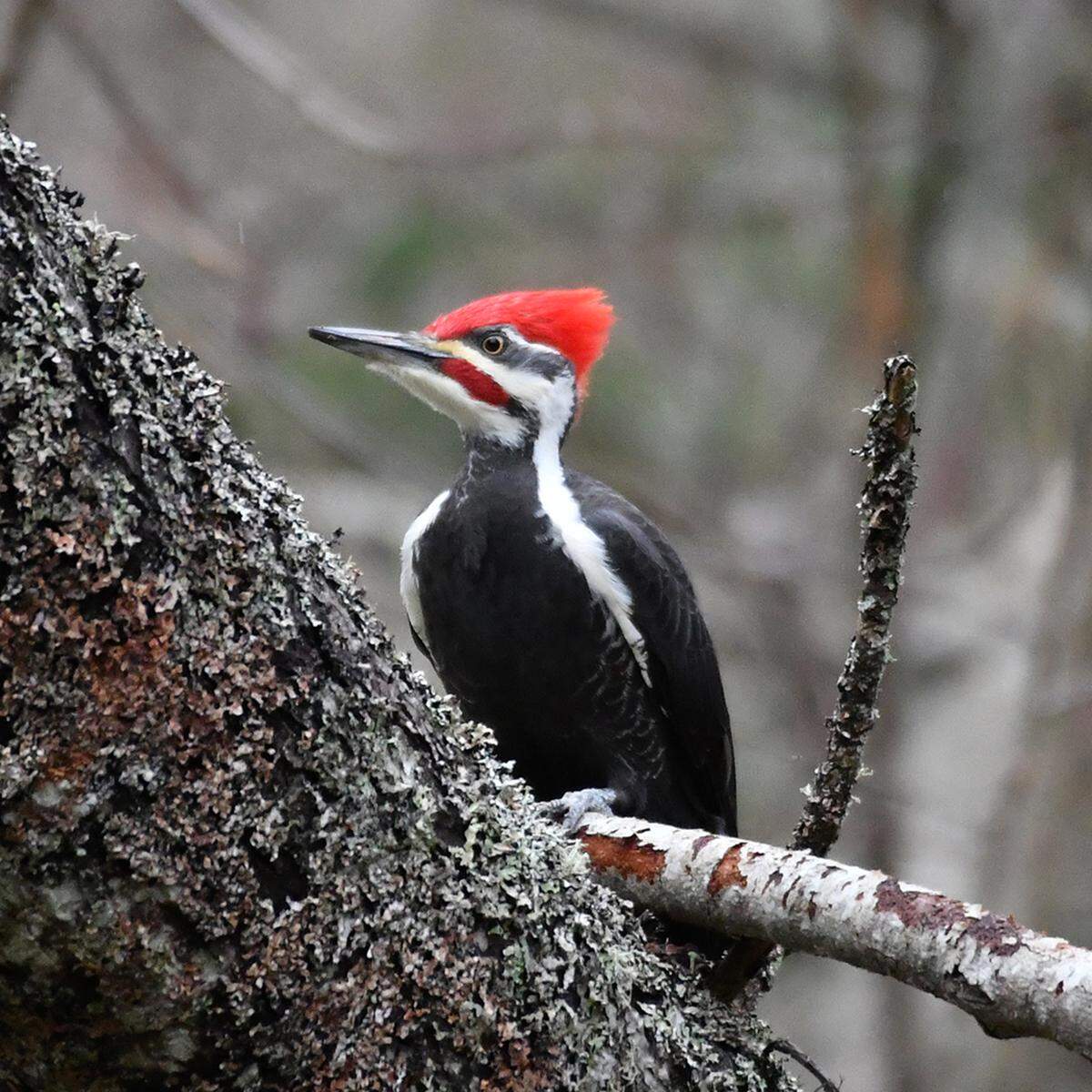
Even just learning new and fascinating bird facts can spark that passion for the hobby. Harkness’ favorite bird is the pileated woodpecker. One bit of information she loves about the species is that its tongue wraps around its brain to prevent itself from concussing as it pounds its beak into trees. She notes that manufacturers have studied the bird’s biology to create safer helmets.
Start with what you know
Because bird-watching can feel so open-ended, many people may not know where to start or how to do it. Wimberger explains that the best place to start observing new species of birds is by separating the ones you already know.
“What’s interesting is that most people know the difference between, let’s say, a duck, and a crow, and a woodpecker,” Wimberger says. “These major groups of birds. Like ‘oh, that’s a gull,’ or whatever. And that’s the place to start … because each time you do that, you’re kind of restricting the number of possible things [a new bird] could be.”
Attract birds
If you want to get close-up views of birds at your home, the simplest thing you can do is leave a saucer of water out, Harkness says. If you want to catch some glimpses of hummingbirds, leave out a red saucer. Of course, placing a bird feeder outside is one way to rally a group of birds to your window side.
Birding resources
Various phone apps and field guides exist to assist birders in identifying species and upping their bird game. Wimberger notes a few resources you can check out:
eBird: Users can use this application to take field notes
Merlin Bird ID: This application allows users to record audio of a bird and then identifies the species for them. If you’re unsure about any other species, Merlin will ask a series of questions about what you’re seeing. Your responses will narrow the species possibilities down.
Tahoma Audubon Society: The Audubon society in University Place offers workshops, birding walks and nature book clubs.
Illustrative books: Wimberger recommends the illustrative field guides by ornithologist David Sibley. You can find Sibley’s work on his personal website.
Popular birding locations in Pierce County
Tahoma Audubon Society lists a dozen notable locations near Pierce County that you should check out for birds:
Titlow Beach and Park – University Place
Wapato Park – Tacoma
Waughop Lake – Fort Steilacoom Park
Adriana Hess Audubon Center – University Place
Snake Lake at Tacoma Nature Center – Tacoma
Chambers Creek Regional Park – University Place
Point Defiance Park – Tacoma
Dunes Peninsula Park – Tacoma
Billy Frank Jr. Nisqually Wildlife Refuge – Olympia
Spanaway Lake – Tacoma
Nathan Chapman Memorial Trail – Puyallup
Farrell’s Marsh – Steilacoom
This story was originally published July 15, 2023 at 5:00 AM with the headline "Bird-watching elevates mood, decreases anxiety, WA experts say. Here’s how you can start."