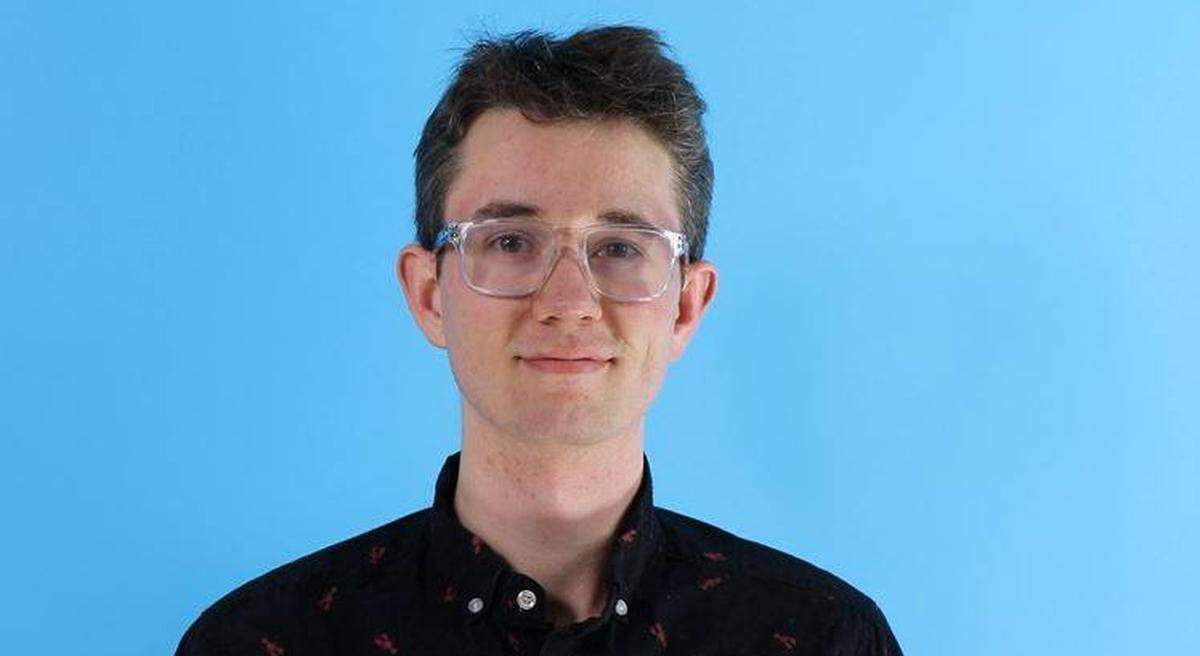
Matt Ruff, author of ‘Lovecraft Country,’ joins TNT Book Club for virtual discussion
On Oct. 2, the TNT Book Club will discuss the book “Lovecraft Country” by Seattle author Matt Ruff, who will join the virtual conversation.
If you would like to join the discussion, email chase.hutchinson@thenewstribune.com for more information or join our Facebook group.
The book is the source material for the HBO series currently airing from executive producer Jordan Peele and with showrunner Misha Green at the helm.
Set in Chicago in 1954, it opens with 22-year-old Army veteran Atticus Turner as he embarks on a road trip to New England to find his missing father. He is accompanied by his uncle George — publisher of “The Safe Negro Travel Guide” — and his childhood friend, Letitia.
On their journey to the manor of Samuel Braithwhite — heir to the estate that owned one of Atticus’ ancestors — they encounter both the mundane terrors of white America and malevolent spirits that seem straight out of the weird tales George devours.
Ruff sat down for a phone interview to discuss his work, what it is like getting a series made of his book, and how it relates to our present moment.
This interview has been edited lightly for clarity and might contain details surrounding the plot of “Lovecraft Country.”
Q: What was the genesis of the idea to put Lovecraftian mythology in conversation with racist history, especially relating to Lovecraft’s views themselves?
A: I needed a bridge between paranormal horror and racism. Lovecraft is basically both of those things because he was this enormously influential and talented horror writer that had a huge impact on the genre, but at the same time he was someone who was very much a white supremacist. He was very vocal about that and very sincere about that. So he became a good dual symbol since the other thing I wanted to get into in the story was just as in every other aspect of life and culture in the 1950s then genre fiction was not very welcoming to Black folks. There have always been Black nerds, there have always been Black readers of sci-fi and fantasy and horror, but particularly back then it was just like there they were not represented in the genre and when characters like them appeared they were typically treated very stereotypical and sometimes with open contempt. And so it became this challenge of how do you love the genre that doesn’t love you back? Lovecraft is like the epitome of that.
Q: What has it been like seeing your work on the screen?
A: I just happened to be very fortunate in my timing that the book came out right as Jordan Peele was finishing up “Get Out” and thinking about what his next project would be. To get the thing made into a TV series at all is amazing. To get it made into an HBO series with Jordan Peele executive producing and Misha Green as the showrunner is really something else and it’s just been it’s like, I don’t know it’s not even like winning the lottery it’s like winning a dozen lotteries at once. It’s just so wonderful and they did such an amazing job. It’s a surreal experience and I just can’t describe how happy I am.
Q: What were some of the books and inspirations that you grew up reading? I saw you had made a post on your blog about Octavia Butler’s work.
A: I read all kinds of stuff as a kid. Like a lot of horror fans I was a member of the church of Stephen King. I’m a big fan of a guy named John Crowley who unfortunately is not as popular as he should be but he’s a very good fantasy writer. He’s one of those people who’s known among other writers but he’s just never broken through in a way that he deserves to. Shirley Jackson is also a big one.
Q: What do you think the value is of learning about and putting in historical context some of our esteemed writers and their mythologies?
A: One of the big motivating factors for me in first thinking about this was I read a book by a guy named James Loewen called Sundown Towns, which is a sort of a history of whites only communities in America. That’s where I first read about the Green Book, that’s where I first heard about the Tulsa massacre, which is that incident in 1921 where basically the white community of Tulsa turned on this Black neighborhood in northern Tulsa and burned it to the ground killing about 200 people. There’s a lot of history of what actually happened between the end of the Civil War and the passage of the Civil Rights Act that has been largely forgotten or ignored, both in what was done by white citizens and also the story of how Black folks at that time found ways to survive and get by. The long term goal was always to reach equality but in the meantime people had to live their lives. And so we have this just largely forgotten history of the things that people did to sort of make their way in a country that really didn’t have a place for them.
Q: Is there anything you think we should pay special attention to or any sort of theme you think we should discuss in reading your book in our present moment?
A: Unfortunately, I feel like this year has been kind of a perfect storm of different things happening but the feeling I always had is that “Lovecraft Country” was the kind of story that really would have felt topical in any year. And because of, you know, who’s president because of all the other things that are happening it just seems so topical. The truth is police brutality is not new. It’s not that this stuff is not constant, it’s just that there are moments when it becomes impossible to ignore and the media discovers it and talks about it for a while. Sometimes there’s an improvement of some kind and sometimes time just passes. The media moves on to the next shiny object but the underlying problems remain. It’s a slow and incremental process toward change. I hope one of these times this will be the moment where there will be a bigger improvement and more lasting change but it’s going to be a long struggle. So that’s the main thing is don’t just focus on the current moment and think “wow, that seems really topical now.” Really, it was always topical. It’s just that it’s harder to ignore this year.