
COVID-19 changed restaurants for diners and workers. Here’s what that means for future
At the onset of the coronavirus pandemic, the central question for most restaurants was how to survive, followed by when they would be able to safely, sensibly return to normal. Nearly two years later, any notion of normalcy has evaporated.
The service industry — from kitchen to bar, housekeeping to concierge, supermarket to airplane — suddenly became “essential.” Many jobs temporarily disappeared, and when they returned, they differed in more ways than one.
Restaurants moved beyond four walls and spilled into the streets; they landed inside our own homes. We learned how to pull up a menu on our phone, to pre-order a take-and-bake New Year’s Eve dinner, to choose among fewer options and to pay more for all of them. Business owners, meanwhile, learned they couldn’t get away with paying their cooks and servers minimum wage, and workers realized their power. All of these changes have forever altered the industry and how we will interact with it in the future.
“If I were to give you one word for a headline, it would be ‘resilience’,” Mark Beattie, an associate chancellor at Washington State University in Everett focused on hospitality business management, told The News Tribune in late December.
In May 2020, the third month of shuttered dining rooms in Washington state, Beattie compared that unprecedented moment to the space between movements in yoga or tai chi, “where breathing is important,” he said. “We are coming out of an old movement, we are taking a new breath, and we are going into a new movement. That’s normal.”
The News Tribune contacted Beattie again at the end of 2021 to determine which observations from those early days held up, which new ones had emerged and what he hoped would stick well into the future.
TECHNOLOGY, FROM DIGITAL MENUS TO CONTACTLESS PAYMENT
QR codes — that jumble of black squares that, these days, directs most of our phone screens to a restaurant menu — have been around since the ‘90s. Brands attempted to harness their power in the early 2010s. In 2017, iPhones enabled their use through the camera function, as opposed to a separate app, and in 2020, they awoke as a powerful tool for contactless interactions in a pandemic.
When Cactus, a regional Southwestern-Mexican chain, reopened their Tacoma restaurant, QR codes were taped to every table. At Three Magnets Brewing in Olympia, guests were directed to pull up the draft list and food menu on their phone, pay through the online system and pick up their order from the bar a few minutes later.
For many restaurants, paper menus are now obsolete. Skipping them saves money and allows for easier, faster updating. They aren’t going away, and we’ll continue to see them at restaurants of all styles, from super-casual to upscale.
MORE SELF-SERVICE
More tech also means more self-service, noted Beattie, which is both a burden and a blessing.
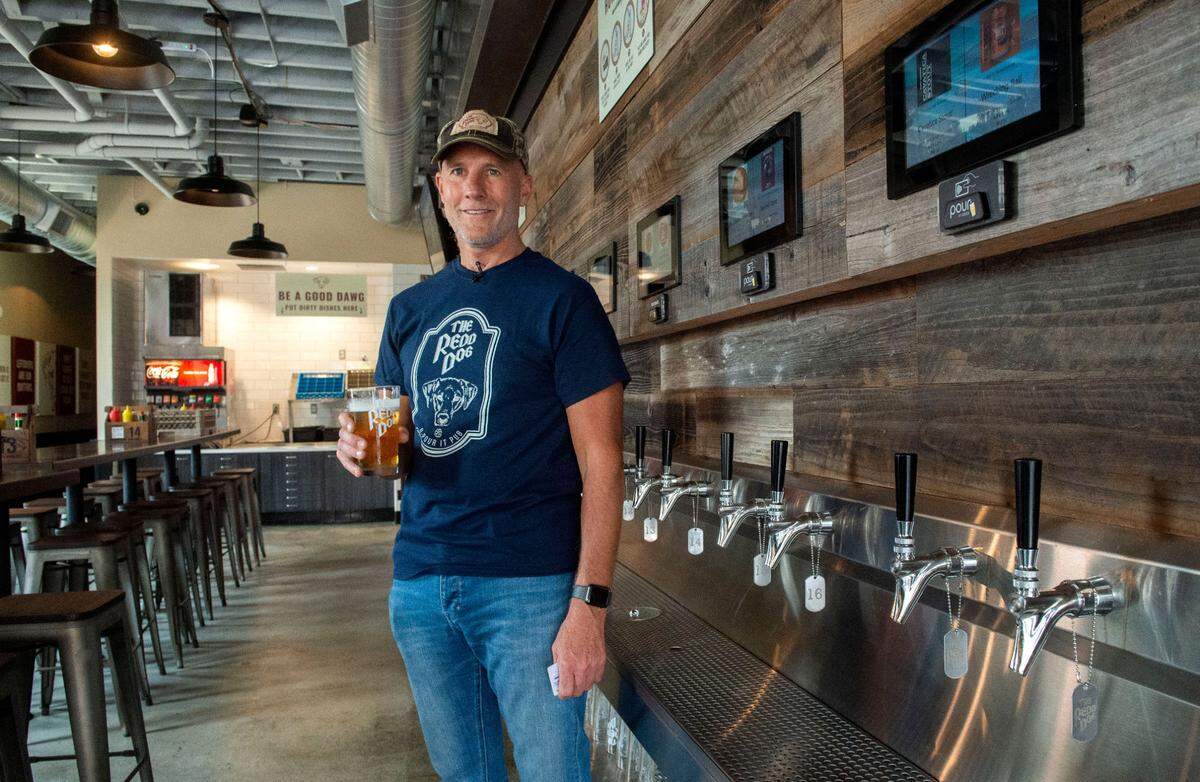
Similar to the increase in self-checkout lines at Target and Home Depot, more restaurants have and will continue to embrace the fast-casual-style model of ordering on a screen or at a window. At The Redd Dog, you pour your own beer.
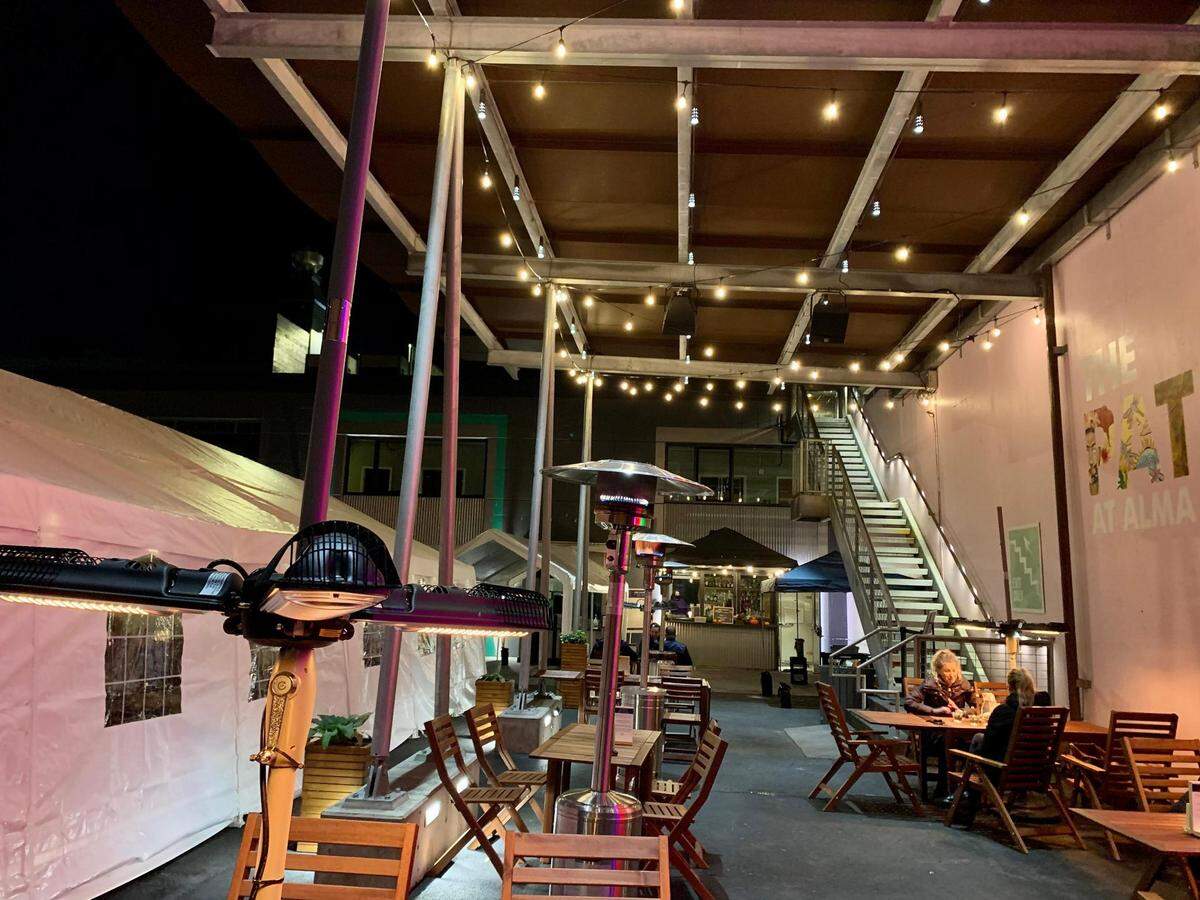
The multifaceted Tacoma venue ALMA, for instance, scrapped its two eateries as the pandemic began, reopening with an outdoor-only restaurant in a sizable courtyard called The Patio. Guests order at the window, get a number to take to their table, and carry their own drinks. Staff delivers food, but you’re expected to bus your own table and return to the window for additional drinks.
Beattie pointed to Climate Pledge Arena in Seattle, where fans buy fried chicken sandwiches and bottles of water from an Amazon Go-style store, as a harbinger of integrated hospitality.
“They’ve taken everything that hospitality has and put it together,” he said. “That’s game-changing for events. This whole touchless trend … we’re not going back on that.”
SMALLER MENUS, HIGHER PRICES
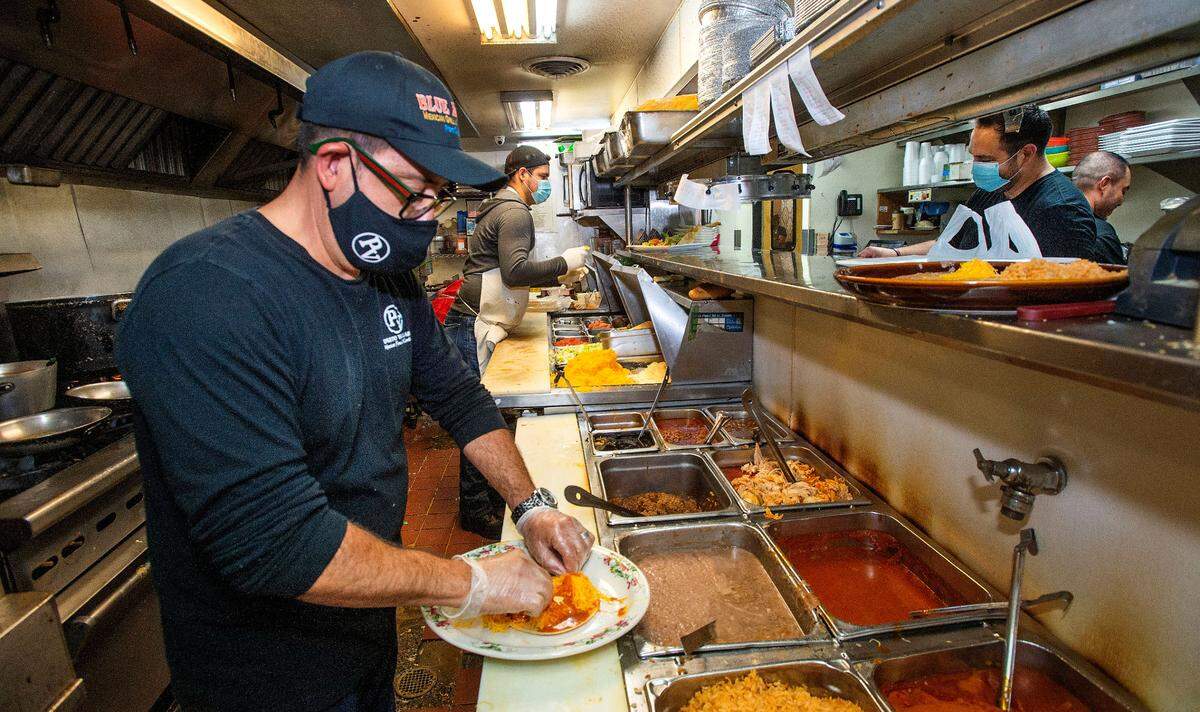
As the pandemic unwound the global nature of the contemporary supply chain, we witnessed the effects on “limited” menus. Restaurants reported rising costs for basics like ground beef and dairy, to simply being unable to find certain items, from pasteurized frozen eggs to hamburger buns.
Schools waded through similar challenges: At Bethel School District in Pierce County, the number of daily entree options fell from six or seven to two or three.
Meanwhile, financial relief packages have run dry while labor costs jumped as workers laid off by the millions in early 2020 found employment in other industries.
Beattie was quick to call out this particular conundrum as an ongoing battle in hospitality: “That’s always been there,” he said. “The more things change, the more they stay the same. We were always struggling to find a good, qualified labor force, and that is going to really drive a lot of business decisions.”
South Sound restaurants have told The News Tribune where they were once operating with five cooks, they make it work now with three or four. Compounded with the constant threat of positive COVID-19 cases among staff, they continue to face daily shortages in their ranks. In December, as the Omicron variant spread rapidly through the region, many restaurants closed due to exposure, from the recently opened Bar Rosa to en Rama, Farm 12, Terry’s Office Tavern, The Parkway, and the list goes on.
Fewer workers and higher costs have translated to shorter hours of operation, with restaurants cutting lunch service, closing earlier or skipping Sundays.
Taken together, Beattie hopes the holistic effect is that restaurant work is no longer viewed as a low-end profession, which has impacted wages and thus prices.
“People are just going to have to get used to paying $17 for a chicken sandwich,” he said. “That’s just the financial math of it.”
TAKEOUT BRINGS THE RESTAURANT EXPERIENCE, INCLUDING COCKTAILS, HOME
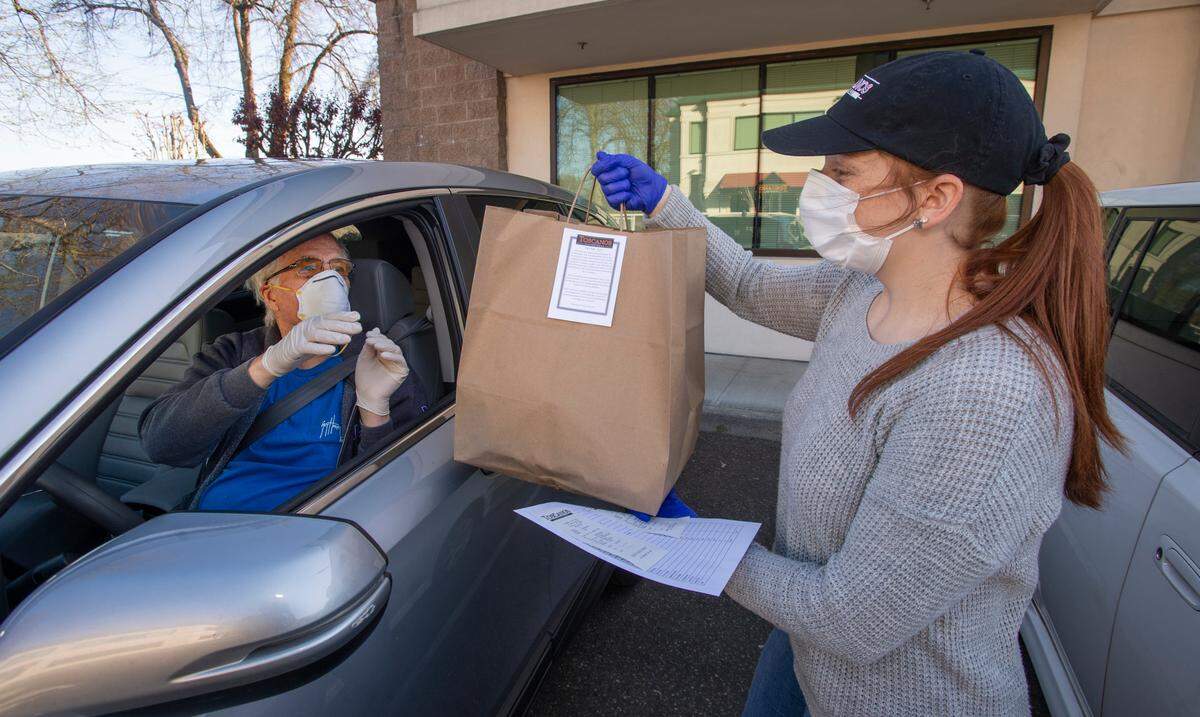
During those dark days without indoor dining, we increasingly turned to takeout, and thoughtful restaurateurs developed creative approaches to transport the experience to our own tables.
Spice Lab at Harmon sold a Peruvian grilled chicken with smashed potatoes and three sauces for $20. Breweries began offering home delivery. Dinner kits replaced cooking on Thanksgiving and Christmas, or simply any Saturday: Tacoma’s Asado, for instance, packed dinner kits that served four people, with duck confit, braised short ribs and roasted broccolini, complete with preparation and reheating instructions. To-go cocktails were legalized in states across the country temporarily, and many, including Oregon and Washington, pursued legislation to make them permanent. From commissary kitchens, we can pick up chicken and waffles, bagels and Filipino food.
“People are bringing the restaurant industry into their homes,” said Beattie. “Those that play to that are going to be successful.”
RETAIL FOODS, PACKAGED GOODS & POP-UPS
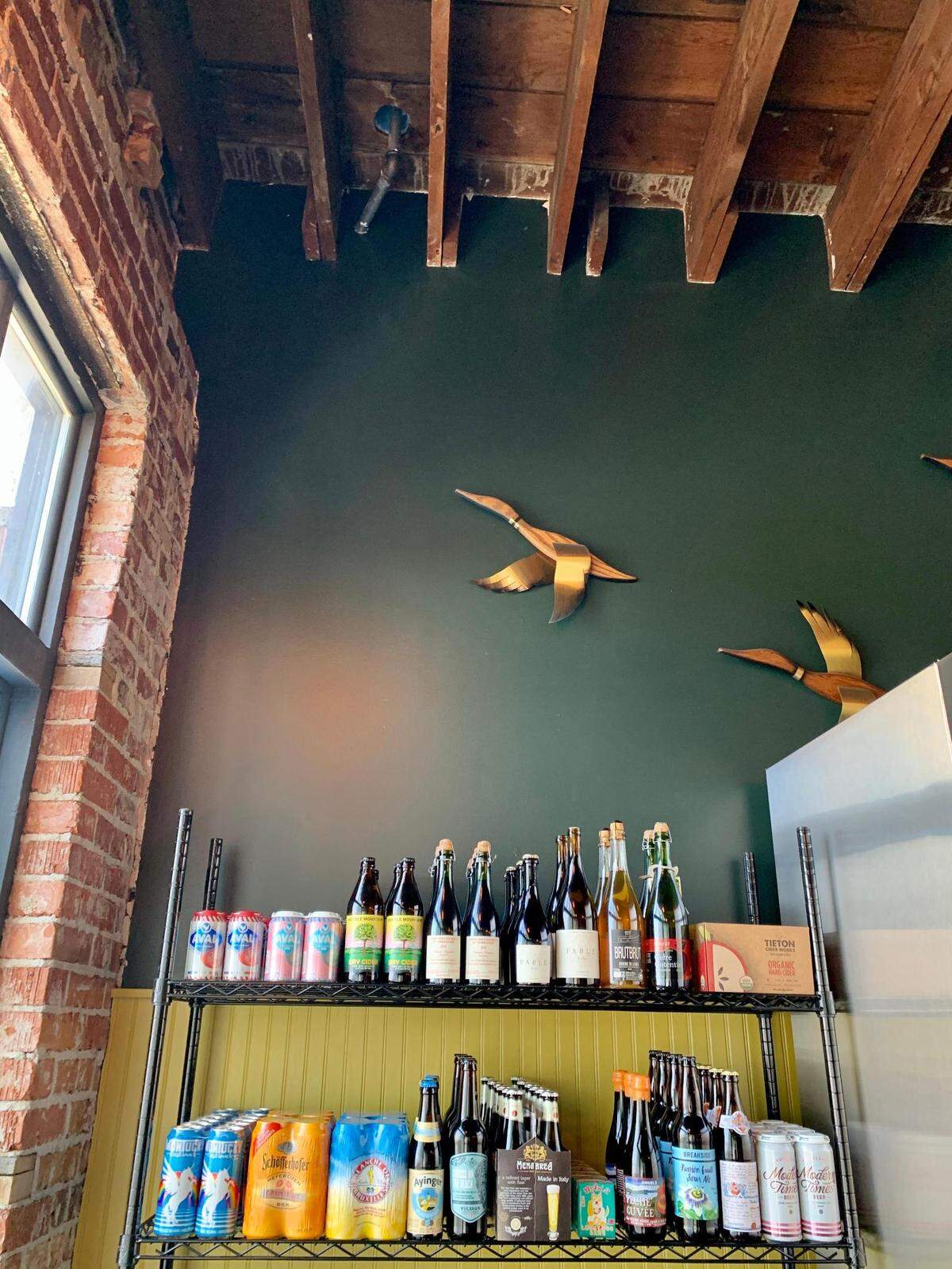
As the straightforward revenue streams froze or diminished to a drip, restaurants scrambled to create new products and services. In addition to meal kits, savvy business owners added retail components. Field Bar, for instance, opened in Summer 2020 as a bottle shop and larder, building a customer base and a wine club while reshaping what the restaurant would look like; today, you can still buy a bottle of delightful natural wine to take home.
Similarly, pop-ups thrived during the pandemic. Weekly events like the Tacoma Sunday Market combined vintage clothing vendors with a malasada maker and a roving pizzeria. The Tacoma Night Market returned with a Sunday brunch edition; Puyallup also welcomed an eclectic night market.
Meanwhile, spirited entrepreneurs connected directly with customers, through Instagram especially, allowing direct-message ordering of ube crinkle cookies and pre-orders of a dozen bagels to be picked up on a designated day in a designated place.
“Our business is resilient,” said Beattie, and the pandemic proved that it is highly capable of transformation. Long-range thinking has already been rewarded, he added.
OUTDOOR DINING ALL THE TIME
When indoor dining shut down just as winter fell upon us, outdoor setups became, like the workers that staffed them, essential. Those that invested in their patios or “streateries” beyond ramshackle cones and fencing have already discovered the public’s appetite for fresh air.
They alter the landscape of a city, and in some cases, smaller towns benefited from the ability to be more adaptable. Beattie referenced McMinnville, a city of 35,000 people in Oregon’s Willamette Valley. On Thursdays, the farmers market closed a downtown street to vehicles, and during the pandemic, it stayed that way through the weekend.
“It just created this kind of festival atmosphere. Of course everyone’s drinking wine,” he laughed. “Here’s a small town that made this a destination opportunity. You park on the outskirts of town and enjoy everything that downtown core has to offer.”
Those kinds of pedestrian-only thoroughfares and year-round outdoor cafes, common in Europe, could sustain the United States, too.
LONG LIVE THE NEIGHBORHOOD RESTAURANT
Perhaps the greatest gift, if there were one, of the tribulations these past two years, is the opportunity to invest in your own backyard. Instead of driving across town, said Beattie, “People rediscovered their neighborhood restaurant. They’re going to walk to their local place, where maybe they had never been.”
You need only look at the incredibly long lists of restaurants that have closed in densely populated major American cities — Chicago, New York, San Francisco, Seattle — to understand that for once, smaller was better. Yes, many, many businesses suffered losses too great to withstand, but in a mid-sized city like Tacoma, Olympia, Puyallup, Bellingham, the ramifications could have been far worse.
“When one door closes,” said Beattie, “another one opens.”
This story was originally published December 30, 2021 at 5:00 AM.