
WA distillery has been secretly aging whiskey for a decade. Barrel #1 is ready
Jennifer and Justin Stiefel have been clandestinely aging whiskey in their Gig Harbor rickhouse since the advent of their company in 2012. They just didn’t tell the rest of us.
Ten years after hauling an Italian still to Gig Harbor, Heritage Distilling Co. has unveiled its first line of single-barrel whiskey — and these are no spring chickens. Bottlings from these barrels will range in age from about four years to nine.
“We didn’t want to push this,” co-founder and CEO Justin Stiefel said this week, a few days before the first barrel’s release, Oct. 29 at the four Heritage tasting rooms in Washington state. “We’ve been testing every year, waiting for the right time to bottle.”
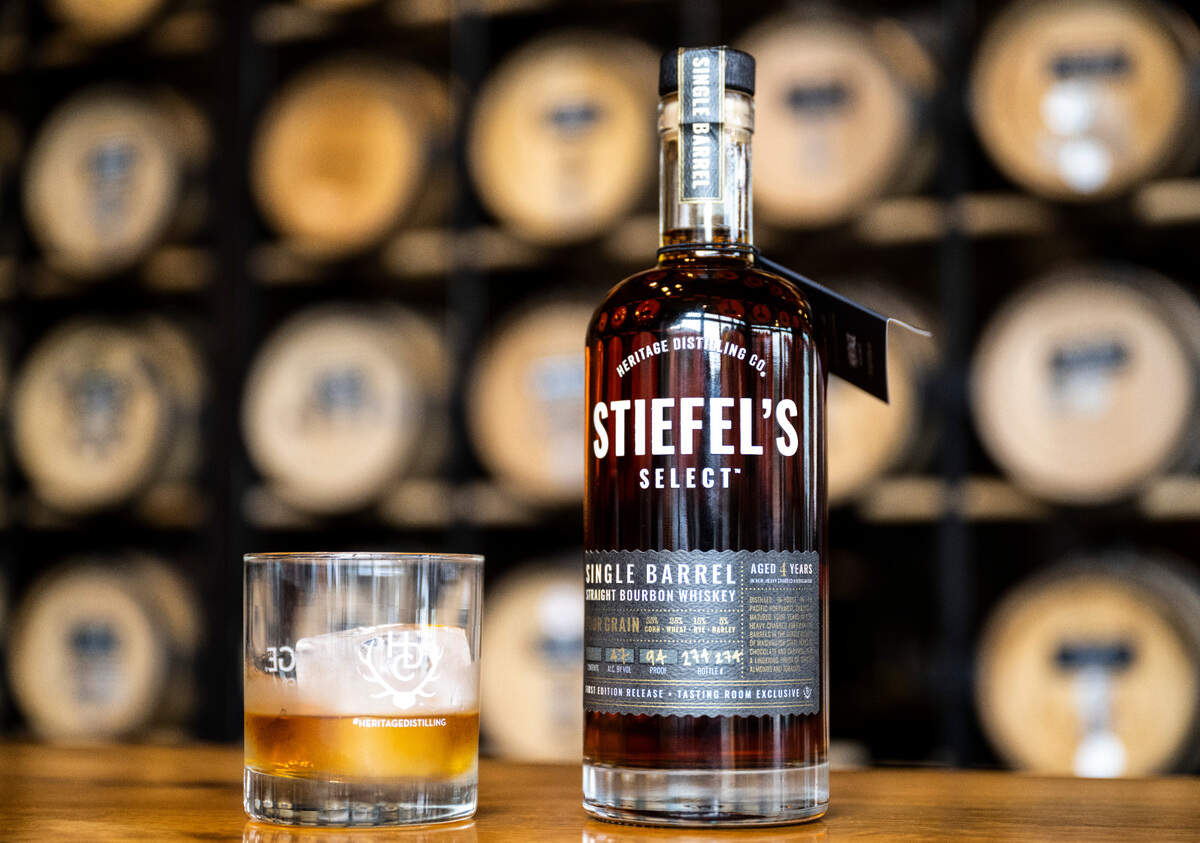
Under the name Stiefel’s Select, the initial release carries four grains grown within the state’s borders. Majority corn — as is required to be labeled as bourbon — the mash bill for this 94-proof debut includes rye from MJW Grain in Ritzville and soft white wheat from Scrupp’s Family Farm in Odessa, whose fourth-generation proprietors the Stiefels met while studying at the University of Idaho.
In addition to that regional sourcing, the couple is eager to show off the flavors of their unusual aging process — for bourbon, anyhow.
By law, American whiskey must be aged in new white American oak barrels. Stiefel’s Select turns that idea up a few clever notches, using oak staves sourced from the Ohio River Valley that are rested “in the elements” in Spain, explained Jennifer Stiefel. (In bourbon barrel speak, “new” translates to “never before held spirits or wine or other manmade liquids.”)
The fibers of the wood break down in the sun and absorb rainwater, which “washes out the green notes” typical of young bourbons and ryes.
This process, added Justin Stiefel, is the Heritage way of making “American whiskey with old-world traditions.”
Their Barison stills from Trento, Italy, where grappa reigns, were designed for brandy, an underappreciated spirit in the United States which will be among future Stiefel’s Select releases.
Some barrels have been waiting for six to nine years.
“The whiskey will tell you when it’s ready, and the whiskey is never wrong,” said Justin Stiefel.
Bourbons awaiting release include more four-grain, wheated (Maker’s Mark and the now-elusive Weller 12-year are big-brand examples with high-wheat mash bills) and high-rye (as in 90 to 95 percent rye with a wisp of malted barley). They also have 100 percent rye and wheat barrels on the docket, as well as single malts.
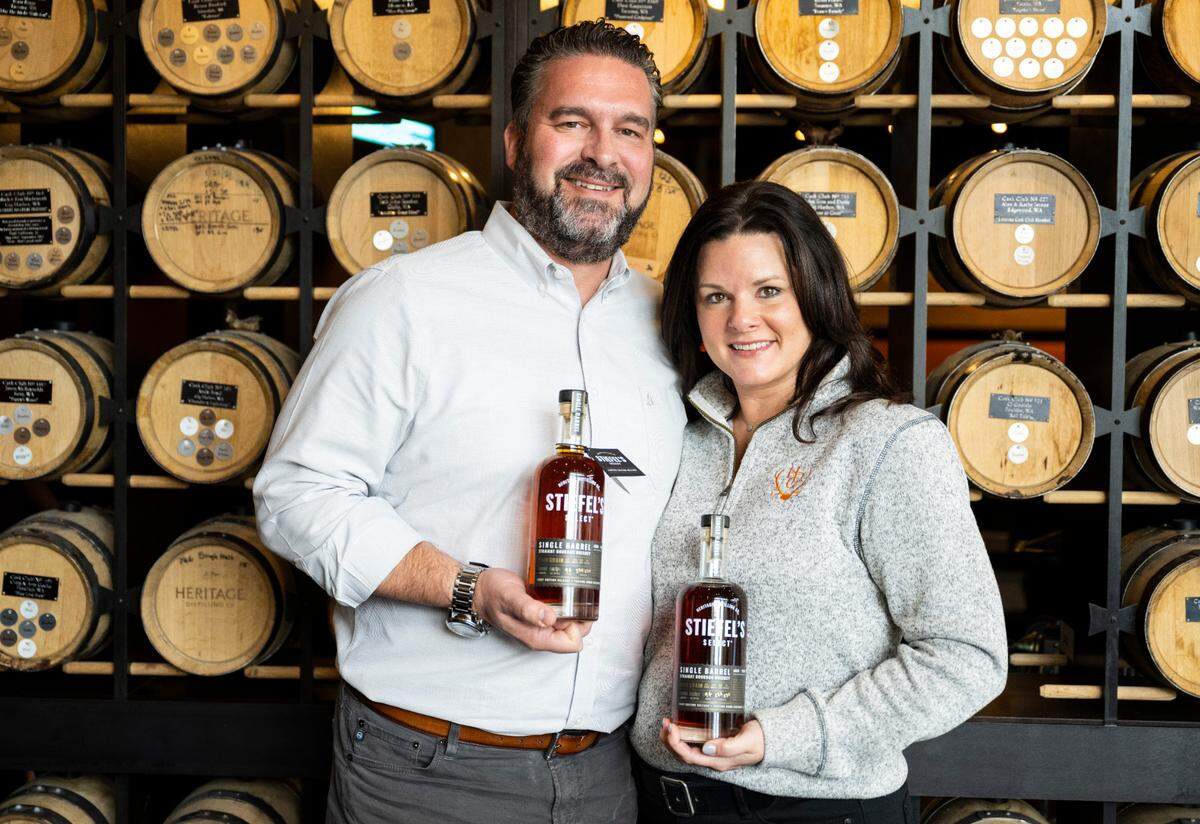
Expect more experimentation, as in a peated bourbon or a chocolate malt whiskey featuring 5 to 10 percent of barley cooked at higher temperatures that lends notes of burnt chocolate to the finished product.
“I’m really excited about that because it’s like Christmas in your mouth,” said Stiefel.
HERITAGE DISTILLING ON 10 YEARS OF CRAFT SPIRITS
The debut of a single-barrel line — of long-aged whiskeys — marks an impressive milestone in the history of this craft distillery, now the largest in Washington state and one of the oldest in the United States.
When Heritage opened in 2012, there were barely 300 small distilleries nationwide. The nascent industry began nipping at the heels of the behemoth spirits business, lobbying for legislative changes at the state and federal level already granted to wineries and breweries.
In Washington, the Stiefels played an integral role in updating any distillery’s default ability to open multiple tasting rooms, to serve other local spirits and to offer full servings — in their case, cocktails, just as a brewery taproom serves pints. Today, Washington distilleries also can ship direct to consumers with in-state addresses, and they can contract barrel-aging space for other local spirits makers.
Nationally, Heritage worked with the Chehalis Tribe to repeal an archaic statute that barred liquor production on Tribal land. Talking Cedar, a full-service restaurant, brewery and distillery complex, opened in Rochester in 2020. The Stiefels also partnered with South Puget Sound Community College on a distillery, tasting room and educational center in Tumwater, which opened last year.
Heritage achieved commercial success through its Brown Sugar Bourbon brand, in which the actor Jamie Foxx bought a majority stake in 2021.
Meanwhile, the number of craft distilleries has surpassed 2,200, according to the Distilled Spirits Council of the U.S. More than 100 of those are in Washington, trailing only California and New York.
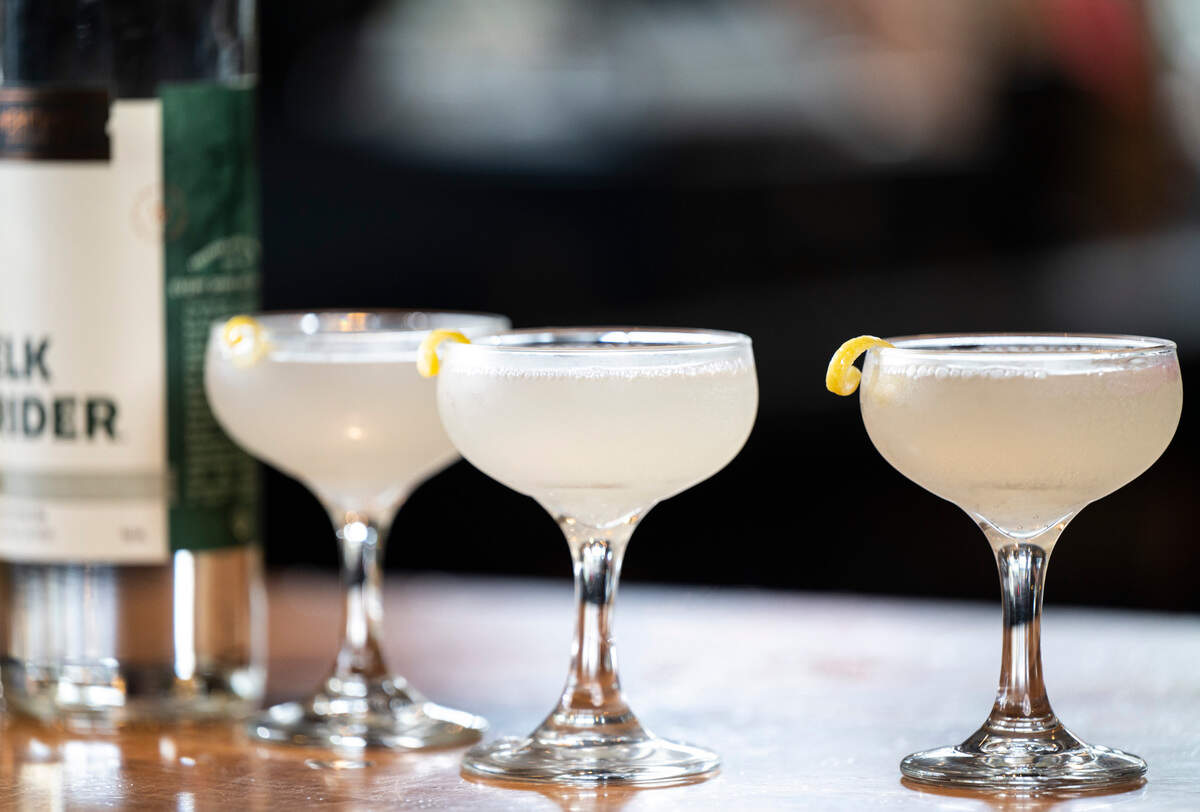
Heritage now produces the Elk Rider and Batch No. 12 lines, as well as its signature lineup of aquavit — in honor of Jennifer Steifel’s Norwegian heritage — and flavored vodkas, ranging from coffee to hibiscus. Recent brand launches include Cocoa Bomb Chocolate Whiskey and Florescense, a grapefruit vodka created in collaboration with Danielle Kartes, a Tacoma-based cookbook author and recipe developer at Rustic Joyful Food.
In another legislative push, Heritage is actively working to address what it sees as unfair taxation on canned cocktails, which it launched last year in flavors like Gin Jam Fizzzz and Peachy Bourbon. Despite being equal in alcohol by volume to a West Coast IPA and lower than fellow packaged newbie, canned wine, they are being taxed in Washington state in the same tier as bottled liquor.
“We want consumers to make purchase choices based on their desire, not taxes,” said Jennifer Stiefel.
HERITAGE DISTILLING CO.
▪ 3118 Harborview Dr., Gig Harbor, 253-300-5179, heritagedistilling.com
▪ Sunday-Wednesday 11 a.m.-7 p.m., Thursday-Saturday 11 a.m.-8 p.m.
▪ Tasting rooms in Tumwater, Ballard and Roslyn, as well as two in Oregon, also open daily
▪ Single barrel releases are very limited, follow instagram.com/heritagedistilling for updates