
The Lakewood restaurant that specializes in a singular Korean soup
The dolsot rolled out of the kitchen and hit the table within minutes of ordering. A cushion of dangmyeon rested beneath the milky-white surface, scattered with scallions and a peek-a-boo of shaved brisket. Its rapid arrival shrouded the 24-hour truth of the opaque broth now bubbling before me.
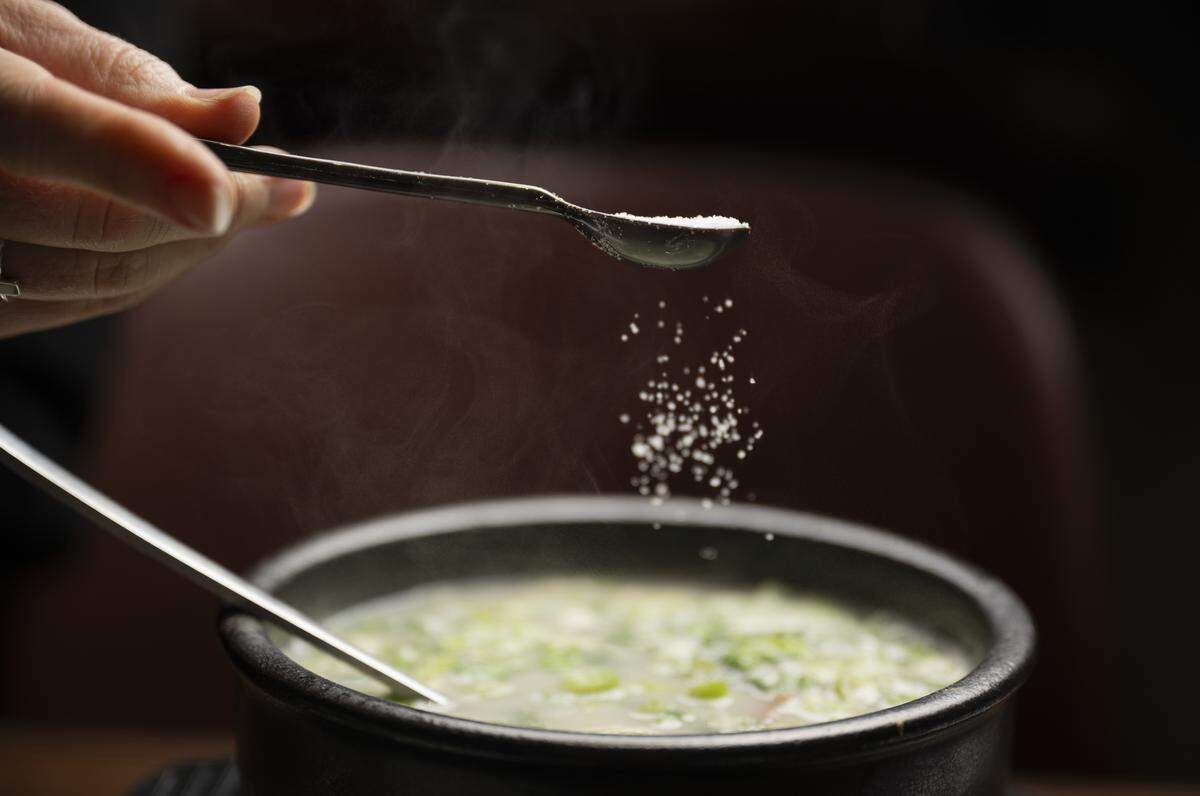
Heeding the instructions on the tabletop ramekin of coarse sea salt, I first tasted the ox-bone soup in all its purity: bones, water, time. Then I shook a modest teaspoon of crystals and slurped another spoonful, giving the liquid space to breathe in the body. I traded off bites of purple-speckled rice with fresh, crunchy cabbage kimchi and kkadugi (daikon radish kimchi), opting to keep each element separate, a choice I later learned not everyone might make. It’s perfectly acceptable to create a sort of congee with your rice, or as your sea-level drops, tip the radish kimchi juice into the bowl.
For more than a decade, the restaurant called Traditional Korean Beef Soup has drawn locals and travelers to a Federal Way shopping plaza for bowls of sseolleongtang (pronounced “sull-lung-tang”), this collagen-soaked cure-all. In 2021, the Yi family purchased it from the second owner and added their surname to the moniker.
Mi and Jin Yi revamped the foundational recipe. It begins with ox bones, special-ordered from Korea, simmered with water, tended about every 30 minutes over the course of 24 hours. The process “extracts all of the nutrients, until it’s cloudy and milky,” explained their daughter, Joanne, the youngest of three children and the one who has expressed the most interest in the family business.
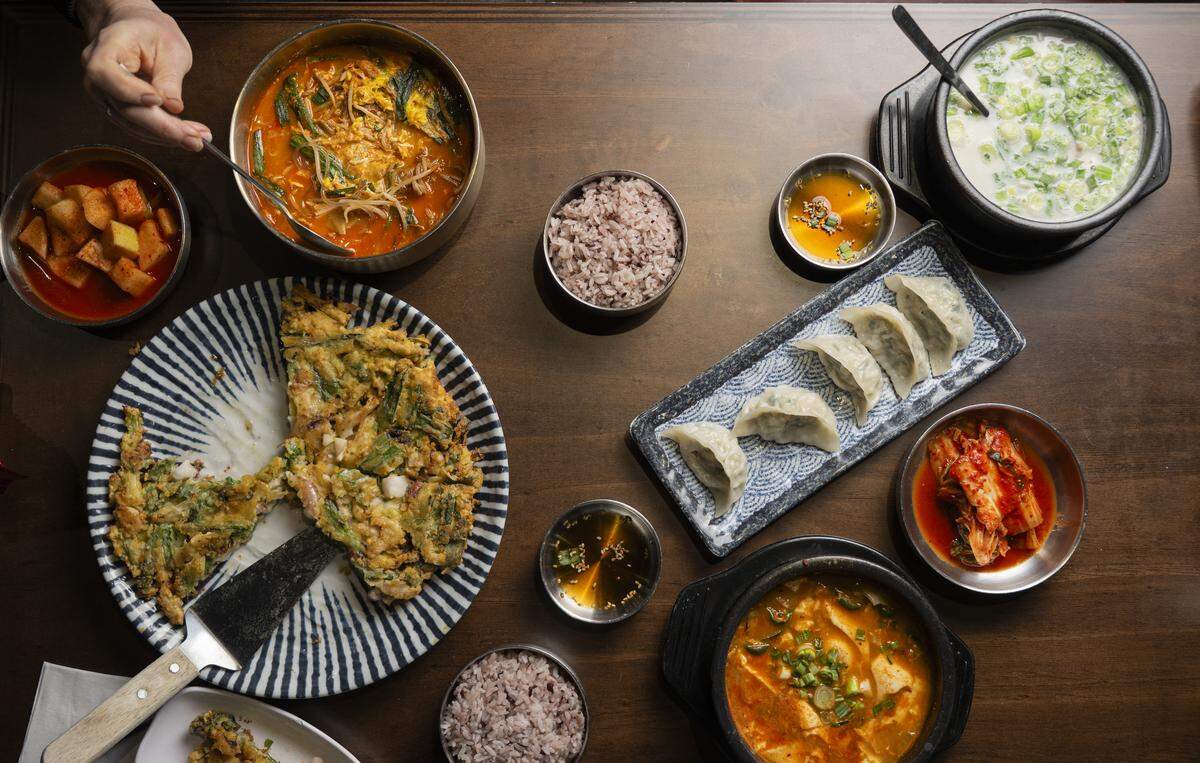
Jin Yi grew interested in the industry as a teenager in Korea, where his father owned restaurants. Then he did for several years before relocating in his 20s to Washington state with his wife. They owned various businesses — gas stations and convenience stores, he said — but restaurants, and the carrying-on of culinary history, always called. The couple also had other restaurants in the Seattle area, prior to buying the Federal Way soup spot five years ago. Their pajeon, the Korean seafood pancake — hot, crispy and bulging with octopus and shrimp — has earned similar recognition and should, if you can fit it, land on every table. The handmade dumplings, too, are lush with pork, tofu, cabbage and scallions.
Yi could barely believe how busy the place was (lines frequently form out the door), how diverse the crowds and how far they traveled for a bowl. Why not bring it to the people?
Yi’s has since opened two locations in Virginia and, just last year, in Lakewood and Las Vegas, each of which the patriarch visits every few weeks. They hope to further expand on the East Coast, he said, if they can find a central kitchen to support the immense broth-building operation to maintain a quality and consistency that might explain why we don’t see more sseolleongtang spots.
24-hour bone broth
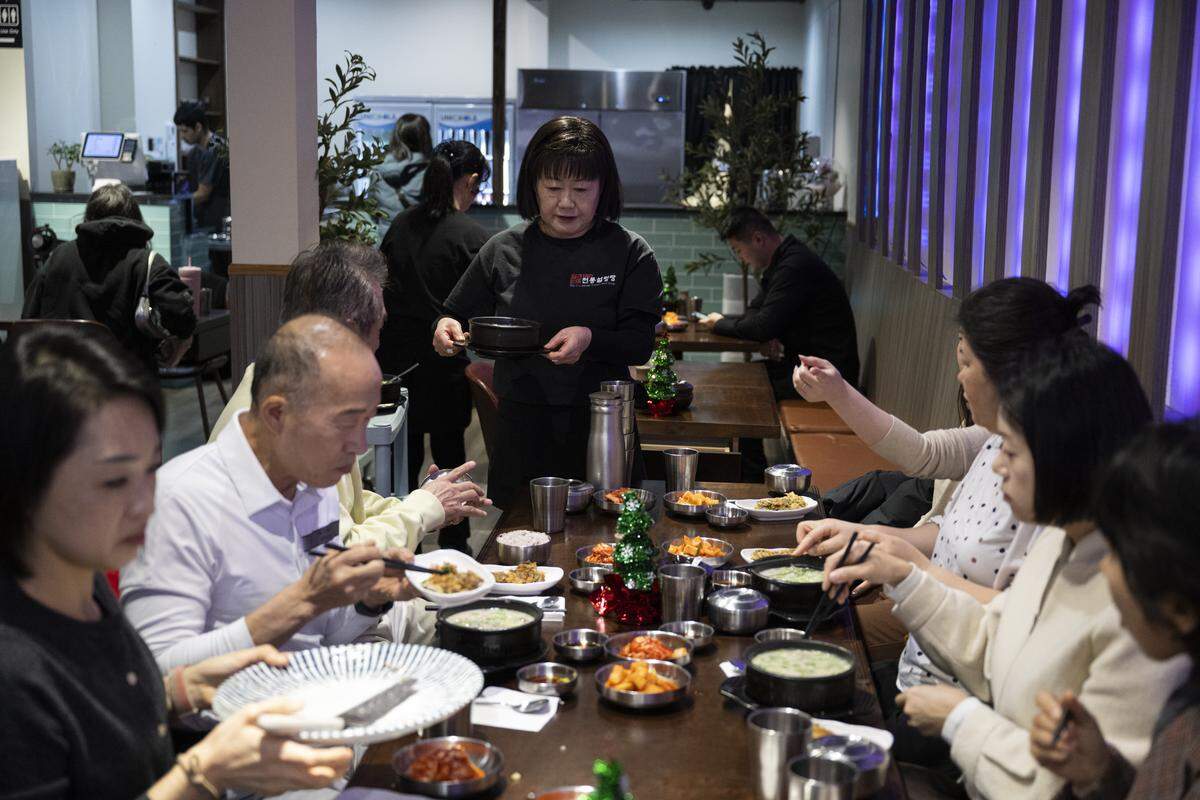
“We call it ‘soul soup,’” he explained in a December interview at the Lakewood restaurant, where two 500-serving metal gamasots (essentially giant soup pots) hold down the kitchen. But, he added, “Soup is not simple.”
Despite a proliferation of Korean restaurants up and down the Interstate 5 corridor in South King County and in Pierce County’s Lakewood — a city with one of the largest Korean immigrant communities on the West Coast — few serve sseolleongtang, and those that do perhaps put less care into the most essential element: the broth.
“Our name is traditional!” exclaimed Yi. “It can’t be any other way.”
Some restaurants, even in Korea, might use a powder or add dairy to the broth to add apparent milkiness, he said. But the traditional way and the confounding texture “comes from the effort you put into it,” added Joanna, and “your attentiveness to the cooking process.” The brisket is definitely the most popular protein, she said, but the more traditional option is the cartilage and tendon.
Sseolleongtang, common for breakfast and lunch, originated in poverty. Koreans did not eat beef as it was a working animal; even as foreigners raised and harvested cattle, desirable cuts of meat were reserved for the wealthy. The rest mustered magic with the bones, soaking up every last ounce of their usefulness. The classic noodle is samyeon, a white wheat noodle, which also stems from colonialism, resulting in an abundance of wheat after the war. As a child, recalled Yi, their school lunches would be checked to ensure they contained more wheat noodles than rice.
At the original restaurant in Federal Way, you can choose between samyeon and dangmyeon, a sweet-potato glass noodle, but the latter has generally been “more popular and culturally accepted,” according to Joanna. In Lakewood and Yi’s other new locations, it’s always dangmyeon.
The noodle, however pleasing, is superfluous to the silken broth. The test of a high-quality version? Gently press your lips together, said Joanna. They should ever so slightly stick, like the aftermath of a lollipop, if it were made of bones.
Given the care they put into the sseolleongtang base, the Yis have incorporated it into their other soups — an untraditional move, they said, but one that lends a velvety mystique to the yukgaejang (spicy beef soup), sagol siraegi haejangguk (“hangover soup” that’s spicy and earthy with dark-green radish leaves and sprouted mung beans), and sundubu (soft tofu soup, here joined by either beef or seafood).
In the samgyetang, sip the pure ox-bone broth with the perk of a whole young chicken miraculously snuggled inside the dolsot, the body stuffed with soft sweet rice, hunks of ginger and water chestnuts. Joanna advised to tear a piece of chicken and dip, delicately, into a little side plate of sea salt and freshly ground black pepper.
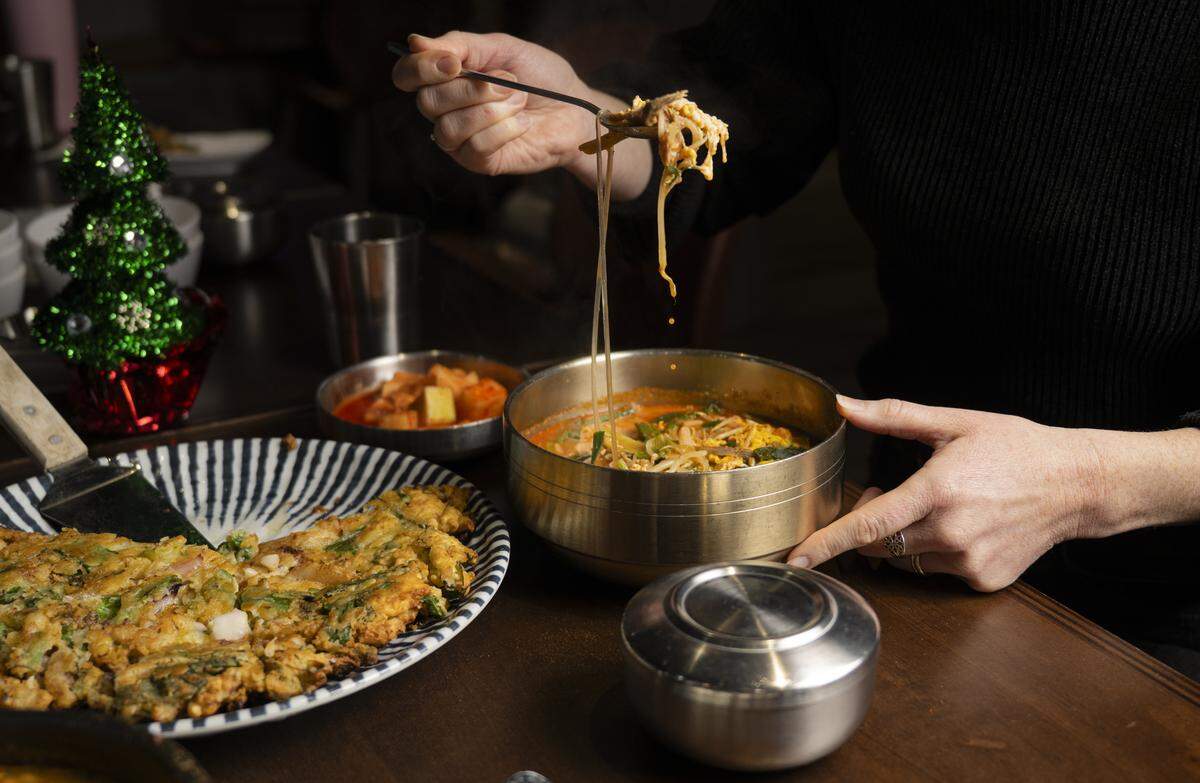
I slurped my sseolleongtang slowly, twirling some noodles here and there, sprinkling a few more flakes of salt into my bowl, until the flavor folded into another world — one free from ills, physical or emotional. Or so it seemed for 60 or so ethereal minutes in the warmth of one of the many wonders of Lakewood.
Yi’s Traditional Korean Beef Soup
- 8797 South Tacoma Way, Lakewood, 253-301-1655, yistraditional.com
- 31248 Pacific Highway S., Federal Way, 253-946-1101
- Daily 8:30 a.m.-9 p.m.
- Details: established Korean restaurant with new Lakewood location, specializing in sseolleongtang and other traditional soups, plus pajeon and handmade dumplings
This story was originally published December 10, 2025 at 5:30 AM.