
From TikTok to Fife, how a local bakery meets demand for viral mousse desserts
At a Ukrainian market in Fife, behind swinging metal doors near the produce section, seven pastry chefs have armed themselves with cauldrons of compote, carefully tempered chocolates, silicone molds, a blast freezer and a butane torch. Their mission: to create hundreds of copies of decadent desserts that are not what they appear.
Straight ahead of the front doors to Emish Market, a tray of nearly-ripe mangos — possibly Hadens, the varietal most often seen in American groceries, usually sourced from Mexico, Ecuador or Peru — rests in the refrigerated pastry case. Their pear neighbors might be Bartletts, with a soft green hue and barely-there pink freckles. The oranges — or are they mandarins? — couldn’t be more round. Mini coconuts have been politely cracked open and mounded with little cubes of fresh pineapple.
The blueberries, strawberries, raspberries and blackberries are, however, comically large, and next to the alleged fruits lay teddy bears in repose, a teeny red heart on their chests.
These trompe l’œil desserts have skyrocketed to culinary stardom in the last two years, cropping up at bakeries across the country. Credit for the contemporary version of the fruity, sometimes nutty impersonators usually goes to French pastry chef Cédric Grolet, whose videos of the multi-step process of whipping mousse, reducing compotes, filling molds, freezing, unmolding, tempering chocolate, dipping and spritzing have been viewed millions of times, not to mention the crowds ogling through the windows of his Parisian pâtisserie in real-time. But the history of sweets that trick the eye (“tromper” is to deceive, “l’œil” is the eye) stretches deep into the 14th century when royal affairs were sprinkled with riches like sugar and spice, chocolate and nuts, and servants toiled day and night in service of the king and queen.
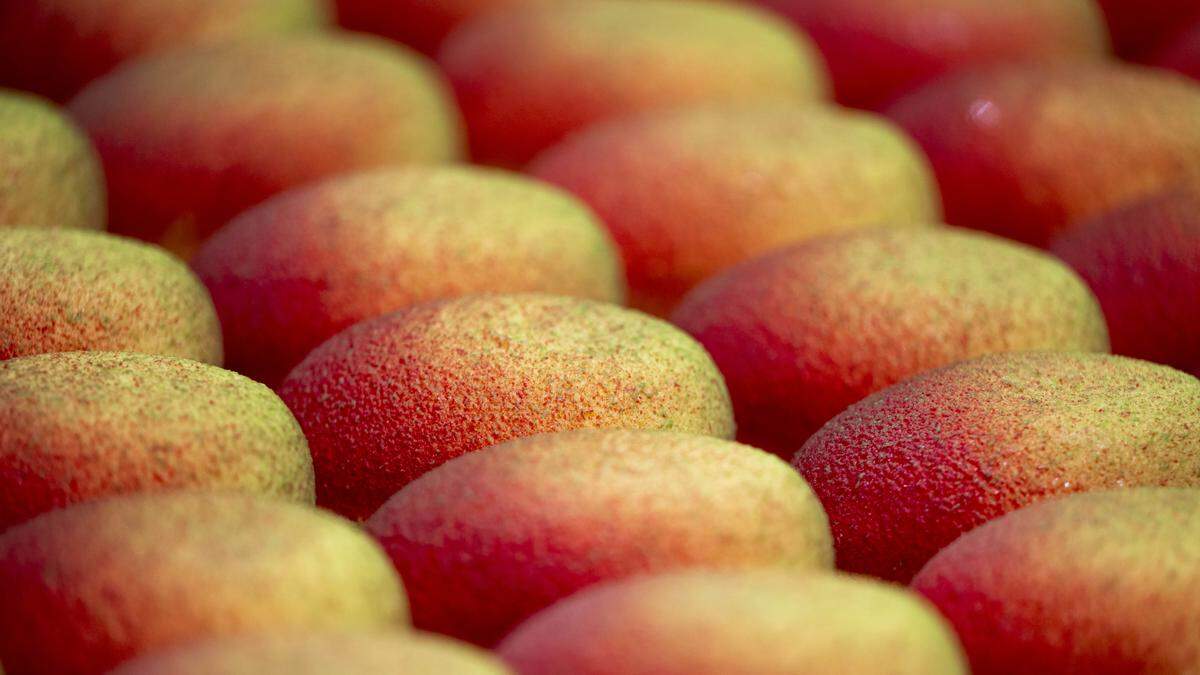
Despite modern techniques and technology, especially silicone, the treats still require several days to create.
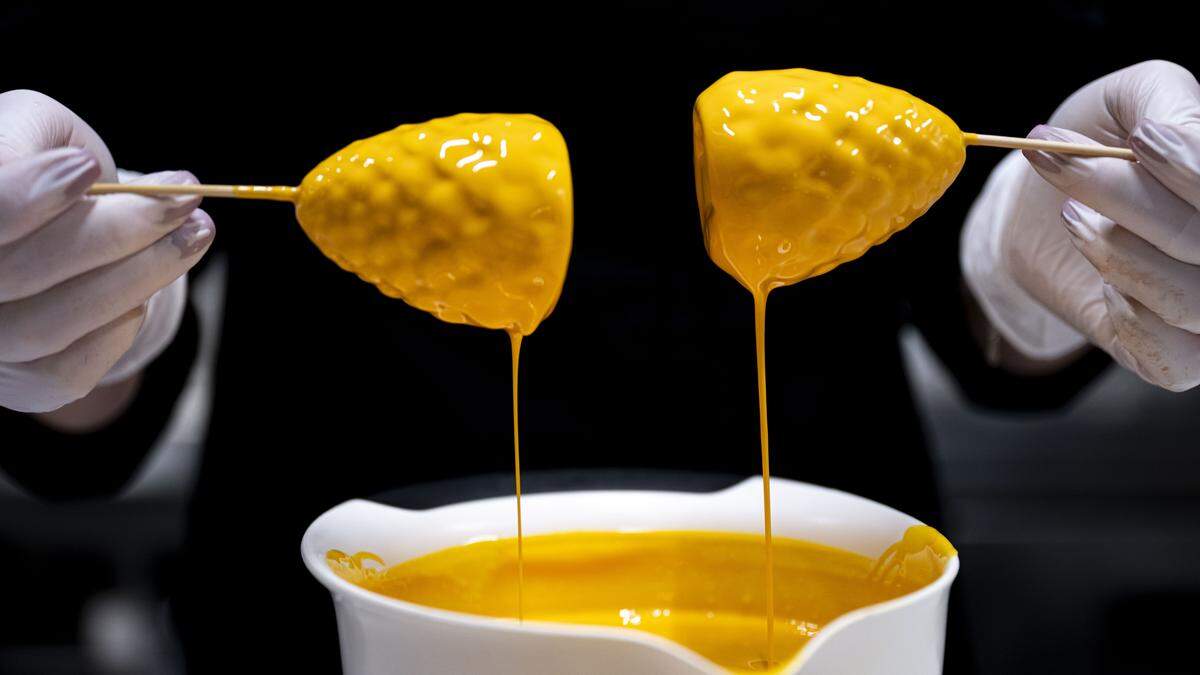
The molds are filled with a delicately sweet, creamy mousse, whipped from cream, eggs, sugar and a thickening agent like gelatin. A scoop of compote (or, in the case of the Emish orange, a juicy pastry cream that harkens to a creamsicle) nestles into the middle. A light shake helps the mousse settle over the sides and top before the molds move to the 1-hour blast freezer and then a standard overnight chill. The next day, Emish’s pastry whisperers slip the frozen mousses from the molds, prick them with a thin wooden stick, dip them — one by one — in a cacao butter and white chocolate liquid. On a pastry-lined prep table, they spritz the chocolate shells with a texturizing layer of more cacao butter, sometimes in different colors. Certain fruits get a dainty chocolate garnish, such as the stem of a pear or leaves of a strawberry. The pineapple accepts a small rosemary sprig.
The process takes two to three days. Emish now makes so many — upwards of 600 daily, more on weekends — that they have three shifts of chefs dedicated to four fruits each. The team that starts the mangos and pineapples in the late afternoon, for instance, returns the following day to dip and garnish before they’re ready to sell on Day 3.
The mango, whose fruity interior joins passionfruit for color, remains the most popular, followed by the pineapple. I especially love the pear, whose mousse is dotted with vanilla bean and the interior fruit gently spiced with cinnamon, and the blueberry, which is vibrant and dense.
Heavier (by weight but not sensation) than they look, they are admittedly awkward to eat, as the thin chocolate shell cracks under pressure. Hold in your hand and nosh like you’re taking a honk out of the real thing, or be polite and slice with a knife and scoop with a spoon.
How trompe l’œil desserts came to Fife
Emish, the only grocery store within Fife’s city limits, might seem like an unexpected source for a dessert that has compelled curious customers from Europe to North America to wait in long lines and pay upwards of $20 for a single piece.
Since opening in 2021, though, the store has become a magnet for families with Eastern European heritage — and me, whose Polish blood must run strong. The shelves are cleanly stocked with dry and fresh goods imported from Ukraine, Romania, Bulgaria, Slovakia, Poland and Lithuania. The cafe serves coffee, breakfast, lunch and dinner, from bowls of borscht and plates of pierogies to crepes and sandwiches. The bakery overflows with loaves of rye and buckwheat loaves, walnut cookies with caramel and multi-layered honey cakes.
Now, Emish appears to be the only place to find trompe l’œil desserts in the South Sound, and theirs are detailed in a way that feels ... organic. They avoid glossy, mirror glazes and cartoonish interpretations. People have noticed since they began making mangoes last August.
General manager Olena Murphy asked her staff if they might try their hand at the life-like fruit desserts she saw parading across TikTok and Instagram, often consumed straight from the box in a food influencer’s car. She even traveled to Paris in search of the optimal, fruit-shaped silicone molds, recalled Leonora Stepanova, who spoke to The News Tribune with translation support from Evelyn Gapon, the daughter of Emish co-owner Vladimir Gapon.
“Everybody likes something special,” continued Stepanova. “We’re trying to keep up with the trends. It all started with the mango, and they started making more fruits, so we started making more fruits.”
Within months, virality pulled the pastry battalion into a 24/7 formation.
“We had bakers overnight making them, and then they would sell out by noon,” said Stepanova. “By October, we were struggling to meet the demand of the people.”
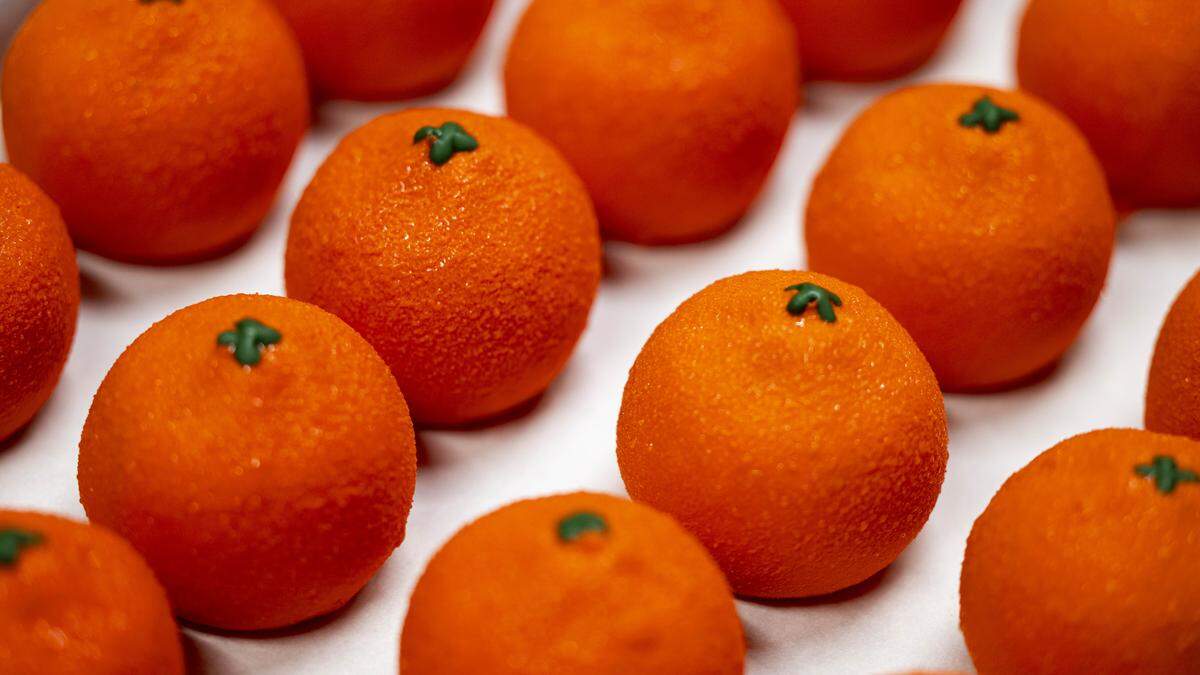
In a humorous Instagram post, they shared that the reception had exceeded their expectations.
“In connection with this, we have encountered a problem: the desserts instantly disappear from the display, typically within an hour of being put out ... We always say: it’s not that we are «greedy» and bake too little, it’s that you are so active!”
Their embrace of the mousse desserts is driven by the same ethos that permeates Emish, which means to explore, to hold onto an inquisitive nature in pursuit of the extraordinary. As Gapon’s father told me as they were opening the store, they wanted to build a place where families — from anywhere and everywhere — could find “fresh, wholesome and affordable” goods. The trompe l’œil are thus $9.99 each, a bargain compared to the $14-and-up price tags at other bakeries that have jumped on the trend. Locally, a still-short list includes Ladun Treats in Everett, Pinoyshki in Seattle and Fruitique by N, a pre-order-only operation in Woodinville.
I couldn’t quite glean how intensely the chefs at Emish might have studied to achieve their new mission, but the talent seems innate. Natalia Akhilhova, who leads the afternoon shift, told The News Tribune with a wry smile that she had learned much of what she needed to know “a long time ago” studying pastry in Ukraine.
As she dipped frozen pineapples into a bowl of white chocolate dyed banana-yellow, her colleague Karyna Kavalova meticulously stirred a large pot of passionfruit and mango on an induction burner.
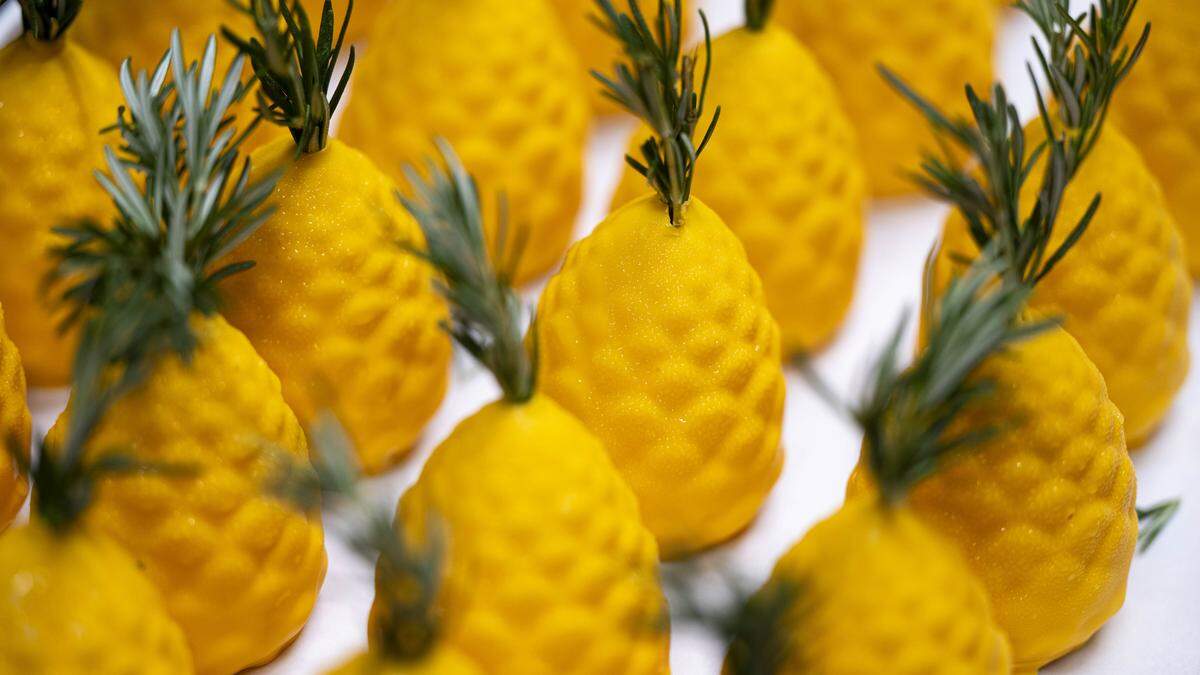
They and their colleagues on the overnight and morning shifts do the same to fill the case from top-to-bottom every day with a dozen different trompe l’œil treats.
In the before times, the market sourced about half of the pastry case from the outside world, said Stepanova. As sweet-seekers from as far as Oregon learned of the market’s mousse desserts, it’s now 100% Emish.
Emish Market
- 2040 70th Ave. E., Fife, 253-262-6070, emishmarket.com
- Daily 6 a.m.-midnight
- Dessert Details: trompe l’œil ($9.99 each) available daily, but weekends are busiest; visit early on a weekday for best selection
- Seasonal options vary; current selection includes a heart with strawberry filling
- No holds — first-come, first-served; large pre-orders available with advance notice and payment, call or visit for details