
Got a pesky landscape problem? A shrub in a tub can probably solve it
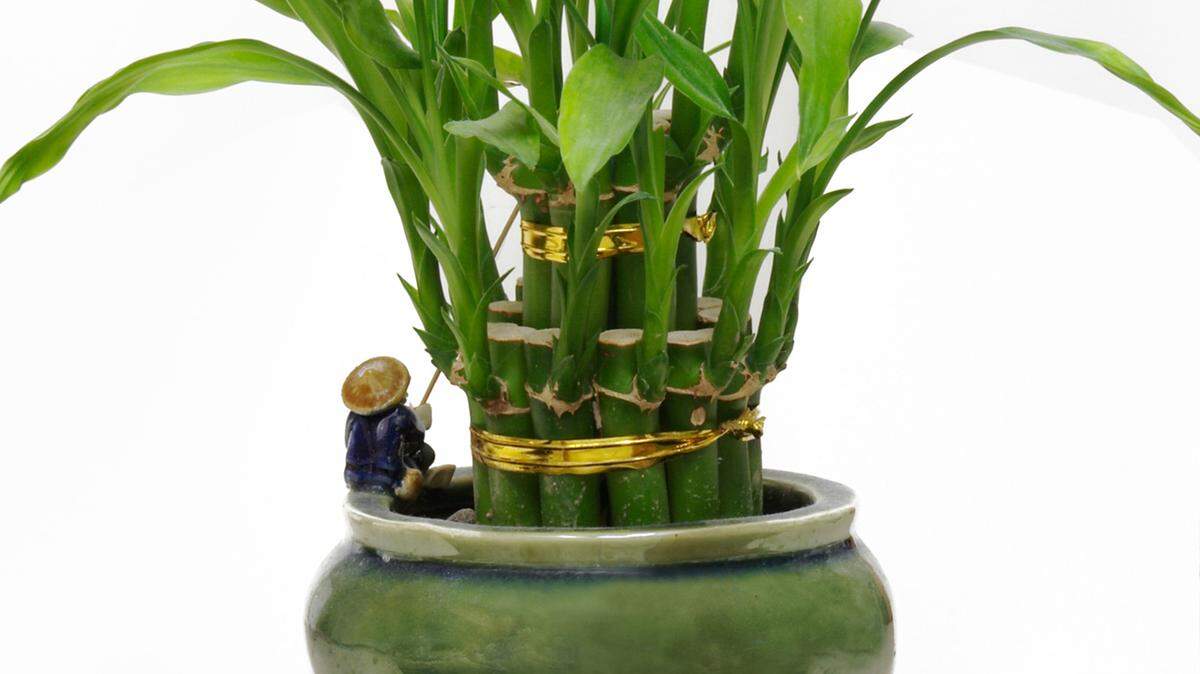
Fall is a good time of year to add some shrubs in tubs.
This simple idea consists of planting hardy, woody shrubs into large containers or tubs to solve a tubful of outdoor living and landscape problems.
Hardy shrubs in large containers take less fertilizer and water than the hungry, thirsty annuals or perennials that are usually added to container gardens. Plus many types of shrubs and small trees can survive for many years in the same container.
Basic growing rules apply: Tubs must have good drainage, use potting soil and do not let the roots dry out.
A slow-release plant food in the spring is all the fertilizer you need for potted shrubs. Slow growth is preferred so that the shrub can stay in the same container for five to seven years … sometimes longer.
Problem: We need privacy on our deck or patio from nearby neighbors.
Solution: Line up a row of pyramidalis arborvitae shrubs at the edge of your outdoor living space. Because the shrubs are in tubs they can sit on the edge of the sitting area and you won’t need to dig any holes.
Problem: We need to define our front entry. The front door is hard to find or just doesn’t stand out.
Solution: Plant the formal looking dwarf Alberta spruce into a pair of stellar containers and then flank the front door. The classic shape of an urn works well for a traditional home or use weatherproof ceramic containers in an accent color to add some zip to a contemporary front entry.
Want to really update an old entry? Chose the sleek and modern lines of a tall, metal or black container.
Shopping tip: You can find industrial-looking, very contemporary containers made from galvanized metal with a self- watering feature online at www.gardenerssupply.com
Sidebar: Everything looks better in a turquoise pot. This little secret of the nursery industry means that whatever plant you place in a teal, blue or turquoise container is going to look upscale and upgraded.
Problem: We have big, low windows, narrow beds and a tiny front yard.
Solution: Beautify a tiny front yard with boxwood in pots.
The Green Mountain boxwood grows slowly to five feet while the Green Velvet is more rounded and stays under four feet. Both can be clipped into cones or balls and survive below-zero temperatures. The common boxwood, Korean boxwood and English boxwood can be found at area nurseries and thrive in our climate.
When you display boxwood in containers you can give a space year-long structure that won’t block windows and pathways. Depending on the style of container and how you prune your boxwood, you can add whimsy, a formal look or a designer touch to a compact space.
Dwarf boxwood can also be used in window boxes, or in smaller containers to adorn patios and decks.
Problem: We have tree roots everywhere. Our clay soil drains poorly so plants die. I can’t dig a hole for new plants because of too many rocks and tree roots and not enough muscle.
Solution: Pair up a focal point shrub with a tub and take your landscape from boring to beautiful.
The contorted filbert and the Japanese maple are two specimen plants that draw the eye to accent a blank wall or empty space beneath large trees. Both will survive for years in large containers.
Allow plenty of open space around your potted maple or contorted filbert to really show off the graceful lines of these specimens. In the shade beneath trees or on the east of north side of the house, use a camellia shrub in a tub to dress up the space. Camellias are hardy evergreens that bloom in the shade.
Sidebar for lazy gardeners: If you do not want to buy potting soil and do the work of transplanting a shrub into a tub, then visit the nursery and look for a shrub already growing in a 10- or 15-gallon plastic nursery pot.
Pick a decorative pot large enough for the nursery pot to plop right inside. You can hide the rim of the nursery pot with a mulch of bark, wine corks or flat stones. Just make sure the water drains from both pots and that you water during dry spells.