
From blight to bugs, here are answers to some common September worries in NW gardens
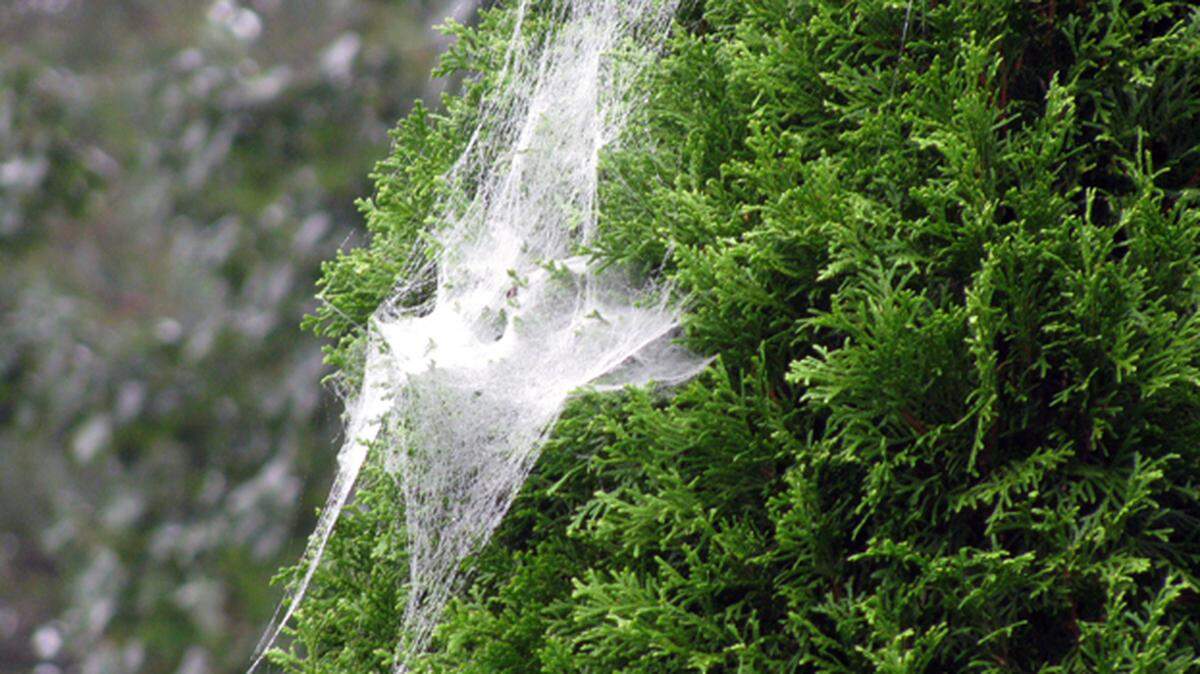
The start of the autumn garden season begins as nights grow cooler, and days become shorter and this is also when late summer and fall garden problems start to sprout. From late blights on tomatoes to funnel webs on hydrangeas, here are answers to some common September worries in Northwest Gardens.
Q. I am finding funnel-shaped webs on some of my shrubs! Please tell me what to spray to stop this. — R., Olympia
A. No worries, no problem. It is the start of fall, and you are simply seeing spider webs. In Western Washington some spiders make funnel-shaped webs that catch insects but do not damage plants. Spiders in the garden are considered beneficial insects.
Q. My tomato plants were doing well and then the foliage began to have gray spots and some of the fruit is starting to rot before it ripens. Please help. — J.H. Tacoma
A. Ahh, the heart break of late summer tomato blight is returning to panic tomato, potato and pepper growers. This fungal infection shows up after warm, humid weather and so our late August filled with muggy days spawned plenty of fungus among us. There is some hope. If you cut off the spotted leaves as soon as you notice any dark or gray spots, you may be able to stop the spread of late blight. The reality is that once the disease has spread to the fruit or blackened the stem of the infected plant, there is nothing left to do except to uproot the plant before it can infect your entire crop.
Tips for dealing with late blight
Cut off, do not tear off, infected leaves. Dip your pruners into a 10% bleach solution to kill any disease spores that could spread to other plants the next time you use the pruners. Place infected leaves or the entire infected plant into a plastic bag and send it out with the garbage. Do not compost diseased plant material.
Tips for preventing late blight
Space out your tomato or pepper plants so they get good air circulation. Try not to wet the foliage when you water. And choose disease resistant tomato varieties such as Legend and Juliet if you have suffered with blight before.
Can you plant in the same area next year?
The answer is no. The blight will be waiting in the soil to reinfect host plants for the next three to five years. This means you cannot plant tomatoes, potatoes, eggplant or peppers in the blight-infected area.
The good news: Peas, beans and leafy greens are resistant to the late blight so rotate your crops.
One more tip: Any fungal disease — from leaf blight on hellebores, blackspot on roses to rust spots on hydrangeas — can be controlled with a fresh mulch. Once the infected plant is removed or the damaged leaves snipped from the plant, adding a blanket of wood chips or bark, grass clippings or compost on top of the soil will seal in the fungal spores and prevent them from reinfecting the plants due to rain or water splashing up from the soil.
Marianne Binetti has a degree in horticulture from Washington State University and is the author of several books. Reach her at binettigarden.com.
This story was originally published September 6, 2025 at 5:00 AM with the headline "From blight to bugs, here are answers to some common September worries in NW gardens."