
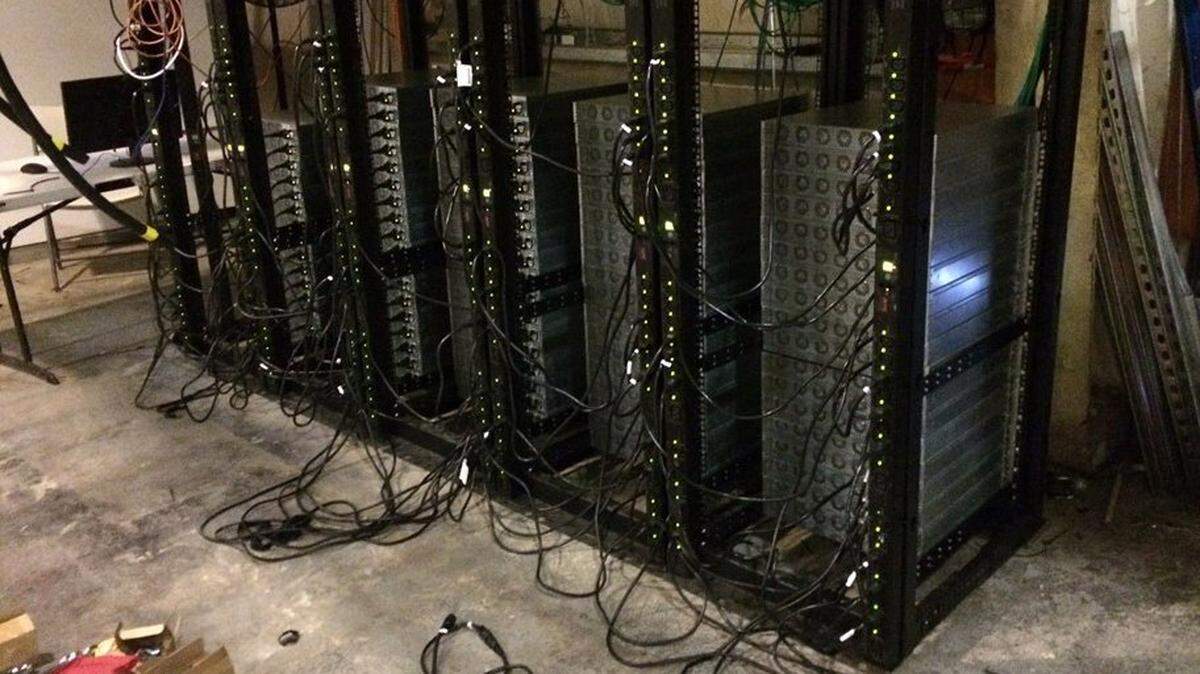
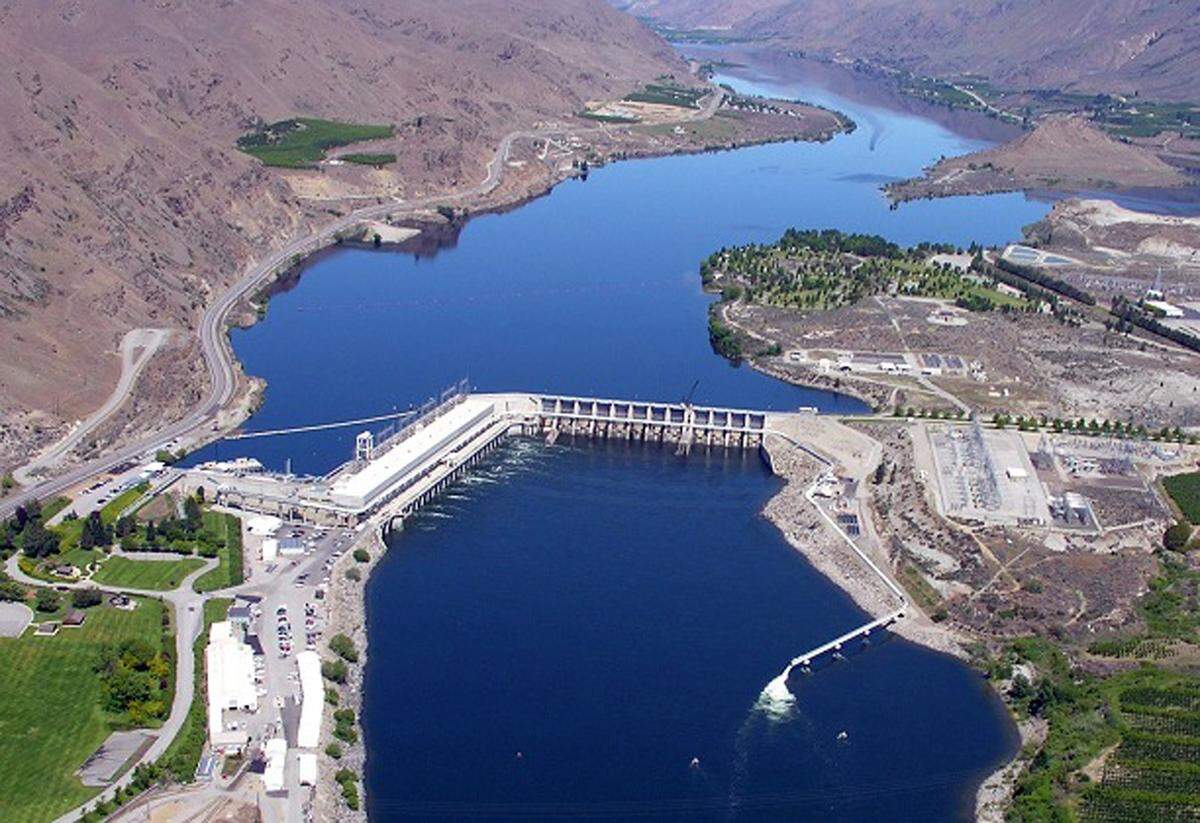
Those bargain rates are possible largely because the Basin’s five dams generate around six times what the region can use locally. Much of the surplus is exported, at premium prices, to outside buyers such as Puget Sound Energy, and those outside sales subsidize local rates.
But if the utilities are selling more of their power to local Bitcoin miners, they’re exporting less power at those premium prices, which makes it harder to keep local rates low. Further, because much of the surplus is currently committed in long-term contracts, supplying miners with all the megawatts they want might require the utilities do something virtually unprecedented: buy power on the open market, at prices far above what locals have come to expect.
Add to this the many millions of dollars the utilities would need to invest in new substations, transmission lines, and other infrastructure, and suddenly, it becomes conceivable that this new industry might signal the end to decades of cheap power.
Jim Renna, a local contractor and businessman, told the commission that the big fear among locals is the utility will soon be “subsidizing [miners] by us having higher rates.”
These aren’t new concerns. The three PUDs have been experimenting with policies that force miners to shoulder these extra costs and risks, while insulating ratepayers and the utilities themselves. Chelan County, for example, created a special rate for miners and other so-called “high density loads,” or HDLs, back in 2015, that was effectively twice the residential rate.
Douglas County, meanwhile, began requiring miners to pay up front for any new infrastructure. Grant County PUD is establishing special rates applied to companies “whose primary revenue stream is evolving and unproven” and whose product is “vulnerable to extreme value fluctuations.”
The utilities are attempting to strike a delicate balance. By creating policies that reflect the full costs and risks of cryptocurrency mining, the utilities believe they can protect regular ratepayers while weeding out prospective miners who are unable or unwilling to make a long-term commitment to the Basin — and whose power requests are swamping utilities’ normal operations.
As Wright put it, by the end of the moratorium, the utility expects to be able to tell miners exactly what it will cost to mine in Chelan County. If miners can accept those terms, Wright says, the PUD will move forward with investments needed to handle crypto-mining’s much larger next phase. But, says Wright, “if it’s not of interest, then we can stop and go back to doing our day jobs.”
How the three utilities decide to treat this new industry will have impacts that go well beyond the Mid-Columbia Basin. Prospective miners elsewhere will be tracking the decisions intently to see whether the Basin is still worth coming to, or whether they should go instead to other cheap-power places, such as Iceland or Quebec.
And, in all likelihood, utility officials in those cheap power regions will be paying attention, too. Even now, Wright says, County PUD’s staff receive calls from their counterparts in communities where mining is just getting started and where there is little certainty about how to manage the boom. “So we are getting a chance here to break new ground,” says Wright.
That’s one way to put it. Or as Cashmere resident Jeanne Poirier aptly observed at May’s hearing, “the world is probably watching this situation in our little tiny county.”