Here is how Lakewood Towne Center apartment plans fared in hearing examiner decision
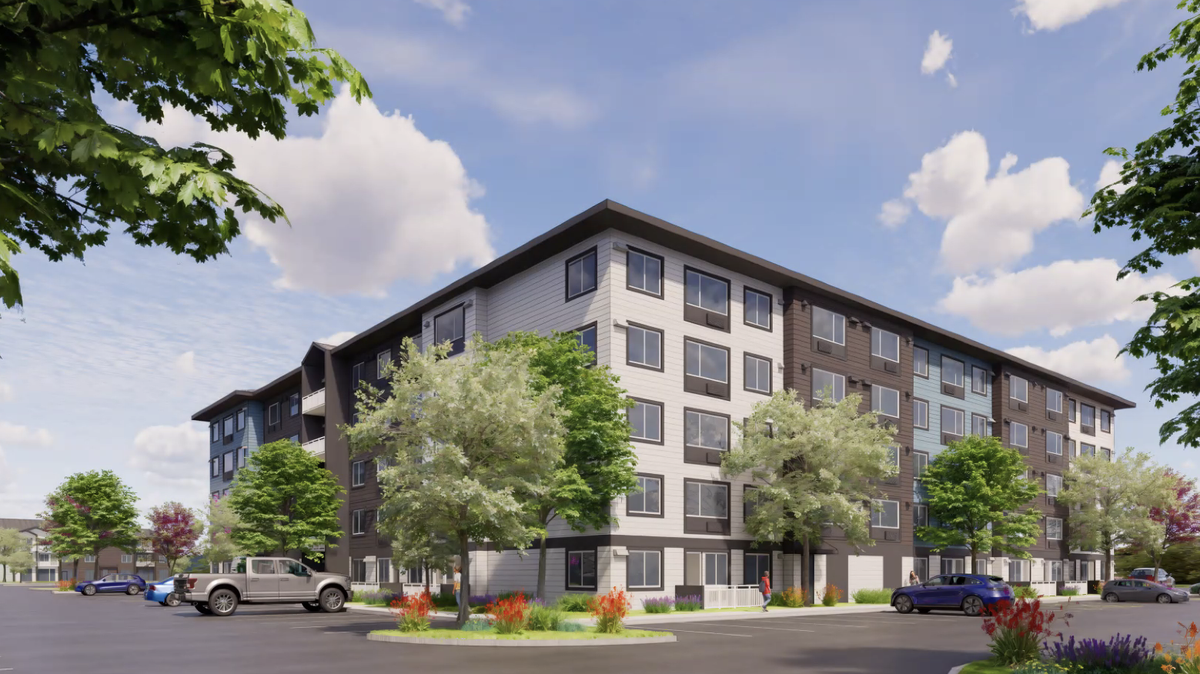
The proposed development of Lakewood Towne Center Apartments will be allowed to proceed in the permitting process but with conditions.
That’s according to the decision issued this month by Lakewood hearing examiner pro tem Stephanie Marshall.
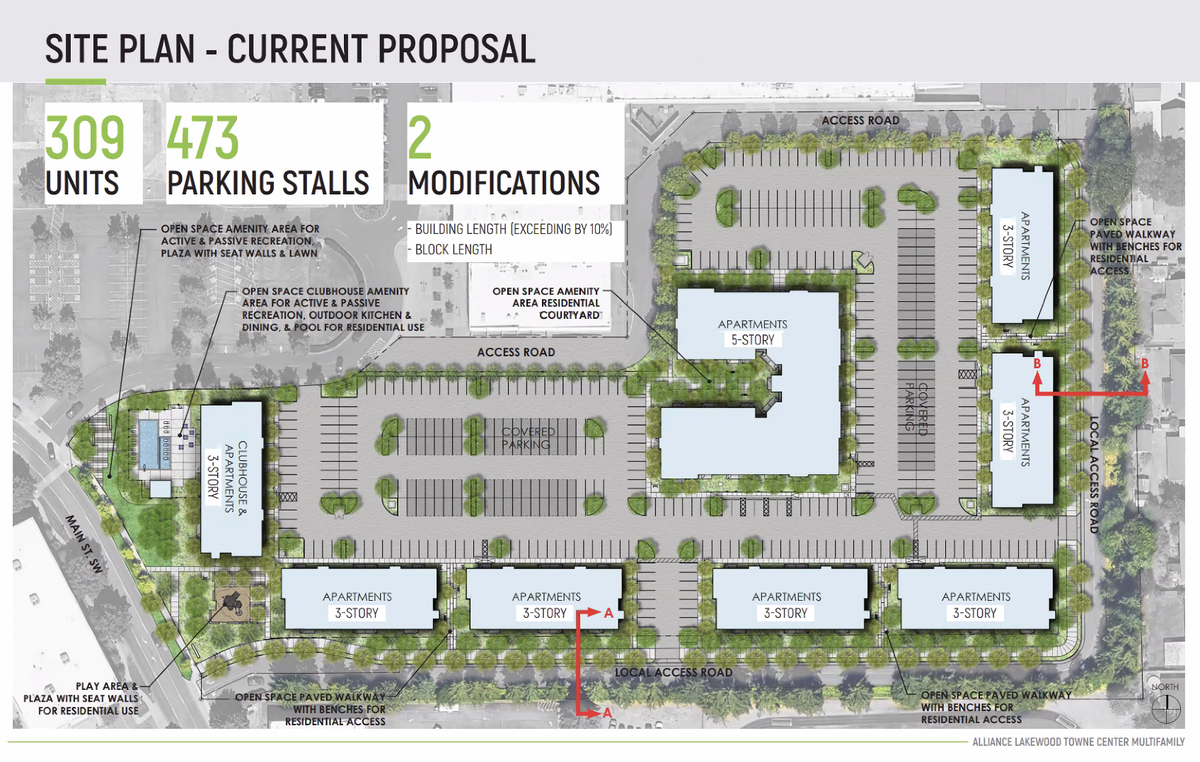
The project proposes 309 units across multiple buildings and 473 parking stalls on what’s now a paved vacant lot. The development would require the demolition/relocation of the Barnes & Noble bookstore at Lakewood Towne Center.
The project includes one five-story apartment building and seven three-story apartment buildings, along with open space and community amenities (pool, playground and clubhouse, and EV charging stations).
The developer, Alliance Residential of Seattle, has not made public an estimated construction cost of the project. A representative for Alliance did not respond to questions from The News Tribune on Monday regarding the cost and timeline for completion.
A public hearing on the project was held in January.
Marshall approved the master planned development permit, while noting, “Substantial public opposition to the application has been expressed in writing and via public testimony with concerns over traffic impacts, parking, impacts to the Ponce de Leon Creek/aquifer recharge area, water pollution/impacts to salmon habitat, flooding, inadequate infrastructure, overcrowding, loss of character/change to the neighborhood ..., “ among other items, with more than 155 written comments submitted by the public.
The approval came with conditions tied to traffic, environmental effects and infrastructure. Those include a traffic-impact fee to offset the project’s effect on the local road network; stormwater management that includes infiltration trenches, permeable pavement and on-site water-treatment systems to improve drainage/water quality; and landscape buffers/tree retention, maintaining 91 existing trees and adding more than 280 new ones.
The approval allows one building to exceed the maximum allowed length by 10%, and “mid-block pedestrian connections will be modified to improve landscaping and safety,” according to the city.
Marshall wrote in the decision, “Elements of the project are specifically designed to provide a transition from nearby single-family residential homes, facades of proposed buildings are modulated, additional landscape screening will be installed and parking has been designed at the center of the project, screened from views from the surrounding streets.”
Beyond the approved master-planned permit, the project requires a site-development permit, building permit and final stormwater-management approvals.
The full decision and issues addressed have been posted by the city online.