Three more COVID-19 cases at Tacoma homeless shelter; vulnerable moved to downtown hotel
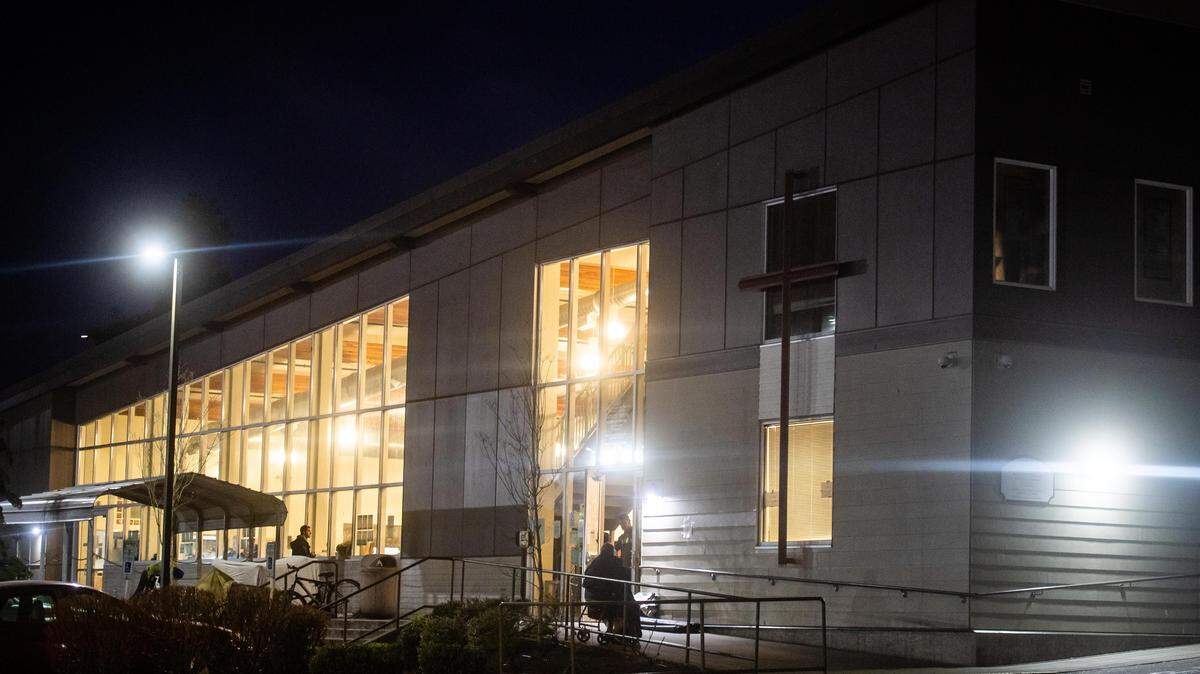
This week, the number of confirmed COVID-19 cases at Tacoma’s Nativity House overnight homeless shelter increased — going from one to four.
Meanwhile, days before the new positive cases came to light, shelter staff moved nearly 60 vulnerable individuals into a downtown hotel.
“We’re being careful,” said director Denny Hunthausen of the move, which he said will help protect older individuals from the virus while creating additional space at the shelter for social distancing.
So far, Hunthausen said, Catholic Community Services — which operates Nativity House — is paying for the rooms at a potential cost of hundreds of thousands of dollars. Eventually, he’s hoping emergency funding from the state or county will cover the cost.
Hunthausen also acknowledged that, despite the shelter’s best efforts, the number of positive COVID-19 cases might increase in the coming days and weeks.
The three new positive cases, which were first reported by KNKX’s Will James, come not long after Nativity House became the first homeless shelter in Washington to announce a positive result for COVID-19.
According to Hunthausen, of the three new cases, one is associated with an individual the shelter had already quarantined due to possible exposure.
The two others, Hunthausen said, “were overnight guests who sought medical treatment as symptoms developed.”
All three of the new cases are men, Hunthausen said. He described one of the individuals as younger and said the other two were “in their late 50s or early 60s.”
According to Hunthausen, Nativity House believes no other overnight shelter guests were exposed, in part due to the social distancing practices enacted last week.
By temporarily ending day shelter services and transitioning older, more vulnerable overnight shelter users to a hotel, Hunthausen said Nativity House is down to roughly 90 individuals a night.
The shelter typically has an overnight capacity of 167 and expands during periods of inclement weather.
“We have achieved separation in the shelter. Everyone is sleeping at an appropriate distance from each other,” Hunthausen said. “We have the space where we can create the distance.”
For 62-year-old David Nebeker, the coronavirus-related changes at Nativity House have been welcome
Before last week, Nebeker said, he had been staying at the shelter for roughly 17 months after an eviction led to his homelessness.
Now, like nearly 60 of his older shelter compatriots, he’s holed up in a downtown hotel room.
Due to privacy concerns, Nativity House isn’t disclosing the name of the downtown Tacoma hotel, Hunthausen said. It’s being staffed by Catholic Community Service employees, he said, adding that rules that apply at Nativity House also apply in this new, makeshift setting.
By phone, Nebeker said he feels safer since the move, which occurred late last week. In addition to his age, he has several underlying health conditions, he said.
Nebeker added that he didn’t realize the extent of the crisis until he arrived at the hotel.
“Before I got a hold of a TV and got to see the news, I thought it was all just hype,” Nebeker said. “Seeing the news, I realized it’s not all hype.”
Nebeker told The News Tribune he’s thankful for the room, while estimating that it’s a sentiment shared by roughly half of those who have been relocated.
“I would say about 50 percent are really, really relishing this. The other 50 percent are put out by it, or they’re so terrified by what’s going on that they don’t know how to react,” Nebeker said. “To some, it seems like a fear of the unknown. As they see the news, they don’t know what’s coming.”
For now, Nebeker said, he’s trying to take advantage of the opportunity — which he described as “the best housing” he’s been offered since he slipped into homelessness roughly three years ago.
Meals are delivered to his room three times a day, he said, and he’s passing the time by listening to music, watching TV and taking long, solitary walks.
Nebeker is trying to maintain a positive attitude.
“I’ve always been kind of a solitary person. I practice social distancing as a life pattern whenever I can, and not for health reasons,” Nebeker said. “This turned out to be a very positive thing for me.”
He also isn’t sure how long it will last.
“My guess is until the virus scare is over, or the money that’s funding this runs out. That’s about the most honest thing I can tell myself,” Nebeker said.
“Other than that, there’s no real time frame.”
This story was originally published March 25, 2020 at 1:00 PM.