Convalescent plasma seen as ‘glimmer of hope’ for people suffering from COVID-19
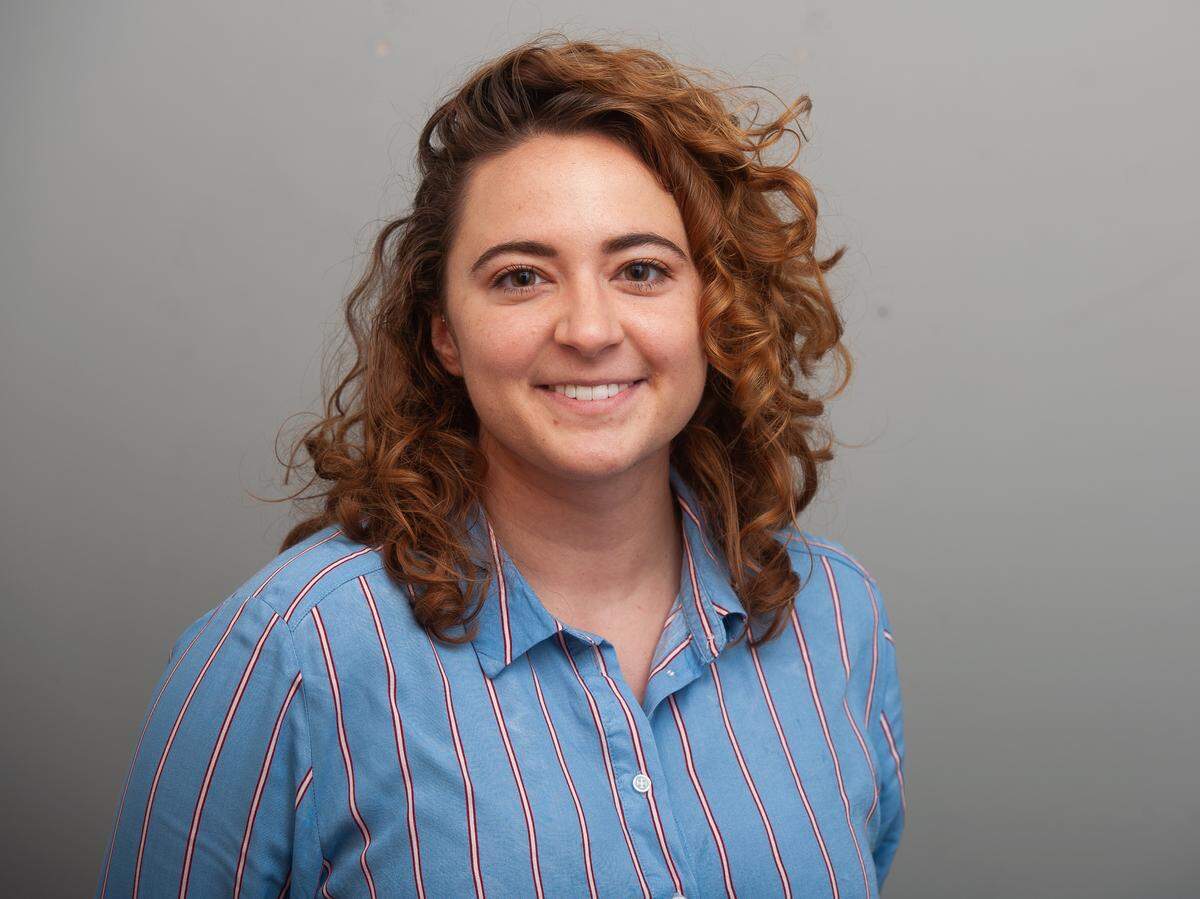
Elizabeth Schneider, 37, considers herself lucky. When she contracted the virus in late February, she only had a high fever, fatigue and body aches.
Schneider, who lives in Seattle, said she and seven of her friends tested positive after attending a party together. After about a week of illness, she began to recover. Schneider works for a biotech company after studying bioengineering in college and said as soon as she was on the mend, she began looking for ways to help.
“If I can do something to help others, I don’t hesitate to do it,” Schneider said.
Researchers reached out to her to participate in studies across the country, but she wanted to do more. When a friend posted on social media about plasma therapy, Schneider signed up with Bloodworks Northwest to give.
“I immediately knew it was something I wanted to do,” she said. “There are so many people sick and in need of plasma.”
If every plasma collection helps four people, Schneider has given her antibodies to help 12 fend off the coronavirus.
Regional blood banks are collecting plasma to send to hospitals, giving sick individuals the antibodies to fight COVID-19.
The plasma filled with these antibodies is transfused into sick people to give their immune system a fighting chance, said Tara Crosby, quality assurance director for Cascade Regional Blood Services.
So-called convalescent plasma is seen as an intermediary answer as the world waits for vaccine or treatment studies to be completed, Aaron Posey with Bloodworks Northwest said.
“It gives us hope that there is something used in the interim while the scientific community continues to work on a vaccine,” he told The News Tribune. “For someone without other options, this gives a glimmer of hope.”
Once the FDA approved convalescent plasma transfusion for COVID-19, hospitals began begging blood banks for plasma units, Posey said.
Bloodworks Northwest has provided more than 55 units to local hospitals and screened more than 600 people who can donate convalescent plasma, he said.
“We’re internally ramping to scale up,” Posey said.
Cascade Regional Blood Services has recently started collecting plasma from people who’ve recovered and provided about six units to MultiCare hospitals, Crosby said.
Injecting convalescent plasma into infected people helped during the Ebola outbreak, SARS, MERS, and at least one strain of influenza, she said.
The Food and Drug Administration has outlined the requirements that individuals must meet to donate blood for hospitals. Before donated plasma can be used, it must be tested for safety and meet the FDA requirements, Crosby said.
In a Chinese study, providing sick people with convalescent plasma has been very promising, Posey said. The study looked at 10 patients in severe condition who received convalescent plasma. Almost all showed significant improvement in symptoms, the study found.
Posey recalled that one hospitalized patient in Pierce County was about to be admitted into the ICU. About a day after the transfusion, he was downgraded and is on the mend, he said.
“For a family member with no other options, this is a good alternative,” Posey said.
There is still much research being done on antibody testing and immunity surrounding the coronavirus. The World Health Organization said the theory that the coronavirus can be contracted only once is unproven.
Crosby said anyone who has fully recovered from the virus has enough antibodies to fight off the virus, the only question is how long their immunity lasts. Researchers are looking to create hyper-immune immunoglobulin, or a purified concentration of antibodies that fight COVID-19.
Blood banks ask people who have recovered to check online to see if they qualify to give plasma. The FDA has lowered the threshold for some, like relaxing previous travel restrictions and shortening the wait time for men who had sexual intercourse with other men.
COVID-19 convalescent plasma donors must have tested positive for the virus, Crosby said. Donors can give once every seven days.
“We really do need as many people as possible to increase our donor base for convalescent plasma,” Crosby said. “If you’ve recovered and want to help, we’d love to hear from you.”