Eviction moratorium will end soon. What’s next for renters, landlords in Pierce County?
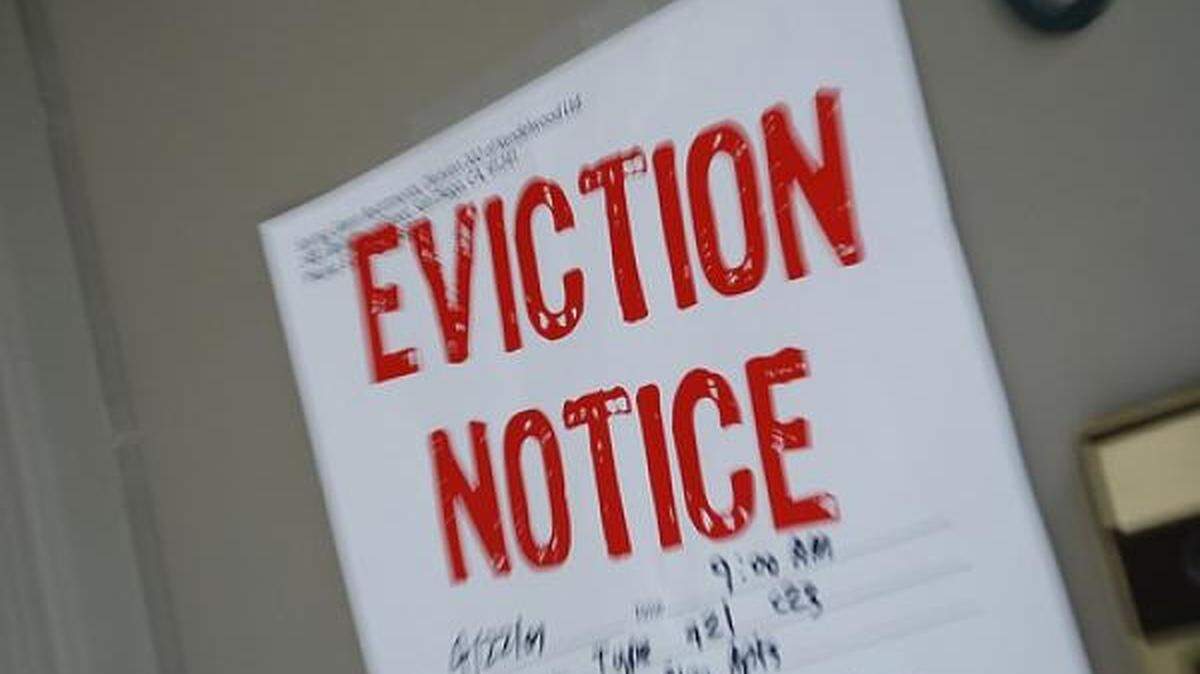
Pierce County won’t be able to take advantage of a program announced by Gov. Jay Inslee on Thursday meant to “bridge” the gap between when a statewide eviction moratorium expires later this month and when new housing stability programs passed by the Legislature kick into gear.
County officials said they aren’t concerned, pointing to programs already in place in Pierce County to help both landlords and tenants.
Still, some worry about a backlog of rental assistance payments the county is dealing with even before the moratorium ends.
“There were red flags by community members because dollars were not out. Applications were out for pending. There is a long wait for help.” County Council member Jani Hitchen (D-Parkland) told The News Tribune. “We want this to go as smoothly as possible.”
Inslee’s “bridge” is meant to help counties that have not established eviction-resolution programs in accordance with new state laws stave off a deluge of evictions when the moratorium expires June 30.
Pierce County’s Human Services director Heather Moss told the Pierce County Council in a Tuesday study session that nonprofits, the Sheriff’s Department and courts have been working to prevent a flood of tenants being kicked out of homes.
“We don’t need to take advantage of the bridge, because we are already ahead of the game,” she told The News Tribune.
The county has set up a new process to ensure mediation and payment plans are the first steps to address tenant debt.
Pierce County estimates that more than 11,000 people are behind on rent for multiple months due to pandemic-related income loss.
Inslee first declared a pause on evictions in March 2020 as the coronavirus pandemic caused a lockdown, and many people lost their jobs.
The eviction process
Starting on July 1, Pierce County programs set up to help both landlords and tenants begin.
“People are not going to be homeless on July 1,” Moss said.
Laurie Davenport is director of Development & Outreach of Tacomaprobono Community Lawyers. Davenport said no one needs to be afraid because the programs are free and intended to help tenants.
“It’s a protection. These are serious laws to help tenants,” Davenport said. “It’s designed to slow things down.”
The Legislature passed law this year that evictions cannot be filed without a certification from a mediation center that the landlord and tenant have attempted to resolve their issues. The law also gave tenants the right to counsel when litigating eviction.
Pierce County Dispute Resolution Centers will be used to help landlords and tenants create a manageable plan. Tenants are expected to meet wiht dispute-resolution staff to discuss repayment. The landlord will also be contacted.
Once a case has been sent to mediation, the parties will discuss a payment plan. State law requires repayment plans to be “reasonable.” The plan cannot exceed one-third of monthly rent during the pandemic, nor can it be due until 30 days after the repayment plan is offered to the tenant. The repayment plan can only cover rent, not late fees or attorneys fees.
If the tenant refuses a “reasonable repayment plan” within 14 days or defaults later on repayments, the landlord can proceed with an eviction.
Inslee’s bridge requires tenants to start making payments on Aug. 1.
Officials bracing for a ‘nightmare’
Jim Henderson, president of Tacoma’s LandlordSolutions, said he believes the first eviction cases to be filed will be for behavioral problems, rather than nonpayment. He told the council Tuesday he estimates courts will begin to see nonpayment evictions six weeks to two months after the moratorium is lifted.
Landlords can apply for reimbursement if they are not being repaid by a tenant. A property owner can receive up to $15,000 for unpaid rents from March 1, 2020. More than $15.8 million of state-allocated funds have already been claimed by landlords. The program is receiving a $5 million allocation on July 1, state Department of Commerce spokesperson Penny Thomas said.
Once an eviction case is filed with the courts and granted, the tenant has five days to leave the rental before police intervene.
Another new law requires landlords to have “just cause” to evict tenants — essentially noncompliance with rental agreements — and sets the time from eviction notification to eviction date to 60 days.
Before the pandemic, Pierce County Sheriff’s Department served about 100 eviction notices a month, spokesperson Sgt. Darren Moss told The News Tribune. Almost a year and a half without evictions, Moss expects a deluge.
“It’s going to be a nightmare. We don’t want to just make 2,000 people homeless in the first month,” he said.
Maureen Howard is a senior policy analyst with the Tacoma Pierce County Coaltion to End Homelessness. Howard said she is grateful to the county for creating a plan to deal with the end of the moratorium, but she said that is separate from the need to protect people from eviction.
“It takes almost two months to get everything processed. People who owe rent —even though they know they are eligible and that rent will be paid — they still are in situation of uncertainty until the landlord has that check,” Howard said.
Some in real estate are ready for the eviction process to return.
Jeff Christensen owns Red Roof Rentals, which manages property for independent landlords. He oversees 265 rental units across Pierce County and said landlords have been hit hard.
“You have your house rented, and he owes you $5,000. I don’t know how long you can tolerate that,” the property manager said. “(Landlords) are private citizens just trying to make the mortgage payment.”
Christensen wants officials to trust landlords and business owners to make the right decisions.
“(Inslee) is well-intentioned and made us proud of our state with the low COVID numbers. He has been a calming influence and no disrespect, but please take your hands out of my business. It’s been corrected now,” he told The News Tribune.
Christensen also said most tenants pay on time, that only about 2 percent of his clients’ tenants have not paid rent for more than six months.
He has been frustrated with some government-assistance programs because he said they don’t work. One of his tenants applied for $5,000 in back rent with Pierce County, and Christensen has not received the funds.
“I have a client who applied and submitted an application on March 8 at 9:44 a.m., and we have yet to hear back. They keep saying they are working on it,” Christensen said. “It’s grossly unfair. No one is seeing any money.”
Rental assistance program
The backlog of rental assistance payments had council members Hitchen and Ryan Mello (D-Tacoma) concerned.
Of the 9,747 legitimate applications to the Pierce County’s Rental Assistance Program, 2,231 households have been served. The county estimates 7,516 have yet to see funding.
As of Tuesday, human services has spent $20.1 million, averaging $9,029 per household.
The program has been allotted $58.6 million by Pierce County Council to help residents affected by the pandemic with rental and utility assistance. A total of $68.7 million in Pierce County has been allocated for rental and utility assistance from federal COVID-19 relief dollars.
Pierce County’s Human Services said that verifying applicants’ income and COVID-19 impact has taken time. Limited provider capacity hasn’t helped.
The program relies on nonprofits to confirm eligibility and approve payment. It’s a challenge for nonprofits to find people to take a temporary role and to be stuck paying unemployment benefits when the work runs out, Moss said.
She said she is confident that the backlog will be cleared before any of the approved applications head toward evictions.
“I know it can be a nail biter,” Moss said. “We are going to catch up before the full process of eviction.”
Moss, Davenport and Howard all insist that renters remain in their current living situation rather than move. Landlords can be made whole up to 12 months through the county rental assistance program. Howard said the program will help decrease the number of people becoming homeless.
“Stay in your housing if you are safe,” Howard said. “We have no capacity to adsorb one more person becoming homeless.”
This story was originally published June 25, 2021 at 5:00 AM.