
In the coronavirus-era, removing graffiti along public roadways is a low priority
Graffiti is a large problem for the state of Washington and private property owners.
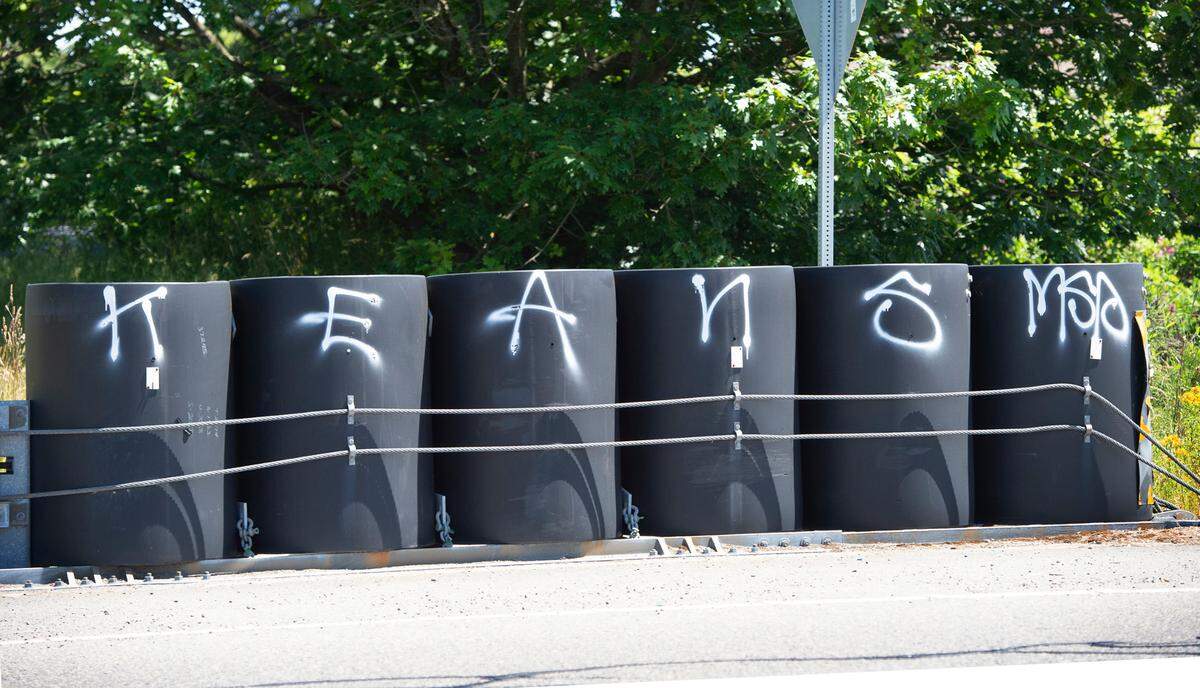
Most people are used to seeing graffiti when driving along the freeway. Whether that’s underneath a bridge or on a barrier at the side of the road, graffiti does not go away.
Most of the time, graffiti involves the use of spray paints to deface private property or public spaces with pictures and messages. The images and words can range from racial slurs to murals meant to remember the death of a loved one.
For most graffiti that’s reported along state highways, the Washington State Department of Transportation maintenance crews are in charge of removing it.
But with reduced funds due to the coronavirus pandemic, graffiti removal has become a low priority.
“It’s not the location of the graffiti, it’s the priority of work that has to be done. The maintenance budget is underfunded and has been for quite some time. We have a limited number of resources,” said Cara Mitchell, spokesperson for WSDOT. “Graffiti basically falls at the bottom of the list.”
Roughly only a third of funding is available for the state of good repair, which is the category that graffiti is held under, Roger Millar, the secretary of transportation, said in a press conference in January.
To put into perspective, Millar said that over 4,000 miles of pavement are due for preservation and 15 bridges are in need of replacement. But the budget allows for only 750 miles of repavement and two bridge replacements respectively per year.
Mitchell said that during Gov. Jay Inslee’s Stay at Home order, only emergency repairs were conducted by WSDOT maintenance crews, mostly for things that were considered unsafe. These include barriers and guardrails that were damaged and dangerous potholes.
“We all had to take a pause and we could only do emergency work, and slowly as the governor has allowed, turn the dial back up and we’ve been able to return to low-risk work,” said Mitchell.
Even though Mitchell was not able to provide the News Tribune with the exact number of graffiti that has been reported, she said the lack of maintenance might be a reason why you’re seeing more of it along the highways.
“We don’t want to diminish the fact that we don’t want it there. We do have to clean it up and we do, but there are a lot of other pressing items for safety reasons that we have to take care of first,” said Mitchell.
Graffiti is a crime when used to deface public or private property.
According to RCW 9A.48.090, graffiti is considered malicious mischief punishable up to the third degree, a gross misdemeanor.
In the state of Washington, graffiti can result in fines up to $1,000 or more and at least 90 days in jail.
Figures on graffiti arrests were not immediately available.
Graffiti victims can turn to city removal program
Graffiti that vandalizes private property is seen as a problem by Washington cities, too.
Tacoma offers a Graffiti Rapid Removal Program that allows the public to take advantage of graffiti removal services at no cost.
“If property owners experience graffiti on their property and they have a permission slip on file with us, we will do that removal at no charge to them up to three time during the life of their permission, or up to $2,000 worth of renewal,” said Allyson Griffith, assistant director for neighborhood and community services for the city of Tacoma.
According to the city’s website, victims of graffiti should take four steps to ensure the removal of graffiti:
▪ File a police report
▪ Take a picture of the graffiti
▪ Contact your insurance agent
▪ Removal of the graffiti with the option to receive assistance from the graffiti rapid removal program.
According to Public Works Assistant Division Manager Jake Green, graffiti removal is done on an on-going basis. When a request is received, they are normally resolved within 15 days.
Green said city crews utilize several methods for graffiti removal. These include pressure washing, soda blasting, and painting over the graffiti. Crews have found that painting over graffiti is the most cost-effective method due to the amount of time the other methods take.
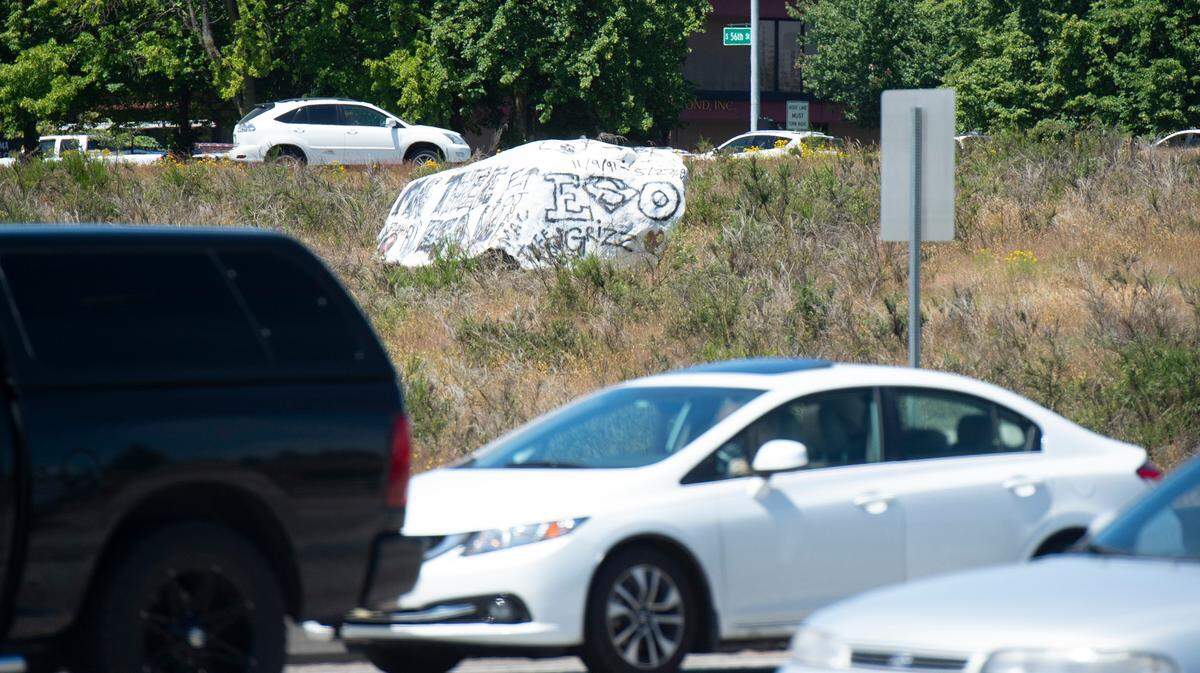
During the coronavirus pandemic, the reduction of staff has caused street operations to adjust the graffiti removal process, Green said. Crews are no longer proactively removing graffiti and are now doing removal on a complaint-driven basis.
“I don’t know that the process would go any faster based on profanity. We try to get it removed as quickly as possible, no matter what,” said Griffith.
In a city report provided to the News Tribune, there have been a total of 3,319 graffiti removal requests since 2016 in Tacoma. Of that number, there were only 247 graffiti removal requests in the first five months of 2020.
Authorities urge the public to call 911 if they see graffiti in progress.
To report graffiti that needs to be cleaned up, call (253) 591-5000 or 311 inside the city.
This story was originally published June 27, 2020 at 5:00 AM.