Exclusive: Officers in disbanded Pierce County unit faked reports to protect informant
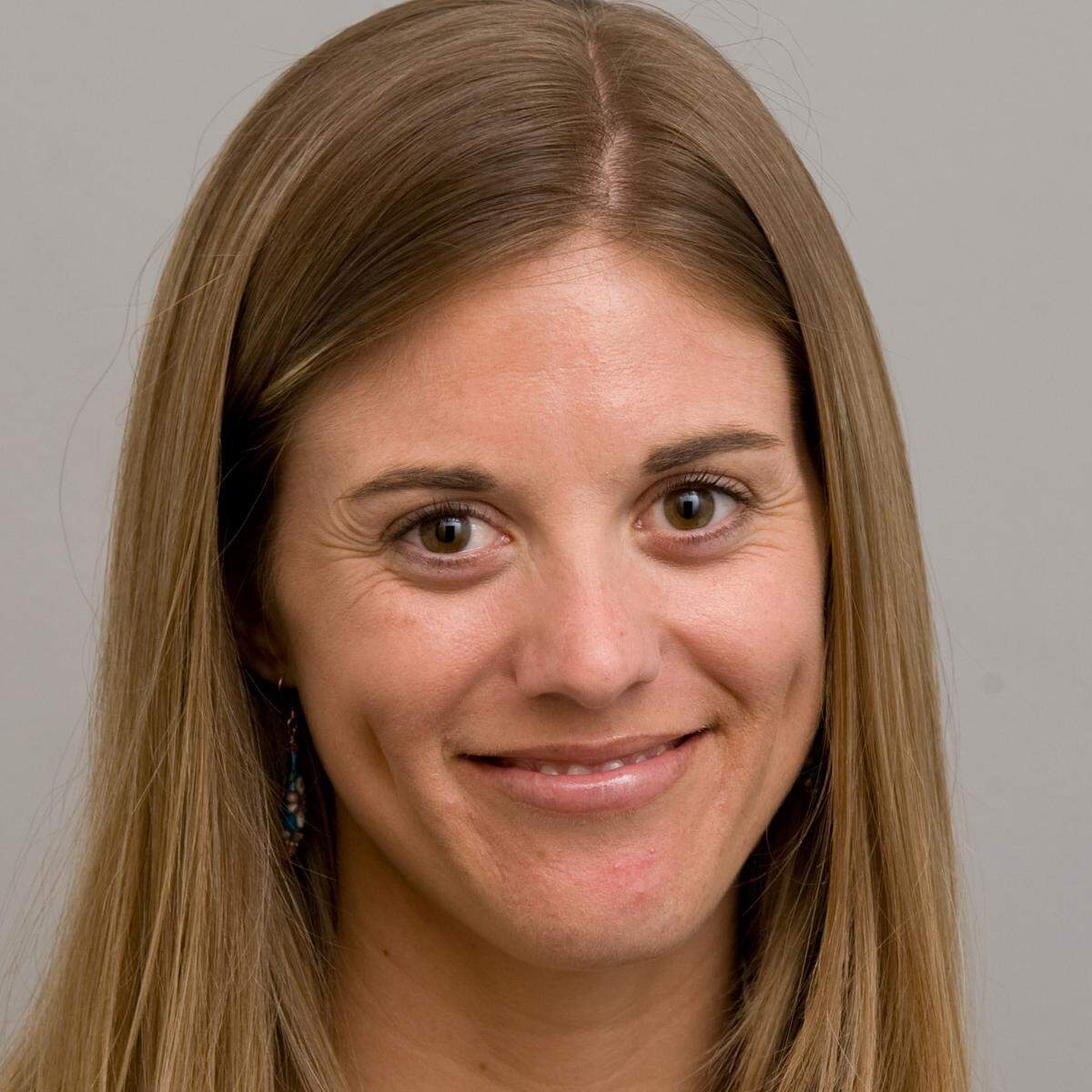
A former commander of the Pierce County sheriff’s drug unit orchestrated a plan to create false police reports for the protection of an informant who’d received death threats from a Mexican cartel, according to documents obtained by The News Tribune.
Lt. Cynthia Fajardo, who is running for sheriff, and four members of the Special Investigation Unit were internally investigated for that plan, which led to the drug unit being disbanded for five months so far.
A fact-finding mission found Fajardo might have violated 12 department policies and procedures, including failure to adequately supervise her unit and lying about whether she informed supervisors about the fake police reports in a timely manner.
It also determined three other drug unit members — Sgt. Chris Adamson, Sgt. Tommie Nicodemus and detective Ryan Olivarez — might have violated policies such as creating a false police report, inappropriately managing informants and not disclosing use of force during a February arrest, according to a 461-page summary of the internal investigation conducted by the Kitsap County Sheriff’s Office.
Detective Shaun Darby might have inappropriately advised a suspect of his rights and violated policies related to confidential informants, according to the Kitsap County investigation.
Now that the internal investigation is complete, the Pierce County Sheriff’s Department is searching for an outside agency “with expertise in narcotics investigations” to review the case and decide if Fajardo and her team did indeed violate policies, said Mike Blair, department chief of staff.
The sheriff elected in November to replace the retired Paul Pastor could be tasked with deciding what, if any, discipline should be doled out.
Members of the Special Investigation Unit stand by their actions, insisting the false reports were part of a legal ruse to protect the lives of an informant and his family. They believe the investigation into their actions was launched for political reasons due to Fajardo’s run for sheriff.
“I did what I did for the right reasons,” Fajardo said Monday. “We were willing to save the life of somebody cooperating with law enforcement for the right reasons. There was no personal gain and nobody else was harmed.”
Drug unit makes deal
The alleged wrongdoings mostly stem from a Feb. 7 arrest after a search at a Tacoma home turned up 14 pounds of methamphetamine and several guns.
A man leaped out a window and tried to run when the drug unit moved in, and Nicodemus chased him down and took him into custody.
During a brief struggle, Nicodemus allegedly used “elbow strikes” to get control of the suspect, and Adamson was on top of the suspect pinning his leg, according to the internal investigation.
Neither sergeant filled out a use-of-force report as required by department policy, according to the Kitsap County report.
The unit made a deal with the suspect that he would not face charges for his arrest and would spend only one day in jail if he provided information on his drug supplier within the next month.
As part of the deal, the suspect and his wife surrendered their car because it had been used to sell drugs.
The suspect was booked into Pierce County Jail, where he spent three days before being released.
Prosecutors were upset to find reports on the arrest were locked, preventing them from reviewing the case and filing charges.
“I was essentially floored to find out that this person had been booked in our jail and the Sheriff’s Department had restricted reports,” Fred Wist, a deputy prosecutor who screens cases and decides which to prosecute, told investigators.
He added that he has “grave concerns” about that case.
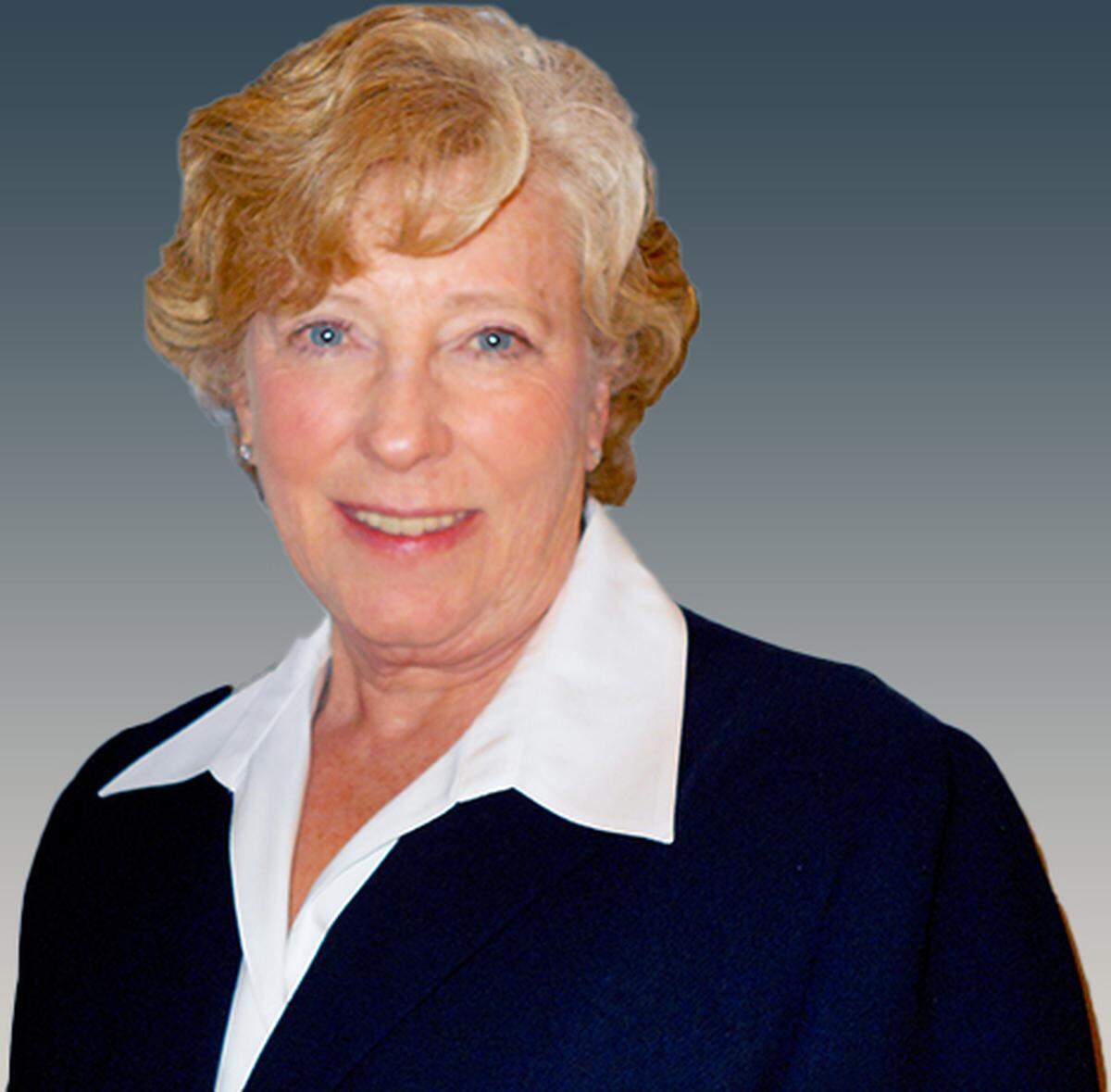
The suspect stayed in contact with the Special Investigation Unit after his arrest and eventually gave them information about his supplier, who was arrested March 8 hauling nearly 19 pounds of meth up Interstate 5 from Mexico.
That man was charged with unlawful possession of a controlled substance with intent to deliver, but prosecutors dismissed charges after 17 days due to concerns over “the legal validity of the stop and search warrant,” according to court documents.
Some of those concerns stemmed from a series of joking text messages between drug unit members that alarmed prosecutors enough that they brought in the FBI and agreed to drop charges against the suspected meth dealer if he talked about the circumstances of his arrest.
In the texts, drug unit members teased Darby about not finding any drugs when they stopped the suspected supplier’s van. That led prosecutors to worry that the team had planted drugs.
That case also was part of the internal investigation.
Issues in that case included misleading information written in the affidavit for the search warrant — that the drug unit made the bust while doing surveillance rather than relying on information from an informant — and 5 1/2 hours of overtime paid to Darby, who officials say should not have been working the case because he was on administrative leave for an unrelated incident and was not allowed to be working drug crimes.
Special Investigation Unit members say it’s commonplace for them to lock reports so nobody outside the team can see them as a way to protect informant identities, and that they forward reports in the cases they want prosecuted. Prosecutors say they get to decide which cases are charged and are upset the suspect who provided information about his supplier was never officially made an informant.
Chief criminal deputy prosecutor James Schacht told investigators he is bothered that two major drug cases in Pierce County were not charged.
“And the thought that drug dealers who are responsible for that level of drugs coming into our community, uh, escaping unscathed is abhorrent to me,” Schacht said.
Fake reports created
After the informant’s supplier was busted, the Mexican Cartel allegedly threatened to kill him and his family because they suspected he had snitched.
That’s when Fajardo and her team began brainstorming ways to protect him and settled on writing fake police reports which the informant could then show the Cartel.
In a team meeting on March 17, Fajardo instructed unit members to write false police reports. She said Monday nobody ever expressed concerns about the plan to her during or after the meeting.
Olivarez wrote the first report that day.
Six hours later, deputy Kris Nordstrom sent a text message to a prosecutor saying he was concerned about the plan to write fake reports. The Prosecutor’s Office immediately notified then-Sheriff Paul Pastor.
The following day, Nicodemus wrote the second false report, Adamson approved both reports and Fajardo wrote a memo about the plan to her supervisor dated March 17.
She later said she did not intentionally backdate the memo in an attempt to cover-up the plan, though investigators seemed to doubt her since they listed “untruthfulness during an Administrative Investigation interview related to creation of a memo” as a possible policy violation in their findings.
The Special Investigation Unit members had varying opinions on writing false police reports.
“There’s just gotta be a gray area for us to work in for protecting our informants, for getting the job done, but when it’s finalized and sent to the Prosecutor’s Office you better have your (stuff) together,” detective Darrin Rayner told investigators. “It better be … you’ve got to be able to sit on the stand. And I’m sorry, but I’m not losing my job or losing my career or my family and everything I’ve worked for for twenty-some years to write a (expletive) report.”
Most supported the plan if it meant saving the lives of their informant and his family, and some said they would have written fake reports themselves but never had the opportunity because they were ordered to immediately cease work on all drug cases.
Detective Elizabeth Reigle, who has worked in the drug unit for nearly 11 years, said several informants have been killed during that time and writing a false report to save an informant’s life is a valid solution.
“There’s no harm. There’s no malice. There’s nothing bad that could come from it. It’s a very creative, acceptable means,” she told investigators.
The Sheriff’s Department said it is unaware of previous instances where law enforcement officers wrote false reports, but Fajardo said she knows of several.
In either case, Blair said sheriff’s administrators would not have approved or supported Fajardo’s plan because “it appears it was not appropriate.”
The fake reports were never given to the informant because the unit was shut down.
“SIU could not have any further contact with (the informant) under threat of insubordination and disobedience to a direct order,” the unit said in a statement to The News Tribune through their attorney, Joan Mell.
The informant is alive and paying the Cartel $30,000 for the drugs seized when his supplier was arrested, according to the internal investigation.
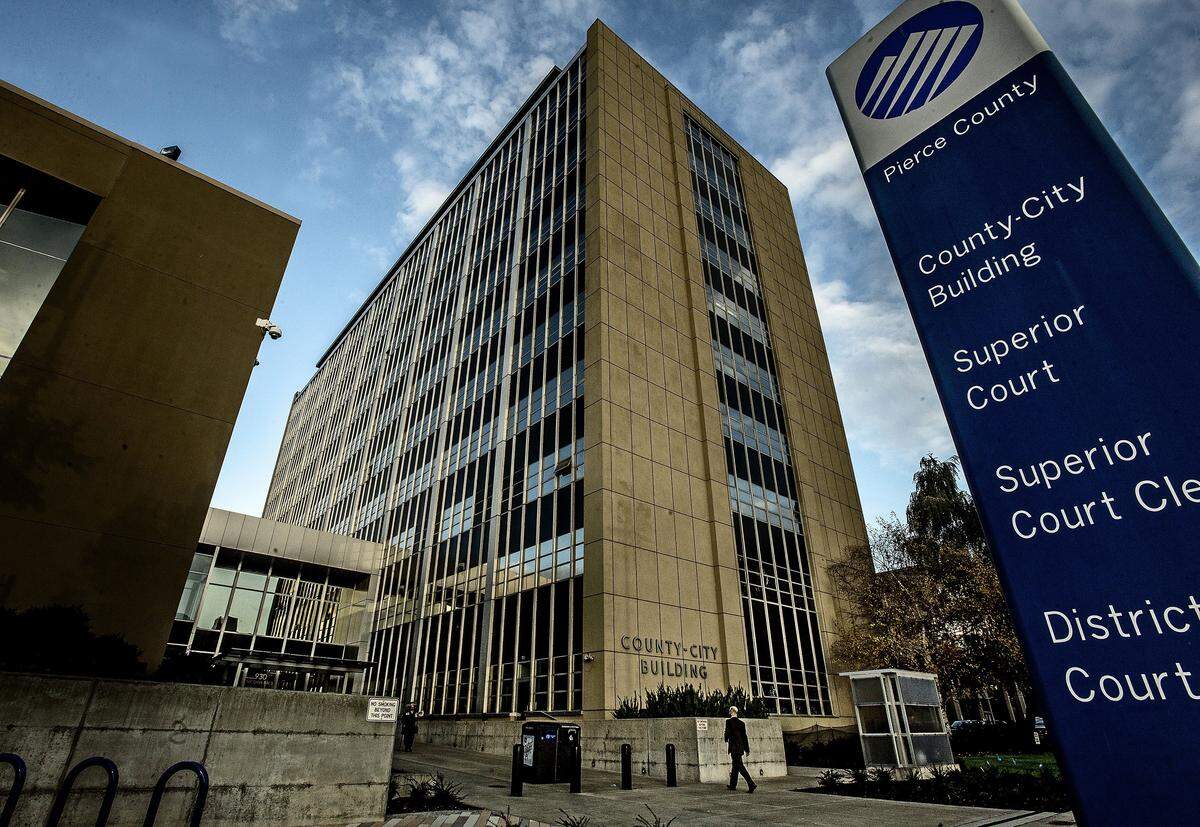
Internal investigation
The Kitsap County Sheriff’s Office agreed in April to conduct the internal investigation and interviewed 27 people.
Earlier this month, they turned over their findings to Pierce County with summaries of each interview and a list of policies and procedures they believe Fajardo and four members of her team might have violated.
Drug unit members say they feel unfairly targeted and are frustrated they’ve not had an opportunity to explain to their bosses why they filed false police reports. They feel the Kitsap investigators weren’t interested in hearing their side of the story and seemed to presume they were guilty.
“It was a very accusatory interview,” Fajardo said of the four hours she spent with Kitsap investigators. “It was pretty clear from the get-go they weren’t really interested in any information I may have to justify actions that were taken, and it appeared to me that they already had an answer and a belief of what they felt I did wrong.”
There is no timeline for when an outside agency will take over the internal investigation and decide whether members of the Special Investigation Unit violated any policies and procedures.
Prosecutors from Pierce County and the U.S. Attorney’s Office have already reviewed the case and determined no criminal charges are warranted.
Discipline could range from a verbal warning to termination depending on past discipline and how egregious the violations were, authorities said.
The Special Investigation Unit was disbanded in April, and it’s unknown when the unit will get back to work.
In the meantime, members of the unit have been assigned to other areas of the department like patrol or the Criminal Investigations Bureau.
Timeline
Feb. 7: Drug bust made in Tacoma. Detective Shaun Darby makes deal to turn suspect into informant.
March 8: Questionable arrest of drug trafficker, who later has charges dropped against him.
March 16: Lt. Cyndie Fajardo texts deputy Ryan Olivarez, Sgt. Tommie Nicodemus, Sgt. Chris Adamson to meet at a grocery store to discuss writing fake police reports to protect the informant, who received death threats. Adamson gets a case number from South Sound 911 for the fake police reports.
March 17: Fajardo instructs SIU members to write false police reports to protect the informant. At 11:32 a.m., Olivarez writes the first false police report.
At 5:48 p.m., detective Kris Nordstrom notifies the Prosecutor’s Office about the false police report.
March 18: At 9:01 a.m., Nicodemus writes the second false police report. At 3:03 p.m., Fajardo writes a memo to chief about the false report plan.
March 19: The chief receives a memo from Fajardo. Adamson approves both false police reports.
April 1: Fajardo and Darby are notified about the internal investigation.
April 6: Kitsap County Sheriff’s Office launches the internal investigation.
April 21: SIU is disbanded for an “administrative review.”
June 22: The Prosecutor’s Office notifies SIU members they are being placed on potential impeachment list.
July 6: SIU starts work again with new leadership, and six of the original 10 members return to the unit.
July 20: SIU is again disbanded after Prosecuting Attorney Mary Robnett declines to work with the members under investigation.
Aug. 12: Last interview conducted for internal investigation.
Sept. 2: Kitsap County Sheriff’s Office turns over internal investigation findings to Pierce County.
Source: Kitsap County Sheriff’s Office internal investigation
This story was originally published September 30, 2020 at 1:38 PM.