Pierce County quickly allocating COVID-19 rental assistance but will there be enough?
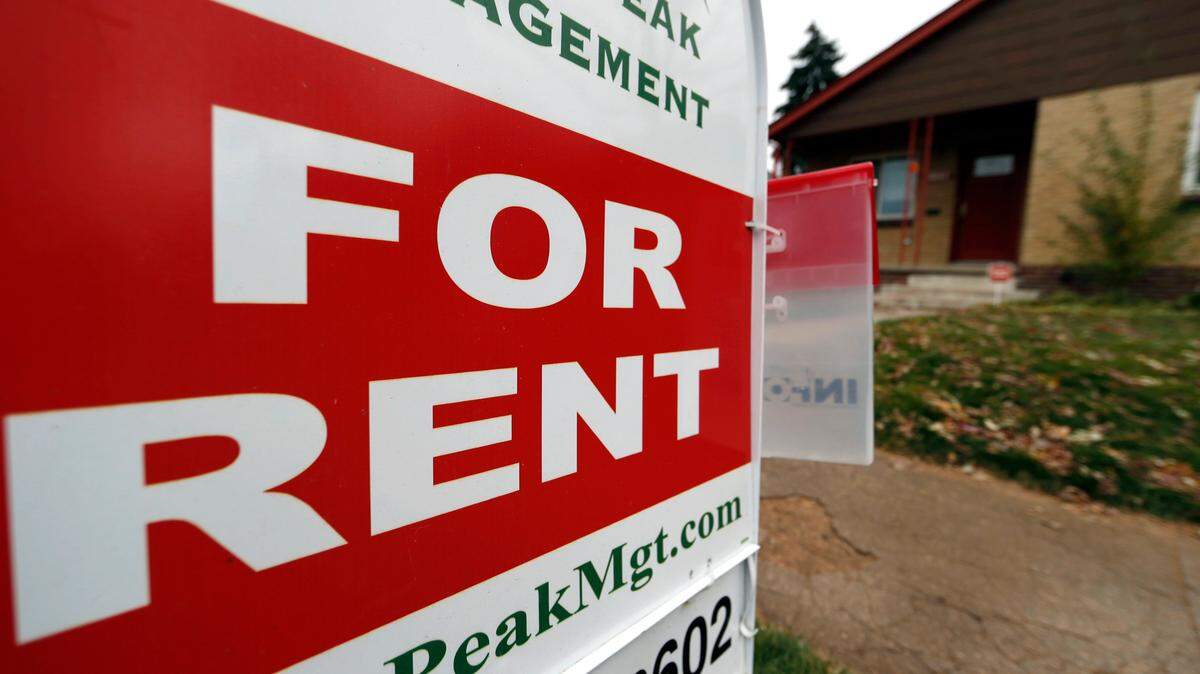
Pierce County has distributed more of its pandemic rental assistance than most of the country, but only about a third of the local applications have been approved.
Pierce County has received $72.4 million in federal dollars specifically for rental assistance, more than 45 percent of which has been spent.
The COVID-19 pandemic has left many people hurting financially, making it difficult to cover rent. In March, Congress passed the American Rescue Plan Act and Emergency Rental Assistance in December, opening $46.5 billion to help Americans facing evictions from rental debt or are unable to pay utility bills.
Only about 11 percent of the Emergency Rental Assistance (ERAP) program has been doled out, according to The New York Times. The federal program was intended to be spent over the next three years, but The New York Times said federal officials had hoped states would have spent much more by now.
Pierce County received $20 million from the U.S. Department of the Treasury’s ERAP program, 76 percent of which has already been spent. The treasury also designated $9.9 million from the American Rescue Plan to the county, three percent of which has been spent. Washington state Department of Commerce gave Pierce County $32 million of its federal dollars, 67 percent of which has already been spent.
An additional $10.5 was just approved from the state’s federal dollars because the county has been so effective in spending its money, said Valeri Almony, Pierce County Social Services Program specialist.
That money has helped about 33 percent of people who applied for assistance in Pierce County, or more than 5,000 of the 15,100 applications,according to the county’s internal database. While some of the applications are duplicates, the bulk of the 67 percent remaining is still being processed, Almony said.
The goal has been to assure landlords that while there might be a backlog in payments, the money is coming.
“We have more than enough money,” Almony said.
Who is eligible?
Pierce County’s program offers to pay up to 12 months of rent and bills for water, sewer, garbage, gas, electricity, fuel oil and internet. Applicants must qualify as low-income (at or below 80 percent Area Median Income), or $50,900 for a single person, but additional requirements for each bucket of federal funding is different. Some require a COVID-19 impact to income while others don’t.
“While you may be on Social Security, and you may not think of yourself as impacted by COVID, but if you’re ordering those groceries in and that is a higher cost to you that you did not plan on, that right there is COVID impact, so they are absolutely eligible to apply,” Almony said.
In Pierce County, there is a process for landlords to file for an eviction. Before heading to court, cases related to nonpayment head to the Pierce County Dispute Resolution Centers, where the first call is to Pierce County to see if the tenant filed for rental assistance.
Almony said even if a case has been filed, tenants can still apply for rental assistance.
“So if anyone is in need of rental assistance, we are strongly encouraging them to apply,” Almony said. “We just really kind of take that pressure off and let them know that we are the neutral party, we are here to serve you both you with the tenant and both you the landlord.”
The backlog
Pierce County credits its partnership with nonprofits with its success in distributing dollars quicker than most, but there is still a backlog in approving funds.
More than 10,800 applications have been referred out to nonprofits and are still being processed. The backlog has been in checking and requesting required documentation like proof of income and residency, Almony said.
The county’s program relies on 10 nonprofits contracted with the county or City of Tacoma as administrators. Almony said 85 staff across the nonprofit and human services department are working to connect tenants and landlords with rental assistance funds.
United Way is referring callers to the rental assistance program as needed.
United Way’s 211 supervisor Dennis Cervantes said Pierce County has worked together to connect those in need to funding.
“We have had the opportunity to support those without internet access or those otherwise unable to complete the online application by assisting them over the phone,” she said in an email.
The federal rental assistance program allows for up to 10 percent of the money to be used for administrative costs. Almony said that amount was divided between the nonprofits.
There are still more funds on the way for rental assistance. Almony expects the county will receive $72.9 million more in October, essentially doubling the amount of rental assistance.
A household receives an average of $8,914 in assistance. Almony estimates that more than 20,000 households across Pierce County need rental assistance.
The federal dollars are helping to stabilize families struggling due to the financial impacts of the COVID-19 pandemic. Pierce County residents are working additional jobs and borrowing money if needed, Almony said.
“So they’re coming to us when they need it,” she said.
Most of the federal funds must be spent by Dec. 20.
Pierce has allocated less than Snohomish County, where about 80 percent of its $57.8 million have been shelled out, but is ahead of King County, where only about 21 percent of their $145 million, according to respective county staff.
King County Department of Community and Human Services Communications director Sherry Hamilton said the county’s program is rapidly expanding staffing to approve applications and the process has been streamlined.
“The new data system we created to support (the Emergency Rental Assistance Program) is increasing capacity every week and getting our landlords and tenants able to quickly and efficiently submit their forms will help us increase processing every week,” she said in an email.
The U.S. Treasury asked Pierce County as one of the more effective jurisdictions in allocating funds to participate in a round table on best practices for the rental and utility assistance, Almony said.
For more rental assistance information, the county is holding in-person meetings at libraries, including one at the Spanaway branch on Sept. 30. The county is setting dates for the Key Peninsula, South Hill and Lakewood branches. For further information, visit Pierce County’s website.