After months of pricey renovations, Tacoma’s first Rust Mansion ready for its close-up
Have you ever mused about owning one of Tacoma’s grandest homes? As early as next week you can turn that daydream into a reality — if you have a few million dollars.
The top-to-bottom, inside and outside renovation of the first Rust Mansion is nearing completion.
Owner Ashley Burks is nearly finished with what started as a three-month renovation but turned into nearly a year of work on the almost 11,000-square-foot mansion built by William Ross Rust and his wife Helen in the early 1900s.
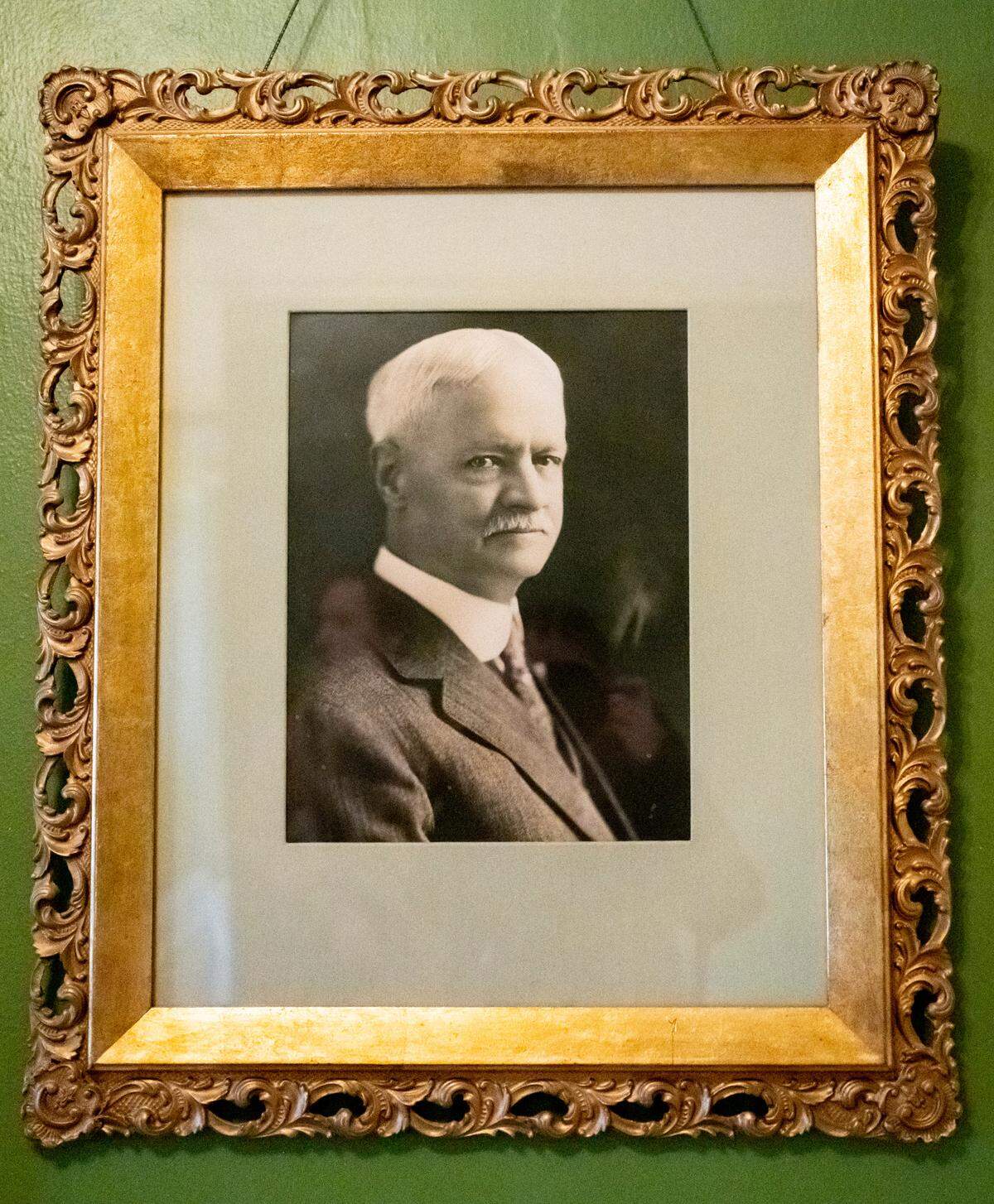
The real estate developer bought the home a year ago for $2.5 million. She said she’s stopped looking at the renovation budget but estimates she’s put at least $1 million in to the project. She’s letting her accountant handle the financial figures.
While the mansion wasn’t the first Rust home in Tacoma, it’s popularly known as the first Rust Mansion or the White House of the West for its neoclassical style dominated by a Roman Doric portico. Another, smaller Rust mansion was built a few blocks away at 521 N. Yakima Ave. after the Rusts moved out of the I Street home following their son’s death.
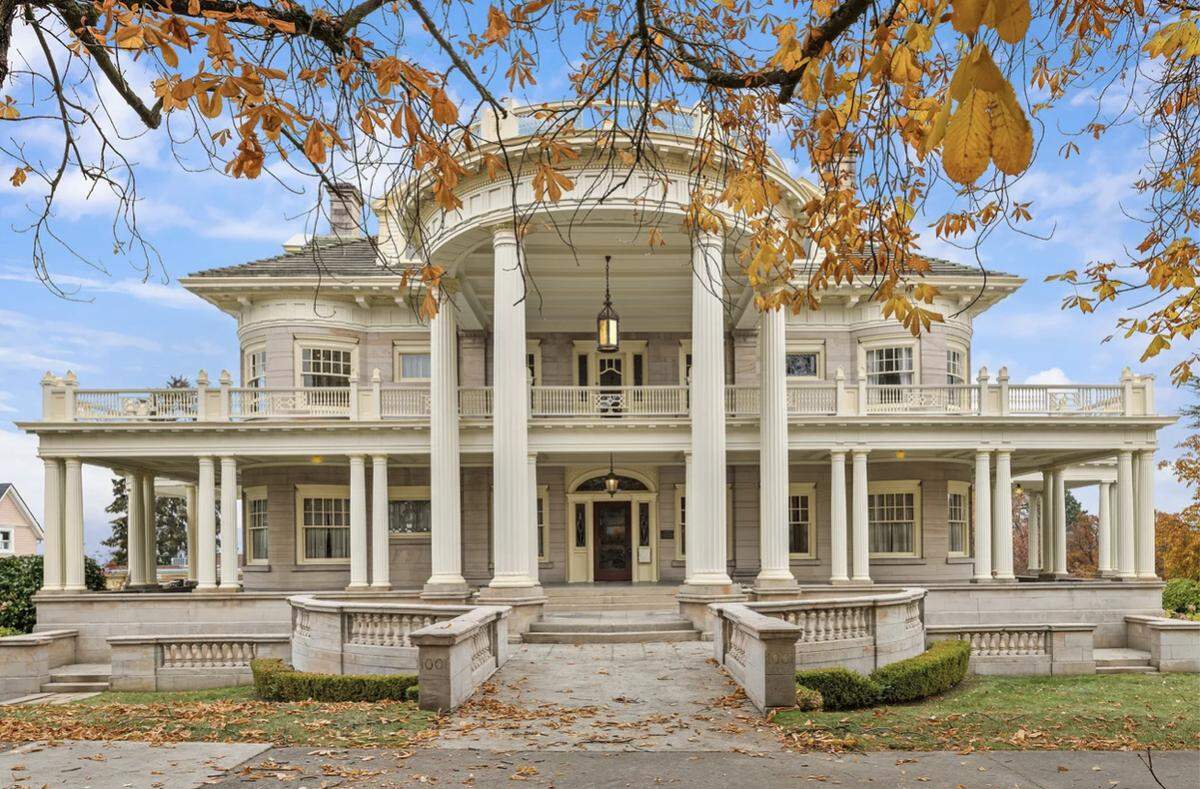
The 8,900-square-foot second Rust mansion is currently for sale at $4 million. Burks will ask $4.8 million for her 10,800-square-foot Rust mansion.
Challenges
In May, when The News Tribune first wrote about the sale and renovation, Burks had hoped to be wrapped up in July. Instead, supply-chain issues and the fact that few of the finishing details could not be bought off the shelf at Home Depot pushed the project back.
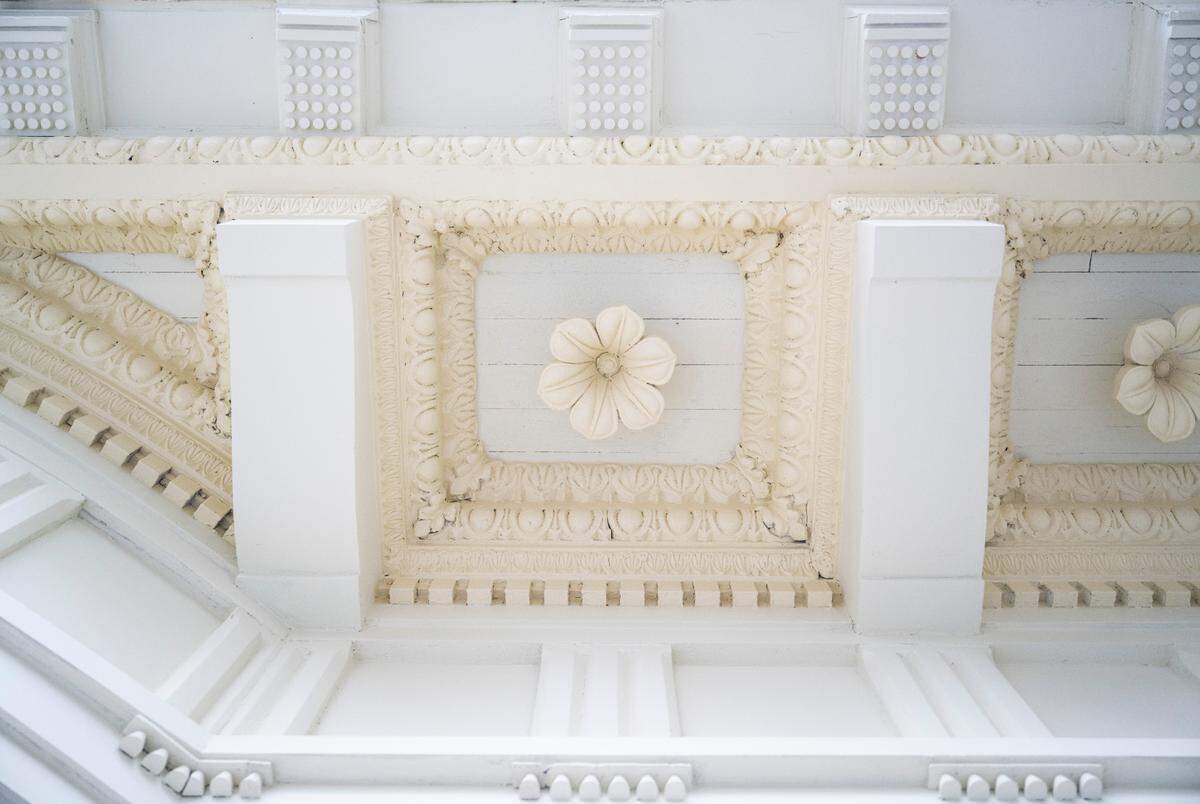
“Everything here was made by hand,” Burks said. “It’s detail that you’re not going to go to a hardware store and buy this trim kit anywhere.”
Perhaps the most noticeable changes are to the exterior. Architectural adornments took time to replicate. Entire columns needed replacing as did much of the balcony balusters and balustrades.
Burks credits Gig Harbor’s Harbor Construction with handling most of the replication work just as it was getting bogged down in July.
“They happened to stop by, and I was like, ‘Yes.’ It was the best thing that ever happened,” she said.
Now, details that resemble tulip blossoms and unusual square adornments with protruding pegs — Burks calls them calculators — have been restored or replicated if they were rotten.
Back to life
The home had been partially restored by its previous owners after it had been partitioned off into apartments. But it was still in need of the complete renovation Burks gave to it.
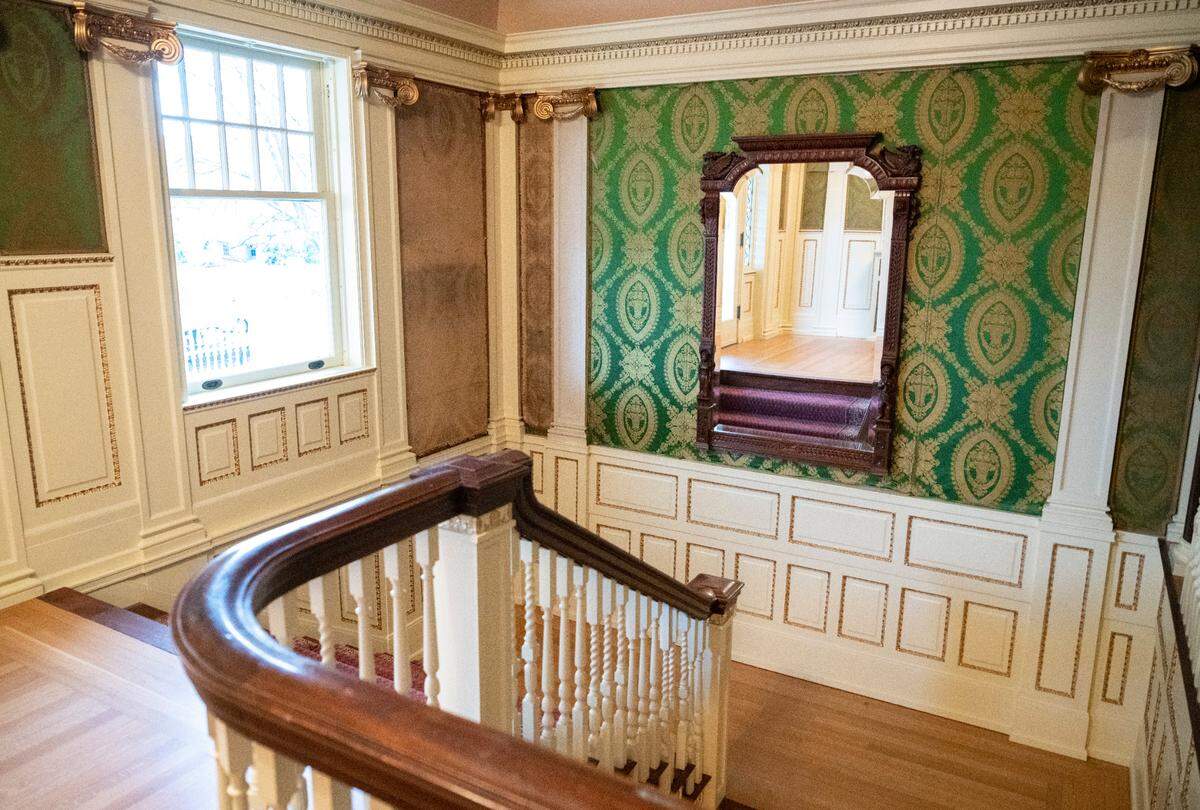
All of the mansion’s floors — a combination of oak and fir — needed refinishing. The house, inside and out, needed painting. Embossed vintage silk wall coverings needed repair.
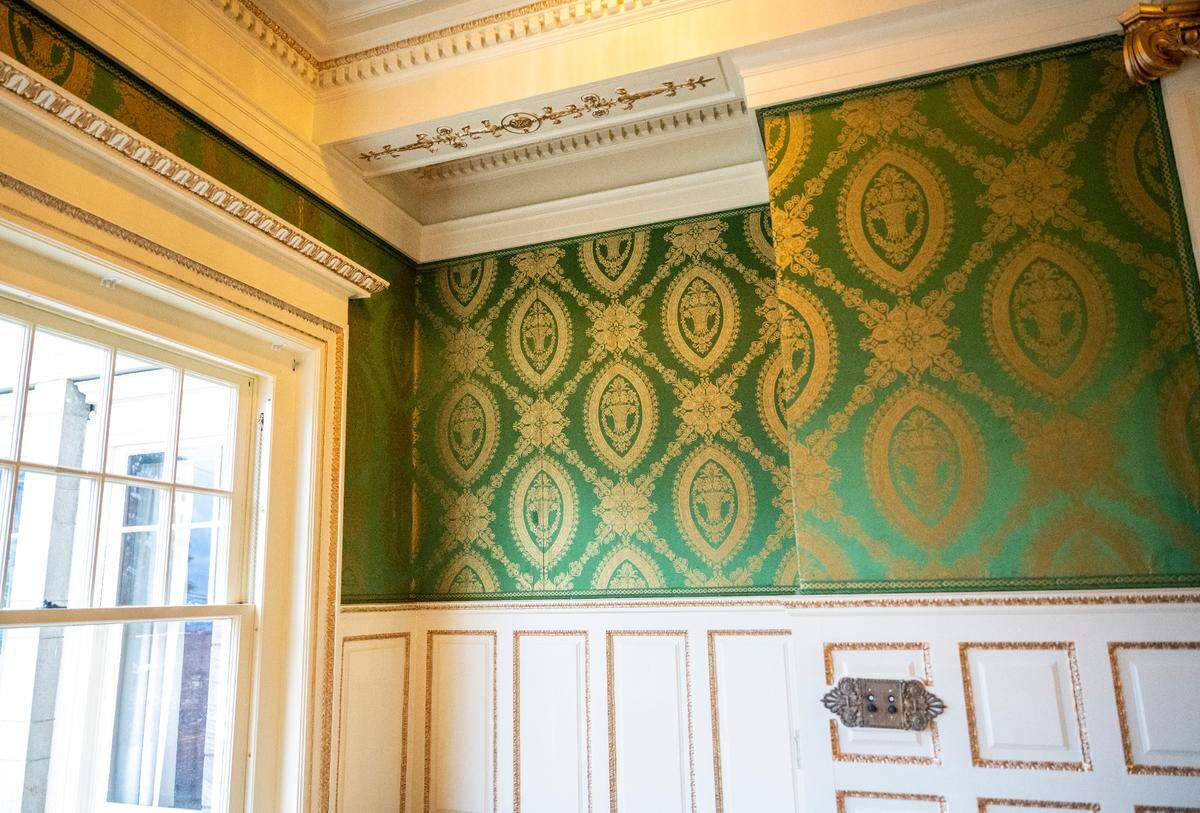
For Burks, it was a seemingly never-ending to do list.
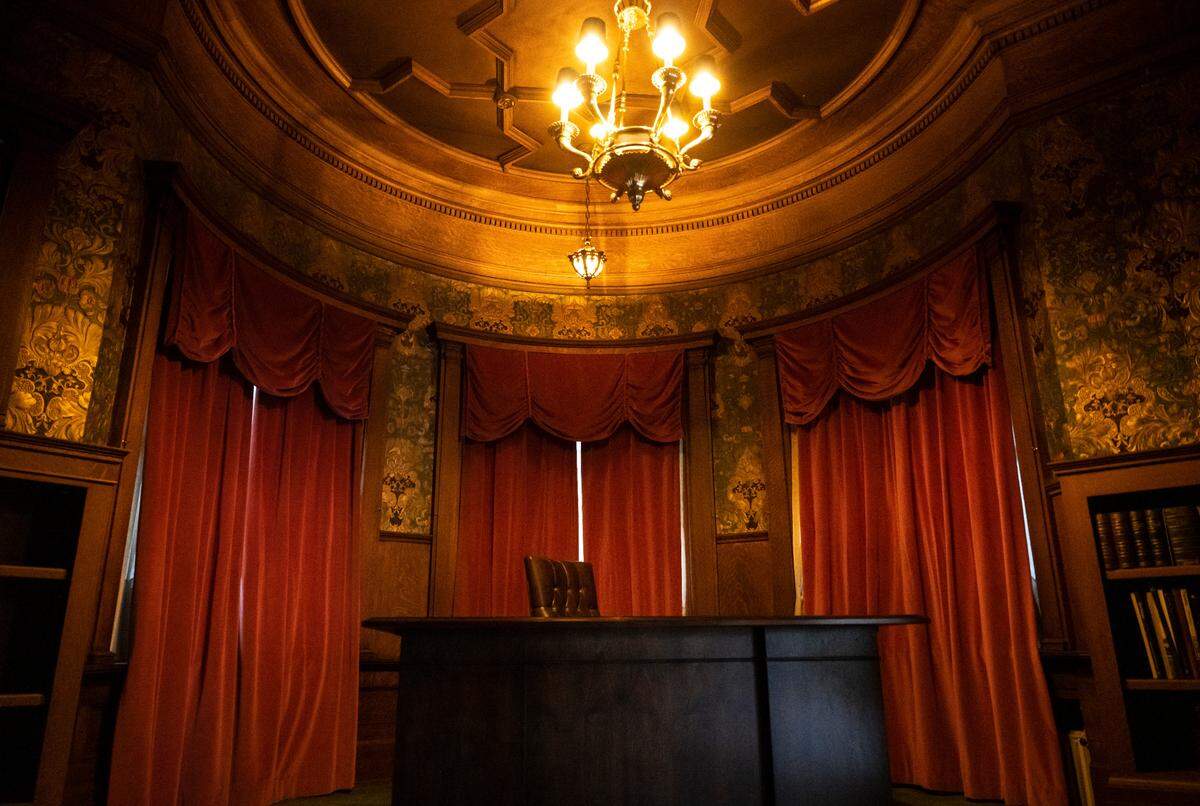
Today, the home feels like the Rusts just moved out. Rust’s office still bears the dark green, gold and red wall coverings and boxed wood ceiling from his time there. A vintage phone sits on a shelf, still wired into the home.
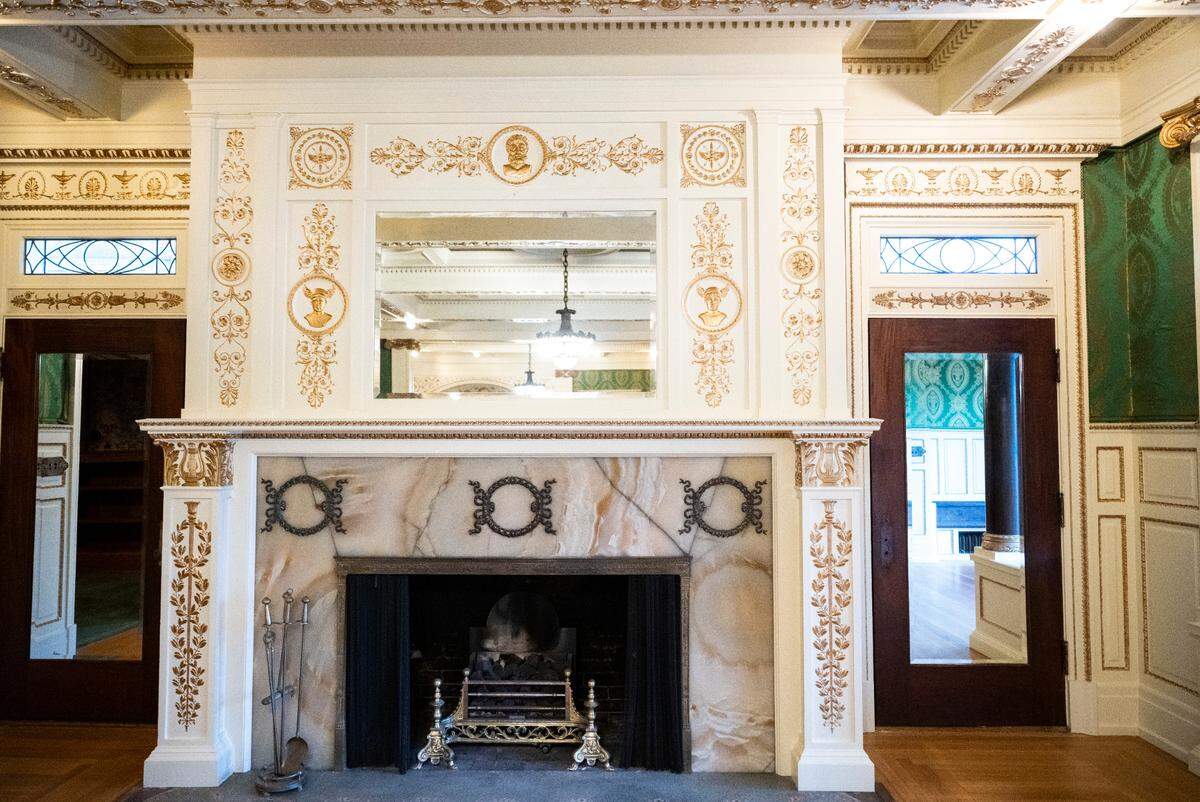
The most spectacular space is the home’s great room with two stone fireplaces and ornate woodwork. It’s where Burks and friends spent an estimated 700 hours painting the gold decorations on walls and ceilings. Now, the Greek god Hermes — one of the many ornate details — shines in golden splendor over a fireplace.
Passers-by on I Street have watched the dingy and flaking paint and rotting facade come off the building over the past several months. Now, it looks brand new with the original paint scheme of white and cream contrasting with sandstone walls.
Burks used Lancaster White and Philadelphia Cream from Benjamin Moore & Co. They are the same palette used on the home in 1905. She repeated the colors inside as well.
Hidden rooms
Burks and her crew uncovered three rooms that had been blocked off for years, possibly decades. One contained a window that illicit booze could be passed into during Prohibition. Another room contained materials used to construct the home.
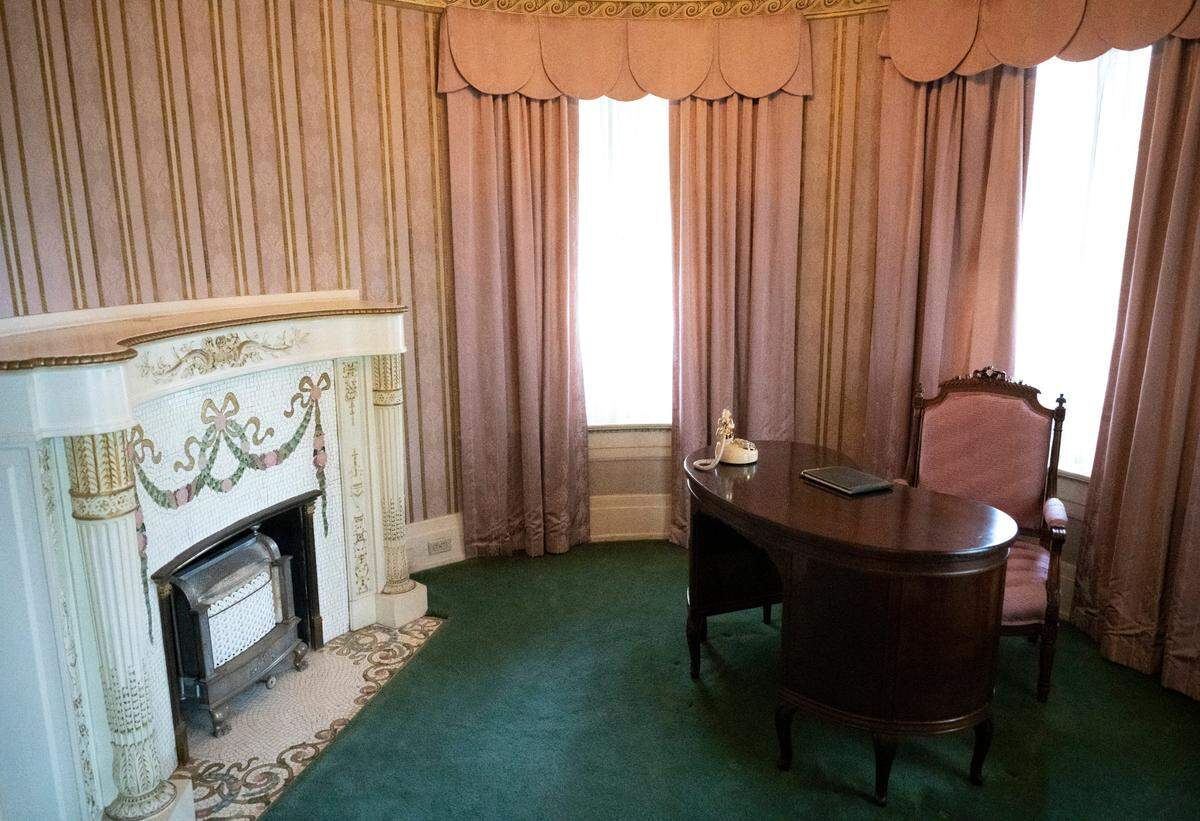
One room that had been sealed off during its apartment days is Helen Rust’s office. Smaller than her husband’s, the room contains pink drapery and a fireplace with a flowery motif. Burks attributes its preservation to its time capsule-like isolation from the rest of the home.
There are no mystery movie-style hidden rooms behind bookcases, but a battery-powered button in the home’s dining room opens a secret liquor cabinet.
A similar button halfway up the home’s main staircase lined with mahogany columns seems to operate nothing, Burks said while pressing it. It’s possible that it operated a now forgotten feature like the dining room’s hidden door.
Honoring tradition
In May, historical preservation group Historic Tacoma raised questions publicly over Burks’ intentions and their concerns over permitting. Both Burks and the city said the permitting issue was a miscommunication and it was quickly resolved.
The social media lashing Burks took over the controversy soured her on future historical projects.
“It made me feel a little disappointed,” Burks said. “It definitely is going to deter me from doing this ever again.”
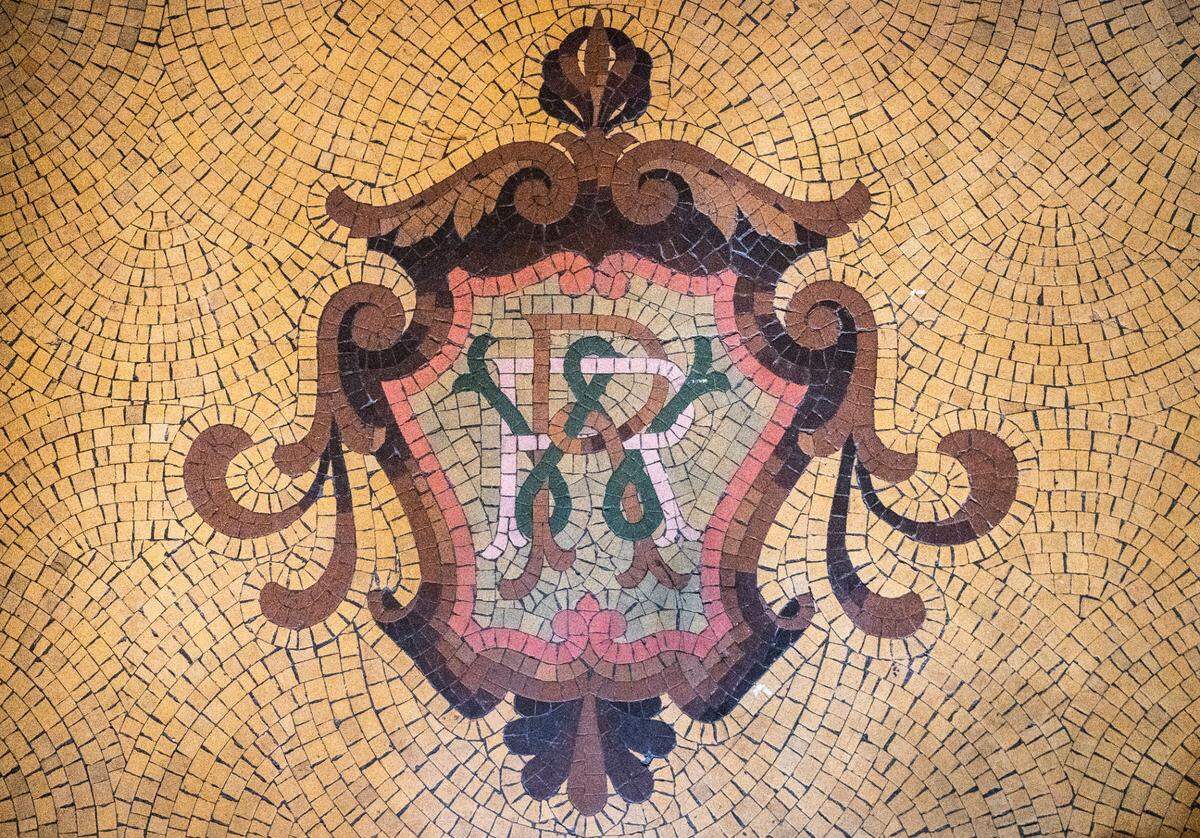
Burks said she never had any intention of modernizing the outside or inside of the home, which is listed on national, state and local historical registers. The only modern update she made to the house are stone counter tops in the kitchen.
Hexagonal tiles in an upstairs bathroom are 1/4-inch larger than the originals, which had to be replaced. She said the size difference still bothers her.
The top, fourth floor of the home contained servants quarters. They were in the worst shape and required two weeks of work just to remove debris, Burks said. The four-bedroom, two-bath, two-living room space is larger than many homes.
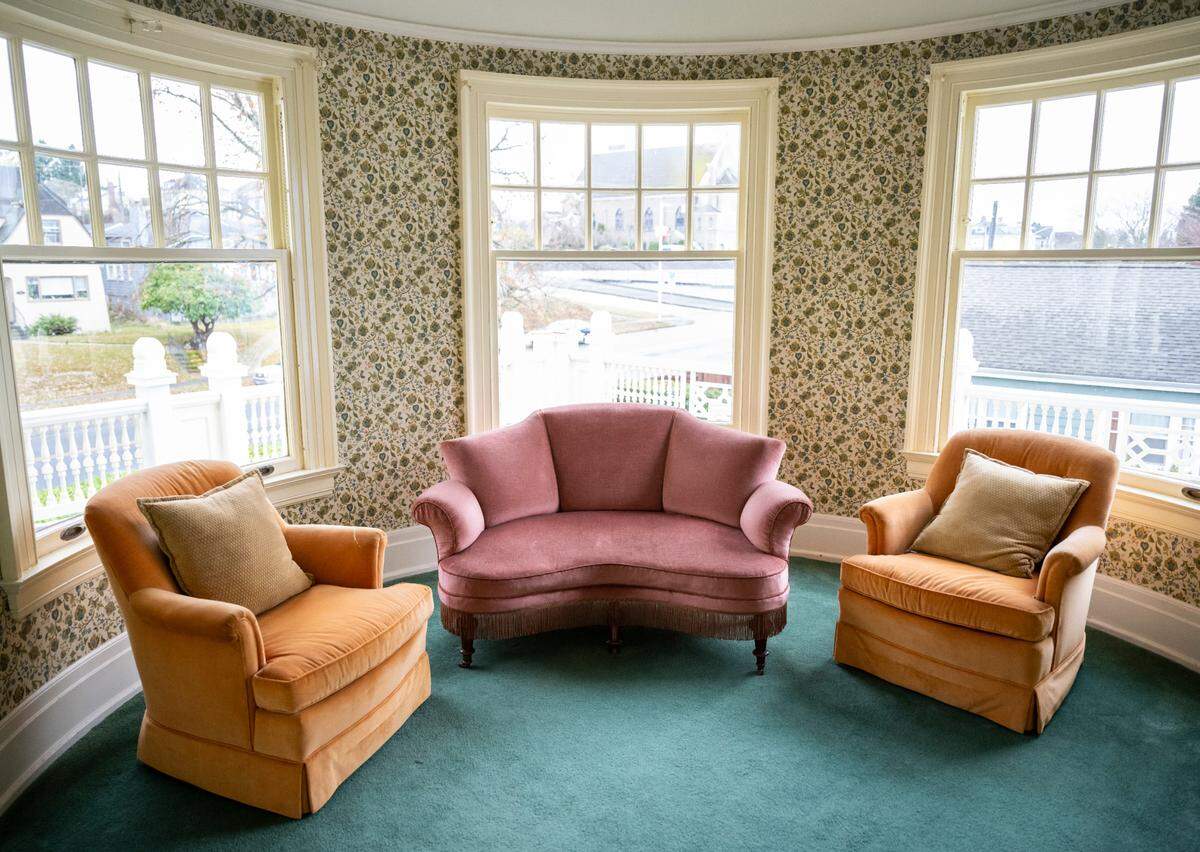
The sheer size of the home raises a question: Who would buy it? A large family, someone interested in history or an events planner are likely candidates, Burks said. The house and grounds could accommodate a wedding, the reception and most of the wedding party.
Saying goodbye
Burks hopes to list the property within days. The sale will be emotional for Burks. She’s gotten attached to the house over the past year as she’s spent days and nights working on it.
“It didn’t really hit me until we got to this point,” she said. “It’s a little bit of a heavy heart.”
Burks’ late husband, Bryan Meade, often said the only historical home he would consider buying was the Rust Mansion.
“I frequently wonder if he’d be proud,” Burks said. “I think so. I think he’d be blown away by the time and the cost of the job.”
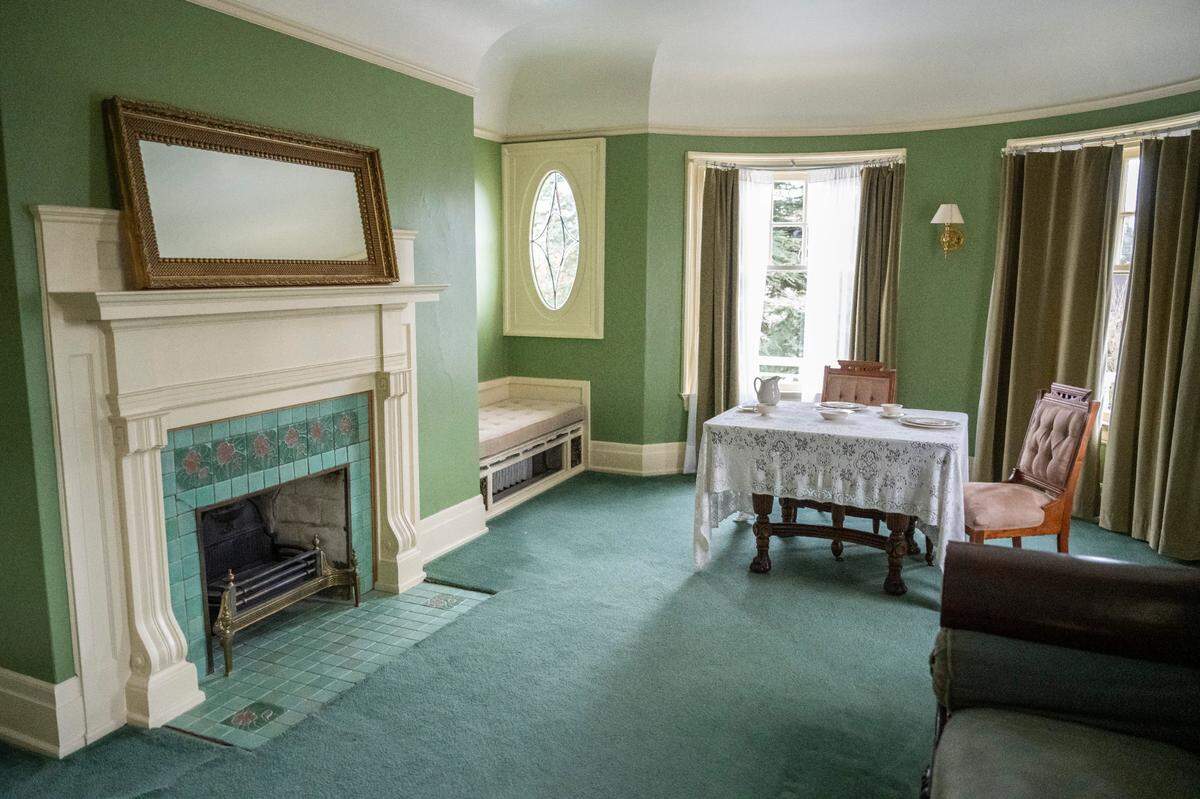
During long nights working alone at the home she’s often thought of what life would have been like there, built before air travel, television and shopping malls. She thinks the Rusts would approve.
“I think they’d be happy of what we accomplished here,” she said. “I think we really did put it back to how they had it.”