This Lakewood dog park will close next week so poison hemlock can be killed
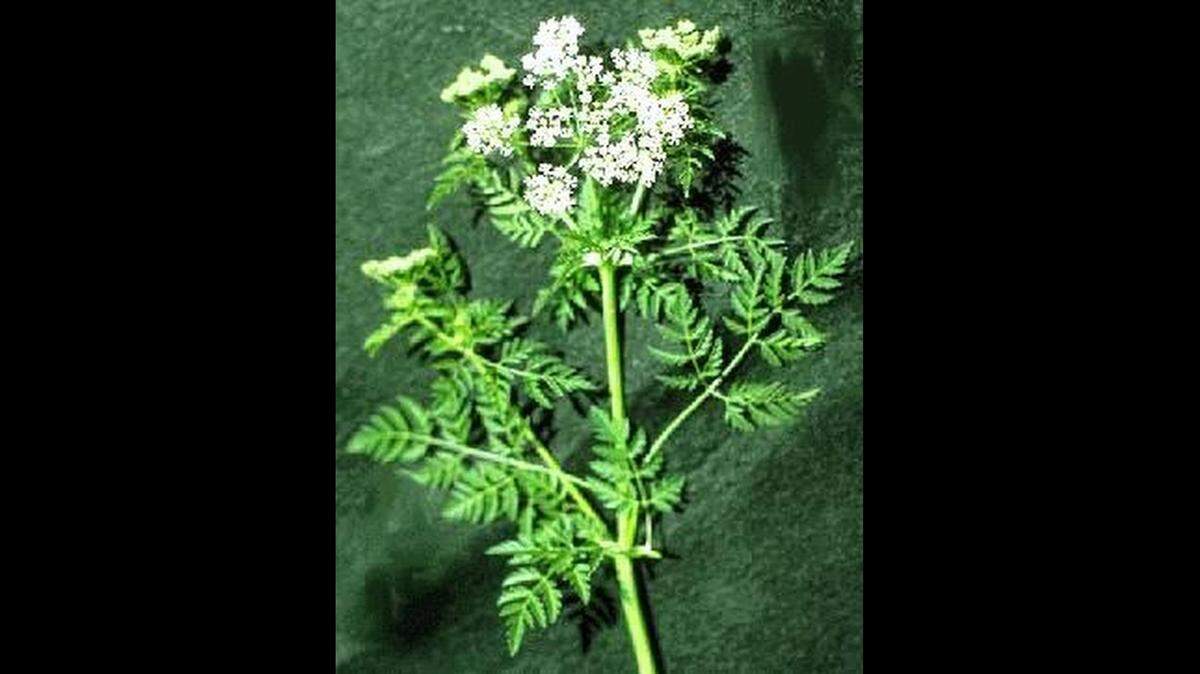
It’s the substance that killed the Greek philosopher Socrates and, in 2010, a Tacoma woman. Now a patch of poison hemlock will force the temporary closure of a Lakewood dog park in order to eradicate it.
The city of Lakewood announced Wednesday that it will close the Fort Steilacoom dog park May 17-18 in order to remove the noxious weed.
Commentators on the city’s Facebook post were not happy with the week long delay between the announcement and the park closure. Some said they had complained about the poisonous weed a year ago.
On Thursday morning, city crews fenced off the patch of poison hemlock.
City crews will spray the plants with an herbicide next week, Lakewood spokesperson Brynn Grimley said Wednesday. The off-leash dog park spans 22 acres.
“This is something we do every year,” Grimley said. There are patches across the city that are sprayed annually, including at the dog park.
The announcement was made to alert users of the upcoming closure and to take advantage of good weather.
“It’s been shrinking,” Grimley said of the hemlock patches. “We’ve not received any reports of dogs eating it or getting sick.”
Poison hemlock (Conium maculatum) is native to Europe and Africa. In Washington, the plant appears on a number of noxious weed lists. The Pierce County Noxious Weed Control Board places it in on its Terrible Ten list.
The board states that all parts of the plant are extremely poisonous to humans and livestock and it advises wearing gloves and protective clothing when handling it.
The plant should be placed in garbage containers and not burned or composted.
According to the board, poison hemlock has the following characteristics:
— Biennial (takes two years to flower).
— Can reach 8 feet tall.
— Produces a basal rosette with fern-like leaves in its first year.
— Produces a tall stem with distinctive purplish blotches and dark green, glossy, leaves in its second year.
— Has flat-topped clusters of small, white flowers.
In 2010, a Tacoma woman who possibly thought the plant was a wild carrot put it into a salad she prepared. She later died from the plant’s toxic effects.
This story was originally published May 11, 2023 at 5:00 AM.