Puyallup woman recovering after tick bite sends her to hospital. Here’s how to stay safe
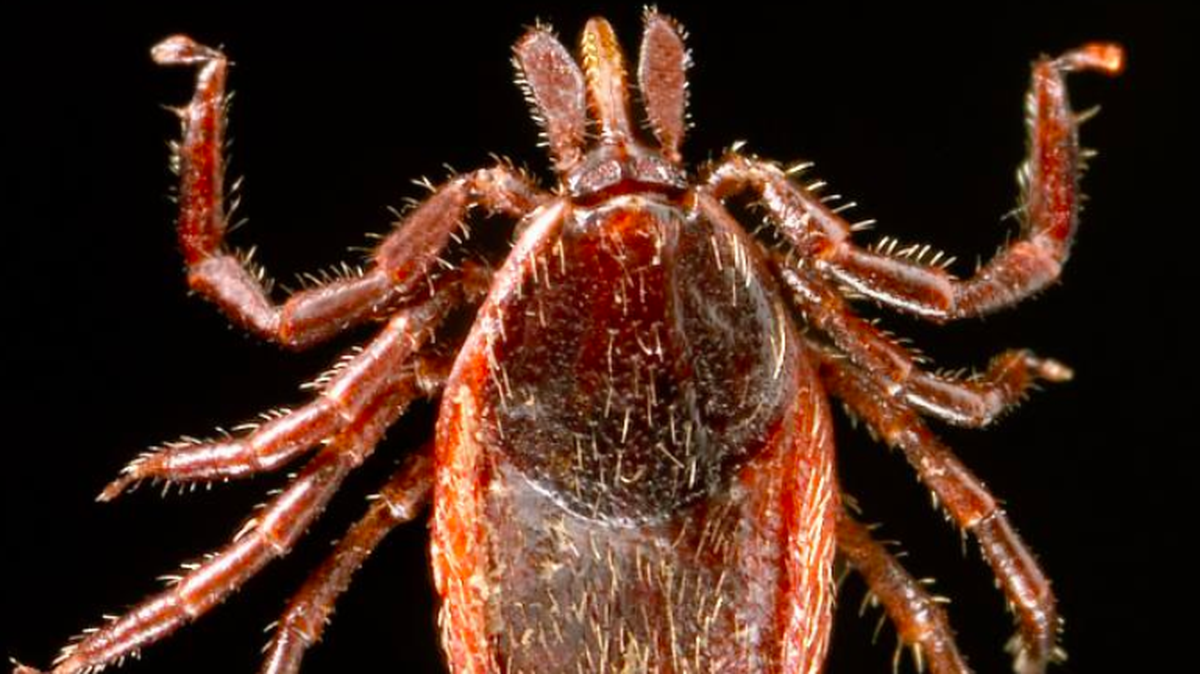
The Tacoma-Pierce County Health Department on Friday issued an alert for residents after a rare tick-borne disease was reported in the area.
The health department said that in June, a Puyallup woman in her 40s was diagnosed with anaplasmosis, a disease spread to people primarily through tick bites.
TPCHD said the woman was hospitalized and is now recovering at home.
According to the U.S. Centers for Disease Control and Prevention, symptoms of anaplasmosis include fever, headache, chills, aches and also nausea and/or vomiting.
“Doxycycline is the drug of choice for adults and children of all ages with anaplasmosis,” the CDC notes.
According to TPCHD, the woman had “spent time in wooded or brushy areas in Puyallup and Eatonville during the time she was likely exposed and did not travel outside of Washington.”
It noted that state officials “previously found low levels of the bacteria that causes anaplasmosis in western blacklegged ticks collected in Washington.”
The health department also posted the news on social media.
While several dogs in the state have been diagnosed with the disease, “This is only the second report of a case in a human with no travel outside of Washington,” TPCHD said in its alert posted Friday, with the other human case reported last August involving a Whatcom County man in his 80s.
“Officials believe he was infected in Mason County,” TPCHD added.
The tick-borne disease is more common in the upper Midwest and Northeastern sections of the United States, and TPCHD said, “Most cases in Washington are in people with recent travel to those areas.”
Symptoms usually begin five to 21 days after an initial bite from an infected tick. While the symptoms are generally mild to moderate, it can cause severe illness if treatment is delayed or the person is immune-compromised.
TPCHD suggests the following precautions if you plan on being in an area likely to include ticks, such as wooded or brushy areas with tall grass:
▪ Use EPA’s online tool to find a registered insect repellent and apply to exposed skin.
▪ Treat clothing and gear with products containing 0.5% permethrin.
▪ Walk in the center of trails and avoid brushing against tall grass.
▪ Wear light-colored clothing so you can spot ticks more easily. Long sleeves and pants can also help deter ticks.
▪ Check yourself, your clothing and your pets for ticks after time outdoors and remove any immediately. The CDC offers a “tick bite bot” online you can use to assist with instructions on safe removal.
▪ Call your health care provider if you believe you’ve been infected or experience symptoms.
More information is available online at the Washington State Department of Health and CDC’s websites.
This story was originally published July 14, 2023 at 12:35 PM.