Here’s what we know about SafeSport, which has suspended a Gig Harbor gymnastics coach
Reports of sexual, physical and emotional abuse of minors in amateur or youth sports have become more prevalent in the past decade, according to the U.S. Center for SafeSport.
One of the most prolific cases of abuse in the Olympics in recent years was that of Larry Nassar, an Olympic sports doctor who in 2018 was sentenced to 40-175 years in jail for his abuse of over 100 Olympic athletes that spanned over 25 years. As a result of this case, and many other abuse scandals in Olympic sports, Congress passed the Protecting Young Victims from Sexual Abuse and Safe Sport Authorization Act of 2017, and the U.S. Center for SafeSport was created.
The U.S. Center for SafeSport is a nonprofit “dedicated to ending sexual, physical and emotional abuse in U.S. Olympic and Paralympic sports,” SafeSport’s senior director of communications and media relations, Hilary Nemchik said in an email.
The center is independent from the U.S. Olympic and Paralympic Committee (USOPC) and has jurisdiction over the 52 National Governing Body (NGBs) of sports. It has the authority to prevent abuse and misconduct by developing safety policies as well as investigating and resolving claims of abuse and misconduct. USOPC and NGB participants are governed by the center’s Safesport Code, and all NGBs must adhere to the center’s Minor Athletes Abuse Prevention Program (MAAPP).
MAAPP is made up of policies that guide interactions between adults and young athletes in various settings, according to SafeSport. The center has an “auditing compliance team that audits NGBs annually to ensure that these policies are in and are being put into practice,” Nemchik said.
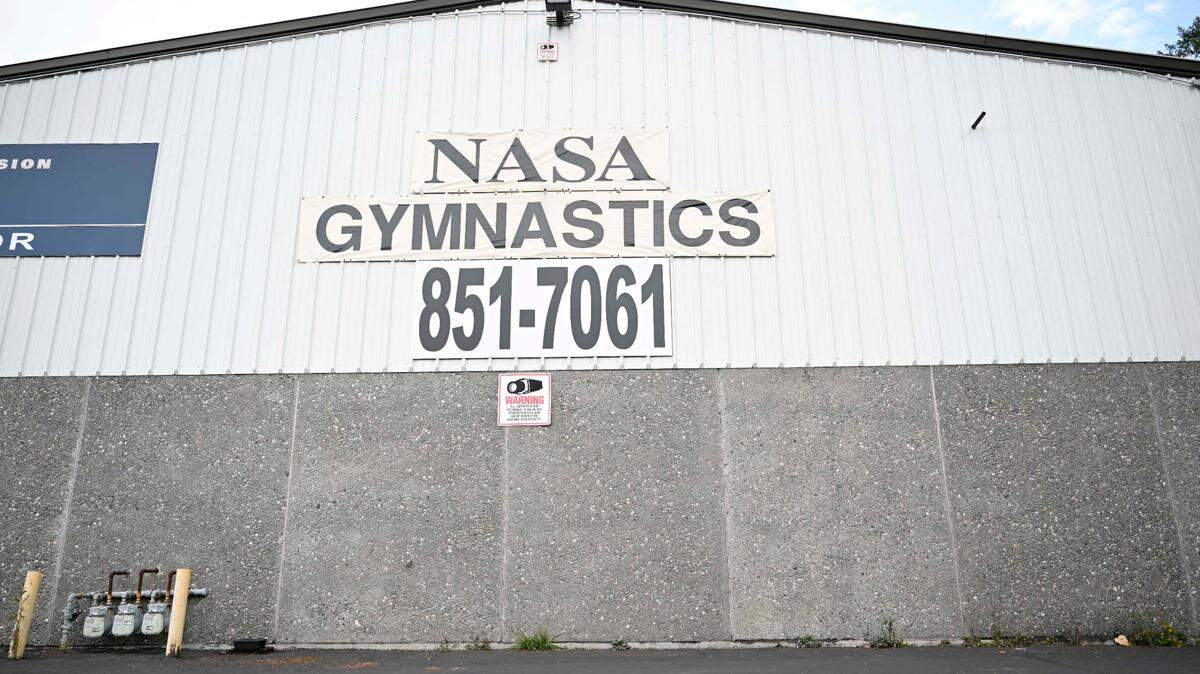
Between 2017 and December 2022, the center received over 16,000 reports of abuse and issued nearly 2,000 disciplinary reports on adults, according to the Congressional Research Service (CRS) report. A Gig Harbor gymnastics coach was placed on the Centralized Disciplinary Database, SafeSport’s suspension list, on Sept. 6, 2023, after a 15-year-old athlete that he coached made sexual misconduct allegations against him.
The database is public and accessible to everyone at uscenterforsafesport.com.
The center has received $20 million every year from the USOPC since 2021 after Congress passed the Empowering Olympic, Paralympic and Amateur Athletes Act in 2020.
The Department of Justice was also authorized by Congress to provide the center with grants up to $2.5 million per year, according to a Congressional Research Service (CRS) report.
Additional funding for the center comes from donations, grants and fees from training programs.
SafeSport response and resolution process
The center’s response and resolution process has three phases: intake, investigation and resolution. The center serves as a neutral party during investigations, and its “staff of expert, caring professionals carries out the investigative process fairly for claimants, respondents, and third parties alike,” according to the SafeSport website. Below is an explanation of the center’s response and resolution process along with how to file a report.
Filing a report
Individuals who have experienced abuse or misconduct by an individual that is affiliated with the U.S. Olympic and Paralympic Movement can file a report online or by calling the center at 833-587-7233.
Filing a report online can be done anonymously and is free of charge.
The center has operators available Monday through Friday from 8 a.m.-4 p.m. MST to take reports over the phone.
Intake Overview
Once the center receives a report of abuse or misconduct, it assesses if there is a need to contact law enforcement and then verifies if the center has jurisdiction over the report. In order for the center to have jurisdiction, it needs to verify that the respondent in the claim is a participant in the Olympic movement and that the misconduct reported violates SafeSport Code.
If the center decides to exercise jurisdiction, it will contact claimants to gather information and evidence and to discuss the process of the investigation as well as to consider temporary measures. Claimants are not obligated to speak or provide information to the center after filing a report and are allowed to have an advisor throughout the process. An advisor can be a family member.
If there is sufficient information and evidence, the center will open a formal investigation into the claim. If there isn’t sufficient information, the center might administratively close the matter but can reopen the case if more relevant information comes out in the future.
Investigation process
The center has an investigative team that is made up of professionals with experience as law enforcement officers, attorneys and detectives.
“We have a very robust investigative team with experience that ranges from law enforcement, local, federal, state, child protection and social workers, so a broad level of experience of individuals to look into these cases,” Nemchik said. “ They do a thorough investigation and then we’ll make a determination of whether there is a finding of a violation of the SafeSport code and if so, we have an independent team that looks at what an appropriate sanction would be for that violation.”
The investigative process is made up of four steps: case assignment and preparation, interviews, evidence collection and review and the draft and review of the investigation report.
Once the case is assigned, the investigator will review the case file and then proceed to interview the claimant, respondent and any witnesses that have relevant information to the investigation. The center sends the respondent a Notice of Allegation before the interview process begins to notify them about the investigation. Claimants and respondents can submit documents and media files or any other form of evidence to the investigator.
The investigator then works with a supervisor to draft a confidential investigation report that includes: an outline of the alleged misconduct, analysis of available evidence, a record of interviews and the investigator’s findings.
Resolution
Once an investigation report is approved, it is sent for legal review and then the center’s attorney’s write a notice of decision. If the center finds that the violation occurred, the notice of decision along with a report are sent to the Case Resolution Committee. That committee then decides which, if any, sanctions are placed on the respondent.
After the committee decides on the appropriate sanctions, a link to the Notice of Decision and Investigation Report is emailed to the claimant and respondent. Recipients have 10 business days to review the documents. The respondent is able to challenge any decision by requesting a hearing with an independent arbitrator.
Once the investigation is concluded and the case resolution team decides on the appropriate sanction, the respondent will be placed on the center’s suspension list, called the U.S. Center for SafeSport’s Centralized Disciplinary Database.
Centralized Disciplinary Database
The U.S. Center for SafeSport’s Centralized Disciplinary Database, is a list that contains the names of individuals associated with the U.S. Olympic & Paralympic Movements who have either received temporary restrictions during an ongoing investigation or have received sanctions for violating the center’s code.
Nemchik said that the database lists 2,000 individuals that have been temporarily suspended, that are on probation, are ineligible or are permanently ineligible from participating in any event that is connected to the USOPC. The database contains the names of eight coaches from Pierce County that are either ineligible or permanently ineligible for violating the center’s code.
Aside from providing the names of the individuals, the database also has sections that provide information about the accused individual’s location, sport affiliations, the misconduct type, sanction(s), why they received the sanction(s) and date of issuance.
The names of the individuals who are permanently ineligible from participating in USOPC related events will remain in the database. The names of the individuals who are not permanently banned will be deleted from the database once their suspension is up.
The national governing body of sports from which individuals in the database belong are in charge of ensuring that a person that is suspended or banned from participating in a sport doesn’t come back, but that does not mean that an individual cannot participate in sports outside of the Olympic and Paralympic movement.
“If somebody wanted to go be the high school basketball coach or something, there isn’t really a way for [employers] to know unless they check this database if the case didn’t rise to the level of a criminal charge or conviction,” Nemchik said.
Sanctions for violating SafeSport Code
Once the investigation is resolved and there is sufficient evidence that supports a finding that a participant violated the code, the center will determine whether a participant may participate in sport or to what extent they can participate and can impose one or more sanctions.
Below is how the center’s code defines each sanction.
Written warning
A written warning is an official and formal warning that a participant has violated the center’s code and more severe sanctions could come as result if the participant is involved in other violations.
Probation
A probation sanction is a specific period of time that, if further violations of the center’s code occur, could result in additional disciplinary measures, including a period of suspension or permanent ineligibility as well as loss of privileges, restrictions or requirements.
Suspension or other eligibility restrictions
A suspension is a time period where an individual is prevented from participating in any program, activity, event or competition that is sponsored by, organized by or under the guide of the USOPC, any NGB, or any local affiliated organizations (LAO). The center can, at its own discretion,restrict an individual from some types of participation, but allow participation in other capacities. A suspended individual can return to participating in sport after their suspension expires, and after satisfying specific conditions that were indicated at the time of suspension but may still be subject to restrictions upon reinstatement.
Ineligibility
An ineligibility sanction means a person cannot participate in any program, activity, event or competition that is sponsored by, organized by or under the guide of the USOPC, any NGB, or any LAO, or at a facility that is under the jurisdiction of any of those groups until further notice. This sanction is usually imposed while a respondent has pending charges, in violation of the criminal charges or disposition provision.
Permanent ineligibility
Permanent ineligibility means an individual is permanently barred from participating in any program, activity, event or competition that is sponsored by, organized by or under the guide of the USOPC, any NGB, or any LAO, or at a facility that is under the jurisdiction of any of those groups
Other discretionary sanctions
The center can impose other sanctions, at its discretion, for prohibited conduct such as loss of privileges, no contact directives, requirement to educational or other programs, or other restrictions as deemed necessary.
Educational resources
The center is required to serve as an educational resource and develop training and procedures to prevent abuse, according to the Empowering Olympic, Paralympic and Amateur Athletes Act.
The center provides educational courses and programs for young athletes, parents/guardians and coaches, most of which are accessible to the public for free.