Acclaimed WA artist’s work was gone forever until a ‘treasure trove’ was found in old garage
Judith Altruda and Marcy Merrill carried flashlights as they climbed the stairs up to a musty loft on a cold day in February 2019. The friends were poking around what had once been a Grayland auto shop. Now, it was just a decaying building along state Route 105.
Altruda, a metal smith, and Merrill, a photographer, were looking for paintings by Eugene Landry, a Shoalwater Bay Indian Tribe member who survived a crippling disease as a teenager, spent two years in the notorious Cushman Indian Hospital in Tacoma and lived the rest of his life without the use of his legs and later his hands.
Tokeland-based Altruda had only briefly known Landry in the 1980s. But an off-hand comment by a visitor to her studio had brought back a flood of memories. And questions. What became of the talented artist’s work?
Despite his disability, Landry became an acclaimed classically trained painter. He spent nearly his entire adult life creating paintings and drawings, much of it chronicling life on his small reservation. Landry died in 1988 at age 50 and the bulk of his remaining personal work soon disappeared.
A natural detective, Altruda followed lead after lead until she finally found herself outside the old garage, steps from the ocean. The elderly owner stayed outside as Altruda and Merrill checked out a rumor that the building might contain a few examples of Landry’s work.
“We go inside and it’s pitch black because there’s no electricity,” Altruda recalled. “The building hasn’t had power for many years.”
The space was piled with junk, furniture covered with moldy bed sheets and mouse droppings. Altruda moved aside some debris and soon found paintings — cheap motel style paintings. She was crestfallen.
“And then I lift one painting off another and there’s a Gene Landry,” she recalled. ”I could recognize his style, even in flashlight.”
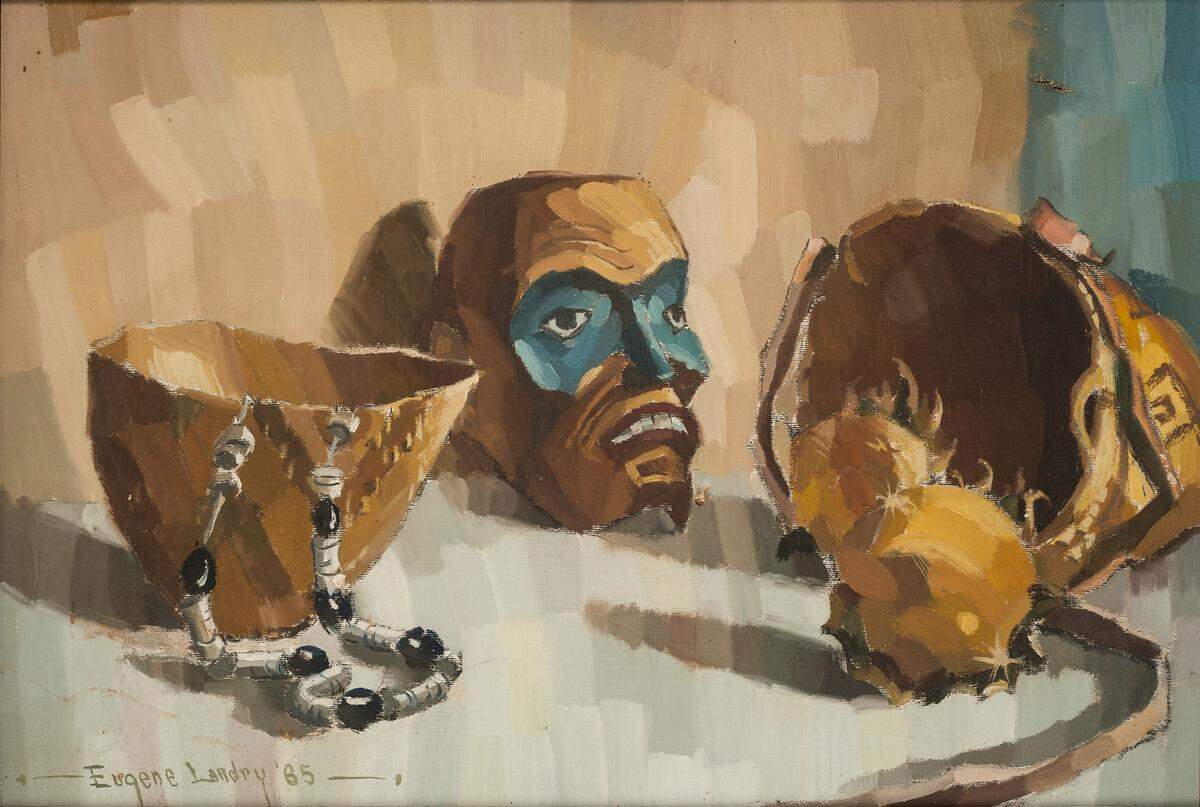
As she dug, painting after painting emerged, each with Landry’s distinctive style of almost cubist brush strokes and 1960s subject matter.
Eventually, more than 60 of Landry’s paintings and drawings were uncovered that day.
“It was unbelievable,” Altruda recalled. “It was like discovering a long lost treasure that you didn’t even expect to be there. All those faces of the portraits coming out of the dark.”
The building’s owner was happy to sell them to Altruda.
Now, after restoring the cache of paintings, Altruda has created an art show, written a book, begun another and tracked down those who knew Landry, including a cousin in Spanaway with his own stories.
Growing up on the rez
Landry was born in 1937 during the Great Depression on the Quinault reservation, a land of dense forests and undisturbed beaches. His biological parents were members of the nearby Hoh and Quileute nations.
As an infant, he was adopted by Alfred and Myrtle Landry.
“The family was going through hard times,” Altruda said. “And Myrtle and Fred Landry also lived at that time in Tahola. And they were friends. They had a connection ... it’s a village.”
Alfred, who also went by Al and Fred, was a Chippewa from North Dakota. His wife, Myrtle Charley, was the daughter of the last hereditary chief of the Shoalwater tribe, Roland Charley.
The Landrys raised their son on the Shoalwater reservation. One of the smallest reservations in the nation, its 334 acres on Willapa Bay are bisected by SR 105 as it travels between Raymond to the east and Westport to the north.
Struck down
Growing up, Eugene Landry was fiercely athletic, competing in track, football and boxing at Weatherwax High School in Aberdeen.
Landry had a rebellious stage in his teen years and went to live with his cousin Alex “Kootch” Landry in Tacoma to let everyone in the family cool off for a bit, according to Kootch’s son, Gabriel Landry. Eugene and Kootch were close because Alfred Landry had raised Kootch from a teenager into adulthood.
“Gene and my dad were like brothers,” Gabriel said.
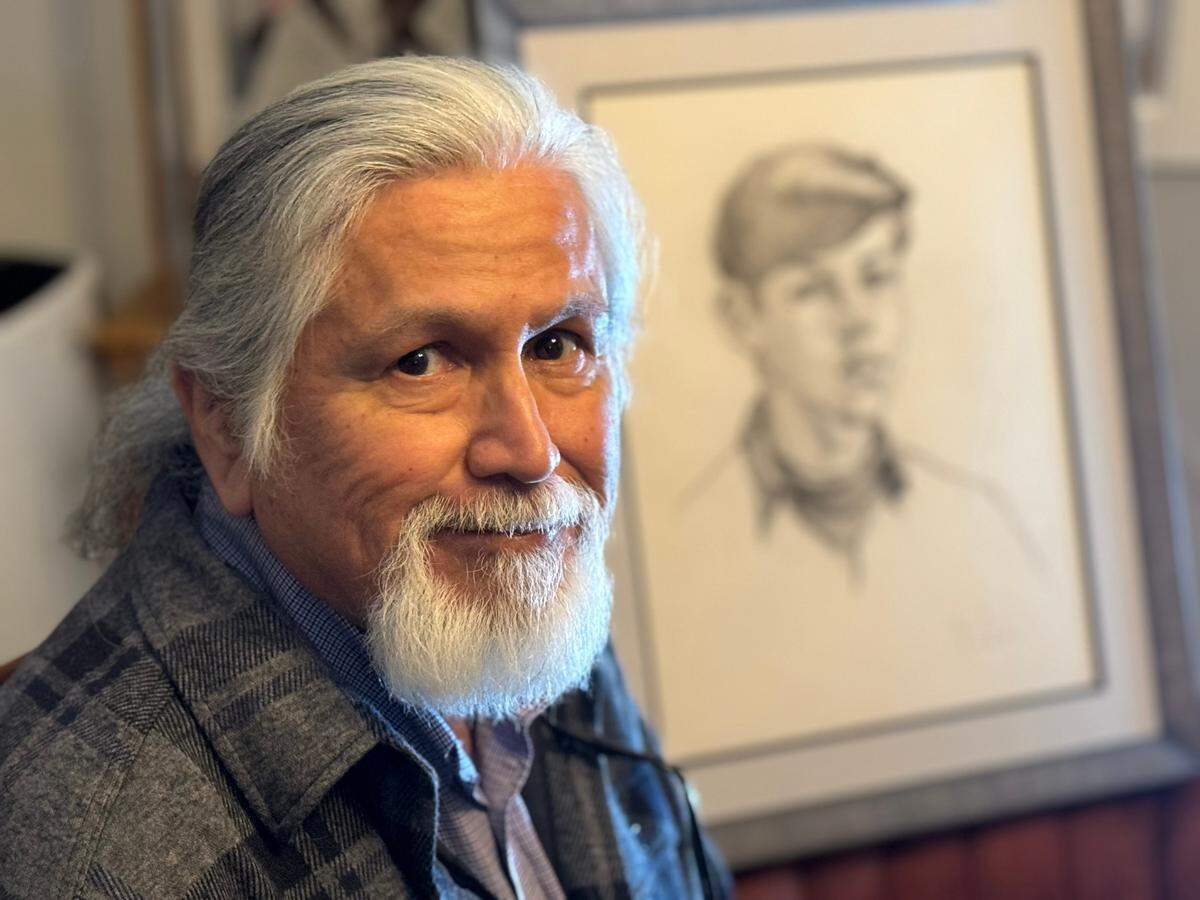
“I must have been five or six and I have some vague memories but mostly I remember his car, which was a little red Ford hot rod,” Gabriel said. “My sister says she remembers being driven to school in it and said she didn’t know if she was supposed to be proud or embarrassed.”
Landry eventually patched things up with his parents and moved back to the reservation.
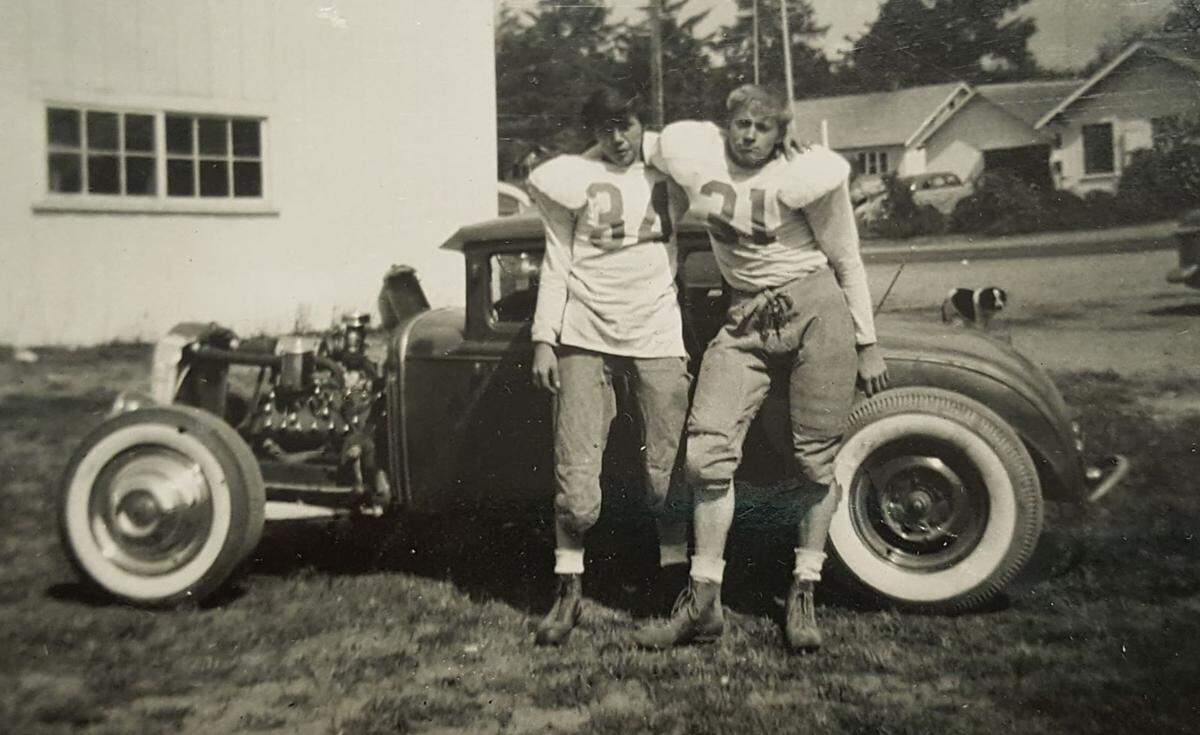
A 1950s photograph shows Landry with dark, tousled hair and his arm around a friend’s shoulders as they pose with Landry’s hot rod. They’re in football uniforms with shoulder pads that give them heft beyond their years.
But Landry never got to finish his carefree youth.
When he was 18 and driving to a football game at Weatherwax High in September 1955, he lost consciousness. A young cousin along for the ride took control of the vehicle.
Landry’s parents took him directly to the Cushman Indian Hospital on the Puyallup Tribe of Indians reservation, hoping for a quick recovery.
“Nobody knew what was wrong with him,” Altruda said.
He would spend the next two years at Cushman.
Cushman
Landry was diagnosed with spinal meningitis. The disease paralyzed his legs. Treatments at the hospital did little to help.
He was abruptly discharged in December 1957, according to a 1980 recorded interview with Myrtle, because she had repeatedly complained about neglect and demanded better care for her son.
Landry’s story was another in a long, tragic history of the hospital and its predecessors.
Just two years after Landry’s discharge, the hospital would be closed. The building was taken over by armed tribal members in 1976, one of the seminal moments in the American Indian civil rights movement. It was later turned into the tribe’s headquarters.
“It’s been like a butcher shop,” tribal member Ramona Bennett said in 2003 when the building was finally torn down. She lead the takeover of the building. “It’s been a place of great pain, and it needs to be purified.”
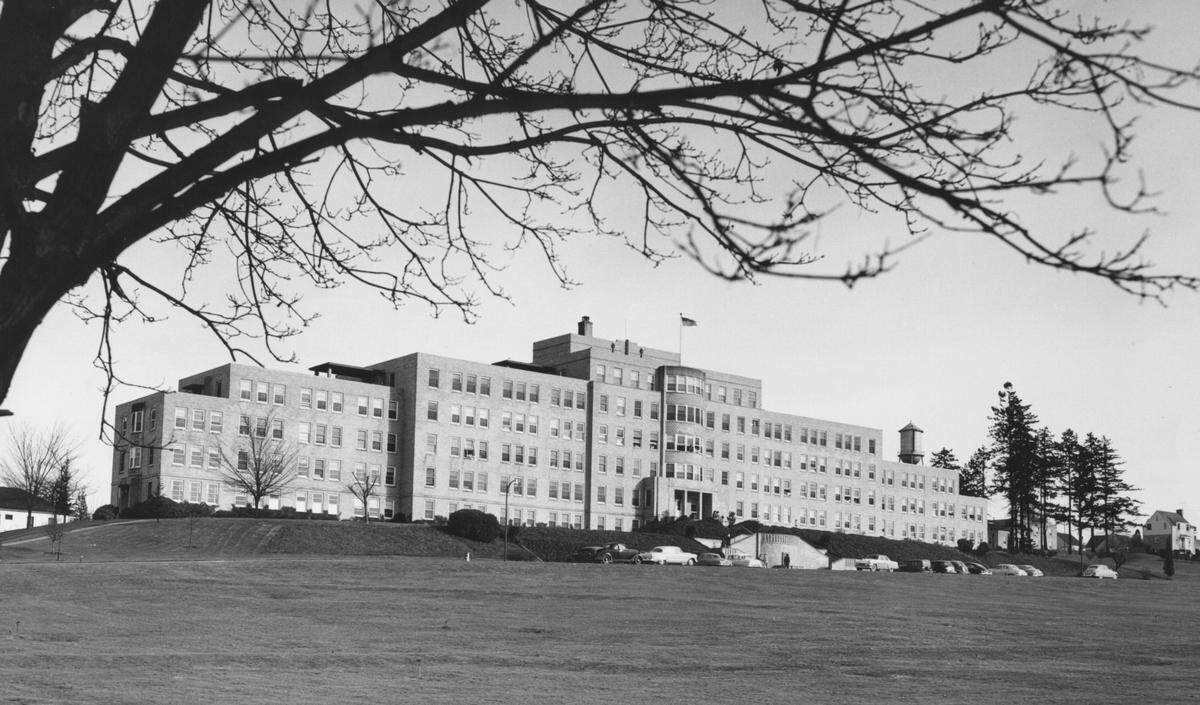
Prior to the hospital, the land had been the site of the Cushman Indian School, where the U.S. government furthered its goal of assimilating Indians into the general population by erasing their culture.
Indian agents forced children from around Western Washington to attend the Puyallup Boarding School, which opened on the grounds in 1871 and continued in varying degrees of operation until about 1920. Students were forbidden to speak their own language and complained of beatings and starvation. Runaways were common.
Death Ward
Eugene wasn’t the only Landry with history at the Cushman Hospital. Gabriel’s mother, Lena, entered it as a patient just after World War II after she contracted tuberculosis. She was placed on a ward that held other TB patients.
“She said it was the death ward,” Gabriel said. “Once you go into that ward, nobody ever comes out. She was given last rites.”
But Lena didn’t die. After seven years there, she outlived some of her doctors and was released, Gabriel said. She also met Gabriel’s father there. He worked in the laundry.
“Landry in the laundry,” Gabriel said with a sly smile.
“When the news got out that the hospital was going to be torn down, mom cheered,” he recalled, raising his arms in triumph.
“It was not a good place,” he said. “Many people died there. In the ward they experimented on people. They collapsed her lung on purpose.”
Lena Landry died in 2010, decades longer than her doctors had predicted.
Making Tacoma home
In early 1958, Eugene Landry was well enough to travel to the Rose Bowl in California with his family to watch a cousin play for the University of Oregon. Later that year, Landry’s parents moved to a home on East 45th Street in Tacoma. Alfred got a job as a crate packer at Boeing and Myrtle stayed at the house to care for her son.
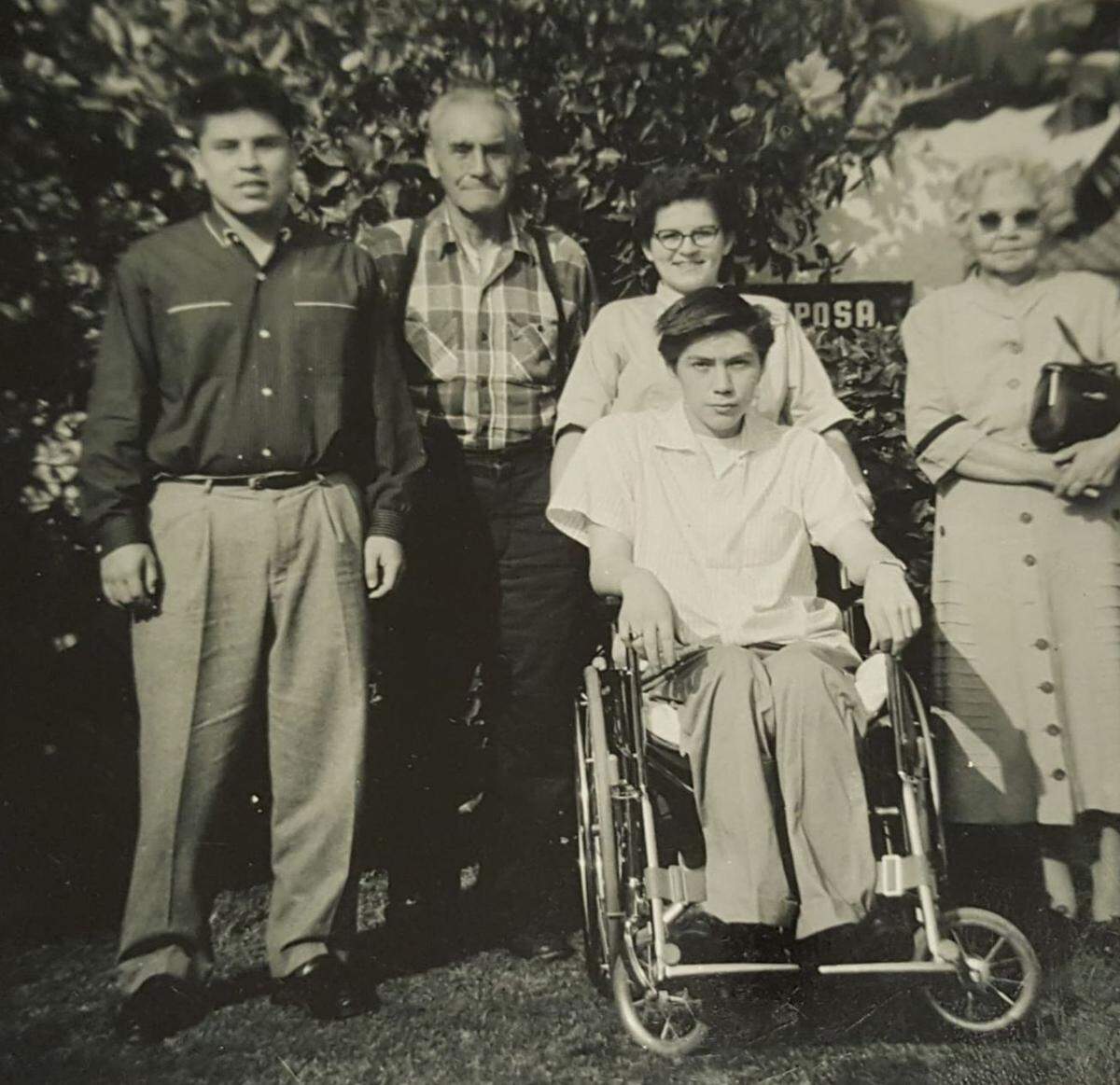
In 1960, Landry graduated from Lincoln High School as a home bound student.
In the early 1960s, Landry pursued his life-long interest in art by enrolling at the Leon Derbyshire School of Fine Art in Seattle and studying with sculptor Philip Levine. Derbyshire’s Old World, post-Impressionist style of painting, which he picked up in Paris in the 1920s, heavily influenced the young Landry, Altruda said. His subjects, however, differed from Derbyshire’s.
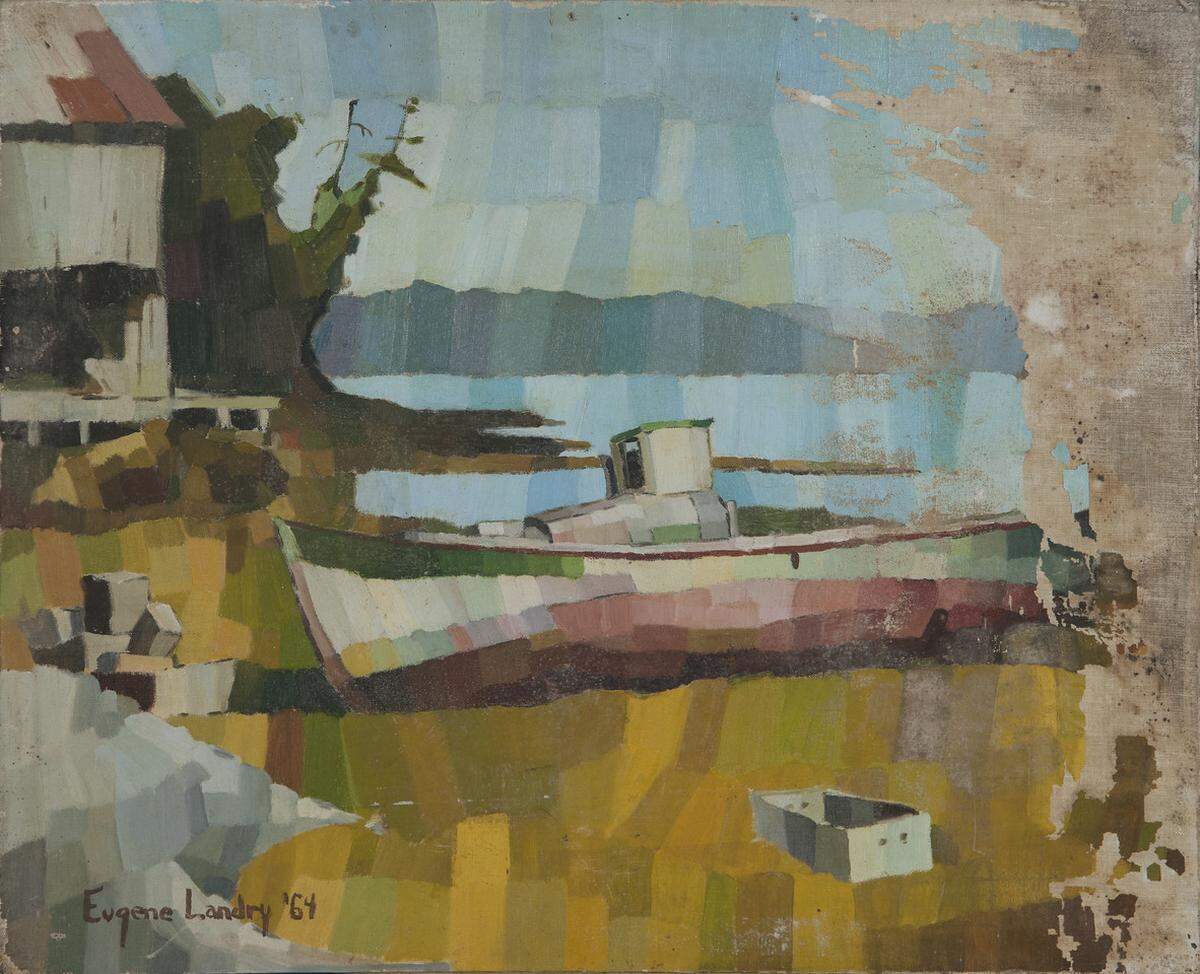
“Gene had that European style training, but he used that to paint the people around him, the scenery around him,” she said.
During his time at the Derbyshire school, Landry was staying at an Indian Health Service care facility. One day in 1961 or 1962, attendants there dropped Landry while they were moving him, injuring his right hand and arm — his painter’s hand. When he returned to the Derbyshire school, he began painting with his left hand.
It was at the school where Landry met the woman who would become his wife, Sharon Billingsley. The couple married in 1965 and moved to Tacoma in 1966.
Style
For Landry, painting was a way of life, Gabriel said.
“The whole act of creation,” he said. “Going out, finding a spot, setting up. It was an operation. But he loved to do it.”
While Landry sometimes delved into Coast Salish motifs, they were represented in paintings created in the “Derbyshire style.”
“I think he considered himself a classical artist. I asked him if he considered himself a cubist in some way because of the brush strokes and he (said), ‘No, this is Derbyshire School’,” Gabriel recalled with a resonant emphasis on “Derbyshire” as he mimicked Eugene’s voice.
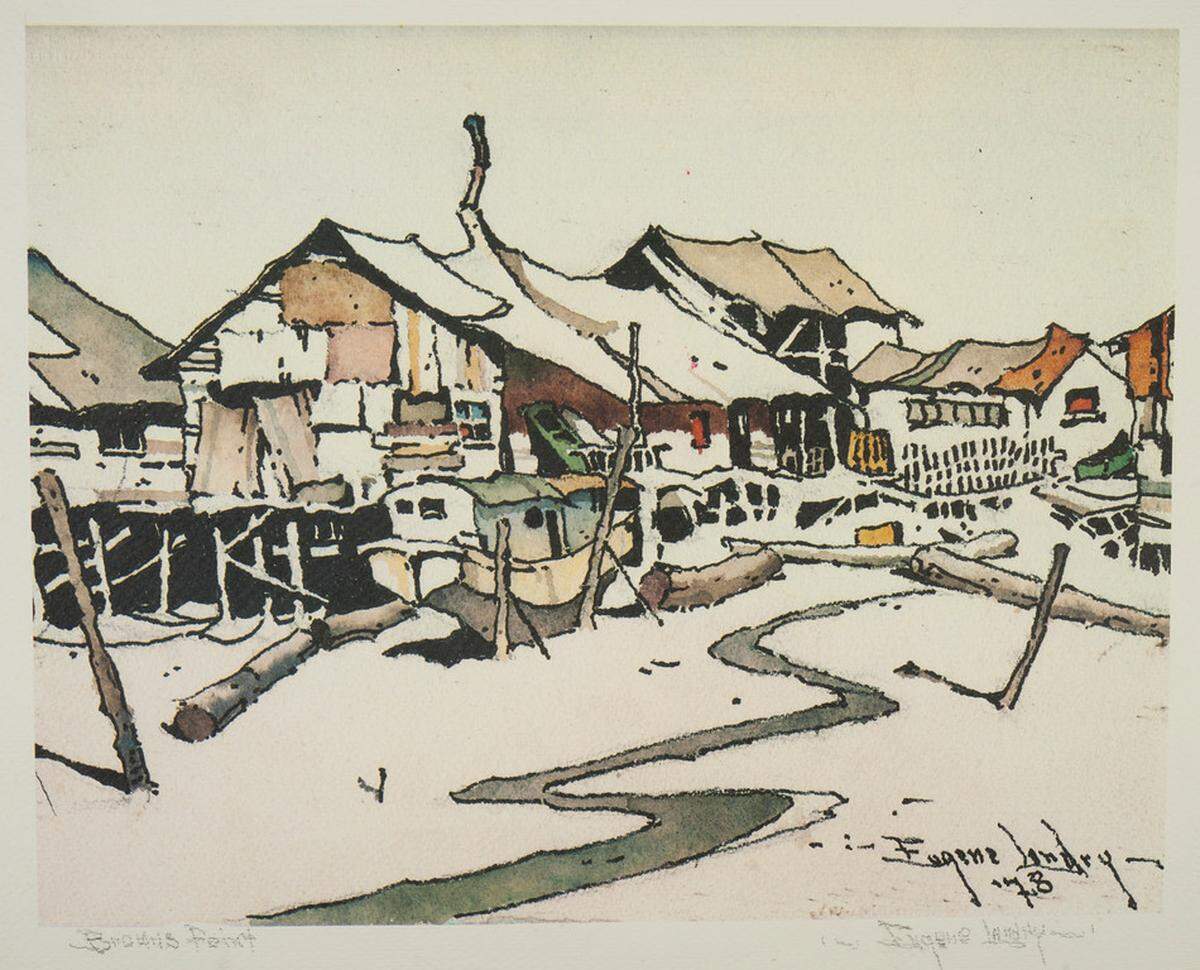
“And he would say it like that ... with some authority. ‘Derbyshire School’.”
In 1965, Eugene and his father both had art displayed at the Allied Arts Center in Tacoma, as part of the “Five Centuries of NW Indian Art” exhibit. Alfred displayed a carved an 8-foot-tall totem pole and Eugene showed paintings, charcoal sketches, and pen and ink drawings. Eugene’s work was also displayed at Frye Art Museum in Seattle.
“His craftsmanship was second to none,” Gabriel said. “And that’s despite having to overcome his physical (disability).”
Life in Tacoma
Landry and Billingsley lived in a small apartment in Tacoma’s North End, near Mason Middle School, which Gabriel attended in the mid-1960s.
“So after school, I would go there instead of going home,” Gabriel said. “It was like a second home to me.”
The apartment was small and jammed with art, he recalled.
“It was a studio, not really a living room,” Gabriel said. “Floor to ceiling paintings and unfinished paintings and a table where he set up his still lifes.”
Gabriel still has a study Landry made of him along with two still lifes in oil, both with skulls. The bones were a frequent motif in Landry’s still lifes.
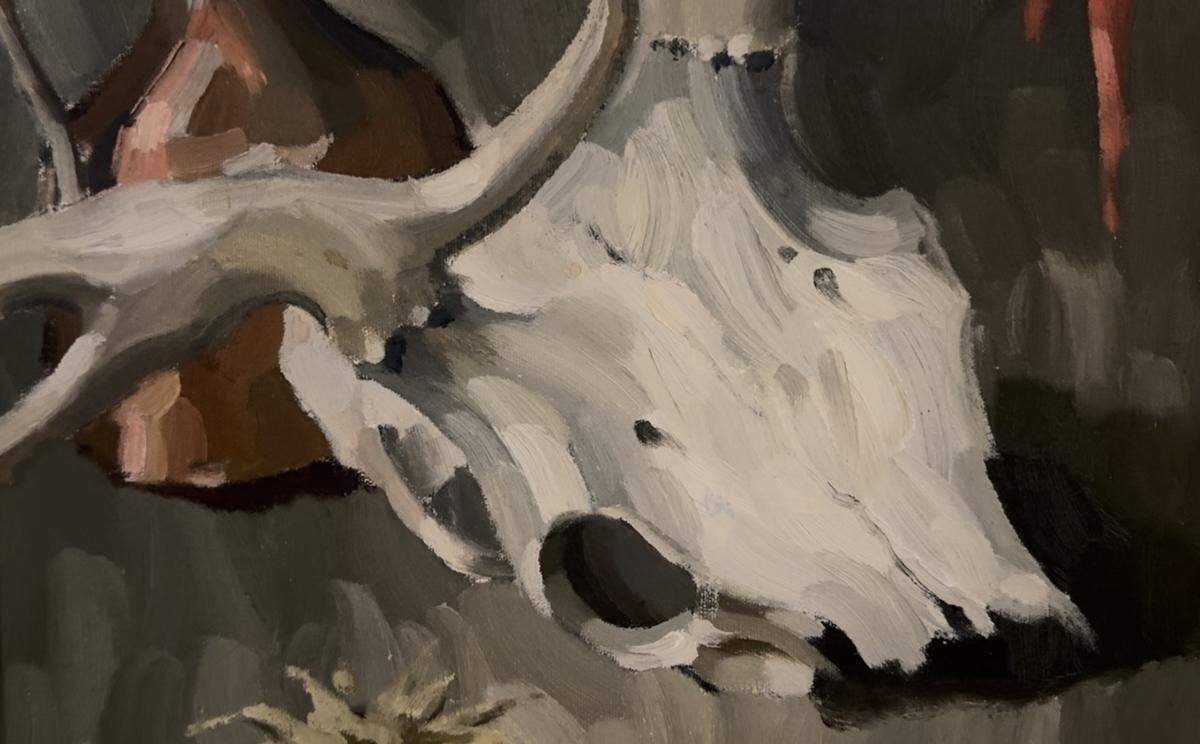
“It was sort of my trademark,” Landry told The Oregonian in an undated interview. “But my art has changed. The skull is down there, nailed to a tree by the path now. It’s semiretired.”
Gabriel would attend drawing competitions with Landry and Billingsley including a “Paint-In” at Point Defiance Park.
One day, Billingsley greeted Gabriel at the apartment’s back door and silently ushered him to a chair.
“Gene was already set up and he was starting to draw and she sat down,” he recalled. “I said, ‘Are you going to make a drawing?’ And she didn’t say anything. She just looked at me and started painting.”
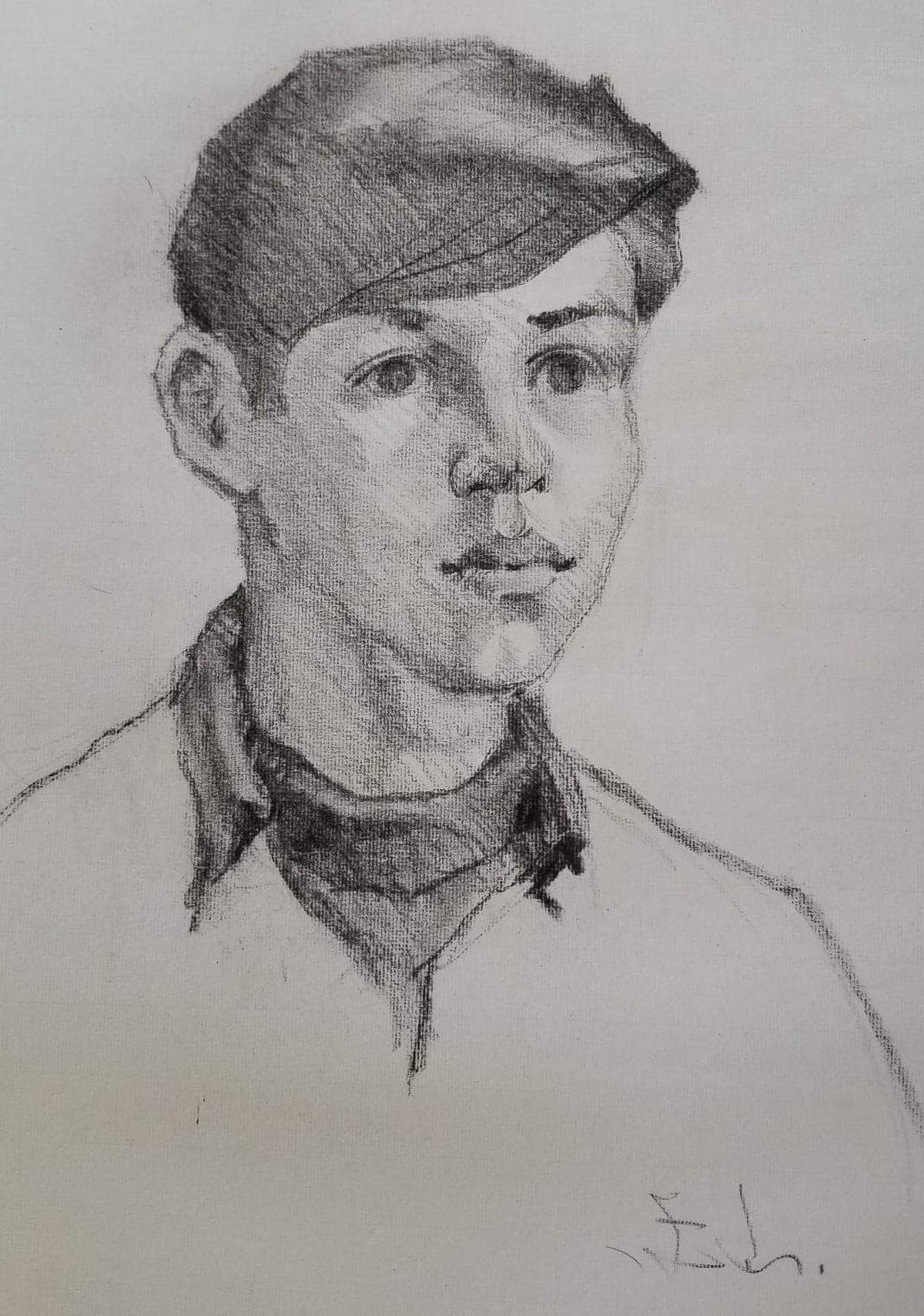
The drawings and subsequent portraits took several days to complete.
“At one point he said, ‘What do you think?’,” Gabriel recalled. “I had no idea what to think. It was me through Gene’s eyes. I was amazed. I was, in fact, in awe. Painting portraits were done for the wealthy. There was me. A painting by a real artist.”
Stories
There are missing years in Landry’s story. But Altruda knows he traveled to Europe and Mexico. He got divorced. He moved to Santa Barbara, Calif. where he operated an art gallery after he could no longer paint.
Billingsley died in 2019, just as Altruda was beginning her research.
Press coverage of Landry is oblique. There are the occasional mentions regarding art show awards. A 1969 Longview Daily News story about the Shoalwater reservation states that Myrtle would like to build a longhouse for Landry.
“Although crippled by spinal meningitis, young Landry is an artist, and could use the building for a workshop,” the story states.
Landry had been exposed to arts as a child, a 1975 Olympian story states, while watching his father carve totem poles.
“Much of Eugene’s work is displayed at Pioneer Square in Seattle,” the story states.
A 1976 News Tribune story describes an art gallery of sorts Alfred Landry ran on the reservation, called Smoke Signal Cigarette and Gift Shop.
“We hocked our car to get into the business,” Alfred told TNT editor Roland Lund. The story mentions Landry soon moving into a studio inside a geodesic dome on the family’s property.
“We get visitors from all over the country,” Alfred said. “One New Yorker told me it was the most interesting place he’d seen on his trip.”
By 1977, the Landrys had opened the Smoke Signal Museum in their new longhouse, according to another TNT story. It said Eugene’s paintings and some turquoise jewelry were the only things for sale in the museum.
Reagan in a Cadillac
The small village of Tokeland borders the Shoalwater reservation. It sits on a windswept spit of land that separates the calm waters of Willapa Bay from the raging Pacific Ocean that tears apart homes and streets just a few miles to the north. Tokeland is populated by Shoalwater tribal members, crab fishermen and retirees. Altruda first traveled there on a whim in 1979 from her California home.
“I was 19 years old when I came up to the Pacific Northwest and Tokeland for the very first time,” she said. On that trip, she wandered into the Smoke Signals Museum and briefly met Landry.
Altruda had moved to Tokeland by 1983. She and Landry would occasionally cross paths but she never got to know him.
Landry’s motor skills continued to erode and he stopped painting around age 40.
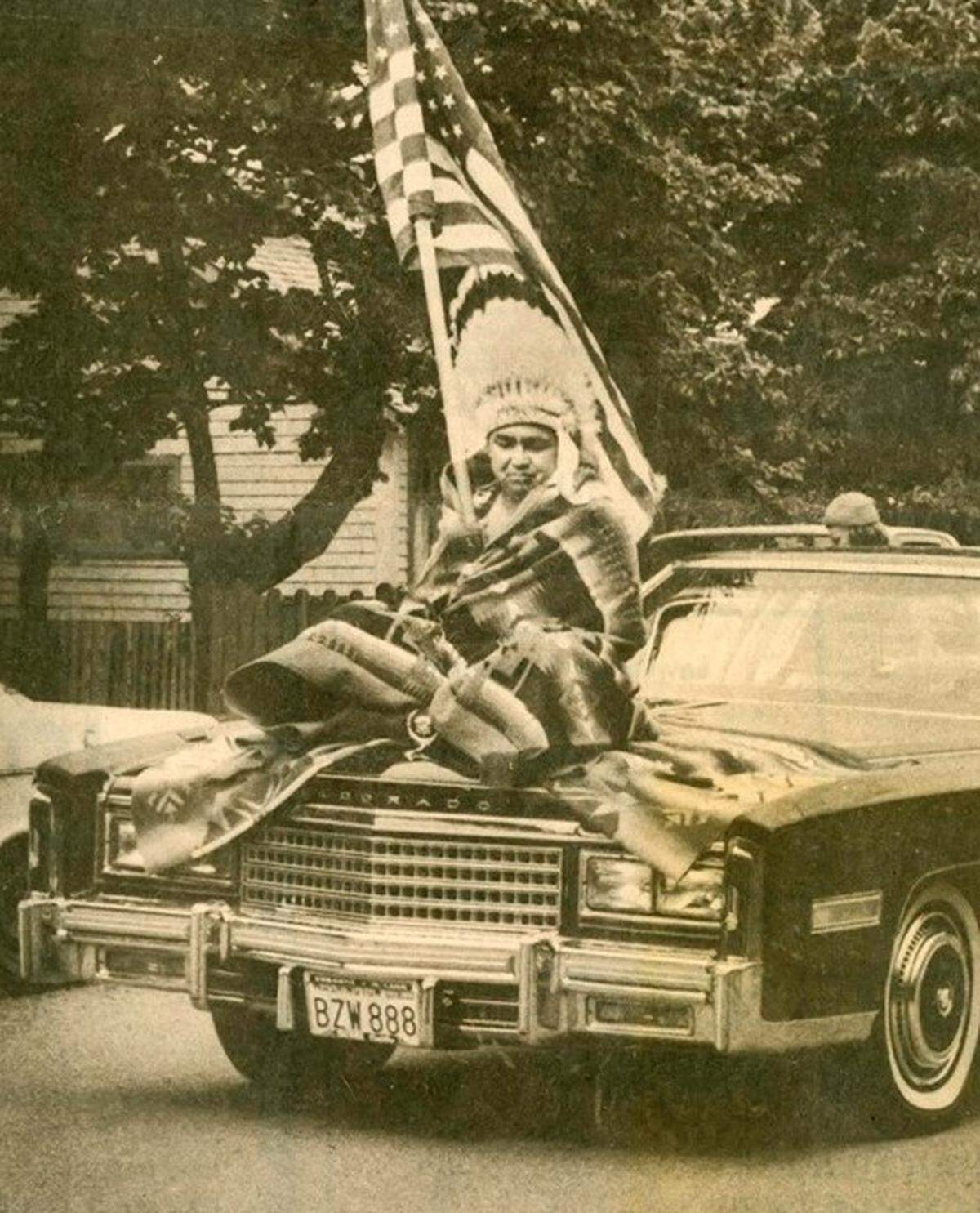
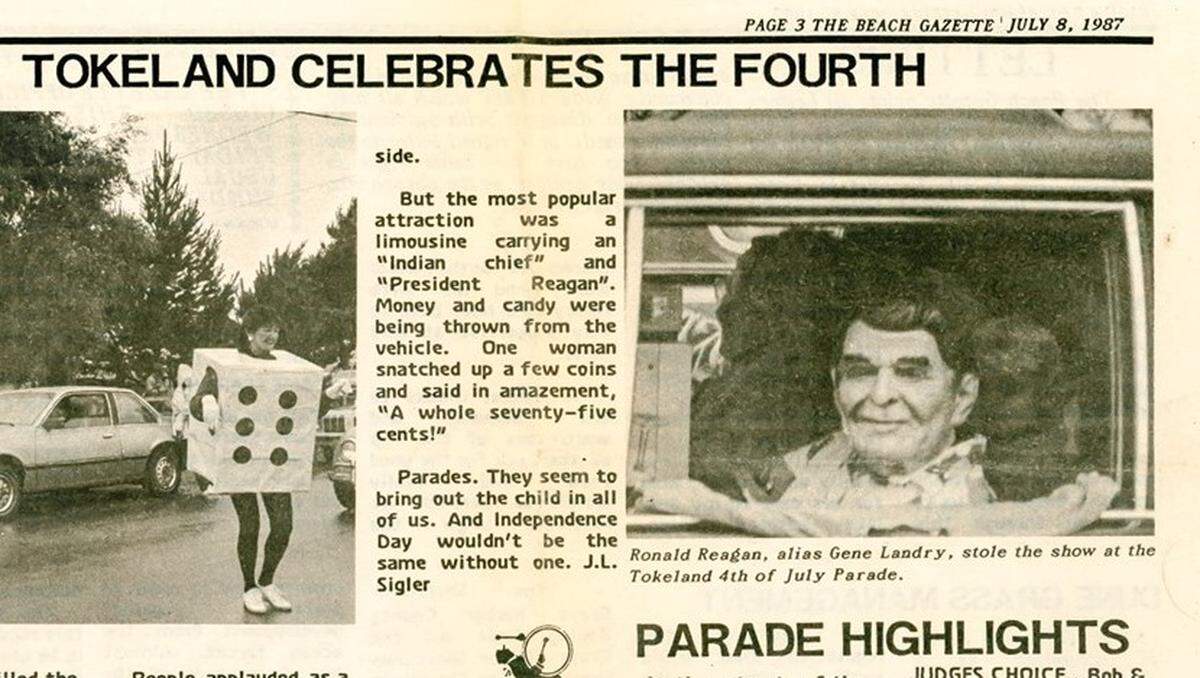
The last time Altruda saw Landry was in Tokeland’s annual 4th of July parade in 1987. As usual, Myrtle Landry’s Cadillac was making its annual appearance with a family member sitting on the hood, holding a U.S. flag mounted on a staff.
“And in the back of the Cadillac is Gene Landry in a Ronald Reagan mask,” Altruda said. “His physical condition was deteriorating, but his mind and his humor was fully evident in that way.”
Gabriel, now an adult, was pursuing his own career as a photographer, often overseas, in the 1970s and 1980s but helped Landry when he could. One day near the end of Landry’s life, Gabriel was helping him clean out a closet. A heavy door began to fall toward Landry but Gabriel caught it.
“And he got this horrible look of terror on his face,” Gabriel recalled. “And I went over to try and comfort him and I realized that he couldn’t scream. He couldn’t take in a breath because he didn’t have any control over his breathing.”
Rediscovery
In 1988, Altruda left Tokeland for Seattle to study art at Cornish College of the Arts.
“That’s the year that Gene died, so I never really got to connect with him over art, but, even then I really appreciated his talent,” she said.
It wasn’t until 1991 when Altruda returned to Tokeland. Soon, she had married tribal carver and historian Tom Anderson. Together they began raising a family.
By 2018, Altruda was divorced but still living in Tokeland and working as a metal smith. One day, a customer’s question brought back a flood of memories.
“He just happened to ask me If I remembered the geodesic dome that used to be on the reservation that was torn down a long time ago,” she recalled.
The next day Altruda went to the tribal center where a Landry painting hung.
“I probably walked by it a lot of times before, but this time I stopped and studied it,” she said. A few moments later, Altruda bumped into a tribal elder and relative of Landry’s. The elder began relating stories about the artist and soon, Aldtruda was hooked.
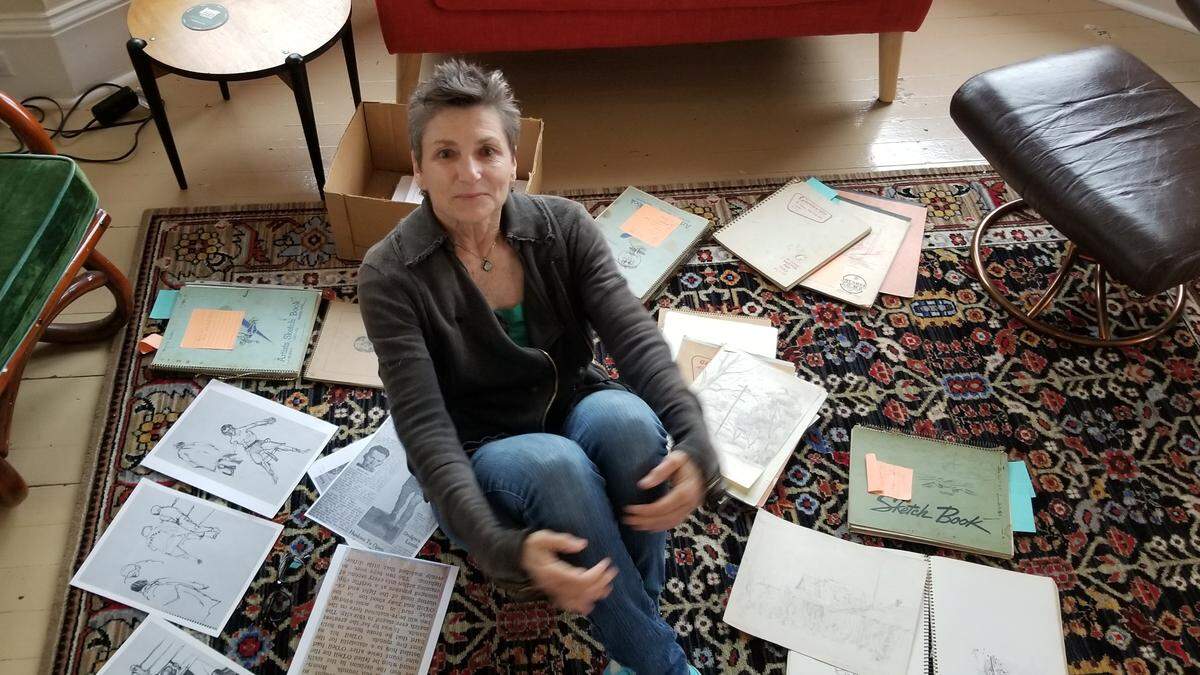
Her sleuthing led her to the old garage, owned by a woman who had cared for Alfred Landry in his waning years. Alfred had died in 1994.
“And up in the attic, we found all those paintings covered over by sheets,” Altruda said. “She just forgot they were up there, I guess.”
Altruda took them home and began restoring them. Each painting had a thick sheet of mold on its back.
Return to life
With the help of a Washington Stories Fund grant, Altruda was able to produce an exhibit, an accompanying book and website to tell Landry’s story.
“Finding his story wasn’t easy, because there was not much around about Gene,” she said. “Nobody I met still living could tell me Gene Landry’s A to Z history.”
In 2022, the first Eugene Landry show in decades opened at the Shoalwater Bay Tribe’s museum in Tokeland. In November, the exhibit opened at Astoria Visual Arts. Although she hopes to find a venue in Puget Sound for the show, it’s now on hiatus while Altruda completes a second, narrative book that takes a deeper dive into Landry’s life and work.
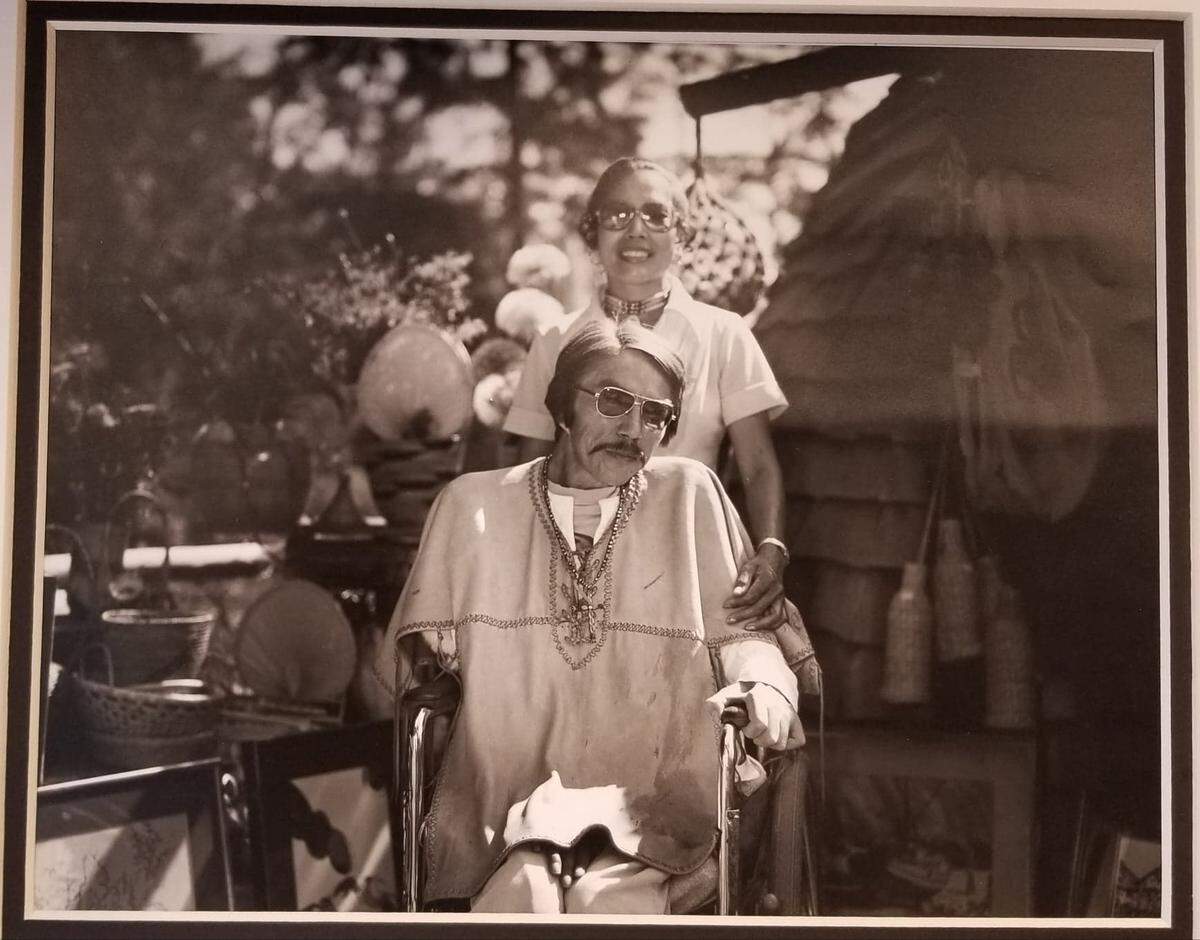
When Altruda pitches the show to a regional gallery or museum, she doesn’t mention Landry’s disability.
“The way he presented his work in the public eye ... there was never any mention of his hospitalization or his disability,” she said. “I definitely want to make sure I’m not sharing it in a way that conjures a feeling of pity.”
The future
“I wondered for years what happened to all of his work,” Gabriel said. He’s thankful for Altruda’s work to bring his cousin’s legacy back into the light. But the feelings are bittersweet.
“I’m so sad it’s taken so many years for his work to be discovered,” Gabriel said, surrounded by Landry’s work in his Spanaway home. “He was the happiest, tragic personality I’ve ever known.”
The Northwest Room at Tacoma Public Library provided some of the information for this story.
This story was originally published December 27, 2023 at 5:00 AM.