Missed grant means housing disruption, possible homelessness for some Tacoma residents
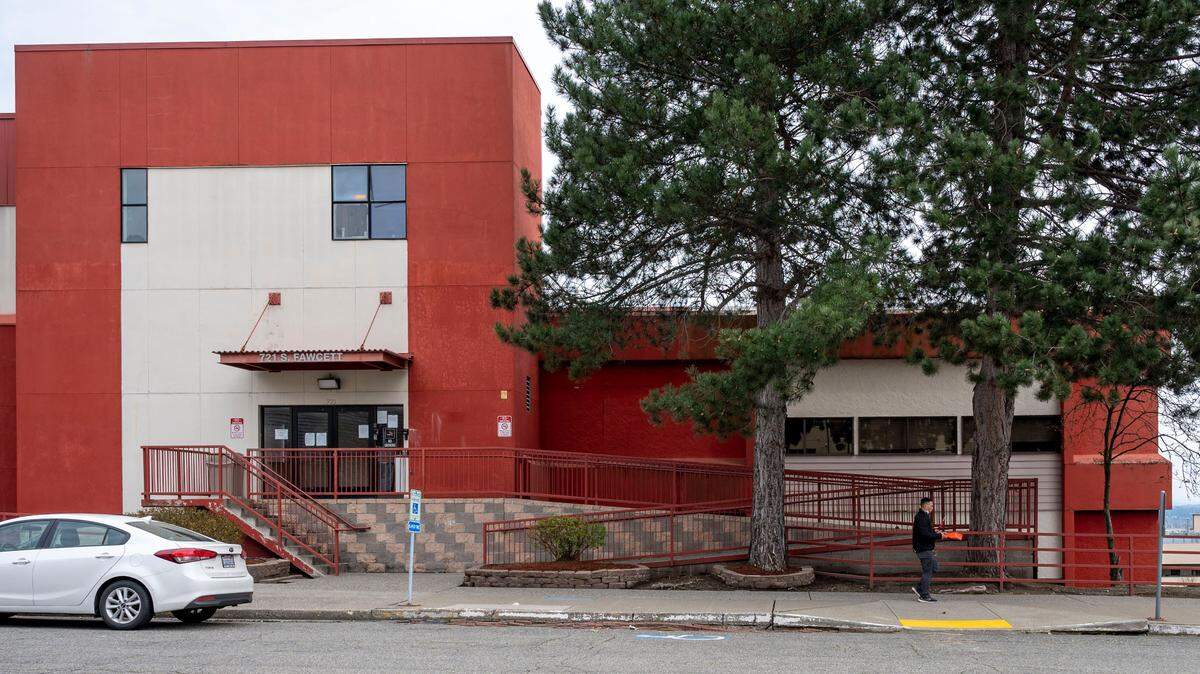
A handful of people dependent on permanent housing assistance might lose their housing by the end of the month after the nonprofit community action agency Metropolitan Development Council didn’t submit an application for grant funding in time.
Of the 36 households dependent on MDC’s Homeless Housing Program, which is funded by grants awarded by the Pierce County Human Services department, 31 households have found housing support from other programs, according to Kari Moore, a spokesperson with the department.
The remaining five households will have their current rent paid through December, and MDC help them find future housing options, MDC director of development Timm Dowling told the News Tribune Dec. 6. Typically the Homeless Housing Program receives $1.5 million, out of MDC’s $25 million budget, Dowling said.
For 64-year-old Kim Morgan, the stress of not knowing where she will be living next year and the fear of returning to homelessness have upended her life. Morgan told the News Tribune Wednesday she still hadn’t received clear guidance from MDC.
“MDC acknowledges its responsibility to ensure grant deadlines are submitted on time, and we take accountability for the missed deadline this last spring of 2023,” Dowling said in an email Dec. 14. “Since then, MDC has worked tirelessly to ensure our clients remained housed and we are proud to say that not a single individual has lost their housing. With the hiring of a new CEO, new Controller and new Development Director, MDC is creating the structure, leadership and strategy to deliver its mission to the Tacoma and Pierce County community with compassion and accountability.”
‘I just want stability’
Morgan is one of five people waiting to find permanent supportive housing by the end of the year. After The News Tribune inquired about the status of her case, Morgan said MDC contacted her about touring a new apartment Dec. 19.
Morgan has lived in her subsidized apartment near the Tacoma Narrows since 2017. The idea of becoming homeless again is unthinkable, she said.
Before MDC placed her in subsidized housing, Morgan had been homeless for nine years. Now battling a number of health issues, including an anxiety-induced asthma disorder that can require hospitalization, Morgan said she doesn’t know where she’d go if she became homeless again, especially with her two dogs, Curly and Baggies.
.jpg "attachment (2).jpg")
On Dec. 5 Morgan said she became so anxious about her housing she couldn’t breathe and was kept overnight in the emergency room.
“I haven’t been to the hospital in over a year because of this,” she said Dec. 13. “I feel better now, my breathing is under control because my stress is better under control.”
Although she received notice that the funding for her subsidized housing had ended, Morgan said she didn’t get confirmation from MDC as to why that happened. Morgan said Dec. 13 she was still unsure when she has to leave her current apartment or what is happening to her case.
“I’m a worrier anyways, and now I’m really worrying. Past things that happened in my life, I sit here and relive them. I don’t know at any given time what’s going to happen. I just want stability,” she said. “I don’t want to be on Social Security. I don’t want to be poor. I don’t want to live like this, but I have no choice right now.”
Morgan said she was given the option to take over her current lease, but since she receives about $914 from Social Security each month and rent is $1,095 a month, she can’t afford it on her own. Morgan said if she moves elsewhere she couldn’t afford additional move-in fees and deposits, nor meet income criteria of making several times a month’s rent.
“It just blows me away that after seven years of being in housing I’m going to be back out on the streets,” she said Dec. 4. “I can’t go into shelters – I have small dogs. They won’t take me in shelters. What am I supposed to do? I don’t know what to do.”
Dowling said MDC can’t comment about specific clients but said no individuals have lost their subsidized housing as of Dec. 14.
“One organization can never do it alone, it really is a network,” he said Dec. 6. “I think what we’re really focusing on now is leveraging those partnerships with other agencies, with other funding sources, to make sure that we can help these remaining [five] individuals. I think we’ve done a really incredible job thus far just in the last few months of moving money around, leveraging those partnerships to cover the 31 individuals that were affected.”