Tacoma’s ‘magic portal’ to past has closed. What’s next for Karpeles museum building?
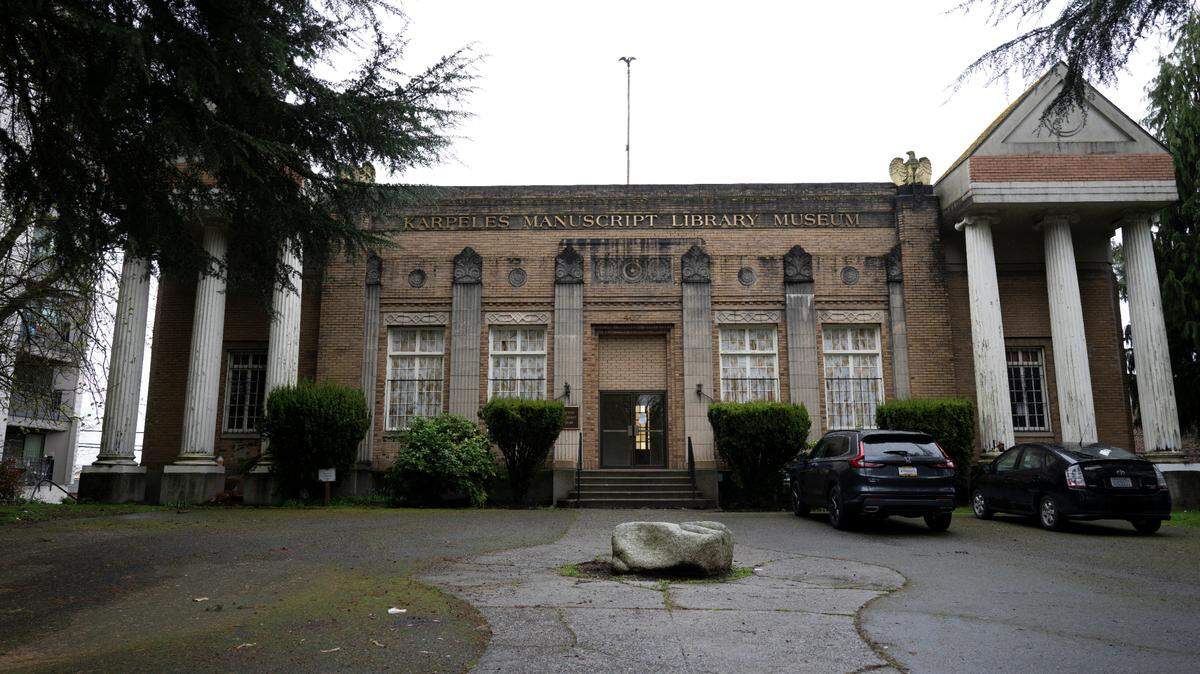
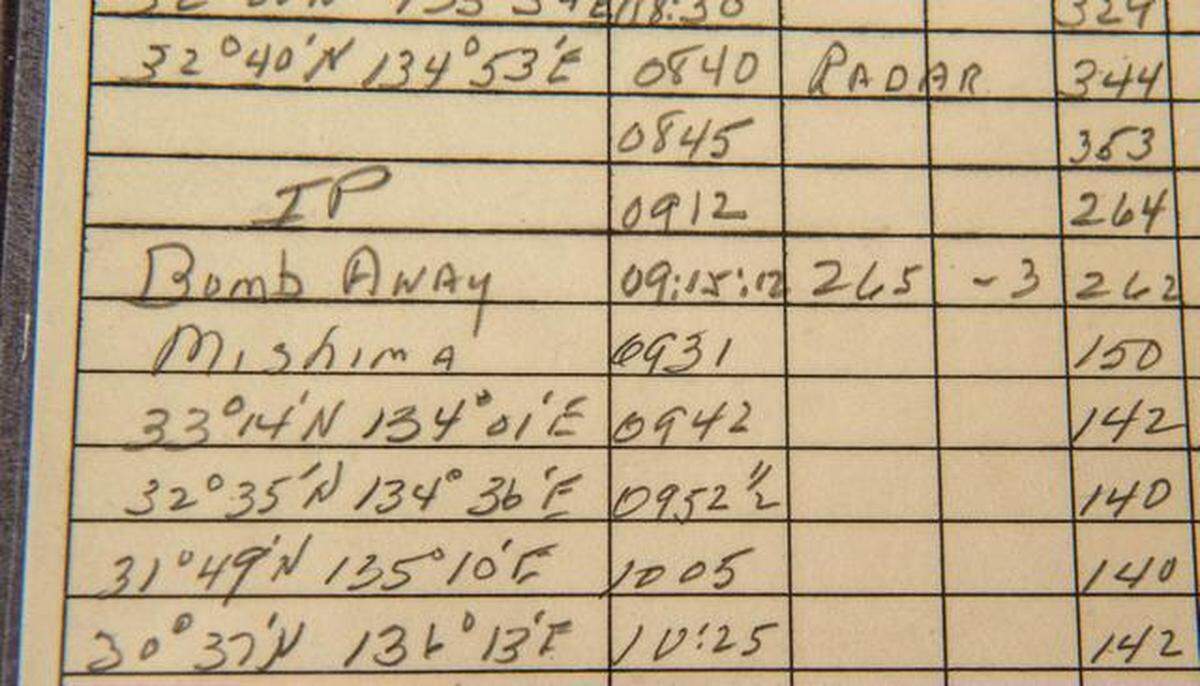
For many Tacoma residents, the Karpeles Manuscript Library Museum was a local gem. Since 1991 it offered free access to rotating exhibits of historical documents: everything from Gandhi’s ruminations on nonviolent action to Marx’s musings on capitalism.
Some sad news arrived earlier this year for fans of the museum. A Jan. 31 Facebook post announced that it had permanently shuttered so that the collection’s keepers can work on unveiling another Karpeles location in Florida.
Today the Tacoma building that once housed the rare documents is under new ownership with visions of opening a community center there.
Chris Staudinger, owner-operation of Pretty Gritty Tours, described the closure of Tacoma’s manuscript museum as “devastating.” It was a draw for tourists and part of what made the city unique, he said.
“Crossing the threshold was like jumping through some sort of magic portal,” Staudinger added, “because there was no reason that you could think of that these documents should just be alongside a little park in Tacoma.”
David Karpeles, the museum’s namesake, was a philanthropist and mathematician who died in 2022. He wanted to share his manuscript collection with the public to inspire a love of learning, particularly for children.
The Karpeles collection includes more than 1 million original documents. Believed to be the largest private holding in the world, it houses manuscripts related to religion, science, music, literature, art, exploration and political history, and they appear at various times in seven museums across the country.
Many social-media users have expressed regret that they didn’t prioritize making a trek to the museum, 407 S. G St. and across from Wright Park, before it quietly closed. Some have characterized it as a massive loss for the city.
Reading historical figures’ handwritten missives, such as scrawl by Antarctic explorer Ernest Shackleton, helped to cast them in a new, humanizing light, Staudinger said: “It made me feel like despite the fact that I’m incredibly human, I could achieve greatness.”
Staudinger compared the former Tacoma institution to a “hidden treasure, like the Easter egg that’s forgotten for a year.” The way he sees it, the museum went under-attended and overlooked.
“There is an enormous void there now,” he said. “And I would love to see something show up there that reminds people how exceptional Tacoma is.”
Why did Tacoma’s Karpeles museum close?
Tacoma was home to one of Karpeles’ longest-standing museums, said Cheryl Alleman, the manuscript library’s chief financial officer and Karpeles’ daughter. Alleman’s father long sought to make admissions free, but the museums — 14 in total as of 2015 — still had expenses to cover and salaries to pay.
Alleman and company were forced to make some tough choices after her dad died. They now aim to narrow the locations to around five so that future generations can benefit from the collection. Tacoma was unfortunately a casualty in that effort.
“The decision [to close] Tacoma was really one of our roughest decisions, because it’s been around one of the longest,” she said. “And we love Tacoma. It’s been a great experience there.”
So far, eight Karpeles museums have closed, including a branch that Alleman personally started.
The Tacoma museum faced other challenges, such as people using drugs on the front porch at night and leaving behind messes, Alleman said. The 7,360-square-foot concrete building — which boasts a stage, auditorium and atrium on the main floor, plus a sizable basement with a meeting area and kitchen below — required repairs. The organization couldn’t afford those on top of its regular bills.
Yet the Tacoma museum will live on, just in a different town. “What we’re basically doing is moving that museum, in a sense, to St. Augustine, Florida, which is the oldest city in the United States,” Alleman said. The new location will likely open in July.
She continued: “We appreciated the support … over the last three decades, and we regret that we had to make such a decision. We will definitely, definitely miss that area.”
Public historian Michael Sullivan said that, generally speaking, the former Karpeles property is a good site for a cultural institution, thanks largely to its standing near the park and Stadium High School. The building was completed in 1930 and served as an American Legion hall. He said the introduction of the Karpeles museum made for a “compatible reuse” of the Art Deco-style structure.
Sullivan pointed out an architectural trademark of Karpeles museums, seen in Tacoma and elsewhere in the country: neoclassical columns and a “sort of Greek Revival-looking pediment on the front.” The columns were added for cosmetic — not structural — purposes, he said.
Like many other Tacomans, Sullivan is curious about the structure’s fate: “My immediate thought is that it’s such a handsome and sturdy, well-built commercial institutional building, that you’ve got to start looking at: What’s the next use for that building?”
Community center envisioned
Tacoma’s former Karpeles property was listed for sale in September at $1.95 million, according to ColdwellBankerHomes.com, and it sold last month for $1,795,000. According to the county assessor’s website, its new owner is Whitewater Church, doing business as Garden City Covenant Church.
George Bedlion, Garden City’s lead pastor, told The News Tribune that the church wants to open “a really fun community center” there.
“We’ve always wanted to have a space that you could host church services, but be more than that — be something that didn’t necessarily feel ‘churchy’ and something that felt like a really great place of connection and belonging,” he said. The building’s architectural beauty resonated with Bedlion, as did its location and sense of history.
Garden City is seeking to provide a feeling of common good and peace in the space during a time of exhaustion and polarization, Bedlion said. He envisions hosting community gatherings there and having it act as a creative hub for local artists, and he hopes to have a grand opening as soon as possible.
Bedlion noted that when the site still housed the American Legion, it served as a restorative place for soldiers returning from war.
“The building has been able to be a catalyst for service and healing, and I want to continue that legacy,” Bedlion said. “I think that’d be really special.”
Those who want to get involved in the project or donate to the building’s restoration efforts can email info@gardencitynw.com.
This story was originally published March 26, 2024 at 5:15 AM.