Can you have goats, chickens in Pierce County? Yes, but there are specific requirements
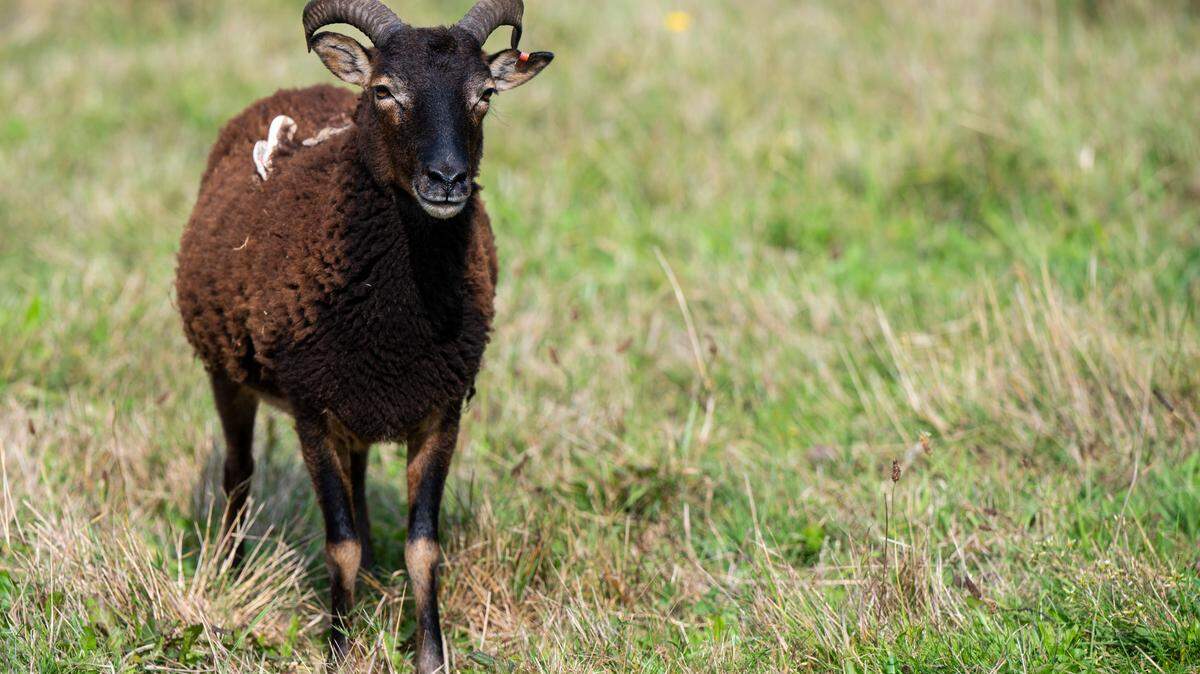
So your neighbor has some chickens that wake you up bright and early, more than likely against your will. If you’re wondering if it is legal for your neighbor to own this kind of livestock, the answer is more than likely going to be yes.
In fact, depending on the size of your land and where in Pierce County you live, you can have all kinds of livestock including goats, sheep, horses and even a peacock.
Just last week, Gig Harbor residents took to a community Facebook group to report sightings of a peacock in the area. The Gateway reported that although the peacock is not a native species to Washington, peacocks are not unusual to the area and are more than likely escaped domestic animals.
Bridget Mire, a spokesperson for the Washington Department of Fish and Wildlife, previously told The Gateway via email that releasing a non-native species can sometimes have negative effects on ecosystems and native species, and is discouraged.
For this reason, there specific regulations and guidelines as to what animals you can keep, quantity and specifications for animal enclosures.
Livestock rules in Pierce County
The type and size of livestock that Pierce County residents are allowed to own is dependent on the size of the private property, according to county code. Residents with smaller lots are allowed to keep small livestock that weigh less than 150 pounds, while residents with larger lots are allowed to have larger livestock.
Urban Area Requirements
Lots that are less than one acre are allowed:
Two small livestock are allowed, all other livestock are prohibited
Five or fewer small animals, excluding dogs and cats
Lots from one-half acre to less than 5 acres are allowed:
Two small livestock are allowed and other livestock shall not exceed 2 which are 12 months or more of age
Twelve or fewer small animals, excluding dogs and cats allowed pursuant
Roosters, peacocks, and male turkeys are prohibited on lots less than one acre
For lots 5 acres or greater in size, there is no restriction on the number of livestock and small animals kept.
Animal enclosures such as, but not limited to, cages, barns, stables, and coops cannot be located in a front yard, and should be set back as follows from adjacent residential property lines that are not held in common ownership:
15 feet for poultry or rabbits
10 feet for other small animals and small livestock
45 feet for livestock
75 feet for kennels and catteries
Rural Area Requirements
For lots less than one-half acre:
Two small livestock are allowed, all other livestock are prohibited
No more than 24 small animals, excluding dogs and cats allowed
For lots one-half acre or greater in size, there is no restriction on the number of small livestock, livestock or small animals kept.
Animal enclosures such as, but not limited to, cages, barns, stables, and coops shall not be located in a front yard, and shall be setback as follows from adjacent residential property lines that are not held in common ownership:
5 feet for poultry or rabbits
10 feet for other small animals and small livestock
45 feet for livestock
75 feet for kennels and catteries
Keeping small livestock in Tacoma
Tacoma has specific regulations for the keeping of goats and chickens on private property.
Goats
Goats can be used as an alternative to heavy machinery as well as pesticides for short-term vegetation management on private property, but must be kept within the proper area. Those interested in keeping goats for this reason must contact the city’s planning and development services in order to ensure that it is appropriate to use goats to clear vegetation at that location.
According to the City of Tacoma planning and development services, the following information is needed to keep goats for short-term vegetation management:
- Written consent from property owners within 50 feet of the property line
- Property address and area of vegetation onsite
- Number of goats that will be on the property
- Number of days the goats will be on the property
- Type and location of fencing (electric is not allowed)
- Will there be an onsite manager for the goats?
- Do you plan to re-landscape after the goats are done?
According to Tacoma Municipal Code, goats are allowed to be kept on private property long-term under †he following circumstances:
- Compliance with Tacoma Municipal Code 5.23.020
- Property area of at least 20,000 square feet where the goats will be kept
- Fencing is in place that keeps the goats at least 50 feet from adjoining property lines
- Written consent from all property owners within 50 feet of the property lines where the goats are being kept is filed with the City Clerk’s office
Mismanaging goats or using them in the wrong area can cause damage to the property and/or critical areas. Violating city code can result in a fine of up to $1,000.
Chickens and other poultry
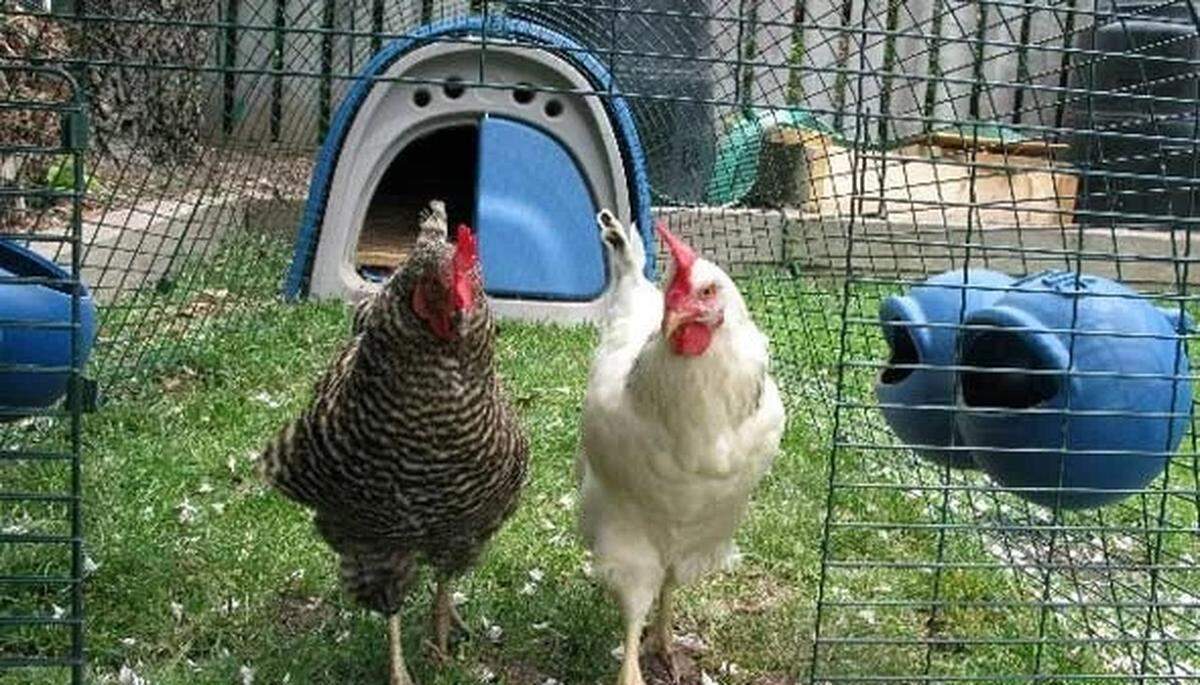
Tacoma residents are allowed to keep up to six adult poultry and six pigeons per parcel. The number of poultry and pigeons can increase to a maximum of 10 adult poultry and 10 adults pigeons as long as written consent from all property owners within 50 feet of where the poultry or pigeons are kept is filed with the City Clerk’s office.
According to City of Tacoma Planning and Development Services, chickens and other poultry are not allowed to run freely in the streets, alleys or public places within the city.
Cages/coops must be:
- Located at least 12 feet from the nearest portion of any residence, dwelling, hotel, apartment house or rooming house
- Located behind the front wall of the main building on the parcel
- Located outside of the required side yard setback area of the main building
- Less than 200 square feet in size to be exempt from needing a building permit
Keeping roosters in prohibited in Tacoma, according to the city’s planning and development services.
Illegal animals in WA
There are many animals and birds that are illegal to own, transport and import in Washington state.
- Rabies Law: This Washington State law makes it illegal to own animals that may infect people with rabies. Animals include bats, skunks, foxes, raccoons and coyotes.
- Wild Animal Law: This law makes it illegal to own wild animals and birds including elk, deer, bears, bobcats, falcons, quail, chukars, grouse and pheasants.
- Deleterious Animal Law: It is illegal to own animals that can cause damage to the environment or to native wildlife. Animals include mute swans, mongoose, wild boar,wild goats, wild sheep and wildebeests.
- Dangerous Animal Law: This law makes it illegal to own animals that pose a threat to people, livestock or domestic animals. Animals that are illegal to own under this law include lions, tigers, cougars, wolves, monkeys, lemurs, cobras, rattlesnakes, crocodiles and alligators.