‘Warm air doesn’t always mean warm water.’ Swimming not advised during this warm spell
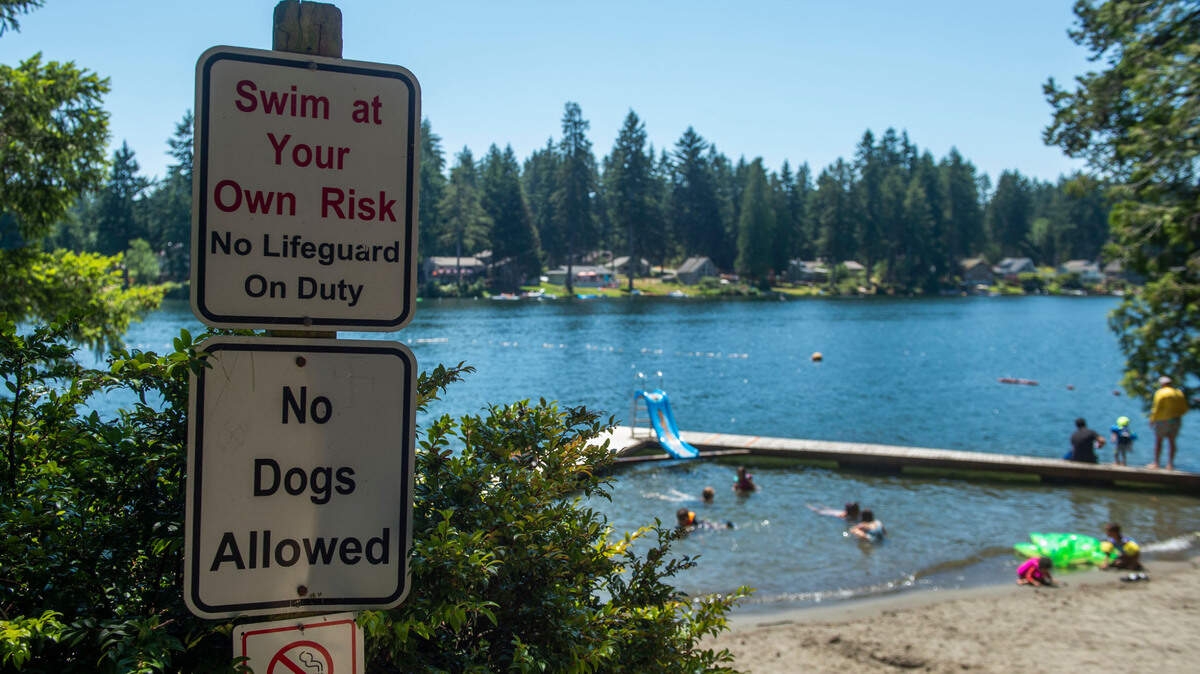
You might be tempted to go for a swim to cool off during the next few days, but doing so can be extremely dangerous and is highly discouraged.
Temperatures in Tacoma are expected to warm up this week, with temperatures reaching the high 70s on Friday and Saturday.
But water temperatures still will be very cold, making hypothermia a risk. Hypothermia becomes a risk when the water is 70 degrees or cooler.
According to a post by the National Weather Service Seattle on X, lake and river temperatures will remain in the 40s and 50s.
Cold-water risks
Swimming in cold waters can be dangerous, even deadly.
According to the National Weather Service, warm weather does not mean that the water in lakes, rivers and Puget Sound will also be warm. Jumping in could be deadly if you’re not properly prepared.
“Fifty-five degree water may not sound very cold, but it can be deadly. Plunging into cold water of any temperature becomes dangerous if you aren’t prepared for what the sudden exposure can do to your body and brain. Warm air temperatures can create a false sense of security for boaters and beach goers, so if you are planning to be on or near the water, arrive knowing the conditions and how to protect yourself,” according to the NWS website.
Low water temperatures can cause your body to go into cold shock, which can lead to physical incapacitation and hypothermia, experts say.
Hypothermia is when your body loses heat faster than it can produce it, and it can lead to unconsciousness, hospitalization and death if not treated quickly enough.
Swimming in water that’s too cold isn’t safer if you are near the shore, a boat or a dock. When it comes to hypothermia from swimming in water that is too cold for the human body, experts say there is a 1-10-1 rule: A swimmer has one minute to control their breathing after they go into cold water shock, which happens within three to five minutes. There are then about 10 minutes for self-rescue, and one hour before becoming unconscious due to hypothermia.
There are multiple ways to protect yourself, including always wearing a life jacket. One of the stages of hypothermia known as “swim failure,” happens 3 to 30 minutes after exposure but before hypothermia begins to set in.
East Pierce Fire & Rescue is offering residents the opportunity to purchase custom-fit life jackets for $17 or to borrow life jackets free of charge, according to a post on X.
Four more facts about cold water
- Body heat can be lost four times faster in cold water than in cold air.
- Wearing a life jacket significantly increases chances of survival.
- Cold shock can be just as severe and dangerous from water temperatures of 50 to 60 degrees Fahrenheit as it is from water at 35 degrees Fahrenheit.
- Gasping for a breath or rapid breathing from sudden immersion can be triggered by water as warm as 77 degrees Fahrenheit.
More information about cold water exposure can be found at the National Center for Cold Water Safety.
This story was originally published May 9, 2024 at 10:00 AM.