Why will it take 2 more years and $1M to create regional group to address homelessness?

Pierce County is offering $1 million for consulting services to design and plan implementation for a regional coalition that has been in the works since 2022.
Some are critical of the pace of the effort.
As part of its Comprehensive Plan to End Homelessness, which was established in March 2022, Pierce County is bringing local leaders and stakeholders to the table as a way to coordinate efforts to reduce homelessness across jurisdictions.
The latest coalition is being called the Unified Regional Approach (URA). The URA held its inaugural meeting April 12, hosting representatives from more than a dozen cities across the county.
Representatives from Pierce County Council also attended, including Councilmembers Ryan Mello and Jani Hitchen, who convened the meeting.
In an interview with The News Tribune, Hitchen said the URA is being established because the county’s current response to homelessness is a “patchwork” of community organizations, agencies and jurisdictions working without coordination. She said thatapproach has allowed people to “slip through the cracks” of the region’s social-safety net.
One of the goals of the URA, according to Hitchen, is to create a “unified regional organization” that would work together to determine what services and supports exist in different communities and jurisdictions and to identify gaps.
Hitchen said the consultation process could take up to two yearsafter a third-party consultant is chosen at what is estimated to be the beginning of July.
According to the posted application, the consulting firm chosen will be tasked to “design the scope of work and organizational structure for the URA” and to “implement the preferred design of the URA.”
Hitchen said she believes the consultation process, while potentially lengthy, would be necessary to build trust among the many governments, non-government organizations and tribes that would be a part of the URA. She described the county’s role as a “participant” in the URA, instead of the “driver.”
Instead of using previous models to dictate the structure of the URA, Hitchens said, the county hopes to build a unique congregation, built on trust and relationships. She said doing so might require moving at “government speed.”
“If I fast track it, I lose them,” she said.
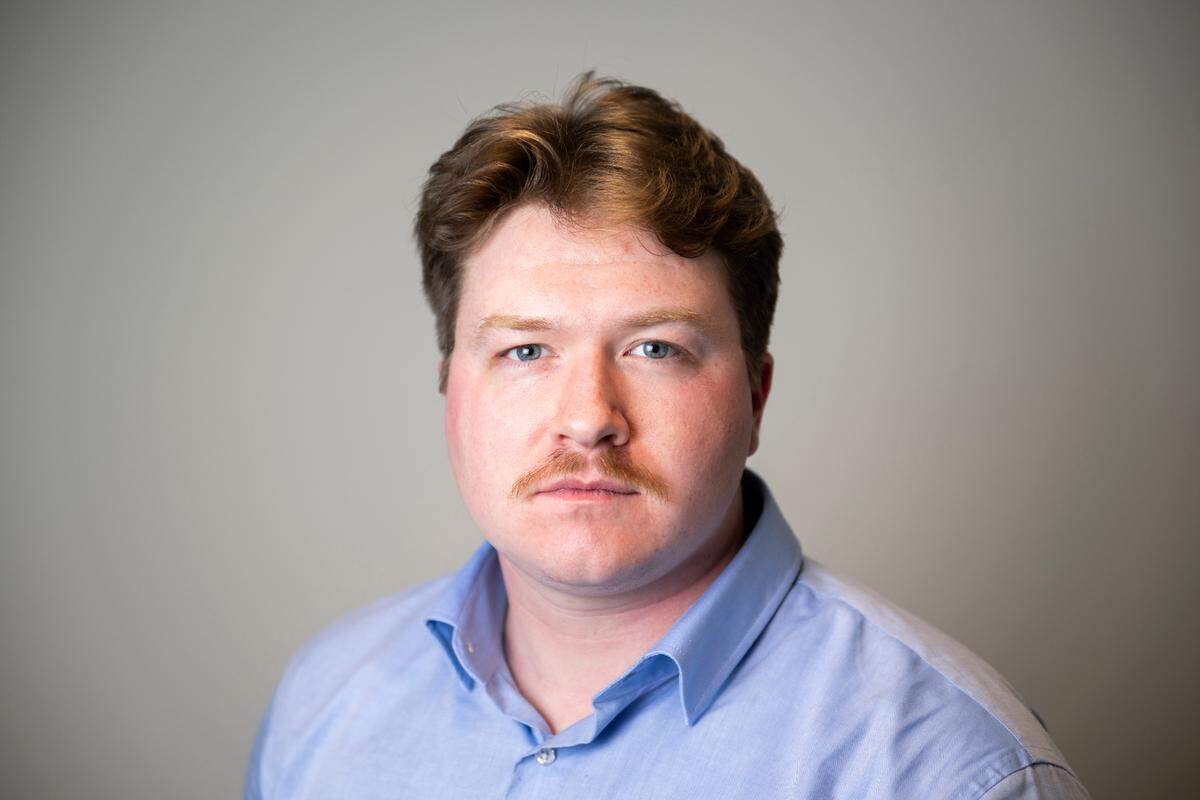
Puyallup City Council member Ned Witting is on the county’s Comprehensive Plan to End Homelessness Implementation Advisory Board and the plan’s steering committee. After the inaugural URA meeting, he was skeptical it would be effective in getting unhoused people off the streets in a timely manner.
Witting was also critical of the $1 million that the county is making available to a consultant. He questioned whether that was a good use of regional resources, considering that it could be used to create additional units of shelter or supportive housing.
He pointed out that the first goal named in the plan announced in 2022 was to create a “Unified Homelessness System,” but it has been two years since the county has made steps to achieve that goal by creating the URA.
“We plan, plan, plan, but we don’t act, act, act,” Witting said of the county’s Comprehensive Plan to End Homelessness process during an interview with The News Tribune. “We have to build the ship as we are sailing.”
During the April 24 Select Committee on Homelessness Meeting, Witting expressed frustrations with how long the planning process has taken while the number of people living homeless in Pierce County continues to increase.
“One of the things we need to keep focused on is, ‘What is the impact of what we are doing?’” Witting told the committee. “There is a human cost to this.”
He suggested the county should learn while acting and make “course corrections” based on what it learns instead of spending years planning.
“Perfection is the enemy of good enough,” Witting told the committee.