Those summer sniffles could be COVID-19 as higher levels now detected in Pierce County
The Tacoma-Pierce County Health Department has put people on alert for a COVID-19 resurgence.
In a message posted on the department’s blog July 25, Tacoma-Pierce County Health Officer Dr. James Miller wrote that “Pierce County — along with other places in Washington and the United States — is seeing fairly high COVID-19 levels in wastewater.”
Monitoring of virus levels in wastewater has become the standard for keeping track of whether COVID-19 is on the rebound. Pierce County’s monitoring, in partnership with Washington State Department of Health, was launched in 2022 as part of the WA Forward plan for a more accurate case-level assessment.
Cases at this point, according to Miller, are rising closer to winter cold/flu season levels.
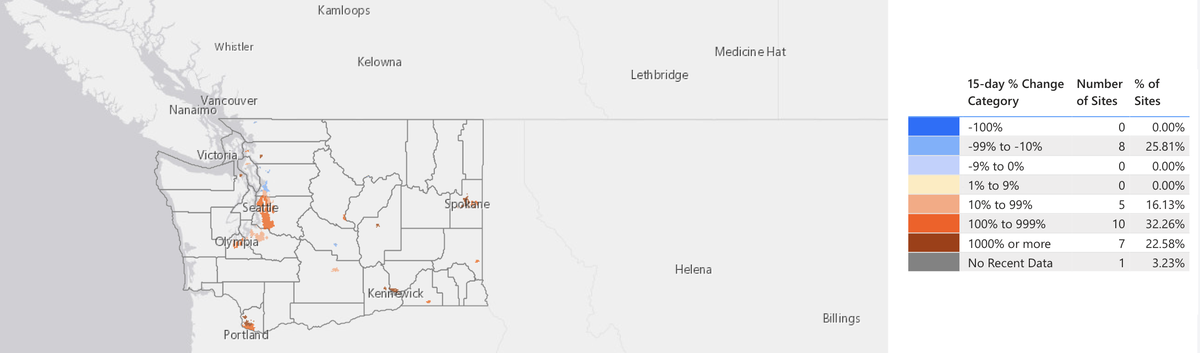
“Right now, we are seeing COVID-19 wastewater levels like what we saw early in the year during the winter respiratory season,” he wrote in the July 25 update. “We’ve also seen a rise in emergency room visits for COVID-19.”
He noted that currently “about 2% of emergency room visits in Pierce County are for COVID-19, compared with about 0.5% in the spring. Similarly, 1.8% of hospitalizations in Pierce County are for COVID-19, compared with about 0.5% in the spring.”
He added that despite the rise, “Our CDC hospital admission level is still rated as low.”
“If you’re feeling sick — or even if you just have a runny nose that might be seasonal allergies — it could be COVID-19,” he wrote.
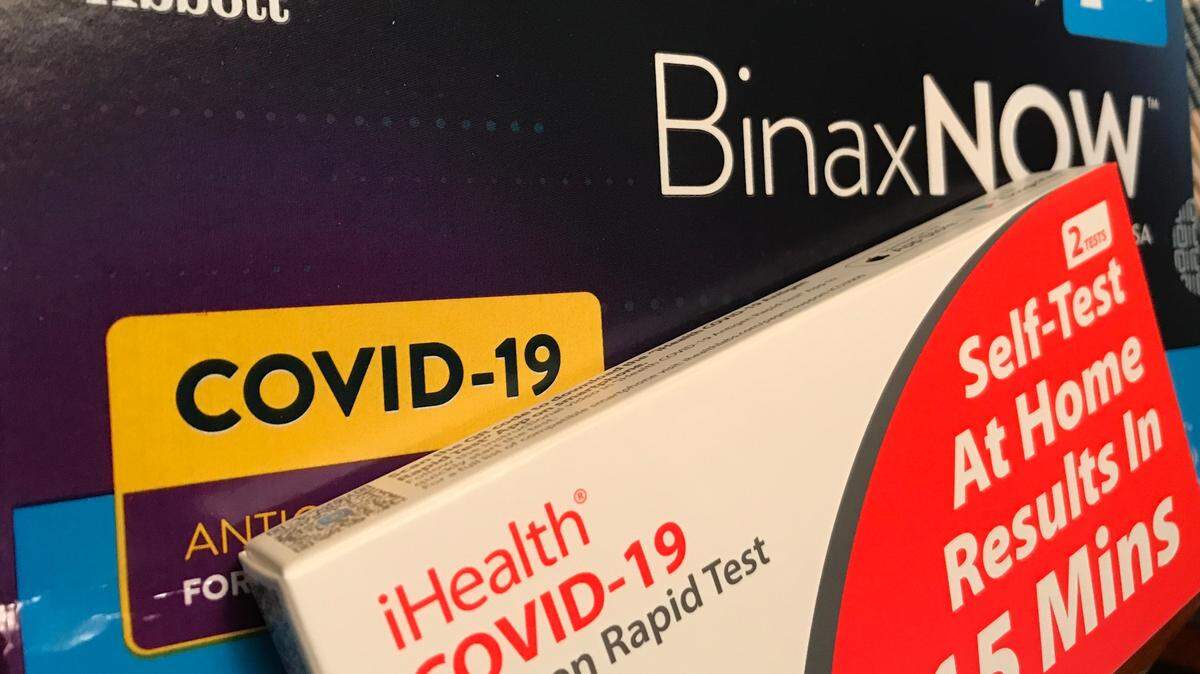
Miller encouraged home testing “to help protect others, particularly people who are at higher risk of getting very sick from COVID-19.”
Those testing positive are urged to isolate from others in the initial illness period and seek additional treatment if needed or recommended by their primary care provider.
Miller on July 25 recommended that those at higher risk “should consider taking extra precautions for the next few weeks, like limiting time in crowded indoor settings or wearing a mask in crowded indoor settings.”
State DOH offered these additional hygiene reminders and contagion timelines on its website, noting that persons could be contagious after returning to normal activities.
▪ When you resume normal activities, wear a mask and take precautions over the next five days, such as improving air flow and filtration, practicing good hand hygiene, cleaning regularly, physical distancing, and testing when you will be around other people indoors.
▪ People with COVID-19 are often contagious 5-10 days after illness begins. That compares with 5-7 days for flu and 3-8 days for Respiratory Syncytial Virus (RSV).
▪ Some people, such as those with a weakened immune system, can be contagious with any respiratory virus for a longer period.
Dr. Céline Gounder, CBS News medical contributor, told the network this month that as the virus continues to evolve to survive, “Your immunity to infection only lasts about three months. Your immunity to severe disease, hospitalization and death, that lasts much longer, which is why people are not getting sick the way they were early in the pandemic.”
Gounder added that ”it is to be expected that every few months, maybe twice a year or so, we’ll see a big wave of COVID across the country.”
Updated COVID-19 vaccines are expected later this year from Moderna, Novavax and Pfizer, according to the U.S. Centers for Disease Control and Prevention.
This story was originally published July 25, 2024 at 11:21 AM.