‘Definitely sticking around.’ Tacoma civic leader reflects on legacy on eve of retirement
The Tacoma-Pierce County Economic Development Board recently announced the appointment of its new executive leader, as its longtime leader plans to step down at the end of this month.
Michael Catsi will serve as president and chief executive officer of the nonprofit board, which works in recruitment/retention of businesses in the area.
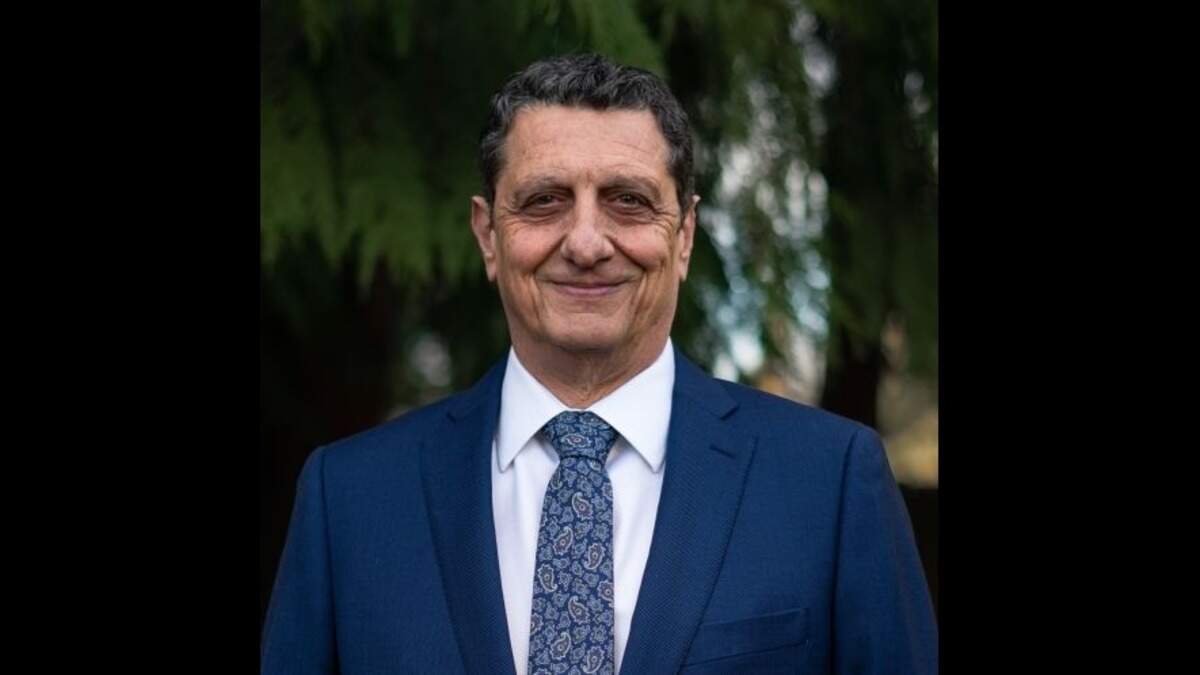
Catsi now serves as economic development manager for Tacoma Public Utilities, and will begin his new job Sept. 23. He’ll have big shoes to fill.
According to EDB’s website, the economic board has worked with companies “that have brought more than $1.6 billion in capital investments and over 25,000 jobs to the region over the past two decades.”
The person overseeing that work for those two decades is outgoing CEO-President Bruce Kendall, who is retiring after nearly 26 years.
Kendall was honored at the regular Aug. 20 City Council session with a proclamation saluting his service to the city and the area.
“Let’s be really, really, really clear, “ said Mayor Victoria Woodards at the meeting. “If I had to read everything Bruce has done ... we’d be here ‘til tomorrow, and this would be a 500-page book instead of one piece of paper.”
That vast work included recruitment and job creation efforts with NewCold and Infoblox among many others, work toward local business expansions, and civic efforts behind the development of the Tacoma Art Museum, the Museum of Glass and the urban Tacoma campus for the University of Washington.
During the Aug. 20 ceremony, Councilmember Joe Bushnell acknowledged Kendall’s work in the creation of and hosting a regular business roundtable podcast during the pandemic, when Bushnell worked for the Washington Hospitality Association.
“We’d have hundreds of people on these trying to give updates in real time of COVID issues that were occurring, and try to give people the best information possible,” he recalled. “And Bruce did such a good job of trying to bring people together ... through such a difficult situation.”
Kendall recently spoke with The News Tribune in a look back at the changing face of the economic forces driving Tacoma and Pierce County.
Answers in the following Q and A have been edited for length and clarity.
What’s changed the most in business recruitment/retention since you started with EDB?
Kendall: The pandemic changed the office recruitment environment in terms of companies that need office space. The trend line was always steady in an upward angle. We spent a lot of time pre-pandemic trying to figure out how to get another Class A office building or two built in Tacoma.
And then the pandemic hit, and now we see hybrid work schedules of in-person and remote. Three days a week seems to be the new standard (for in-office work) while in some cases, they’ve gone completely virtual. True Blue (based in Tacoma) is a great example. In Tacoma, they had 200-plus people coming downtown every day. Then they went virtual because their business lends itself to that.
But then others are back .... and certainly some never stopped — particularly the health care systems.
Other factors are headed in an upward trajectory; Boeing is taking a million square feet in Milton. You’ve got what is going on out in Frederickson, with the big Panattoni development, the FRED310. It’s going to fill up.
So demand is back to where it was, pre-pandemic on both for manufacturing and distribution.
There’s also the retirement of the baby boomers. I guess I’m an example of this (he is 63). The workforce of the succeeding generations have different priorities. Some are the same, but they have work-life balance, which is in every conversation now with every employer with who they hired, no matter what business they’re in.
Frankly, that wasn’t the case when I entered the workforce in the early 1980s. No one talked about work-life balance.
Where do you see the county, and Tacoma specifically, headed economically in the next decade?
Kendall: The Port of Tacoma is going great guns. With international trade, all of our projections show it’s going to continue to be very robust. The creation of the Northwest Seaport Alliance for container shipments in and out of the ports of Tacoma and Seattle has really made us more competitive on the West Coast. That will continue to be a big driver of business and jobs in Tacoma and beyond.
With University of Washington Tacoma, they’re going to grow to 10,000 students. They have room to do that. They have to build some more buildings, but they have room. So they’re just over halfway to capacity.
What we really like to see is companies being created out of UWT through the School of Engineering and Technology and the Milgard School of Business. We’re generating talent here locally that we weren’t generating before, so that’s a that’s a huge plus.
The arrangement UWT now has with Seattle University means we’ll be producing lawyers again locally. And attorneys tend to stick relatively close to where they went to law school.
With the incoming new leader, what would be your main advice in starting?
Kendall: My advice to Michael is No. 1, do you and be yourself. Work with the board, work with the staff, work with the other investors and then others in the community that are part of the ecosystem and and keep the machinery humming. Look for new opportunities. Embrace what we’re doing well right now on recruitment and retention, our accelerator program and the emerging work we have with BIPOC businesses and smaller businesses.
Just like when I arrived, opportunities are going to present themselves, so you grab those.
What’s next for you?
Kendall: I am definitely sticking around. My wife retired a few years ago, our kids are in their 30s and on their way in their lives, so we are just going to experience that.
I’ve had offers to do other stuff already, but I’ve promised myself to say no to everything for six months. I want to get some space between what I’ve been doing and whatever comes next. But there’s no secret plan to pop up in some other business or nonprofit leadership position for at least six months.
I’m going to kind of just see how it goes.
This story was originally published September 9, 2024 at 5:30 AM.