Celebrate and remember: Submit an ofrenda to our first Dia de los Muertos digital altar
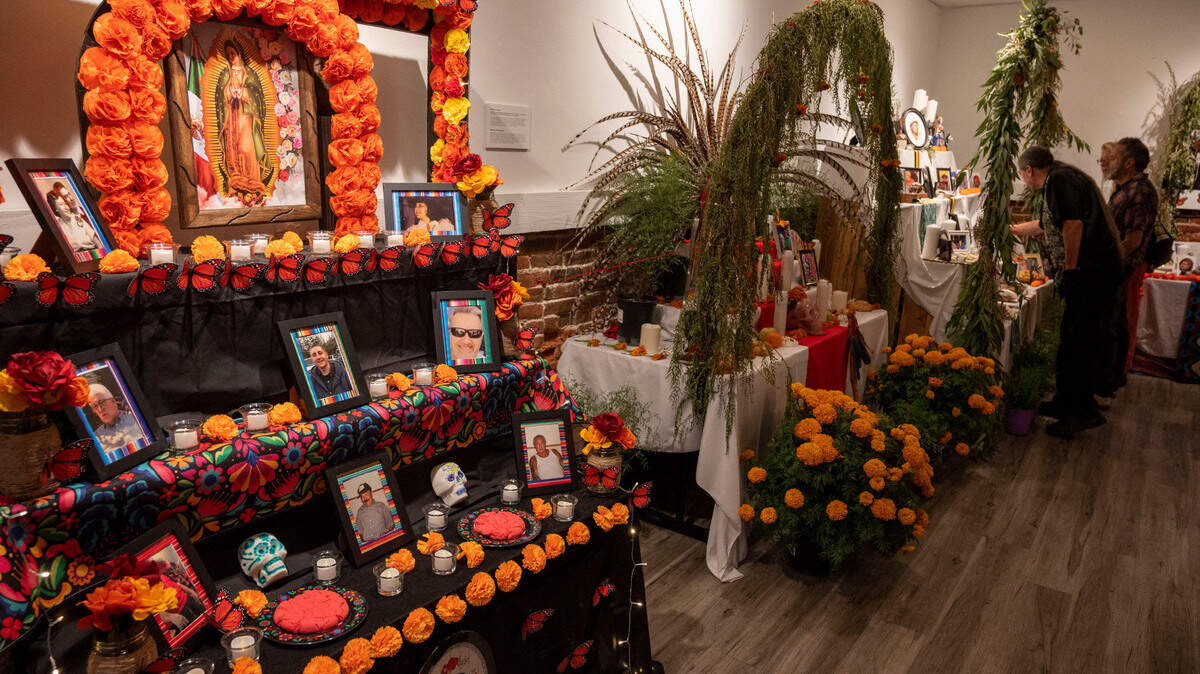
As we near the end of October, many people are preparing for their Halloween celebrations or maybe even Thanksgiving, but others are preparing to welcome their deceased loved ones back to the physical world for a couple of days.
Dia de los Muertos is a lively and colorful celebration that originated in Mexico but has made its way to many parts of the United States, including Washington state. For most Americans, the death of a loved one is associated with grief and mourning, but for many Latinos, Dia de los Muertos is a subversion of that expectation.
Día de los Muertos, or Day of the Dead, is a traditional and Indigenous celebration that honors and welcomes those who have died back to the physical world between Oct. 27 and Nov. 2.
The celebration begins on Oct. 27 when beloved pets that have passed on return to visit for 24 hours. The celebration continues on Nov. 1 and Nov. 2. The first day of November is known as All Saints’ Day, when the souls of deceased children can join their families. On the second day, the spirits of adults rejoin their families for 24 hours. It is a time for celebration and to welcome back loved ones by building colorful ofrendas, or altars, presented with food, gifts, sentimental objects and cempasuchiles (marigolds).
The tradition of ofrendas originated in Mexico as a synthesis of Spanish Catholicism and Indigenous Aztec beliefs. The Aztecs celebrated Mictēcacihuātl, the goddess of death who collected the bones of the deceased to resurrect them at the end of July. From Oct. 31 to Nov. 2, the Spanish celebrated Allhallowtide, the three-day observance when children and adults rejoined their families. Those two days fused into the celebration that is now recognized as Día de los Muertos.
The News Tribune’s first digital Dia de los Muertos altar
The News Tribune is creating its first digital altar to build a space for the community to celebrate and honor family and loved ones who have passed on. We invite readers to share the names and photos of relatives, friends and/ or pets, along with a message or memory.
Readers who wish to participate can do so by filling out our Google form. We will be accepting submissions until 11:59 p.m. on Wednesday, Oct. 30. Our digital altar will go live on Thursday, Oct. 31.
For those who wish to participate in the celebration and build an ofrenda, here is when and how to do so.
How to build an ofrenda
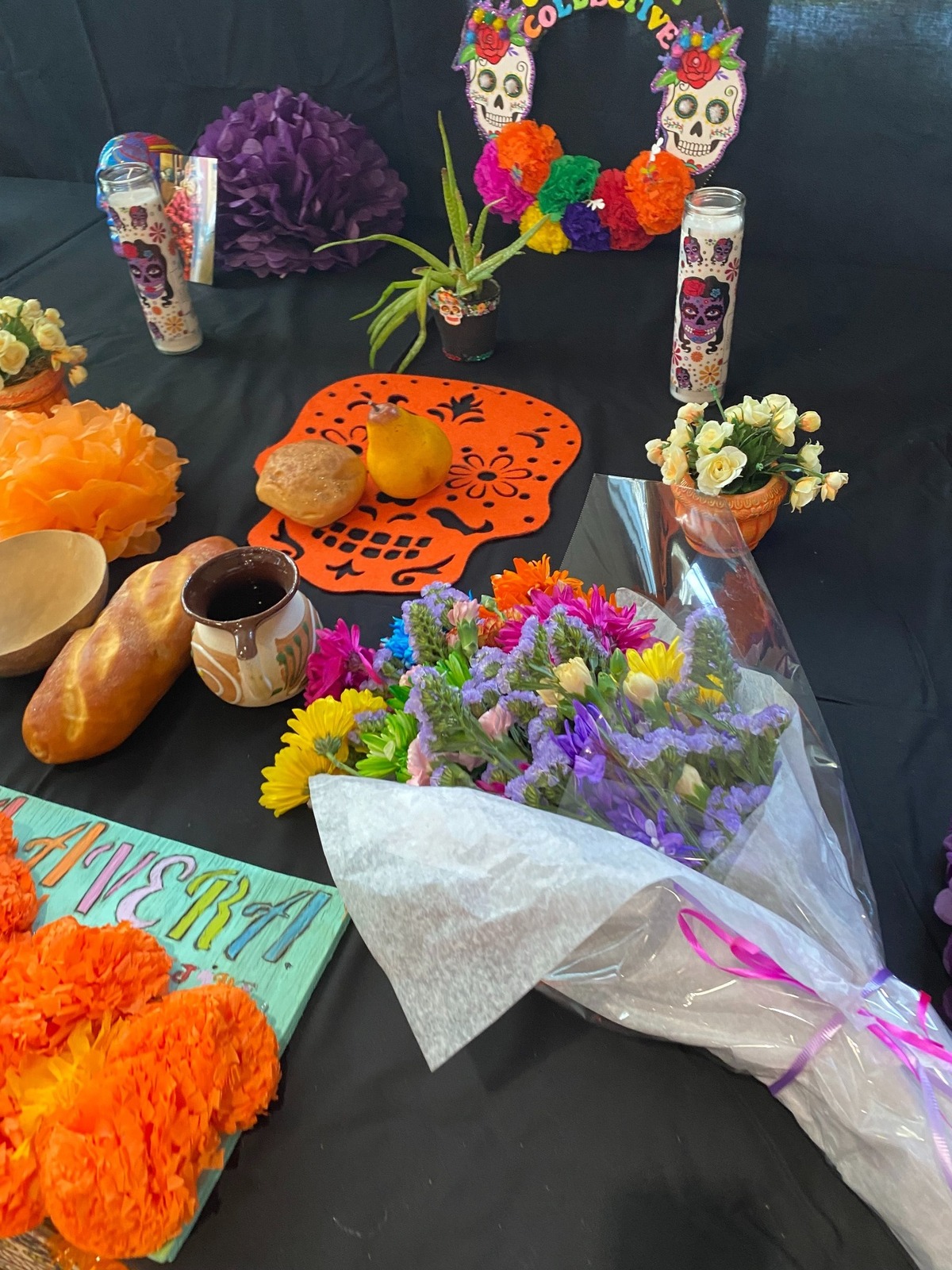
An ofrenda traditionally consists of seven tiers that symbolize the route to heaven and include objects that display the four elements: earth, wind, fire and water. Other items to include are photographs of those who have died, their favorite foods, drinks and anything else that commemorates their life. Dead bread, alebrijes or spirit animals and sugar skulls can also be used to decorate the altar.
Ofrendas should be built before Oct. 27 and left up until at least Nov. 3. Here are the essentials to building an ofrenda, including the four elements that should be represented on your ofrenda and their significance.
The four elements
Cempasuchil, or marigold, is a bright orange-yellow flower whose bright colors and strong scent are believed to guide the spirits back to the physical world. The flowers represent the element of earth, and families typically place them in bunches on altars and grave sites. Some might use the petals to create a pathway or crosses on the ground.
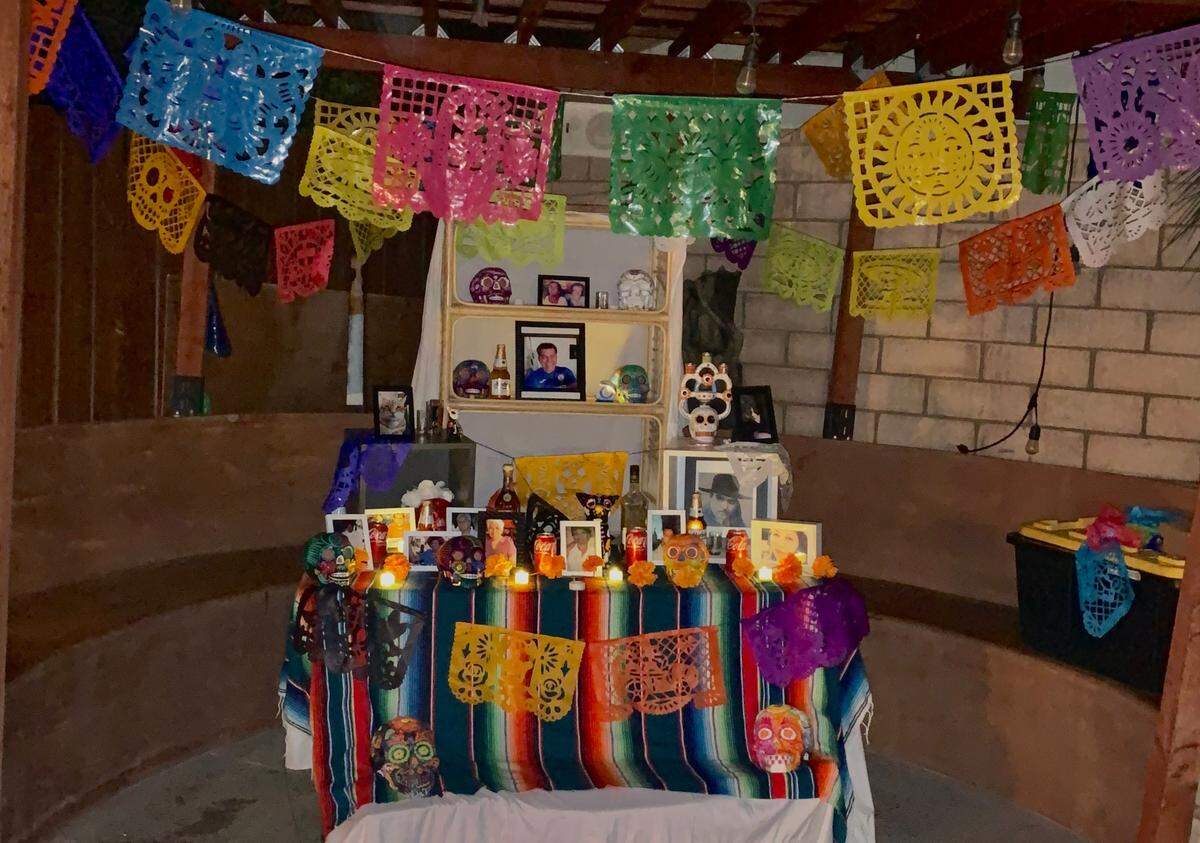
Papel picado, or perforated paper, embodies the essence of wind in which intricate designs and shapes are cut from paper and hung above the altar.
Candles or incense represent fire and help guide spirits back to the physical world.
A glass of water represents the final element, which helps quench the spirits’ thirst after their long journey from Mictlān to rejoin their families and friends.
Decorations
Skulls and sugar skulls are painted with bright colors and smiles to represent the enjoyment and fulfillment of the afterlife. Pan de Muerto is a traditional Mexican sweet bread placed on the altar to feed the spirits of those who have died. Typically, those who bake the bread adorn the tops with crosses or bone-like sticks from the same flour for decoration.
Alebrijes are sculptures of mythical creatures that act as guides to direct the spirits to their destinations in the afterlife. Alebrijes are colorful and made from a combination of different animals or angels.
This story was originally published October 25, 2024 at 5:00 AM.