New Pierce County executive reflects on what it will take to address homelessness crisis
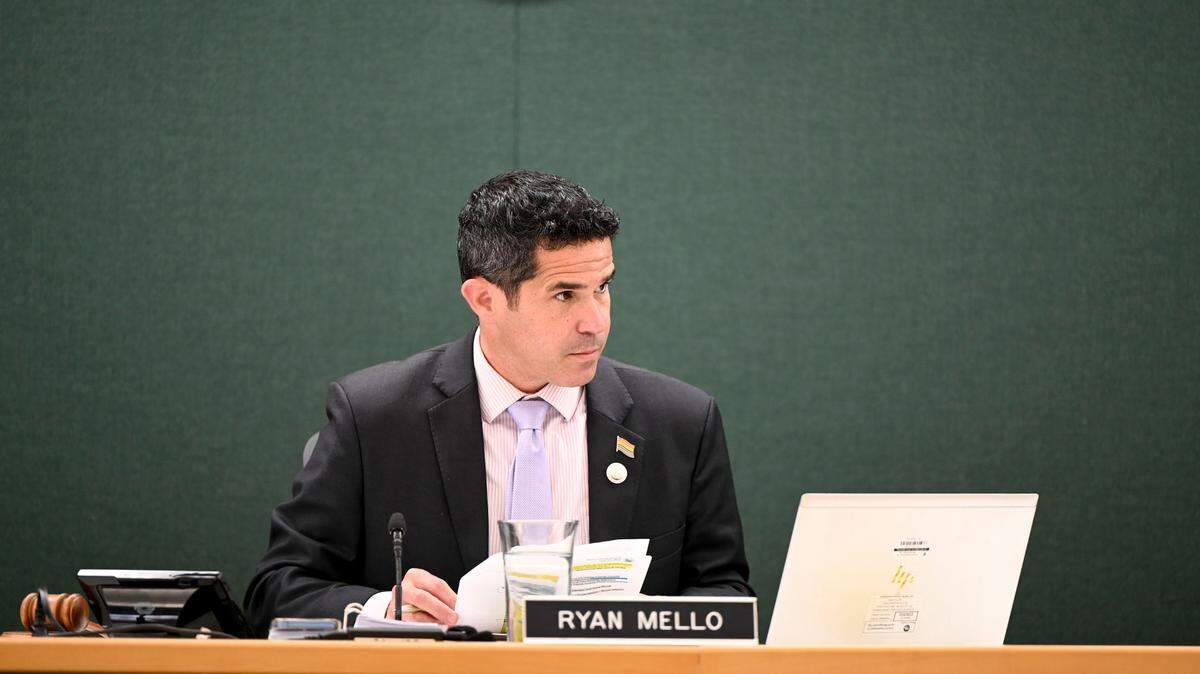
As the chair of the Pierce County Council, Ryan Mello prioritized solutions to the region’s homelessness crisis. Mello says he will continue to do so as the county’s next executive.
Mello is a Democrat who ran against Republican Kelly Chambers for the position of Pierce County executive in the Nov. 5 general election. Mello earned 51.23% of the vote, according to election results reported on Nov. 14. He will replace Executive Bruce Dammeier, a Republican who served two terms.
The News Tribune asked Mello about his homelessness-response priorities. Here are his written responses:
Q: What are some of the largest barriers to addressing the homelessness crisis in Pierce County?
A: While our Comprehensive Plan to End Homelessness provided a road map, we need to continue to demonstrate the importance of a regional approach, with service and policy alignment. Approaching this crisis with a scattershot approach has led to year-over-year increases in our annual homelessness Point-in-Time Count.
We’ll need to focus more on improving and supporting the work of the Continuum of Care (CoC) organization to create access to additional federal homelessness funding and ensure alignment between our homelessness strategies.
The County also needs to improve our ability to work with the service providers working tirelessly to bring our homeless community members off the streets and on a path to meet their needs, from housing and employment opportunities to supportive services to addressing behavioral health issues.
We lack the needed housing inventory. I’m proud to live in a Pierce County community that is desirable and attracting so many people to live, work and play here, but our housing inventory lags behind what we need which creates a competitive and expensive housing market which has led many living with economic insecurity to fall into the terrible cycle of homelessness. We need to work hard to create a development environment that is conducive to the creation of the tens of thousands of housing units we need.
Q: How do you plan to address those barriers?
A: I’ll be a champion for collaboration and partnership on this issue. The County Council is currently leading the process to create a Unified Regional Approach, and my administration will work to bring everyone to the table. From 2023 to 2024 we saw nearly a 25% increase in homelessness with people from every ZIP code in Pierce County. No one I talk to, no matter where they live, sees this as acceptable. We need everyone onboard, even if we disagree on the approach, to work together to address this issue.
While on the County Council, I led an effort to review our human services contracting process and recommend improvements. My administration will put these recommendations into action. We’ll be dedicated to listening to our providers, responding to their needs, valuing their experience and feedback.
I’ve also heard directly from the Continuum of Care here in Pierce County and other CoC’s to understand the challenges and opportunities. I’ll ensure we have dedicated and consistent staffing support for this critical organization to make sure we maximize our competitiveness for federal funding.
The County’s soon-to-be-adopted Comprehensive Plan is updating our zoning to create more development potential, and early next year we will be updating our development regulations to remove barriers to housing developments that have been identified by internal and external partners.
My administration will also work with the new Council to find opportunities to create incentives and strategies that work to produce affordable and quality places to live. Since the passage of the Maureen Howard Affordable Housing Act in 2023 we have added hundreds of affordable housing units to our development pipeline. The affordable housing market responded to our ability to adequately fund it, and I look forward to continuing to leverage these dollars to drive the construction of thousands of more affordable housing units.
Q: As a County Council member, what were some of the obstacles the council faced in its efforts to address homelessness?
A: The Council was not often in alignment with the Executive on priorities regarding homelessness and housing and did not feel that the Executive’s administration was willing to engage in the substantial policy and budget discussions necessary for government to work well and address such a big issue.
That’s not the way I’ll work with our County Council, because we have big issues in this county that can’t be addressed by only one part of the County government.
Q: In your new role as county executive, how will your approach to addressing homelessness change? How will you use your new role to create progress?
A: My guiding principle, that everyone has the right to live in a safe, clean and affordable home, won’t change, but we know not everyone’s journey to that place is the same. I’ll continue to advance policy and budget solutions to address the most common causes of homelessness, the lack of access to affordable housing and economic insecurity, while also continuing to work for greater access to behavioral health services. We know that our community members fall into homelessness for a variety of reasons, and we need an all-of-the-above approach.
I look forward to working more collaboratively across our region and state to address this issue. The Executive’s office must build stronger partnerships not only with our County Council, but with our city and tribal partners who are experiencing these issues as well. I’ll work hand-in-hand with our legislative and federal delegation to ensure that Pierce County is a leader at the table and can access the funding necessary to address this issue.
Q: What has the county’s approach to mitigating the homeless crisis been missing?
A: We have been missing a truly regional, unified approach to addressing homelessness. We have also been missing the scale of financial resources necessary to address the crisis.
Q: The council and the previous executive seemed to be at odds when discussing whether to prioritize emergency shelter capacity or long-term affordable housing. What will your priority be as executive? How will you balance these two objectives?
A: We have to get people into shelter and housing environments where they can address the issues that caused them to become homeless in the first place, and address issues that may have arisen for them once they became homeless. It’s clear that not everyone succeeds in the same housing environment.
I was talking with a constituent during the campaign who talked about his father, who has long experienced housing instability while battling his alcoholism, and he made the point that his father has expressed his desire to remain in a halfway house rather than move back into his apartment because the halfway house living doesn’t allow him to socially isolate, which often leads to his relapse.
We can balance an approach to ensure we had adequate shelter and continue to fund the construction of permanent housing.
My approach will involve scaling emergency shelters to provide immediate relief while working to secure the funding necessary to accelerate permanent affordable housing projects. We’ll work toward a balanced approach that addresses the immediate crisis without losing sight of the larger, more permanent solutions the Pierce County community needs.
Q: Many constituents and tax payers in Pierce County have grown frustrated with the amount of money the county has spent to address homelessness as the issue continues to worsen. What can those who have been frustrated with the cost-effectiveness of the county’s approach expect under your leadership?
A: I understand the frustration when we see an issue growing worse. There is suffering in our community, and we can see it. My administration will work hard to provide transparency into what our homelessness efforts are and what we’re spending to support those efforts.
Our efforts ... will focus on evidence-based solutions, prioritizing initiatives that have demonstrated success elsewhere and adapting them to meet the unique needs of our communities. We’ll increase our collaboration with our governmental and service provider partners to ensure we’re not missing out on available state and federal resources and that our dollar are being spent efficiently and effectively.
This story was originally published November 19, 2024 at 5:15 AM.