They look like whips and can grow up to a foot a day. Will Tacoma’s bull kelp go legit?
If you’ve ever walked a beach in South Puget Sound, you’ve seem them — long, brown tendrils that look like they could do some damage if someone used them as a whip.
They’re called bull kelp, and they are vital to the marine life that inhabits our off shore environment, marine biologists say. And, yes, they are in danger.
Bull kelp provides food and shelter for salmon, Southern Resident orcas, sunflower stars, pinto abalone, rockfish, harbor seals, sea otters and more, according to Point Defiance Zoo & Aquarium (PDZA.)
It can grow more than a foot a day. The specimens that wash up on beaches have detached from the ocean floor.
Puget Sound has lost about two-thirds of its bull kelp forests, according to PDZA.
Now, a bill before Washington state legislators could help preserve the underwater forests. House Bill 1631, introduced Jan. 24 by Rep. Greg Nance, D-Kitsap, and 24 co-sponsors would make the seaweed the official marine forest of Washington.
The bill calls bull kelp “critical to Washington’s identity, culture, economy and ecology.” It will have a public hearing at 10 a.m. Tuesday in the House Committee on State Government & Tribal Relations. The pubic can voice support or opposition in person or online.
.JPG "IMG_3892 (2).JPG")
PDZA is one of 38 entities that supports the bill. The proposed bill does not come with a financial request.
“Passing this bill deepens our commitment to the preservation of bull kelp forests and works toward ensuring they will thrive into the future,” PDZA conservation manager Marc Heinzman said in a news release.
More than just weird seaweed
About 80 percent of bull kelp in Central and South Puget Sound has disappeared since the 1870s, according to a 2023 report from Washington’s Kelp Forest Monitoring Alliance. It gets worse just south of the Tacoma Narrows Bridge where beds have decreased 90 percent.
Warming ocean temperatures, urbanization and water pollution have contributed to its decline, PZDA said.
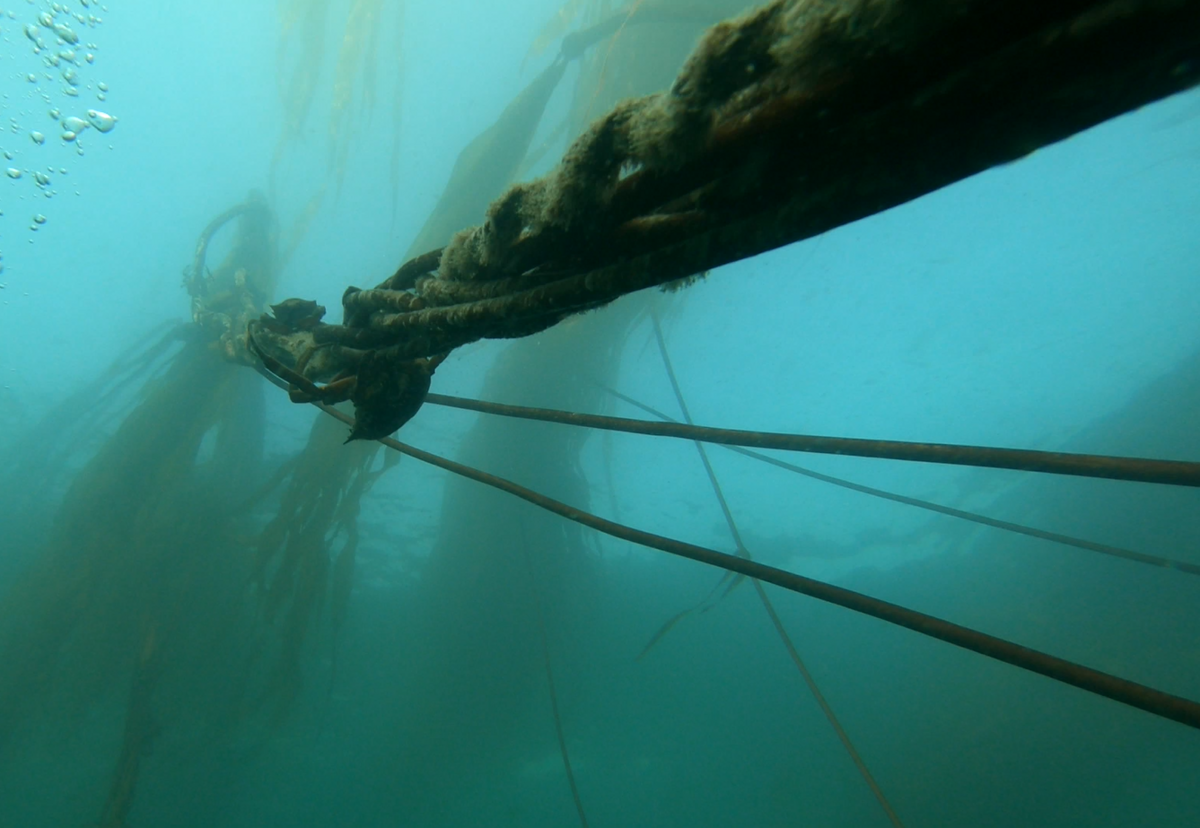
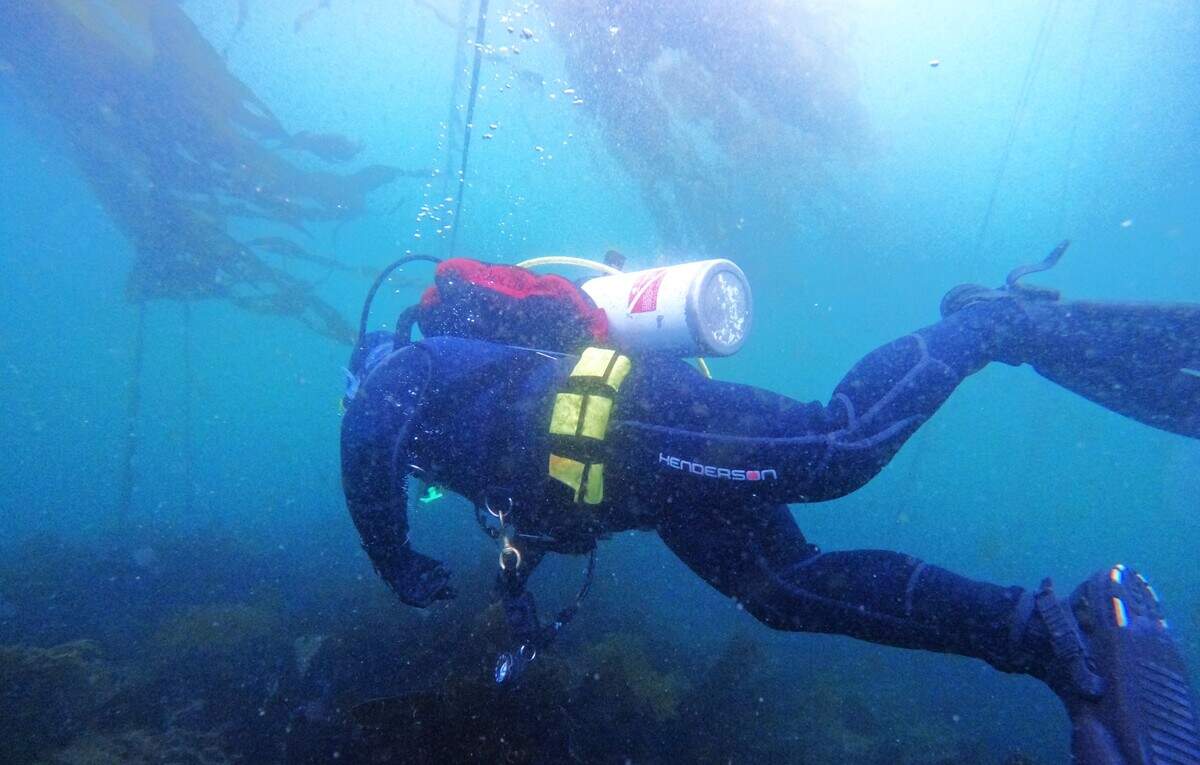
In 2022, PDZA divers began conducting annual kelp surveys at Owen Beach, Titlow Beach and Foulweather Bluff. Divers look for more than 70 kelp, fish and invertebrate species.
Also in 2022, the Legislature began funding priorities of the Puget Sound Kelp Conservation and Recovery Plan as established by the state Department of Natural Resources. The goal is to identify and preserve 10,000 acres of bull kelp.
There are 27 designated state symbols ranging, from the official flower to the official dinosaur.