‘My color inspired me to get here.’ Black Tacoma detective speaks on diversity
When William Muse served in the Gulf War, his step brother, Andre Lamar had been murdered in Tacoma. Crime was high in the city and so was resistance to police from his community. These were some of the reasons that prompted him to decide to join the Tacoma Police Department.
Muse told The News Tribune that at one point his grandfather, an activist during the Civil Rights Movement in Tacoma, wanted to become a police officer, but believed he wasn’t allowed to because of his skin color. Now, 31 years after Muse himself joined in 1995, he has gone through the ranks from being a police officer to a member of the SWAT team and a detective.
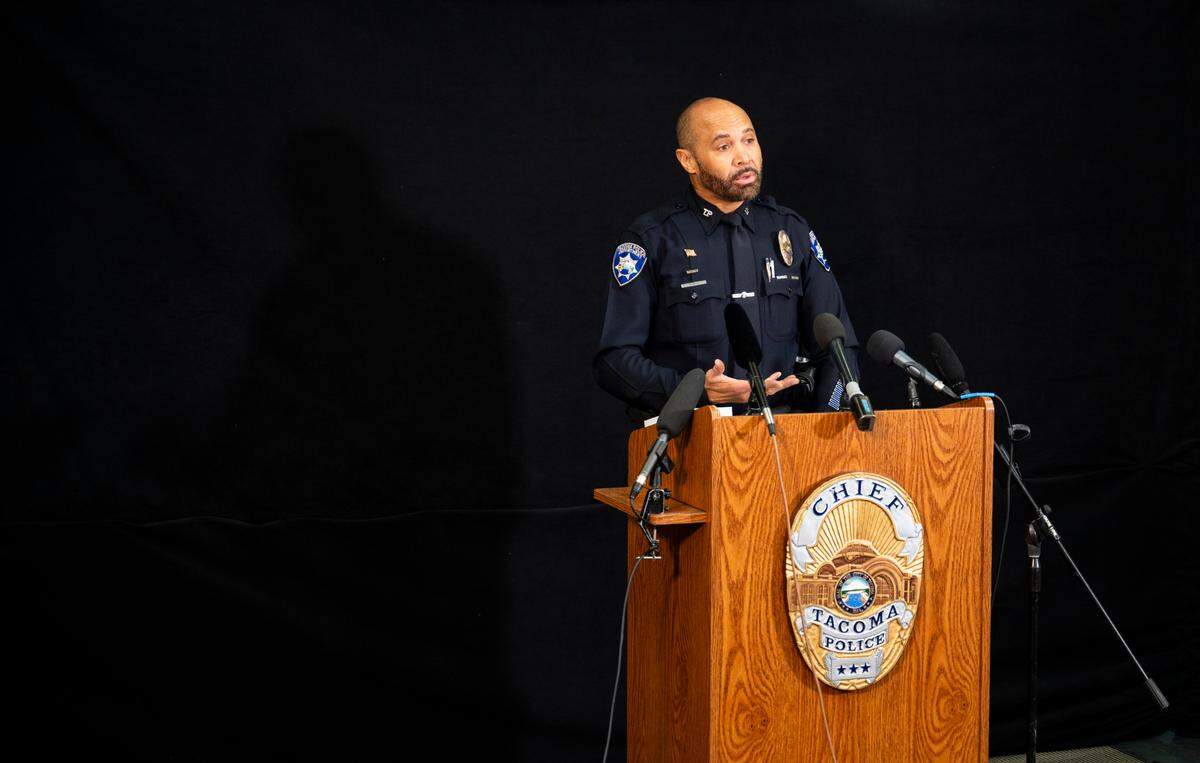
“For me, it wasn’t because I looked up one day and I saw an African American police officer and said ‘I’m gonna be like that guy,” he told The News Tribune in an interview. “For me, it was the fact that I saw somebody in uniform, a person of color, help out my family.”
Muse said before applying to the department, he saw his family members and community not having faith in law enforcement.
“I was asking myself, ‘what can we do to change that?’” He said.
After Muse told his family and friends that he wanted to become a police officer, he received more resistance than praise.
“When I first expressed interest in becoming a law enforcement officer, a lot of people in the African American community would challenge me and say, ‘why would you want to do that? That’s a racist organization,’ ” he said.
Muse’s response to members of his community was that if they believe police departments are racist organizations, they could join to change that.
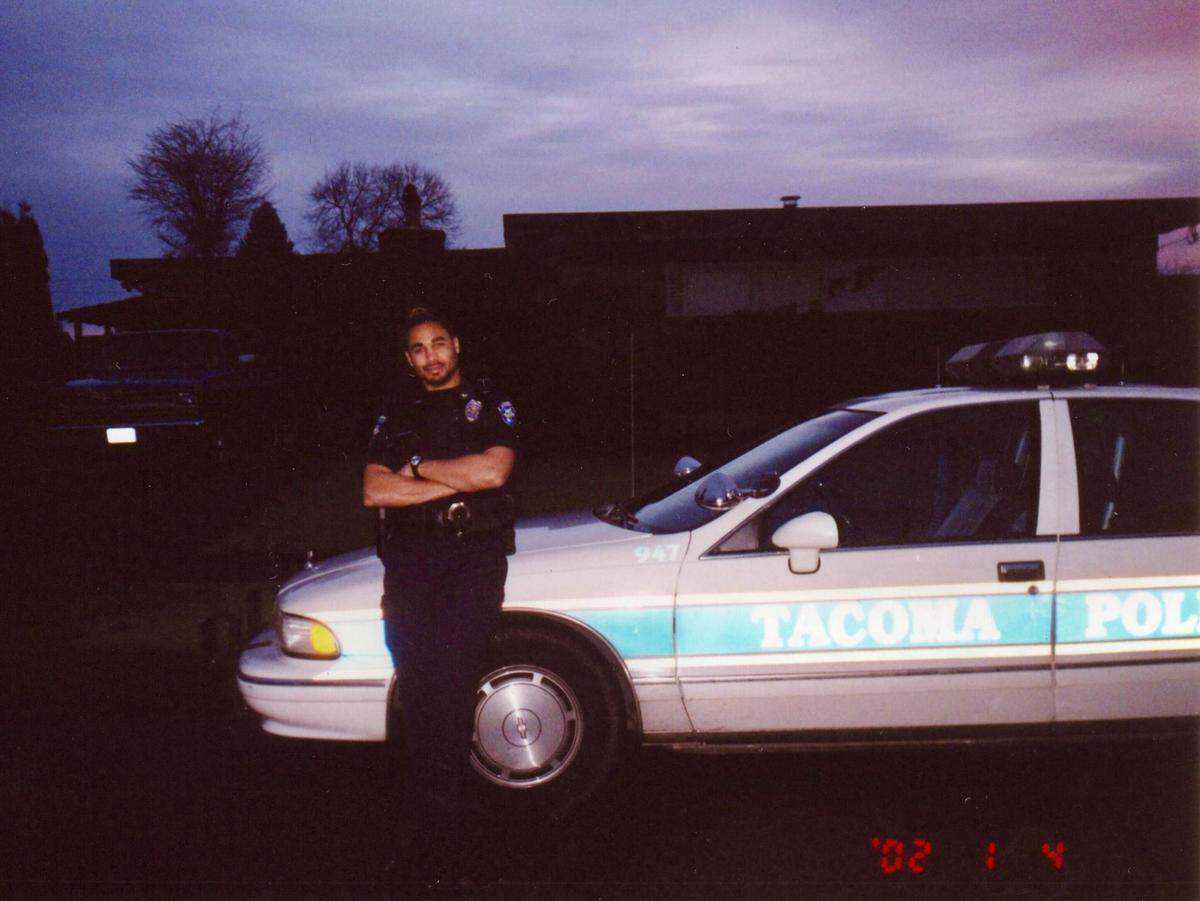
“My childhood growing up, law enforcement came into my home, and they were of help to my family members,” he said. “I wanted to be a part of that. I saw that as the biggest mechanism to help make changes in our town.”
Only a few officers were minorities when Muse first joined TPD. The numbers have gone up and down over the years.
“The vast majority of us in the police department aren’t looking at color. We work with each other, we have a common job,” he said.
TPD has added more nonwhite officers since the start of 2020, and they reduced their proportions of white officers, according to public records analyzed by The News Tribune. The police department in 2024 trickled down to 74.27 percent white, about 15 percent whiter than the city’s population that year.
Muse said he sees having a diverse law enforcement community as important, whether it is hiring people of different ethnic backgrounds, religions or other facets of their identity that make them unique.
In the past, he has been able to recruit some people of color to join. At other times, he would speak to people of color about joining TPD, but they would resist, saying they did not want to arrest their friends.
“So there’s this stigma there, that if you’re a minority or a person of color that it felt like you’re more inclined to commit crimes. And if you’re a police officer, you’re more inclined to arrest people of color because people of color commit harm, which is totally wrong,” he said.
Muse and other members of the department have traveled to military installations or historically black colleges to recruit people.
“The only thing we can’t do is force people to join,” he said. “People just have to apply. People actually have to want to join.”
At some point in time, Muse said his career will come to an end and he hopes that what he’s done at the department has made an impact, whether it is on victims of the crimes he has investigated, or if he inspired someone to join law enforcement because they saw a Black officer.
“I didn’t get here because of my color, my color inspired me to get here,” he said.
This story was originally published April 15, 2025 at 5:00 AM.