WA grandmother and world-record holder still skydives at 75. She took us along
AI-generated summary reviewed by our newsroom.
- Jessie Farrington, 75, continues skydiving with over 200 annual jumps since age 15.
- Her family spans three generations of skydivers, all trained at Skydive Kapowsin.
- Farrington has contributed to global records and advocates for skydiving safety.
Jessie Farrington was all smiles as the small plane began to climb Tuesday afternoon. Through the open door the wind whipped her hair as a patchwork of forests, lakes and mountains unfolded below. When the plane reached about 13,000 feet she climbed out the door, holding on to the airplane’s roof, before jumping backwards into the blue sky, flashing a peace sign.
Farrington, who will be 76 in September, has skydived about 10,000 times and averages 200 jumps a year. In the 60 years she’s been skydiving she’s broken world records and has skydived in places like France, Germany, Switzerland, Austria, Mexico, Canada, South Africa and Belize.
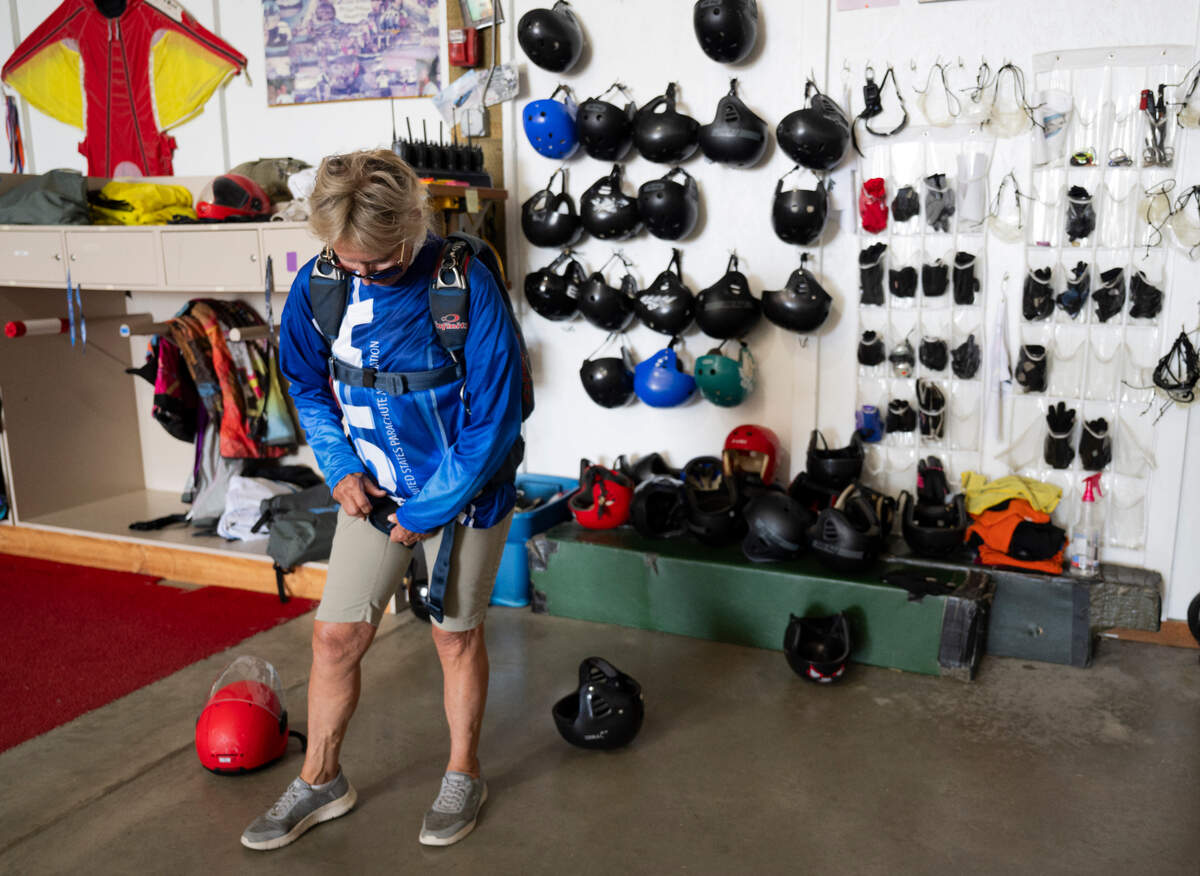
At Skydive Kapowsin in Shelton, one of premier places to experience free fall in the Pacific Northwest, skydiving is a family business. Farrington’s father was a World War II fighter pilot who took up skydiving when he wanted to keep flying after the war. Farrington’s husband, Jeff, stopped skydiving last year at age 76, and their two children teach and skydive professionally. Andy, her 45-year-old son, works for Redbull, performing about 20 stunts a year. Keri Bell, her 48-year-old daughter, is part of the Highlight all-female professional skydiving demonstration team. When Farrington’s grandchildren reach 16, they’ll start skydiving too.
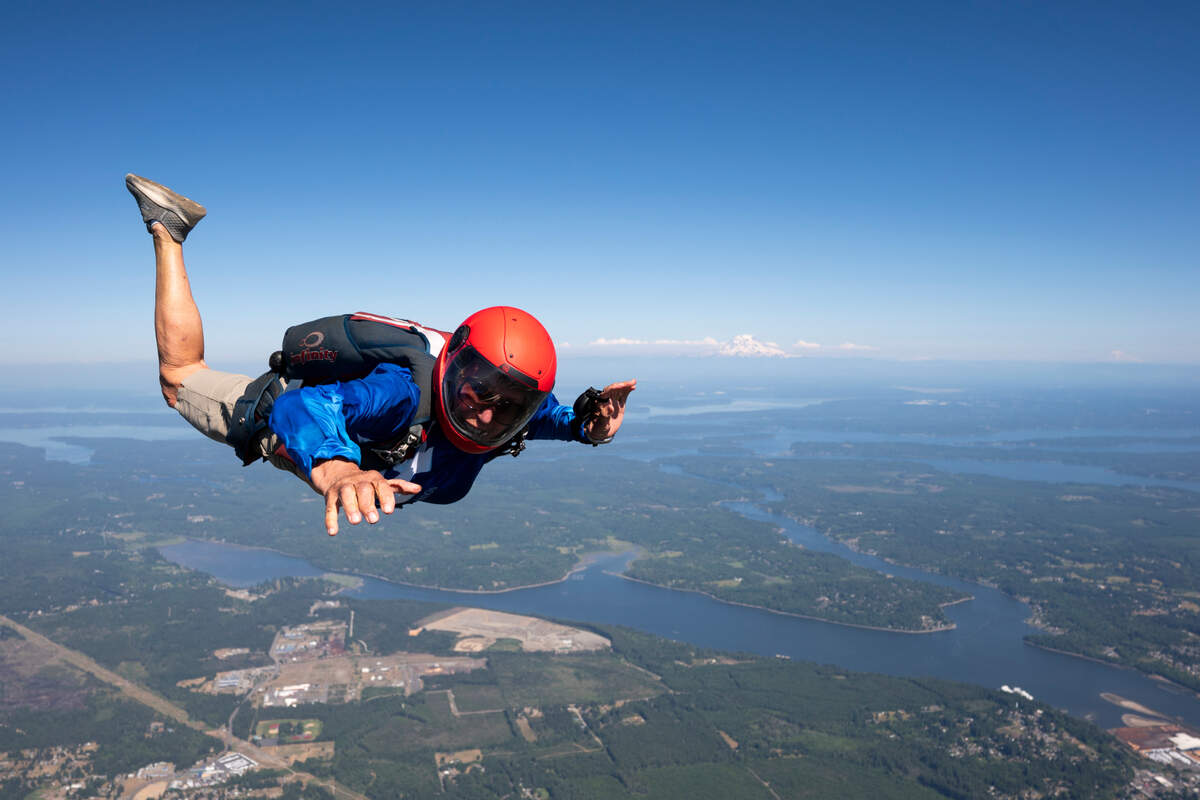
Since its founding in 1979, instructors at Skydive Kapowsin have facilitated 321,437 skydives as of Wednesday, including 32,635 tandem rides and 190,651 airplane loads, according to a running tally on its website. It’s at this Shelton airport that adrenaline junkies can learn how to safely jump out of airplanes and do tricks. A team of videographers, for an extra fee, capture every scream, smile and view on the way down, which lasts between 60 and 90 seconds.
When she started skydiving at age 15, Farrington said, she was one of the few women in the extreme sport. At the time she learned to skydive by jumping out of a plane while attached to a static line, but over the decades has watched skydiving technology advance to allow people to jump higher and faster with lighter equipment. Only about 14% of skydivers are women, according to the United States Parachute Association. Farrington estimates 30%-40% of the skydivers at Skydive Kapowsin are women.
When she’s in the air, Farrington said, it feels like flying rather than falling.
“It’s exciting. It doesn’t ever get old,” she said. “Reliving that first jump through your students is always fun.”
Over the decades Farrington has broken world records in formation and canopy stacking (where people jump in a vertical line formation). One time she landed an eight-stack in Cheney Stadium as part of an exhibition jump. In accuracy competitions she successfully landed on a 10 centimeter disc from 4,000 feet in the air. She’s won global paraskiing competitions in which competitors ski down a mountain and paraglide onto a three centimeter target on the side of a hill. In 1999 the whole family was part of a group of 572 skydivers from 39 countries who jumped out of Thai military planes onto a field next to the Grand Palace in Thailand for the king’s 72nd birthday – a world record.
When you’re falling with hundreds of other people, Farrington said, you have to really concentrate on your spot in the formation. She has jumped in the shape of flowers, stars and diamonds. Farrington said the hardest formation is a big circle, which gets more challenging with more people. The largest formation she’s been a part of included 327 people — but they didn’t break a world record because one person wasn’t in formation.
“You’re not really thinking about the ground coming up or anything. What you are thinking about is that you’re running out of time for your formation,” she said. “It’s not like jumping off of a high dive or something like that. You never really feel that sensation of falling. You’re always flying, and when you’re that high, looking down at the ground, it’s not like looking over the edge of a skyscraper or a bridge or a cliff. It’s quite a bit different. So a lot of people that think they are afraid of heights, they don’t want to be on ladders or roofs or things like that. If you can fly in an airplane and look down and not be terrified, then it’s easy.”
Of course, Farrington said, there are risks associated with skydiving — “You’re diving out of an airplane at two miles up in the air” — but the sport has evolved greatly to become safer. Skydivers carry reserve parachutes that automatically deploy at certain altitudes if they haven’t deployed already. Out of the 3.88 million skydives taken in the United States in 2024 there were nine fatalities — mostly in cases where experienced jumpers were trying extreme tricks, Farrington said.
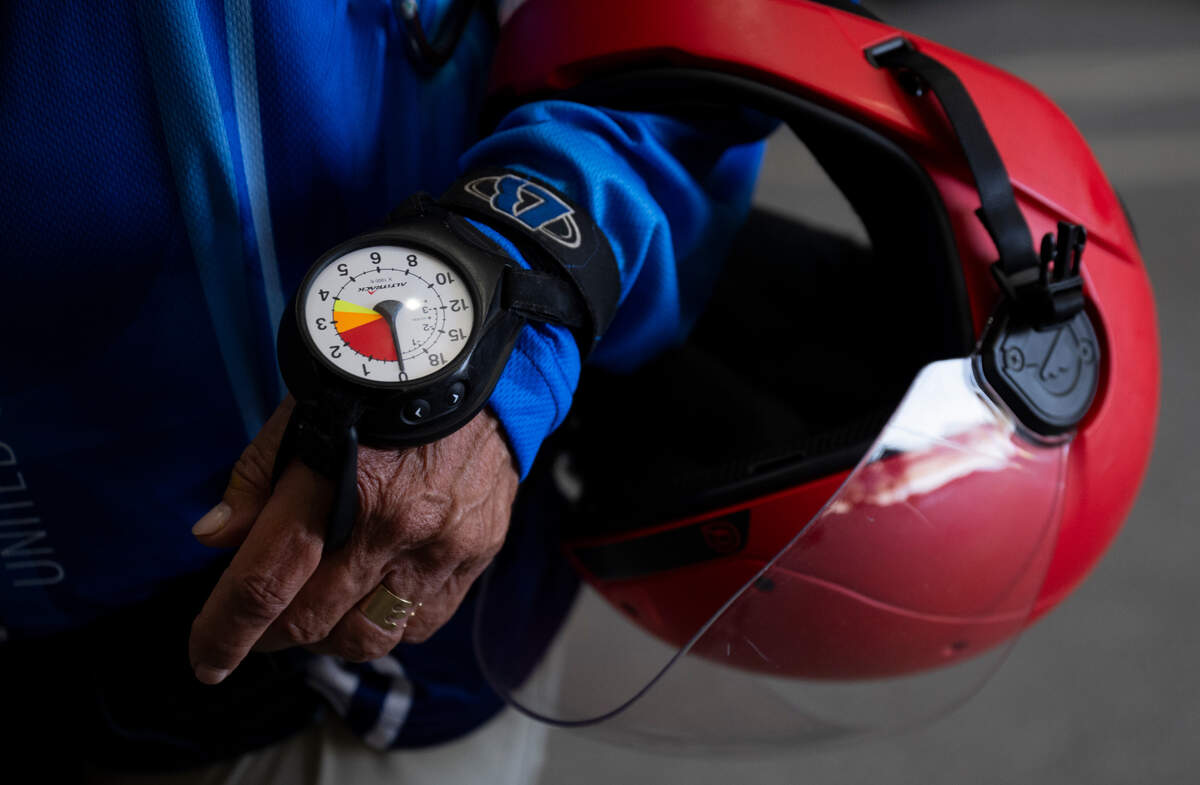
“When our kids were growing up, people would say, ‘How can you let them jump out of airplanes?’ And I said, ‘Well, I’d much rather have them on the drop zone skydiving than send them out in a car alone,’” she said. “If you follow the basic rules and you take care of your equipment, you know, you’re pretty safe.”
Farrington said she’s going to keep skydiving “as long as I can.” Her father made his last jump at 85. The oldest skydiver she knows made a tandem jump at age 95.
“It obviously depends on my health, but right now I’m pretty healthy. I do all the things I want to do there and in free fall you don’t need a lot of strength,” she said. “Your body taking the openings and the landings — you know that’s a little harder on the body. But I have no intentions of quitting anytime soon.”
This story was originally published June 15, 2025 at 5:00 AM.