Remann Hall needs a redo. Where will Pierce County get the millions necessary?
AI-generated summary reviewed by our newsroom.
- Pierce County’s juvenile justice facility is old and no longer a fit for current operations.
- Remann Hall must be replaced, at least some officials say.
- Expected costs are a major hurdle. A planned new task force is set to review options.
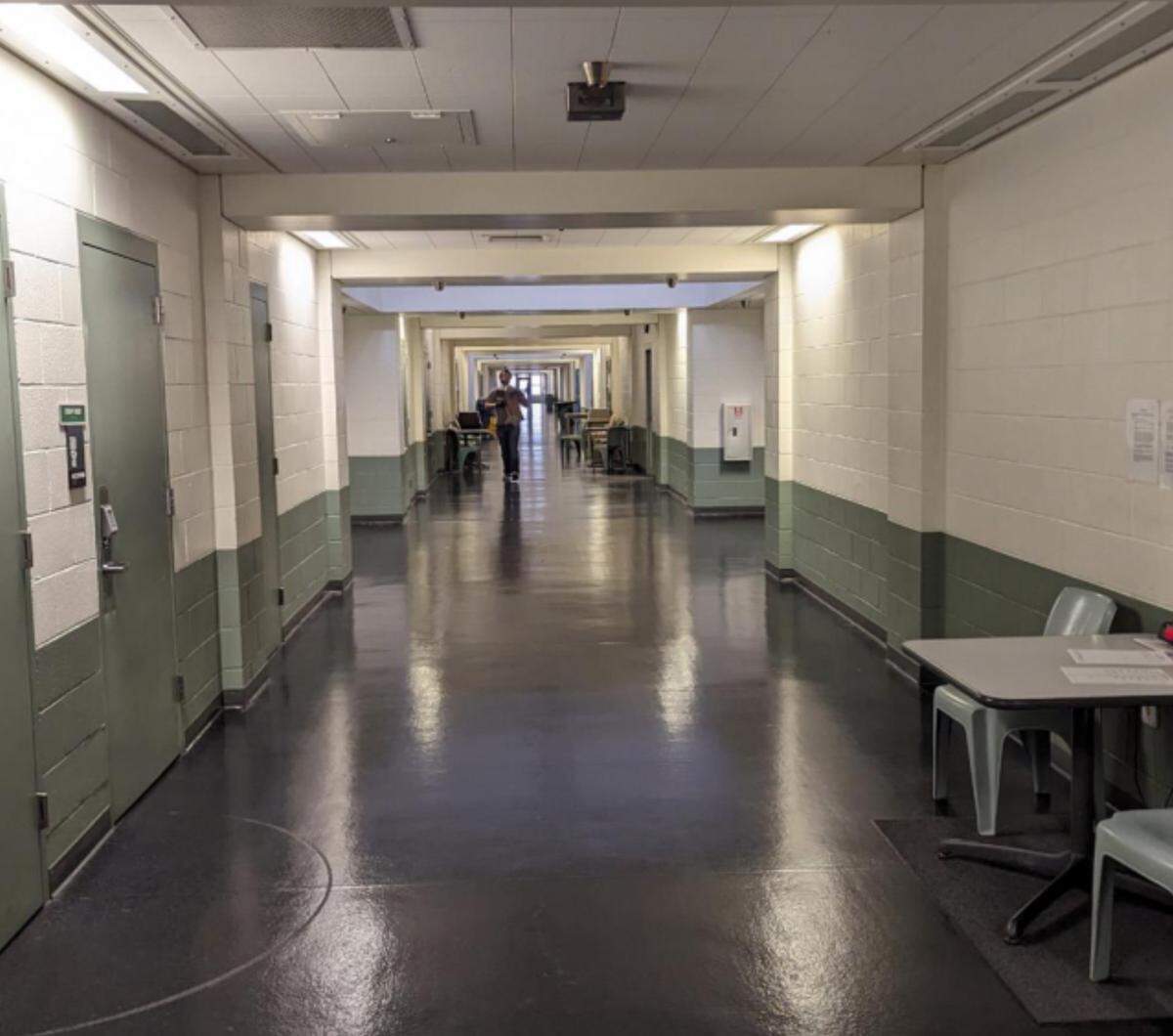
At the Pierce County-owned juvenile detention center, malfunctioning cameras, intercoms and door locks or sensors often require attention.
Those issues prompted dozens of security-related requests for work orders over the past five years in Remann Hall’s housing pods, where young detainees reside, according to a News Tribune analysis of a Pierce County Facilities Management work-order log.
Since 2020, the issues accounted for many of the 123 total security-related work requests in pod areas, including day rooms, the analysis shows. Pierce County Executive Ryan Mello, a Democrat, said in a recent interview the malfunctions were illustrative of Remann Hall being obsolete. They hadn’t caused safety issues for staff or detainees, according to county officials who operate the facility, but the risks were documented on a few occasions.
“(T)he CCTV that is monitoring this unit is not working, there is no live video for this unit, creating a safety concern,” notes read from a July 2022 request.
By early next year, all cameras in detention will be replaced and upgraded from analog to digital under a $775,000 project, according to Steve Wamback, deputy director for the county’s Department of Facilities Management. It’s hoped that electronic systems important for security monitoring, door controls, intercoms and more will be next to be replaced, but that $900,000 effort must first get approved in the 2026-27 budget.
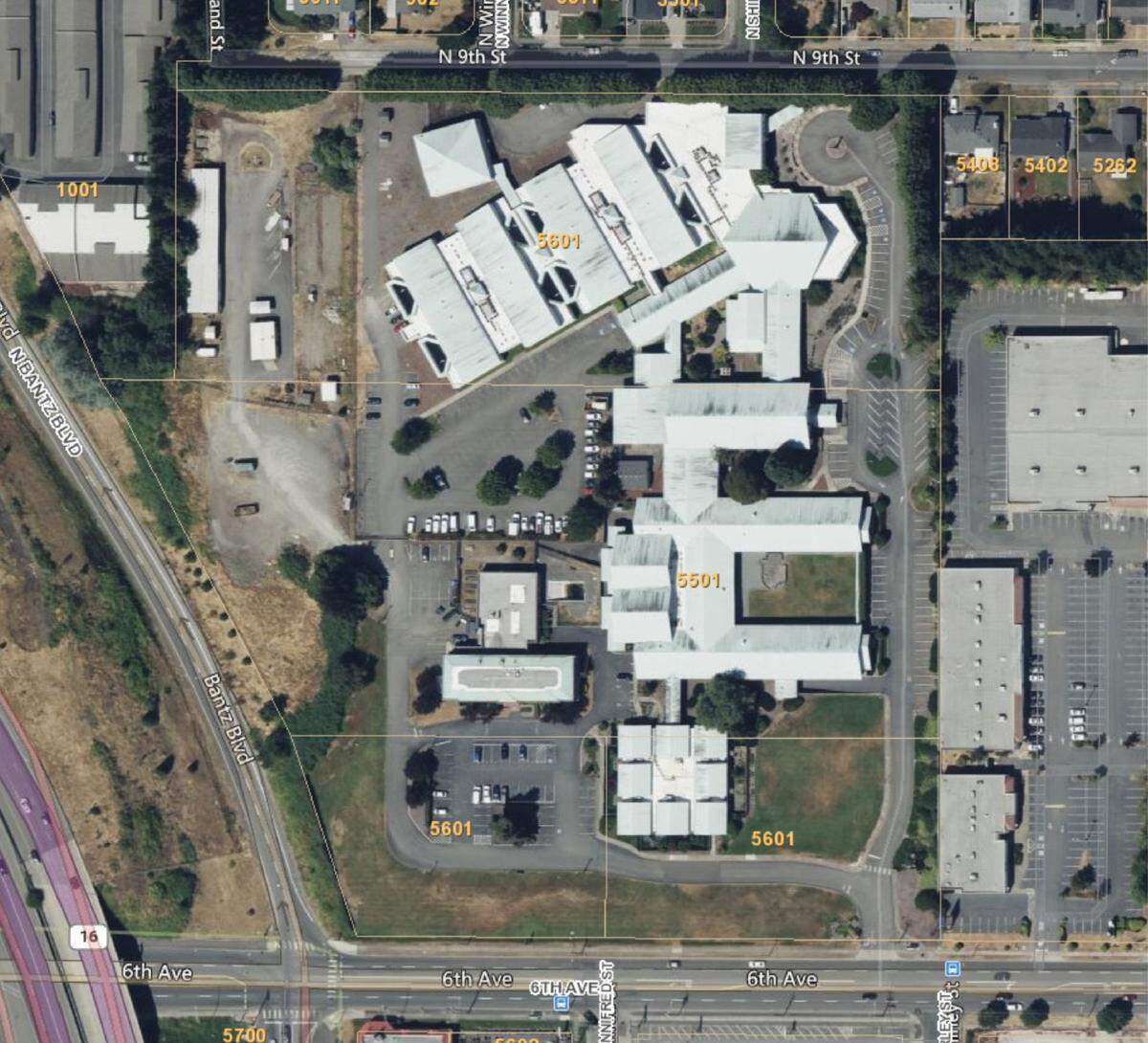
The availability of money — often a central consideration for governments — has heavily factored into Pierce County’s approach to Remann Hall, a sprawling Tacoma complex opened in 1971 after it was constructed to replace the original facility built in 1948, according to News Tribune archives. It was significantly renovated in 1992, including the addition of the current detention wing, a recent study said. Four buildings, connected via enclosed hallways and underground tunnels, hold youth detainees, courtrooms for criminal and child-welfare cases, diversion programs and other juvenile justice services for the entire county.
For at least a decade, county officials have known that many of Remann Hall’s systems have reached the end of their useful life, including mechanical and electrical features, and that the site’s design no longer makes sense for current operations. Studies in 2015 and 2023 contemplated a relocation or major upgrade. The prospects of such an undertaking have been stymied by a lack of funds, according to Mello.
“This has been a long, long-standing issue,” Mello told The News Tribune, adding later: “The order of magnitude of replacing the youth juvenile facility is very significant.”
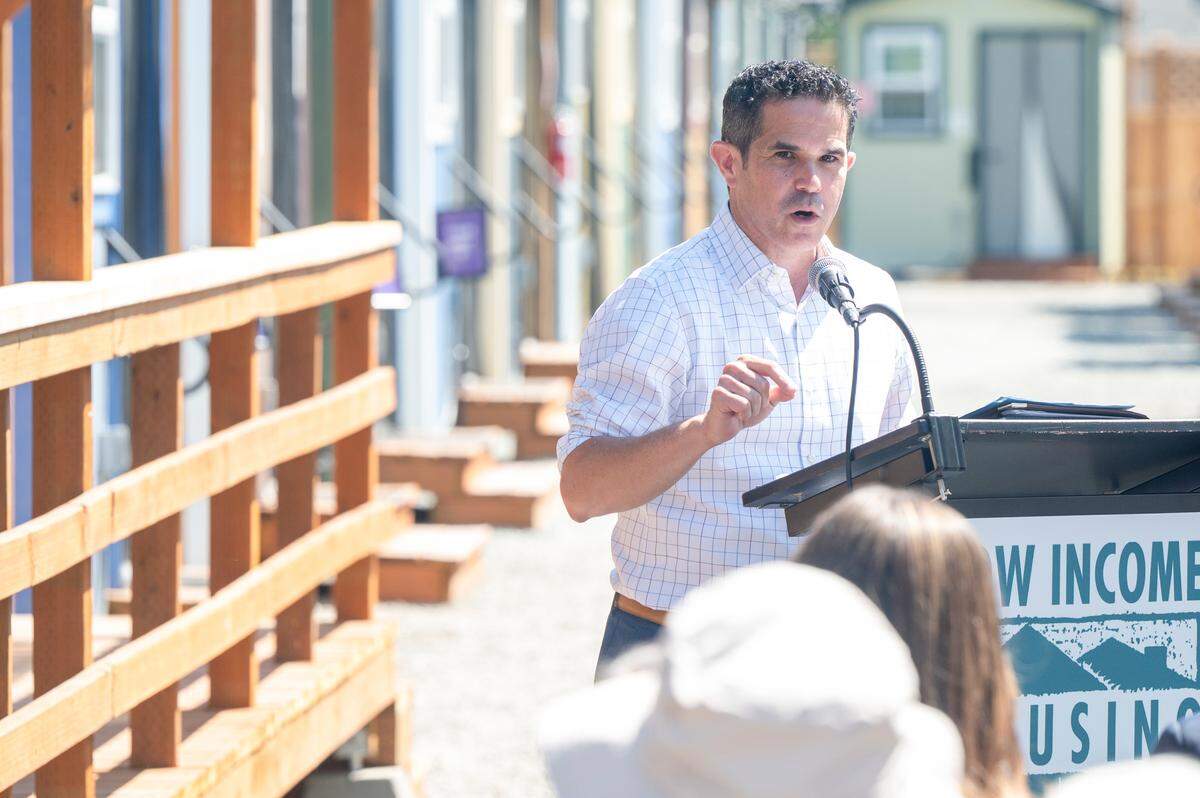
Mello said it is time “to get serious” about a new Remann Hall although he acknowledged it would be “incredibly difficult” to pull off. In a few weeks, the recently elected executive and former County Council member said he plans to announce the formation of a youth justice task force whose focus would include receiving recommendations for a replacement and how to pay for it. He didn’t offer potential funding sources but said the county’s stressed budget couldn’t pay for a new facility. The county is facing a structural budget deficit and needs to shore up federal spending cuts, so additional revenues would need to be sought, Mello said.
During a presentation early last year on a proposed Remann Hall redevelopment plan, Facilities Management noted that bond financing could be an option to tackle costs but told county lawmakers they didn’t need to begin to address that funding idea for two more years.
Plans to weigh options for a new juvenile detention facility come during a particularly troubling stretch for local youth violence, which surged in Tacoma two years ago and has remained problematic into this year, according to previous News Tribune reports. In May, the county’s Juvenile Court, which oversees Remann Hall, said that the number of teenagers being charged as adults was on the rise.
Remann Hall proposal comes forward
The most recent Remann Hall study, presented to the Pierce County Council in February 2024, proposed a roughly $180 million modernization. The study’s consultant, KMB Architects, and participants from county facilities and juvenile services departments preferred the redevelopment scenario over two others, yet it was also the most expensive and extensive.
The proposal called for demolishing three buildings while renovating the building that holds detainees and adding to it, including five courtrooms, offices and a secure outdoor courtyard. New security gates, parking and landscaping would be among site improvements.
“Remann Hall foremost is not meeting the goals and objectives of the Pierce County Juvenile Justice System to provide the best quality care and safety for the public, youth in custody, and staff,” the study said.
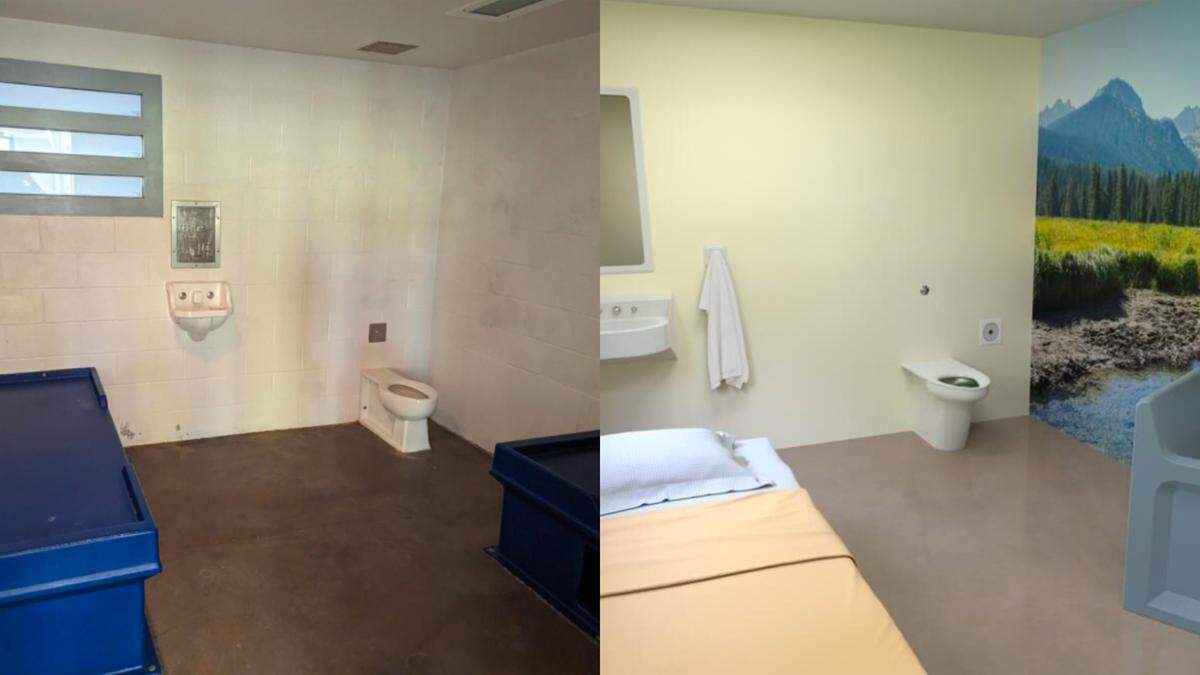
The facility’s size is generally sufficient for program needs but not for anticipated growth, and its spaces are misallocated; related programs aren’t next to each other, complicating collaboration; courtrooms are undersized; and other areas are either over- or undersized for their needs, according to the study. The facility is difficult to navigate; portions of the site aren’t compliant with the Americans with Disabilities Act; private areas aren’t separated enough from public areas; and the site’s “hard, correctional environment” isn’t conducive to rehabilitation.
There’s room for 101 inmates in the detention building. The population has significantly declined since the early 2000s as reforms limited youth confinement and officials embraced alternative sentencing programs, shifting average daily numbers from the 140s to the tens and 20s, The News Tribune previously reported. Still, youth education and other programming spaces are too small, unwelcoming and don’t meet current technology standards, the study said.
Mello told The News Tribune that deputy prosecuting attorneys were among those affected by ADA issues, unable to get to their destinations in a straight line. He said the facility, which he called “wholly inadequate,” lacks a proper infirmary and has no real outdoor space to improve the mental health of detainees, who he said need much rehabilitation and support to lessen their likelihood of recidivism.
Asked if he believes the study’s proposal could move forward, Mello said the county must “figure it out.”
“Making sure that we are really tackling the youth justice crisis we have in this community is a top priority,” he said.
Pierce County Council member Paul Herrera, a Republican representing District 2, is a retired police sergeant who’s chairman of the county’s Public Safety Committee. He told The News Tribune last week that he has not heard anything on the proposal since last year.
“It’s always about if we can find the money, right?” Herrera said, noting that he’d like to be on board but had no idea how the county could fund it. “I would be in support of improvements the best that we can.”
It’s unclear if a big-ticket revamp to Remann Hall has broad support among county lawmakers. Not all County Council members responded to The News Tribune’s questions by this story’s deadline. Council Chair Jani Hitchen, a Democrat representing District 6, said she couldn’t say that she supported the study’s preferred project but agreed that Remann Hall needs to be replaced or substantially renovated.
Times have changed since hundreds of young people skipping school or shoplifting were being housed in custody. Today detention is reserved for higher-level offenders who often have complex trauma, Hitchen said in a statement Monday.
“We have families in crisis that need supportive services to help young people find a different path,” she said. “We have community-based organizations that want to help us help our young people, but we don’t have spaces to do that work. The building is built like a jail, and we need something different.”
Hitchen said she is very interested in a nationally growing model — providing a place for youth assessments in collaboration with families and law enforcement to get ahead of violence — to complement the work already being done by the county.
Newly elected County Council member Rosie Ayala, a Democrat representing District 4, similarly expressed a desire for re-examining how the facility operates.
“So, in terms of a renovation project — I would not want to envision that level of investment without first thinking of innovative uses for the space that brings together the perspectives and experiences of those working with youth, youth themselves, and the professionals that can bring this together,” Ayala said in a statement Tuesday. “This goes beyond the physical and infrastructure space.”
Transfers prompt lawmaker’s tour
Remann Hall’s challenges were spotlighted in May when four youth detainees were temporarily moved to their own wing in the adult Pierce County Jail against objections from some of the detainees’ public attorneys. The county’s Juvenile Court requested the transfers in court filings, citing issues it said threatened safety and security: short-staffed detention officers, an increase in youth charged as adults and limited detention space due to an ongoing HVAC replacement project.
In June, Juvenile Court administrator TJ Bohl told The News Tribune that the combination of staffing, longer-staying inmates and “an aging facility” were affecting safety, rehabilitation and daily operations.
The month-long transfers — the second occurrence for similar reasons since November 2023 — prompted Herrera to take a tour of Remann Hall to see what was going on. He said the county needed to address any issues that exist to ensure the facility is safe and operational.
“We don’t want to wait around until something bad happens,” he said. “We don’t want to be reactive. We want to be proactive.”
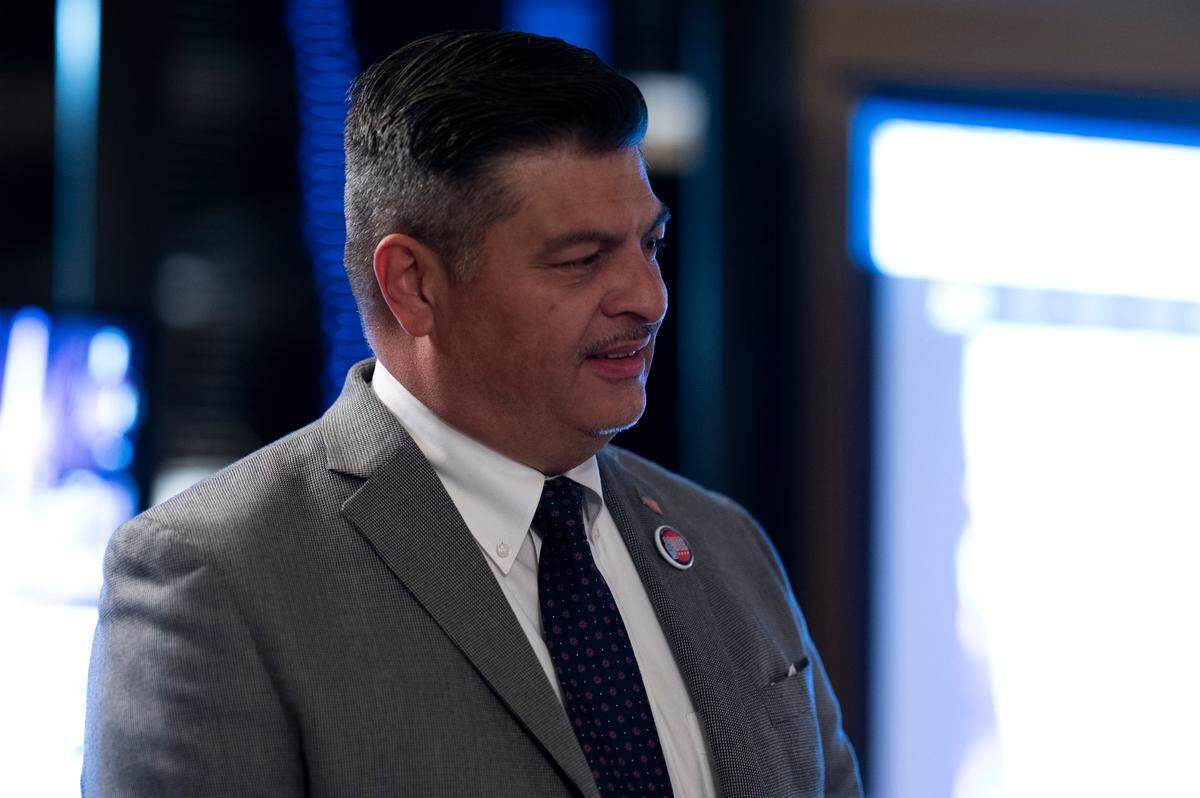
Herrera said he encountered a very clean facility on his visit during the first week of July and got the impression that staffing issues and the seriousness of inmates’ crimes were the cause of safety concerns. One worker, he said, told him that violence against staff was pretty high.
Pierce County has recruitment and retention bonuses for detention officers, officials said, but Bohl previously noted that keeping staff is difficult because the work is “uniquely complex” and other law enforcement jobs pay better.
Herrera, who said inmates were on lockdown during his tour due to a fight the prior day, relayed learning that short-staffing limited the opportunities for detainees to go to the gym, school equipment was subpar and the new camera system had been “a long time coming.”
“Of course, when it comes to security and blind spots,” he said, “that doesn’t make a safe facility.”
There’s a limited budget for maintenance
Facilities Management is responsible for most county buildings, including the County-City Building in downtown Tacoma built in 1959 and nearly two-dozen others, according to a 2016 deferred maintenance study. Money is often a key factor to whether needs can be addressed.
Sometimes, maintenance and repairs are not performed when they should be, or they are scheduled but put off or delayed — known as deferred maintenance.
A 2016 study showed Remann Hall had nearly $20 million in projected deferred maintenance needs. Only the County-City Building ($37.8 million) and Pierce County Jail ($33.4 million) had more.
There’s nearly $10 million worth of deferred maintenance projects under budget consideration, according to a county spreadsheet that reflects necessary work with dollars tied to it. Some projects are underway and have had portions of money spent. The document was provided by the county in response to a request for information about the current state of deferred maintenance.
The forthcoming camera-system project was aided by a $675,000 transfer from Juvenile Court to Facilities Management, which is covering the $100,000 design from real estate excise tax revenues, Wamback said. The state tax, which bills real estate transactions unless specifically exempted, is an important pot of money for the facilities department.
Nearly all improvements to county-owned facilities are bankrolled by the department’s $8 million to $14 million average annual portion of the tax’s proceeds, Wamback said. Every biennial budget cycle, Facilities Management evaluates all potential challenges of the county’s aging infrastructure and prioritizes projects with the biggest need.
Recently, HVAC systems in Remann Hall’s detention pods rose to the top of the fix-it list, according to Wamback. A consultant’s review six years earlier concluded that all of the facility’s HVAC systems were “aged and in need of replacement.” More than half of the facility was served by HVAC equipment made in 1968, and the rest used systems from 1994 that were inefficient and less robust despite being newer, according to the January 2019 study.
The consultant recommended that HVAC units in eight detention pods be replaced immediately. Wamback said finances were primarily the reason it took until this year for a project to get underway. For $2.8 million, the county moved this spring to install new units serving six pods, with two other pods scheduled to be addressed in 2028.
Other studies in recent years have recommended replacing the detention building’s roof (2019) and explored relocating Juvenile Court programs to downtown Tacoma (2015) to fold into the Pierce County Justice Center — neither of which was done. The latter study noted Remann Hall was “in need of significant renovation,” many building systems had reached the end of their lives and the site configuration no longer supported evolved juvenile programs.
The misalignment between Remann Hall’s original design and its current programming needs is probably the biggest problem, according to Bob Carr, the maintenance and operations division manager for Facilities Management. One building on the campus was only half-occupied by staff and two long-closed detention wings in a different building were unlikely to be repurposed, the 2023 study said.
It’s still necessary to maintain systems throughout the facility regardless of how often an area is used, according to Carr.
“So you end up with higher operational costs for the building, even though there’s less people in there,” he said.
In response to a follow-up inquiry from The News Tribune seeking to quantify higher operational costs, a county spokesperson said there wasn’t an available cost comparison between Remann Hall and a similar but newer facility.
‘The building is old’
Facilities Management has not replaced the detention building’s roof as recommended six years ago by a consultant, who suggested waiting no longer than five years to do so. The consultant, OAC Services Inc., noted that roof drainage was poor with several areas of standing water, although facility staff indicated at the time that roof leaks weren’t a concern, the study said.
In 2019, the same year as the recommendation, the county completed preventative maintenance on the roof, including replacing a scupper to address and mitigate ponding issues, according to county spokesperson Andriana Fletcher.
Carr said that Facilities Management is focused on ensuring Remann Hall is safe for occupation. While the facility’s systems, such as electrical or HVAC, might be no different than other buildings, he noted the added challenge of the secure environment and the need to coordinate even routine work with staff in detention.
“The building is old, so it has old parts. And we don’t do half-assed repairs,” Carr said. “We do full-on repairs to make sure things are restored to the same or better than what they were before, and it’s why the building has been able to operate this long.”
For example, the department proactively updates critical needs, including to fire and life-safety systems, and takes advantage of opportunities during scheduled projects to perform other needed maintenance such as painting, replacing carpets and renovating floors, he said.
Facilities Management receives about 1,300 work orders every month across all buildings it maintains, Carr said.
In the past five years, Remann Hall produced nearly 7,900 work requests, ranging from security to custodial matters, according to The News Tribune’s analysis of requests through July 8.
Calls for maintenance, which together with preventative maintenance made up roughly 81% of all requests, increased each full year since 2020, the analysis shows. Maintenance is often innocuous, such as fixing leaks or unclogging toilets, and can be as simple as hanging office pictures. Sometimes it meant addressing unlit emergency exit signs, protruding nails in a courtroom’s baseboard trim and a sharp window coming off a pod-unit door frame.
Fletcher said the upward trend wasn’t necessarily a reflection of Remann Hall’s age, pointing to multiple contributing factors.
It is true that aging systems increased the number and hours of maintenance responses, she said, but Facilities Management also took advantage of lowered Remann Hall staff populations during the pandemic to perform more work and then focused on proactive maintenance in the detention building when the pandemic subsided.
In addition, more maintenance workers were hired five years ago, helping to drive up activity.
“In 2020, Facilities Management reallocated resources and adjusted staff assignments after it became clear that a new facility would not be built in the near future,” Fletcher said. “This shift was made possible, in part, by the hiring of seven additional maintenance staff previously approved in earlier budget cycles.”
Maintenance expenses can be a topic of conversation when officials from relevant departments routinely hold discussions about Remann Hall, according to Carr. They can also talk about operational deficiencies and long-term growth projections. Sometimes it’s determined studies are warranted, which has been the case several times since 2012.
The physical structure, he added, is just a part of the equation.
“They look at all aspects beyond just the building condition,” he said. “They’re looking at the operational need of the department too.”
This story was originally published July 31, 2025 at 5:00 AM.
CORRECTION: A previous version of this story misstated the age of the current Remann Hall and the year of a study that contemplated its relocation.