Pierce County man died from drug overdose. Did embattled former clinic fail him?
AI-generated summary reviewed by our newsroom.
- Brett Patrick Ryan, of Sumner, died of a drug overdose in February 2024.
- Ryan had been treated at Pierce County-based Rainier Recovery Centers prior to his death.
- Rainier Recovery is being sued by Ryan’s mother, accused of not properly treating her son.
The mother of a 34-year-old Sumner man who died from fentanyl intoxication alleges he was failed by a now-defunct substance-abuse treatment provider that had been accused by the state of jeopardizing patient safety.
Brett Patrick Ryan died at home on Feb. 23, 2024, less than a week after Rainier Recovery Centers documented that he tested negative for drugs in a urinalysis test despite having conducted no such test, according to a wrongful death lawsuit filed Nov. 13 in Pierce County Superior Court.
The complaint offers a timeline of Ryan’s experience with the provider — which maintained centers in Lakewood, Gig Harbor and Puyallup — following his March 2023 arrest for DUI. The suit’s allegations, including negligent care and unqualified staffing, mirror much of what was disclosed in an investigation by the state’s health department that led to Rainier Recovery being placed on probation for at least a decade as part of a settlement in December 2024 before it was ultimately sold.
“This was an organization that was holding itself on helping people in need,” attorney Tim Ceder, who represents Ryan’s mother, Judy Russo, said in an interview. “And they had a system set up to explicitly not do that.”
In a statement Nov. 13, former Rainier Recovery CEO Jeremiah Dunlap offered his “deepest condolences” to Ryan’s family during “this unimaginable time.”
“I lost my own daughter to suicide last year, so I recognize the kind of heartbreak they’re facing. I wasn’t too familiar with this client and don’t have access to their records, so I’m limited in how much support I can offer on the specifics,” he said. “What I can say is that the disease of addiction is real, relentless, and devastating. I truly hope the family — especially his mother — can find moments of peace and strength as they navigate this loss.”
Dunlap previously denied wrongdoing and has been critical of the state Department of Health, asserting that its allegations were never founded and that investigators were “lazy” and didn’t seek facts or evidence.
Ryan, whose history of addiction began at 17 and included alcohol and heroin abuse, entered into a Rainier Recovery center in April 2023 through a referral from his criminal defense attorney, the lawsuit said.
His assessment was conducted by a Substance Use Disorder Professional Trainee with no prior clinical training or education, who falsely signed the evaluation as an “SUDP Counselor” and concluded Ryan required the lowest level of treatment, according to the suit. It was recommended Ryan complete an eight-hour educational program about substance use and participate in a panel where crime victims share their stories, the suit said.
Any trained SUDP counselor would have questioned Ryan’s denials of substance abuse that were contradicted by his actions, statements and criminal history, according to the suit.
The low-level assessment, it’s alleged, would have increased Ryan’s odds of securing a favorable outcome in his criminal case. The civil complaint repeated an accusation from the Department of Health’s investigation: Rainier Recovery purportedly directed employees to downgrade assessments to help build repeat business with criminal defense attorneys. The state specifically alleged collusion with one unnamed law firm.
Rainier Recovery also had been accused by the state health department of altering patient records. The suit alleged that Dunlap removed the SUDP trainee’s signature from Ryan’s assessment several months afterward, shortly before his death, and added a recommendation for three months of monthly monitoring and urinalysis testing.
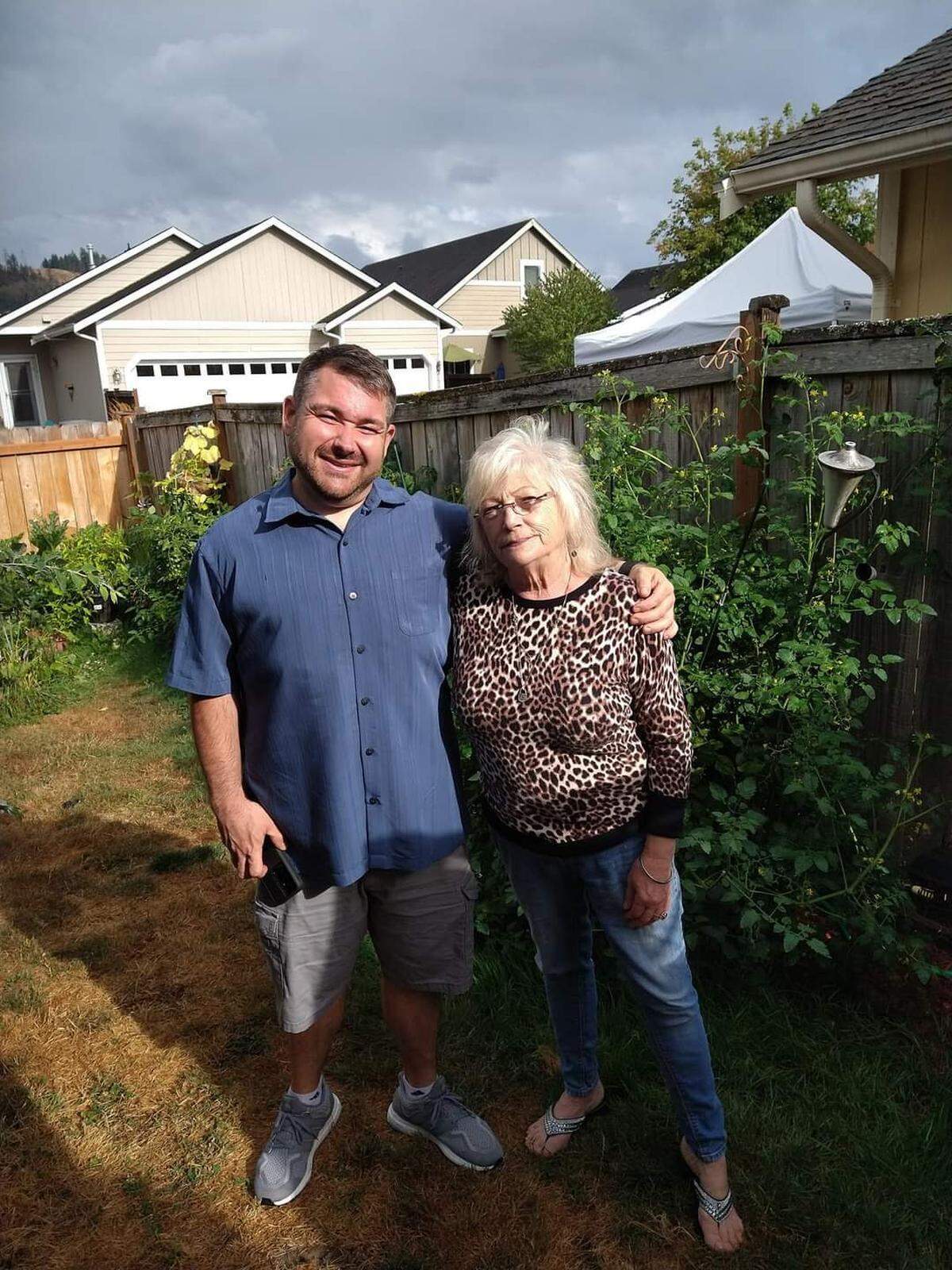
Ryan allegedly received no treatment interventions between April 2023 and January 2024, according to the suit. He completed the educational program. In February 2024, he pleaded guilty to offenses that stemmed from his DUI arrest. That same month, Rainier Recovery created a treatment plan for him, including that he undergo extended educational programming and three months of monthly monitoring, the suit said.
In the treatment plan, Ryan acknowledged that he self-medicated, needed a diagnosis for apparent bipolar disorder and had given up heroin in exchange for alcohol, according to the complaint. The treatment plan allegedly didn’t contain a supervisor’s signature or correspond with Ryan’s initial assessment. No other assessments were performed, the suit said.
On Feb. 17, 2024, Ryan was informed by his counselor of the steps necessary to finish treatment and Ryan expressed wanting to do what he needed to get off medication and be free from alcohol, according to the suit. On that same day, his urinalysis test — which the complaint disputes ever occurred — purportedly was negative.
Six days later, Ryan died from acute fentanyl intoxication. Benzodiazepines were found in his system, the suit said.
His death, although not his name, was referenced in the state’s investigation. It had been determined that a worker hadn’t appropriately identified his necessary care, according to the Department of Health.
“Rainier Recovery Centers failed to address Brett Ryan’s substance abuse issues adequately, despite clear indications of his need for intensive treatment,” the suit said.
Twelve days following his death, Rainier Recovery listed Ryan as discharged for an unspecified reason, according to the complaint.
Ceder said the move illustrated how Rainier Recovery had not represented what was actually occurring.
After the legal system had intervened to provide Ryan an opportunity to get clean, which he had been working on for years to do, Rainier Recovery was “kind of the weak link in that chain,” according to Ceder.
Now, Ryan’s mother is seeking accountability.
“For Judy’s son, it was at such a critical point in his recovery,” Ceder said. “(Rainier Recovery) just failed to prevent what was preventable.”
The suit asks for unspecified damages to be proven at trial, including costs to cover funeral and burial expenses, and legal fees.
This story was originally published November 15, 2025 at 5:00 AM.