
Impacted by flooding in Washington? Check out these state, federal resources
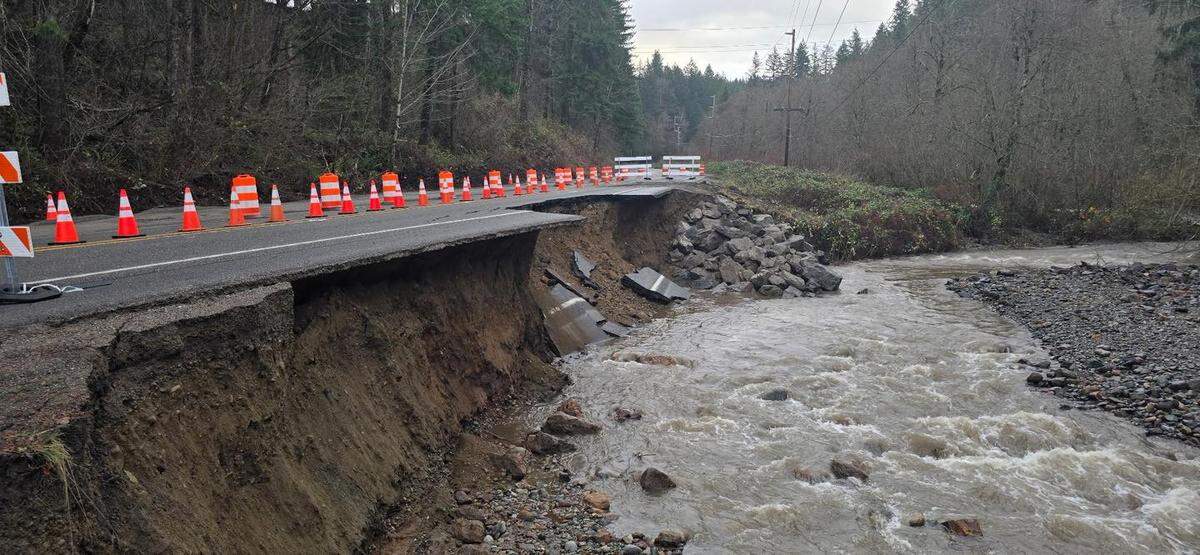
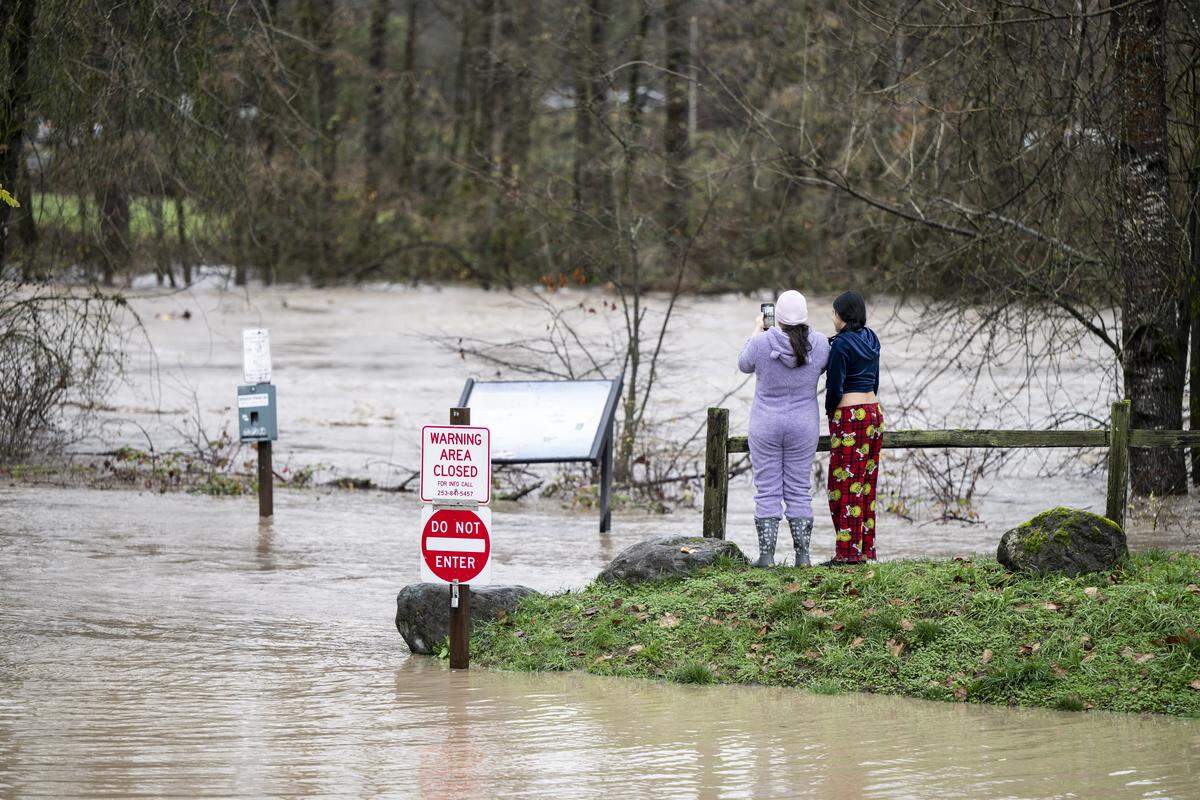
In early December, an atmospheric river-fueled storm brought heavy rain and mountain snow to much of Western Washington, leading to flooding, widespread road closures and evacuation orders.
At one point, 100,000 people across the state were told to leave their homes, NPR previously reported.
On Tuesday, Dec. 16, Washington Gov. Bob Ferguson amended his emergency proclamation in response to historic flooding across the state.
“The amendment adds details about specific impacts across 14 counties, activating state cash and benefits assistance programs to provide emergency support to Washingtonians faster,” the Office of the Governor said on its website.
As you assess the storm damage, you may be wondering, “What do I do now?”
Here are some of the state and federal resources available to Washington residents, and how to get help:
How do I apply for Washington disaster assistance?
The Washington Conservation Committee’s Disaster Assistance Program provides grants to farmers and ranchers to help them recover from flooding and other natural disasters.
Founded in 2022, the program provides short-term financial assistance for farmers and ranchers “sustaining physical damage or incurring expenses as a result of a natural disaster,” the committee said on its website.
That might mean partially reimbursing eligible disaster recovery expenses or helping property owners implement best management practices to make them more resilient to disaster.
You can apply for disaster recovery assistance online.
Can I get cash to pay for utilities? Clothing?
Residents of 14 Washington counties affected by flooding can get money to pay for utilities, clothing and more through the state Disaster Cash Assistance Program.
“The program is available to families or individuals without children who face an emergency and don’t have the money to meet their basic needs,” the Washington State Department of Social and Health Services said on its website
To qualify for help, you must be a Washington resident in financial need who lives in an area that’s been declared a disaster and is unable to return home due to the disaster.
If you lost food bought with state benefits due to flooding or a power outage, you can file a claim with the state Social and Health Services Department to replace those benefits.
Find an American Red Cross shelter
The American Red Cross and its partners are “mobilized across Washington to bring urgent relief to people affected by catastrophic flooding,“ the organization said on its website.
The Red Cross’s Northwest Region recently opened emergency evacuation shelters across King, Snohomish and Skagit counties, according to its website.
Within those shelters, volunteers provide first aid, give emotional support and meet with families to assess damage.
Use the Red Cross’s interactive map to find open shelters and disaster relief services near you.
What should I do if my home was flooded?
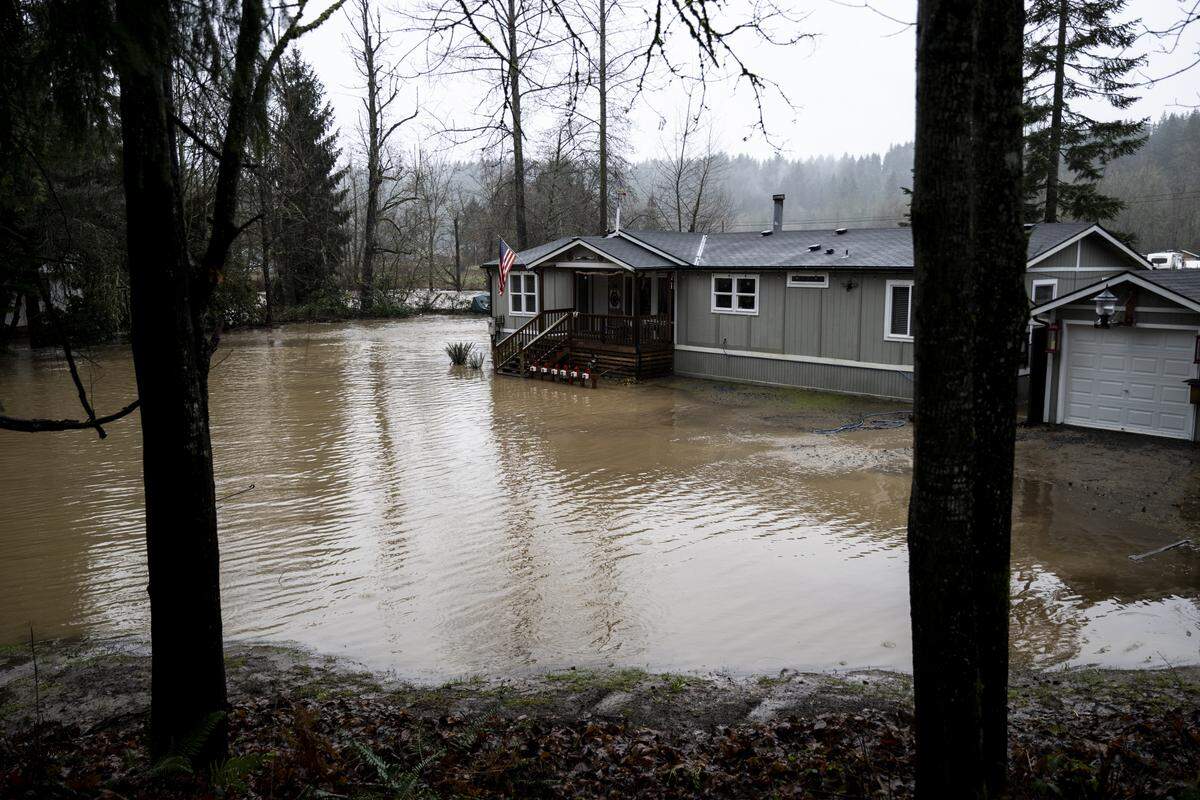
Property owners affected by flooding should only return home “when told it is safe to do so, as the remaining standing water may have unseen dangers,” according to Washington Insurance Commissioner Patty Kuderer.
“Many property owners are discovering significant damage upon returning home,” Kuderer wrote in a Monday, Dec. 15, letter.
After returning home, she said, property owners should follow these steps:
- Contact your insurance company and ask when they will be available to inspect your property.
- When safe, take photos of the property to document the damage.
- Submit the photos to your insurer.
- After taking photos, remove damaged property from your home to reduce the spread of mold.
- Keep small samples of damaged materials you are discarding for the insurance adjustor to inspect.
- When your insurer contacts you, make your property immediately available for inspection.
“Mold is a significant health concern and likely begin to grow within days,” Kuderer said, adding that she expects “all property insurers to quickly arrange to inspect insured, flood-damaged properties as soon as those locations are opened by emergency management authorities.”
How to file a flood insurance claim
According to the Federal Emergency Management Agency, take these steps when filing a flood insurance claim:
- Contact your insurance or agent to report the flood damage.
- Be prepared to give the name of your insurance company, your policy number and contact information.
- Ensure your home is safe for re-entry, take photos of damage and contact repair services if possible.
- Once the adjuster inspects the home, they will work with the owner on what and how to present information to the insurance company.
Cleanup, disposal and mold damage is the property owner’s responsibility, according to FEMA.