
Can I get a ticket for keeping up with WA traffic? Eating? Parking? Laws to know
Driving comes with responsibility — for yourself, for your vehicle and for everyone else on the road.
With traffic varying in each state, it’s especially important to know the rules of the road.
What should drivers do if a red light won’t turn green?
Can you cut through a parking lot to avoid a busy intersection — or speed to keep up with the flow of traffic? Is eating, driving with expired tabs or parking in front of someone’s home allowed?
Here are a few of the traffic laws drivers should know in Washington state:
Can I run a red light that won’t change in Washington?
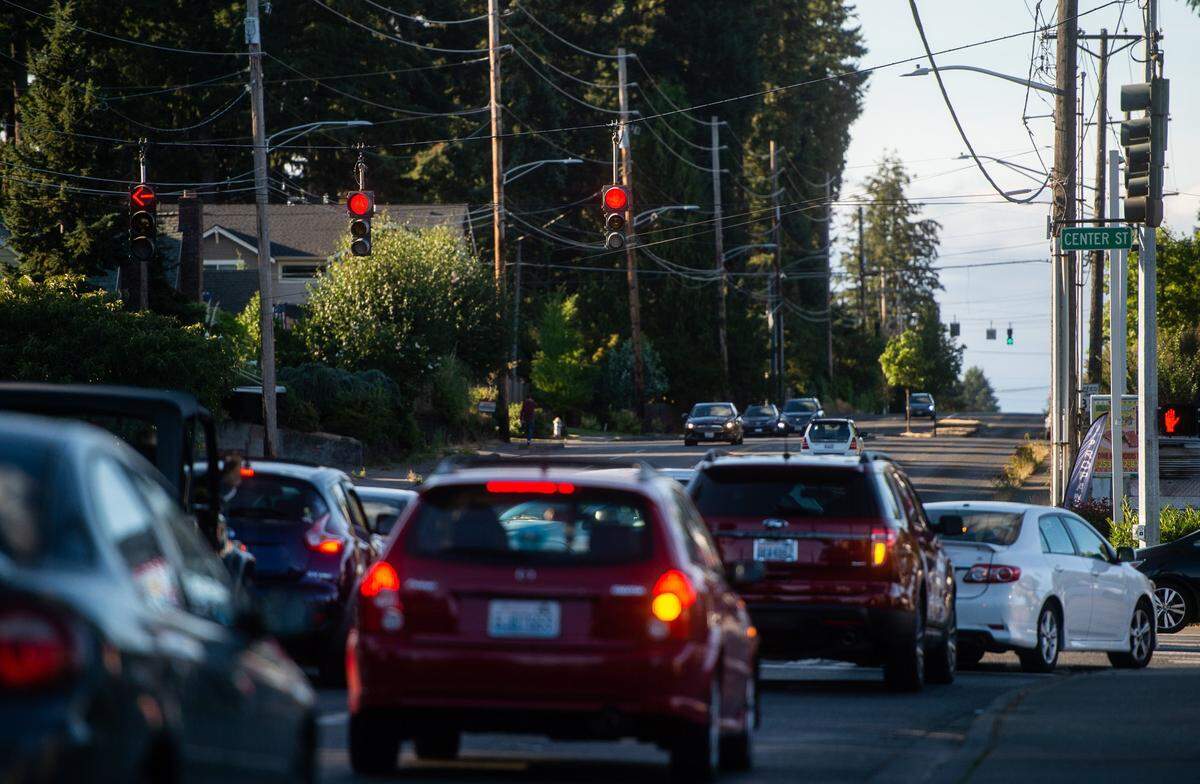
Getting stuck at a red light that won’t change poses a dilemma. How long do you have to wait before you can drive through?
Although Washington’s Revised Code doesn’t specify what drivers should do if a stoplight won’t change, state law addresses what to do in cases where a traffic light isn’t functioning properly, McClatchy Media previously reported.
Drivers who encounter a flashing red light should stop ahead of the intersection and proceed as they would if they were at a stop sign.
If traffic signals aren’t functioning at all, motorists should treat the intersection like “an all-way stop,” state law says.
After calling 911 and waiting for a while, drivers should “come to a complete stop, yield to other traffic and proceed with caution when it is safe to do so,” a Washington State Patrol spokesperson told McClatchy Media.
You may still get pulled over for running a broken red light, but your explanation of the situation might prevent a ticket.
Read more:
Is rat-running legal in Washington state?
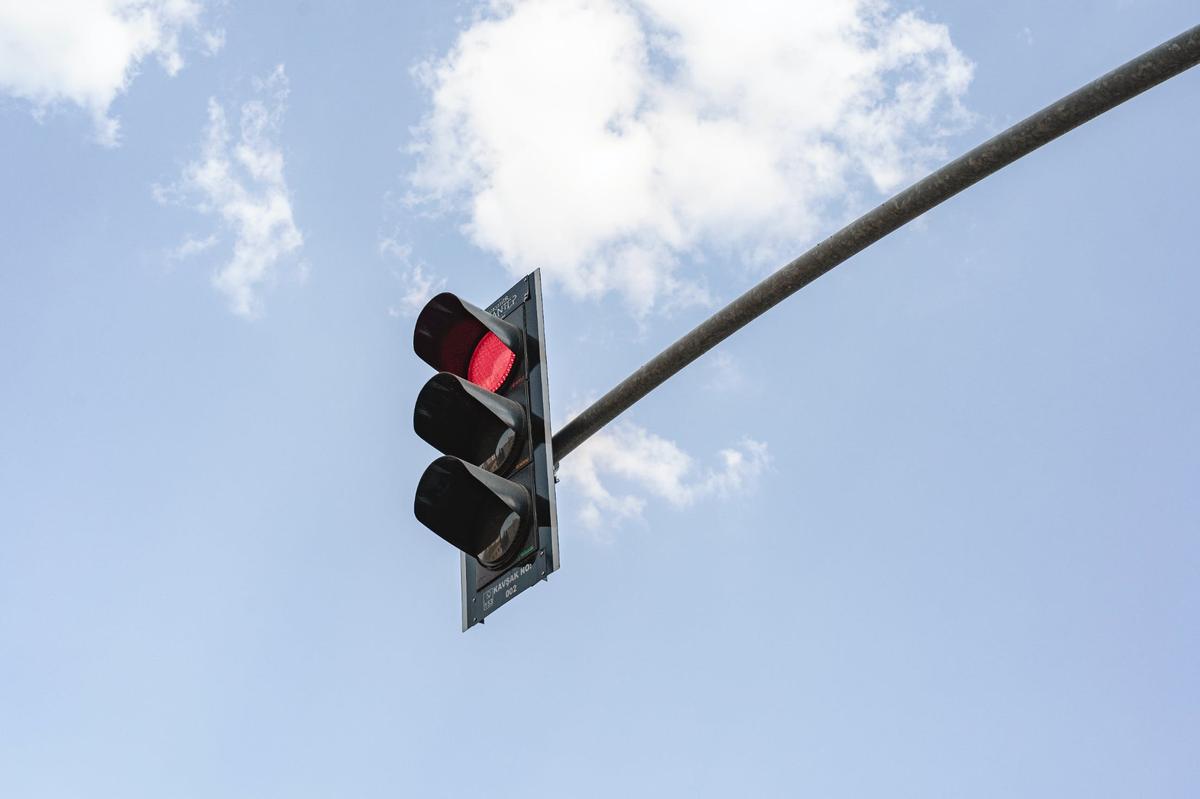
The practice of cutting through a gas station or parking lot on the corner of a busy intersection is known as “rat-running.”
While the practice isn’t explicitly mentioned in the Revised Code of Washington, Washington State Patrol told McClatchy Media that taking a shortcut to avoid traffic can be considered negligent or reckless driving depending on the circumstances.
Some cities in the Evergreen State have banned the practice outright, including Kennewick, Bellingham, Renton and Snohomish.
Read more:
How do I use a roundabout?
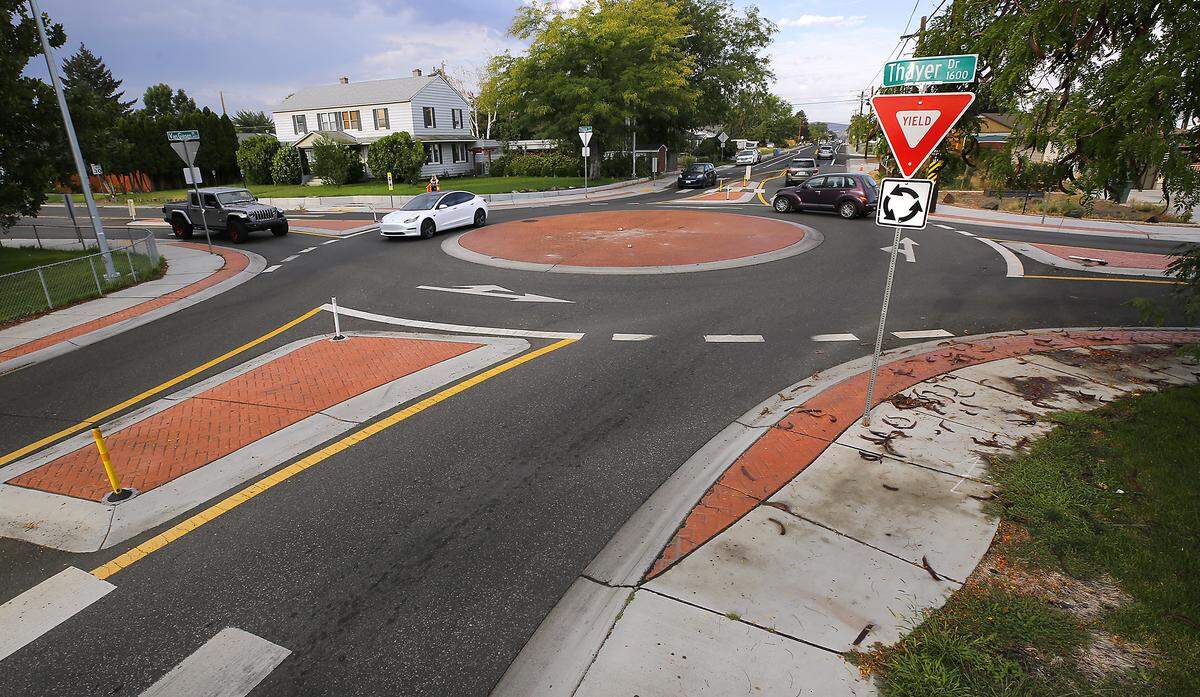
Roundabouts are an increasingly common sight across Washington state, but some drivers are still confused about how to use them.
When entering a roundabout, you should go the posted speed limit, usually 15 or 20 miles per hour.
Always yield to traffic in the circle, including any bicyclists or pedestrians crossing, and drive around the circle to the right until reaching your desired exit.
You do not have to stop before entering a roundabout if there is no traffic inside the circle. Once in the circle, do not stop unless there is a pedestrian or bicyclist crossing.
Read more:
Can I get a ticket for keeping up with traffic?
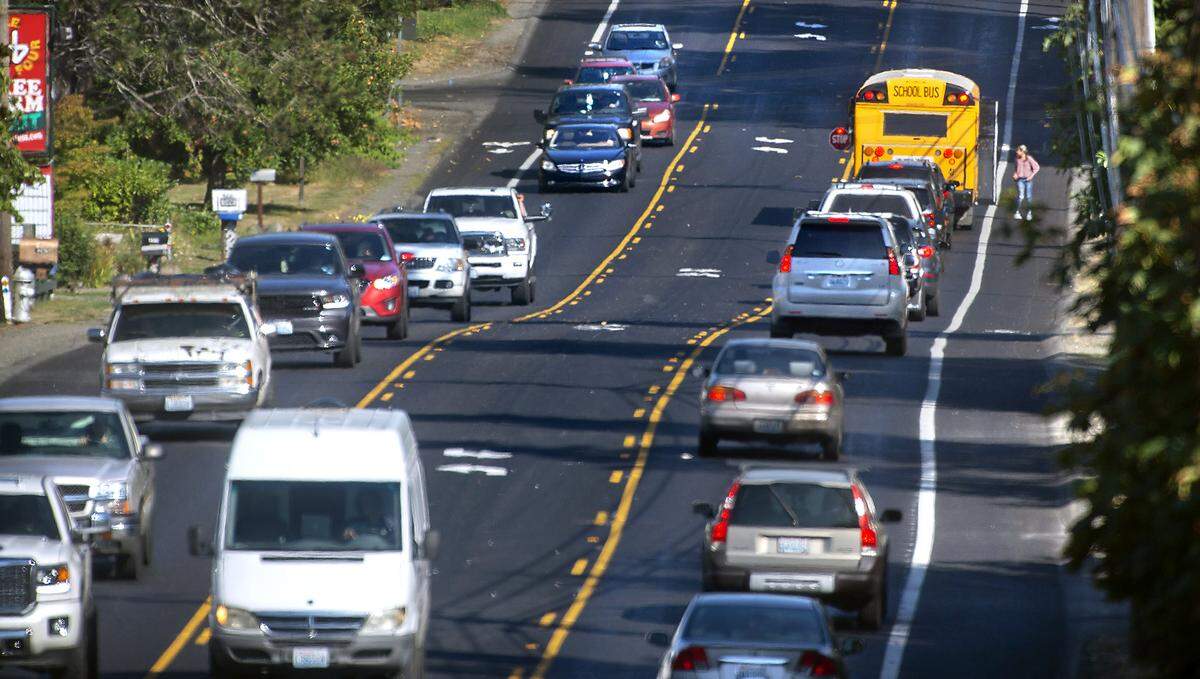
While traveling on the highway, you may be tempted to hit the gas to keep up with traffic.
It’s illegal to drive above the posted speed limit in Washington state — even if the cars around you are speeding.
Under the Revised Code of Washington, you’re allowed to go faster than the speed limit to pass a “vehicle driving at less than the legal maximum speed.” This is allowed on highways with one lane of traffic in each direction.
When many drivers are moving faster than the legal speed, Washington State Patrol officers will pull over one driver in an effort to slow everyone down, a WSP spokesperson told McClatchy Media.
Read more:
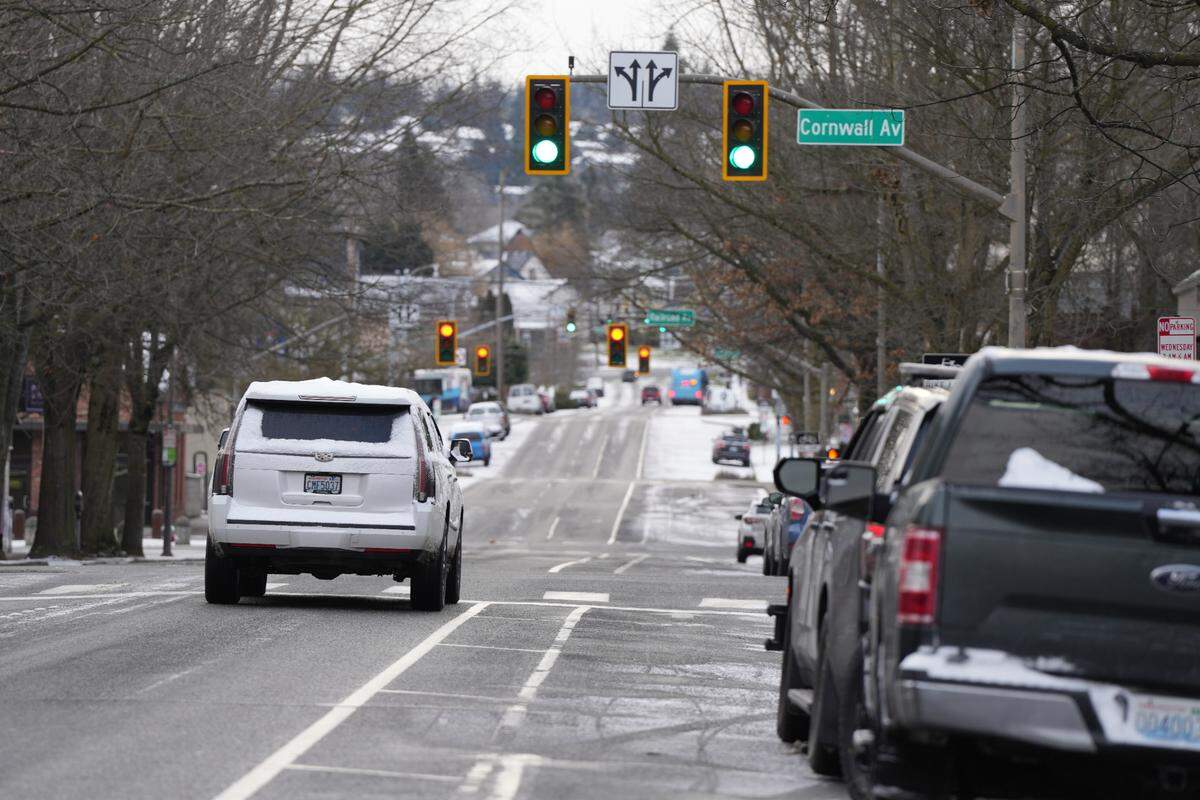
Am I allowed to drive with expired tabs?
In Washington state, law enforcement officers can pull over drivers who don’t keep their vehicles in the necessary drivable condition.
This includes renewing your tabs each year, according to the Washington State Driver Guide.
Drivers can be fined $145 in the two months following their tabs’ expiration. After that, the fine increases to $237.
Read more:
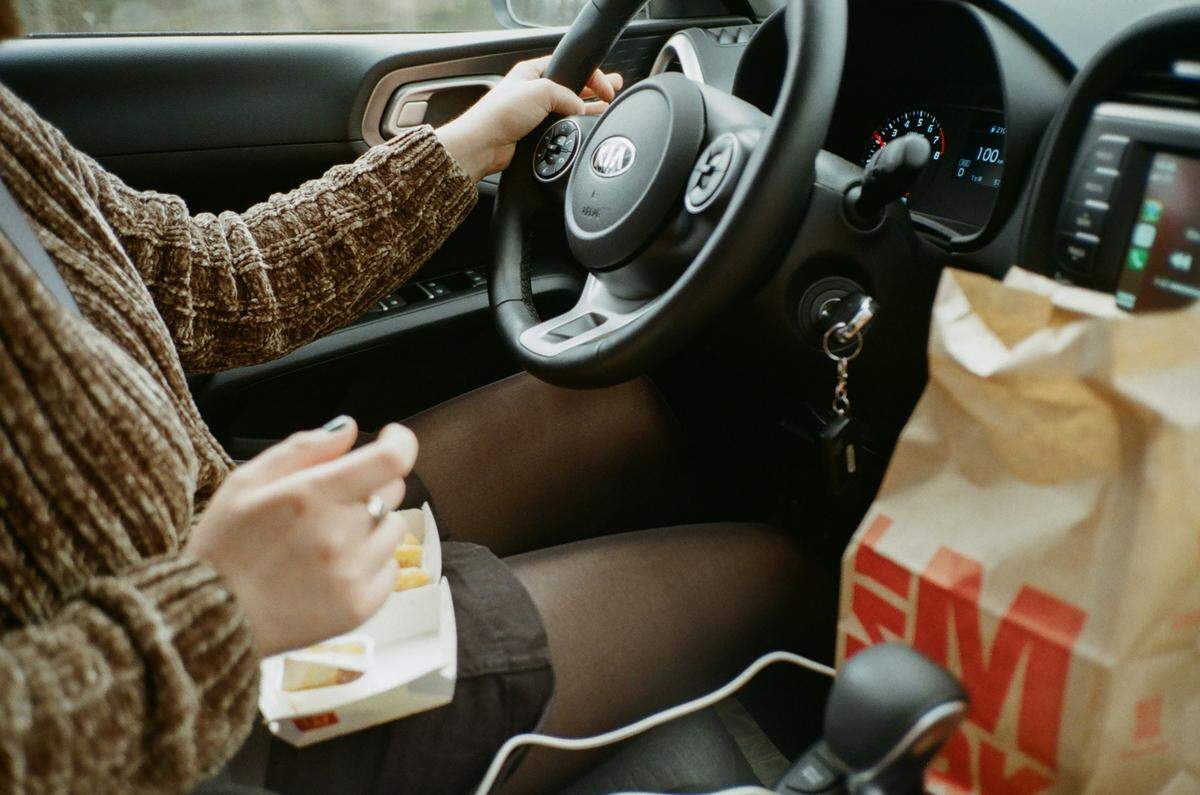
Can I legally eat or drink while driving?
While the Revised Code of Washington doesn’t outright prevent drivers from eating or drinking a non-alcoholic beverage while on the road, you can be cited for doing so.
If eating impacts your ability to drive — causing you to swerve or lose control of your speed — it can be considered “dangerously distracted driving.”
Under state law, a “dangerously distracted” driver is anyone engaged in “any activity not related to the actual operation of a motor vehicle on any highway.”
The fine for dangerously distracted driving is $139.
Read more:
Can I park in front of someone’s house in Washington?
In most cases, it is legal to park on the side of the street in front of someone else’s property in Washington state.
However, you can’t park on someone’s property without their permission.
Under Washington law, you’re not allowed to block anyone’s driveway when you park, obstruct traffic for other vehicles or pedestrians or block other parked cars.
Read more:
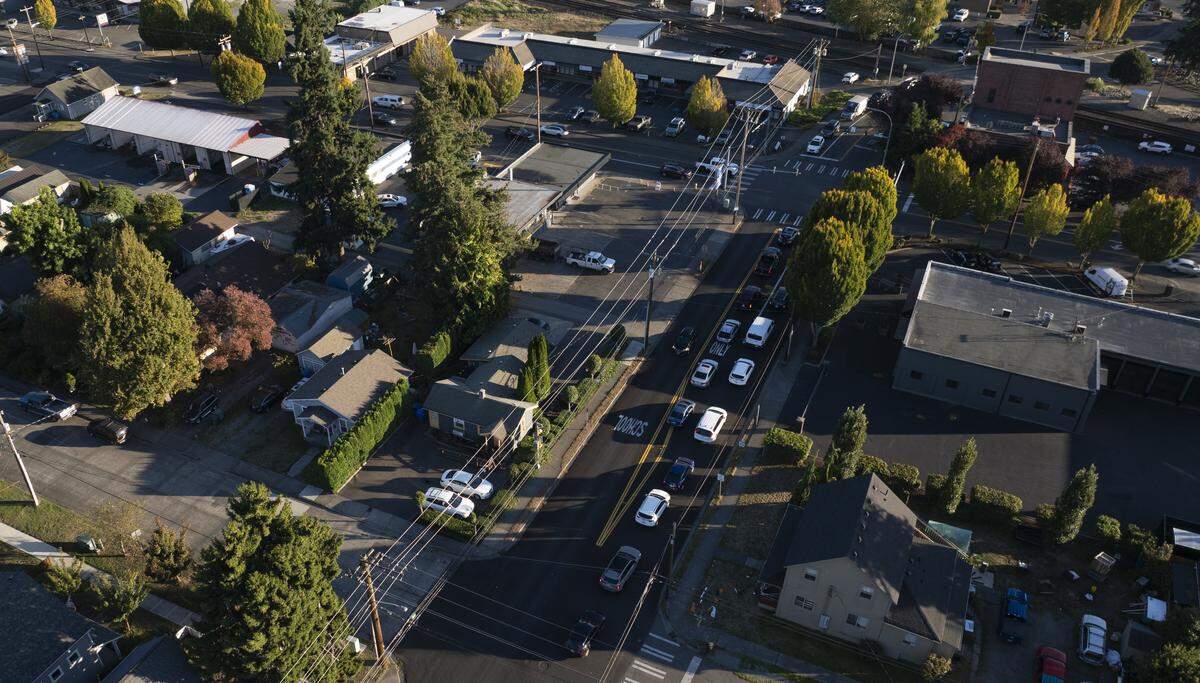
Can an unmarked patrol car pull me over in Washington?
State law requires publicly-owned vehicles to display the name of the city or state agency operating them.
There’s an exception for law enforcement agencies, who can use unmarked cars for undercover or confidential investigative purposes.
With this in mind, the Washington State Patrol has a fleet of 50 unmarked cars designed to blend in with traffic.
WSP troopers in these vehicles are focused on drivers committing blatant traffic violations. However, they can respond to crime just like troopers in marked patrol cars.
Read more:
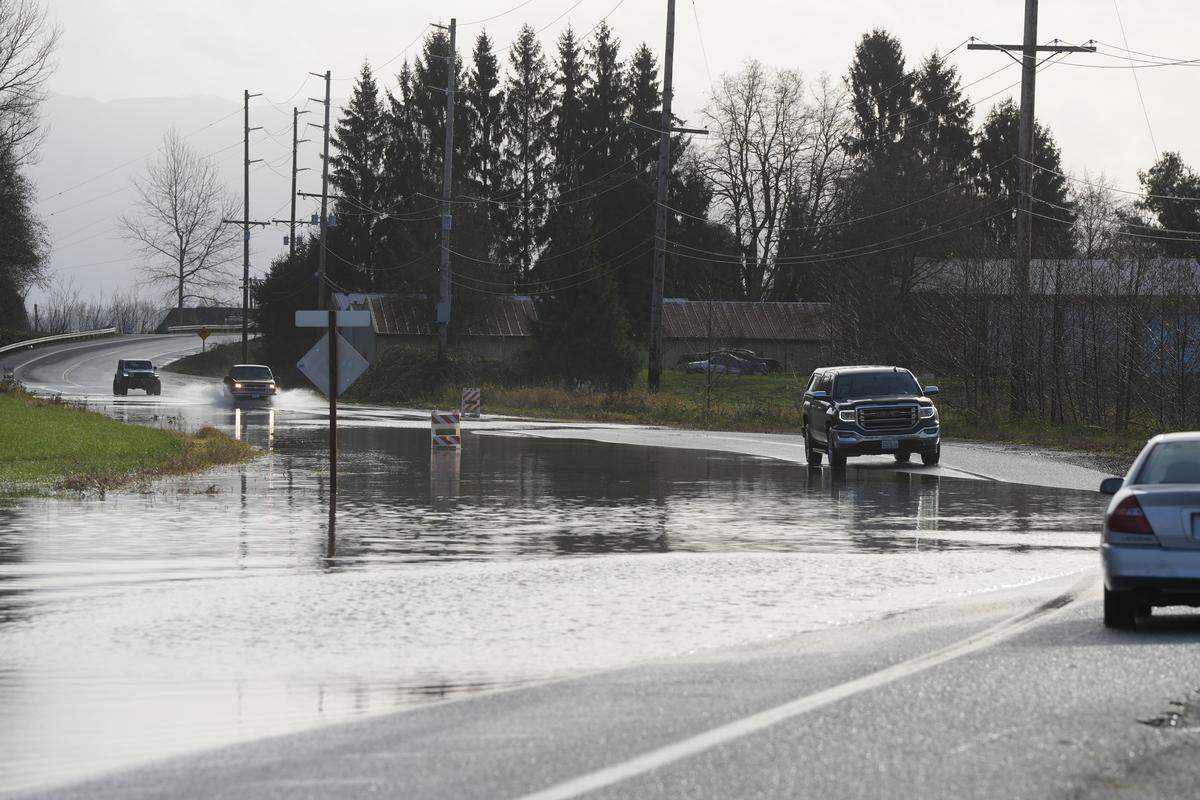
What counts as negligent driving in Washington?
One new Washington state law that went into effect in 2025 focuses on drivers who endanger others or risk damage to their property.
Washington House Bill 1112, which went into effect at the start of the year, creates a separate charge for negligent driving cases where a vulnerable road user is injured or killed.
Vulnerable road users include bicyclists, motorcyclists, moped riders and animals.
This kind of negligent driving is punishable by up to a year in county jail, as well as a maximum fine of $5,000 and a 90-day suspension of driving privileges.
Read more: