
What should I do if I see ICE in my Washington city? Know these rights, resources
On the campaign trail, President Donald Trump pledged to crack down on immigration through raids, mass deportations and more.
He’s followed through with these promises.
Since Trump’s inauguration in January 2025, officers with U.S. Immigration and Customs Enforcement have carried out mass raids and detentions at locations across the nation, including Chicago, Minneapolis and Portland, Oregon.
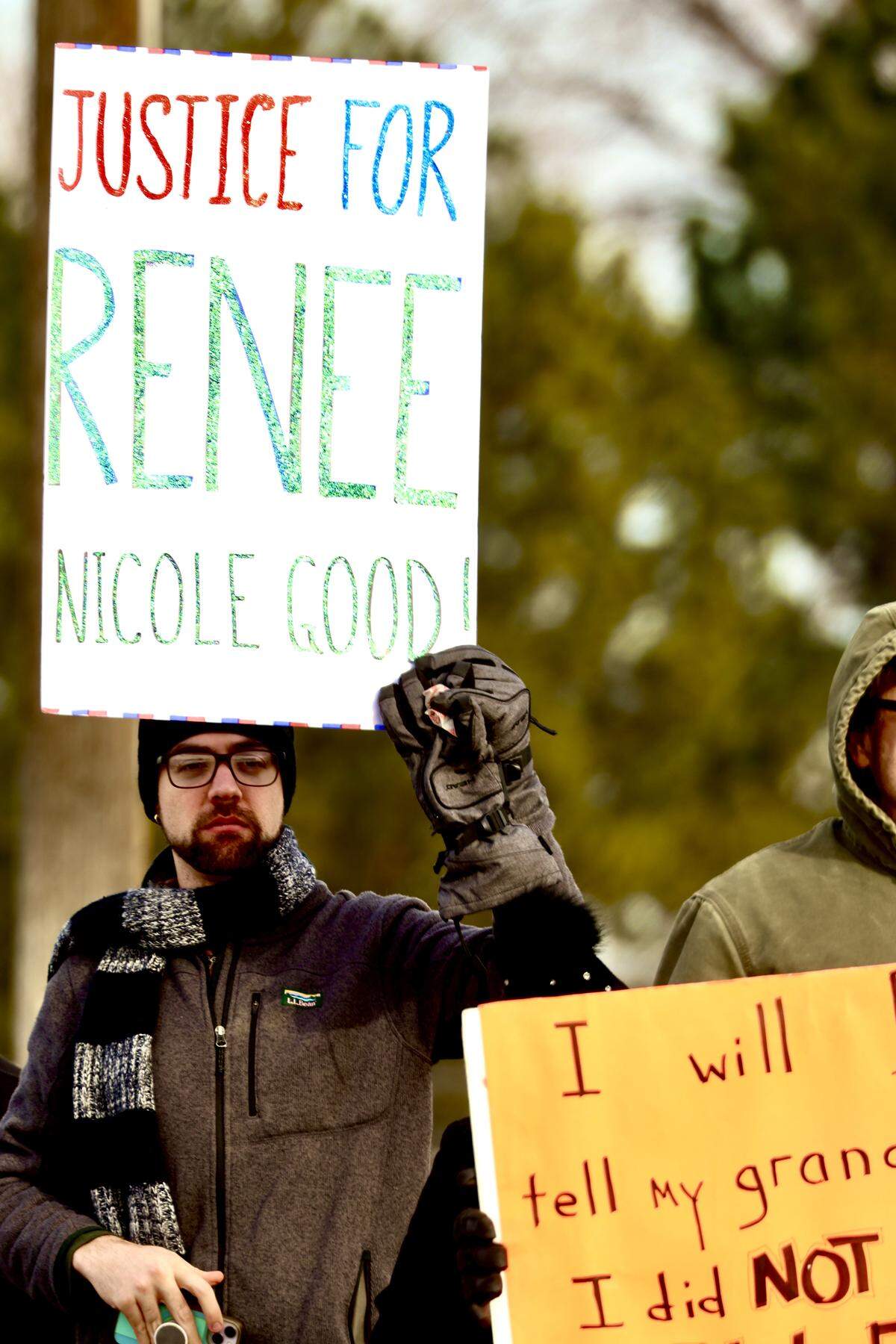
On Jan. 7, an ICE officer shot and killed 37-year-old Renee Nicole Good during a raid in Minneapolis.
Federal officials claim the ICE officer acted in self-defense, but local officials say Good did not pose any danger to the agents.
The killing has sparked outrage and protests across the country. It’s also left many wondering how they can prepare for an encounter with ICE.
In Washington state, all residents have guaranteed rights and access to resources through immigrant-led organizations.
Here’s what to do if you encounter ICE in Washington state, experts say:
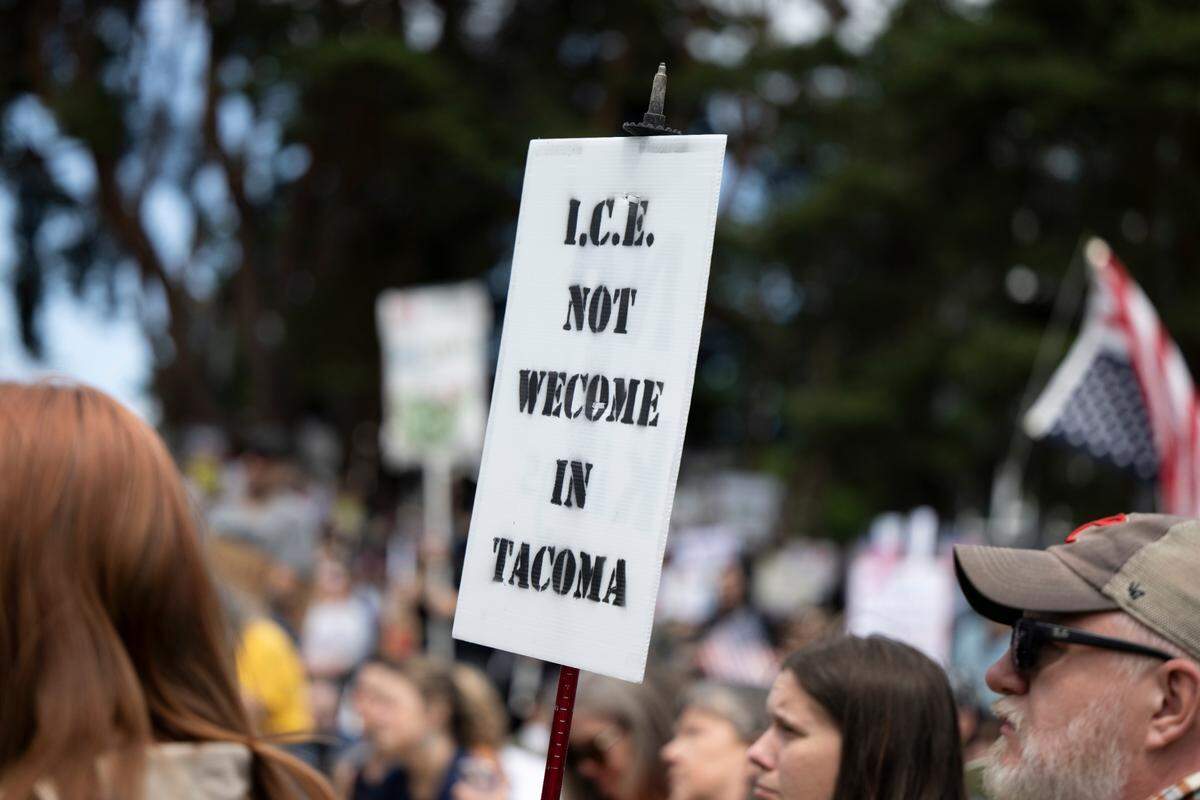
What should I do if I see ICE in my area?
The most important thing to keep in mind when responding to ICE activity in your area is to be deliberate in your response, according to experts.
The Washington Immigrant Solidarity Network, the largest immigrant-led coalition in Washington state, has recommendations for bystanders who want to support their local immigrant community amid fears of mass deportation.
If you encounter ICE, the Washington Immigrant Solidarity Network said, take notes of what you see.
How many officers are there? What are they wearing? What cars are involved, are they marked? What agency? Are people being questioned, or detained?
If you feel safe, you can legally ask an ICE officer why they are there.
The immigrant-led coalition says you should also take note of:
- Officer identification: agency, badge, numbers, uniform, name
- The specific address
- Language used by the officers, especially hate speech or identity speech and anything false or unproven
- Car license plates and agency if marked
- Any physical force used

Can I record ICE activity?
In Washington state, you have the right to record activity and interactions with immigration and law enforcement officers, so long as you do not impede them from doing their job.
If you are asked to back up, the Washington Immigrant Solidarity Network and other organizations say you should take a step back and repeat these words: “I am exercising my right to record and document.”
If officers get too close to you, state that you have stepped back and repeat you are exercising your right to record. You want to remain calm, but speak firmly.
Record the entirety of the incident, and narrate your experience. State the date and time while recording.
Once you begin documenting activity, experts say, you should disable thumbprint or facial recognition protection on your phone. Using a passcode better protects your evidence and information.
Should I post about ICE sightings in my area?
When sharing information, carefully evaluate whether doing so is more helpful than harmful, according to the Washington Immigrant Solidarity Network.
Enrique Gastelum, CEO of the Worker and Farmer Labor Association, agreed.
The Washington-based nonprofit organization focuses on fair labor practices in agriculture. While the threat of mass deportations impacts more than just farmworkers, Washington’s agricultural sector would suffer greatly from such raids, experts say.
“Some people are already going to have nervous or high-charged emotions,” Gastelum previously told McClatchy Media. “I think sometimes people from the public that may not really understand immigration law or policies and stuff, can sometimes stoke those fears even more if they don’t really know what’s going on.”
“My message for the general public is: Get informed. Do your research. Know what’s happening,” he added.
Government agencies are around throughout the year, so it’s important to differentiate standard activity from raids.
”Don’t be somebody that’s stoking unnecessary fear, because that can also lead people to do drastic things that may not be necessary, like go on the run or go into hiding, stuff like that ...” Gastelum said.
If you’re going to post online, make sure your information is backed up with evidence.
The Washington Immigrant Solidarity Network recommends speaking with a first-person witness if you can. According to the group, any post you make should include:
- Date and time of reported activity
- Street name or specific description of the area
- Pictures or videos with timestamps
What are my rights when ICE is around?
Everyone has basic guaranteed rights in the United States, regardless of their legal status. This includes the right to due process and other constitutional protections.
You have the right to remain silent.
That means you “do not have to discuss your immigration or citizenship status with police, immigration agents, or other officials,” the American Civil Liberties Union explained. “Anything you tell an officer can later be used against you in immigration court.”
However, if you are not a U.S. citizen, you have to show your immigration papers if an agent requests them, the ACLU said.
You also have the right to say no to searches. Without a proper warrant, agents cannot search you or your belongings without your consent.
What should I not do when observing ICE activity?
There are also actions you should not take as a bystander to ICE activity, according to the Washington Immigrant Solidarity Network.
They include:
Do not run to social media to post about potential sightings. This can cause panic in a time when accurate information is crucial.
Do not go live on social media, in order to protect the privacy and safety of anyone being detained.
Do not disclose anyone’s legal status, even if asked by ICE. You do not have to answer questions about others; you are only required to present your own paperwork when asked by an immigration officer.
If asked about another person’s status, say “I don’t know” or “I can’t help.” You also have the legal right to say nothing.
What is ICE legally allowed to do?
ICE agents are not the same as police officers. They do not have the same legal authority and have certain actions they are legally allowed to take.
To enter and search someone’s property, agents need a court order signed by a judge. This is different from an immigration order.
Police are allowed to enter the home of an individual with an arrest warrant if they believe that person is inside.
However, ICE does not have the ability to enter a home without consent with just a warrant of removal or deportation, Form I-205, according to the ACLU.
Ask agents to present any warrants they are serving. Ensure they have the proper warrant with correct names and signatures. You can ask agents to slide documents under the door.
Customs officers are allowed to ask for your immigration status.
If you’re a lawful permanent resident, you only have to answer questions regarding your identity and permanent residency, according to the ACLU. Non-citizen visa holders may be denied entry for refusing to answer questions, though.
In Washington state, ICE cannot obtain information about you through local law enforcement. They cannot work with local agencies due to the Keep Washington Working Act.
Additionally, ICE cannot legally detain anyone in or around courthouses in Washington state as a result of the Courts Open to All Act.
How can I stay safe around ICE officials?
With threats of mass deportation, households with immigrants are creating emergency deportation plans and preparing for the worst case scenarios.
If ICE is at your home, the ACLU recommends staying calm and keeping the door closed to reduce risk.
“Opening the door does not give them permission to come inside, but it is safer to speak to ICE through the door,” the ACLU said.
Knowing your rights can keep you safe.
According to Amnesty International, these are seven key things to know in order to stay safe:
- Do not open the door for ICE.
- Remain silent.
- Do not sign anything.
- Do not fall for the tricks.
- Don’t carry foreign IDs.
- Carry important immigration documents.
- Shout your right to seek asylum.
Who should I report ICE activity to?
In Washington state, you can call the Deportation Defense Hotline at 1-844-724-3737 if you see potential ICE activity.
The hotline, which is run by Washington Immigrant Solidarity Network, takes reports from around the state about suspected ICE activity, then deploys rapid response teams to evaluate the reality of the situation.
The teams work to confirm sightings and validate activity, so the network can relay valid information and focus on supporting legitimate threats.
“The hotline was created in 2017 ... as the place for people to call to report ICE activity, raids, detention,” hotline manager Nedra Rivera previously told McClatchy Media. “So it all starts with calling the hotline.”
The hotline’s hours of operation are 6 a.m. to 6 p.m. Monday through Friday, but anyone who witnesses activity can still call during off hours. Leave a detailed message and your report will be prioritized during active hours, Rivera said.
Rivera told McClatchy about what you can expect when calling the hotline.
An operator taking your report will ask a series of questions. They’ll ask about your role, if you saw the activity firsthand or if you’re reporting something you saw online. It’s best if the original witness calls the hotline, so the operator can collect as much information as possible.
The operator will also ask what agency was observed, what officers were wearing, and what vehicles were on site, according to Rivera. They’ll want to know how many people were detained, if any, and other details.
Refer to the notes and videos you took during the encounter.
“Once we take the report, we immediately activate our rapid response organizer,” Rivera said. “There are volunteer teams around the state ... that are trained in rapid response to go to the scene, to activate in those cases, to serve primarily, to document, to verify, to share Know Your Rights information with community members, if they are being detained, to film if that’s possible in the situation, and to bring those reports back.”
This information is used to process and confirm reports, then share the relevant details on social media.
Families can also call the hotline for assistance locating relatives after detention or help with navigating next steps.