Pierce County shelter upped fee for surrendered pets. Are more being abandoned?
AI-generated summary reviewed by our newsroom.
- The Humane Society for Tacoma & Pierce County raised owner-surrender fees last year.
- The shelter says most people pay much less than the new $400 base fee to give up a pet.
- However, the higher cost has raised fears among some that more pets will be abandoned.
Diana Van Dusen posted a video on Facebook of two mixed Siamese kittens that she said had been found, with food, in a crate on the side of the road near Tacoma. A paper sign noted they were 3 months old and free.
Van Dusen took the kittens into her Roy-based organization, Horn Creek Rescue. The young felines’ story, she wrote in her Jan. 14 post, was proof of some people’s desperation following a big change inside a major local animal-welfare nonprofit.
Pet owners who decided they could no longer take care of their animals, whether due to finances or often some other drastic issue, had historically been charged $70 per pet to give them up to the Humane Society for Tacoma & Pierce County.
Beginning in April last year, a new base fee was set: $400 per animal.
“If you don’t think that the Humane Society’s prices are causing people to dump their animals…,” Van Dusen said in the video.
Last month, the Humane Society publicly addressed the updated fee structure, acknowledging in a blog post that the new costs had “sparked some conversation” and raised questions. Among concerns the organization heard: The fees could lead to more pets being abandoned.
“We know that $400 is not a small amount, especially in a time when pet care costs can already be burdensome,” the organization said in the post.
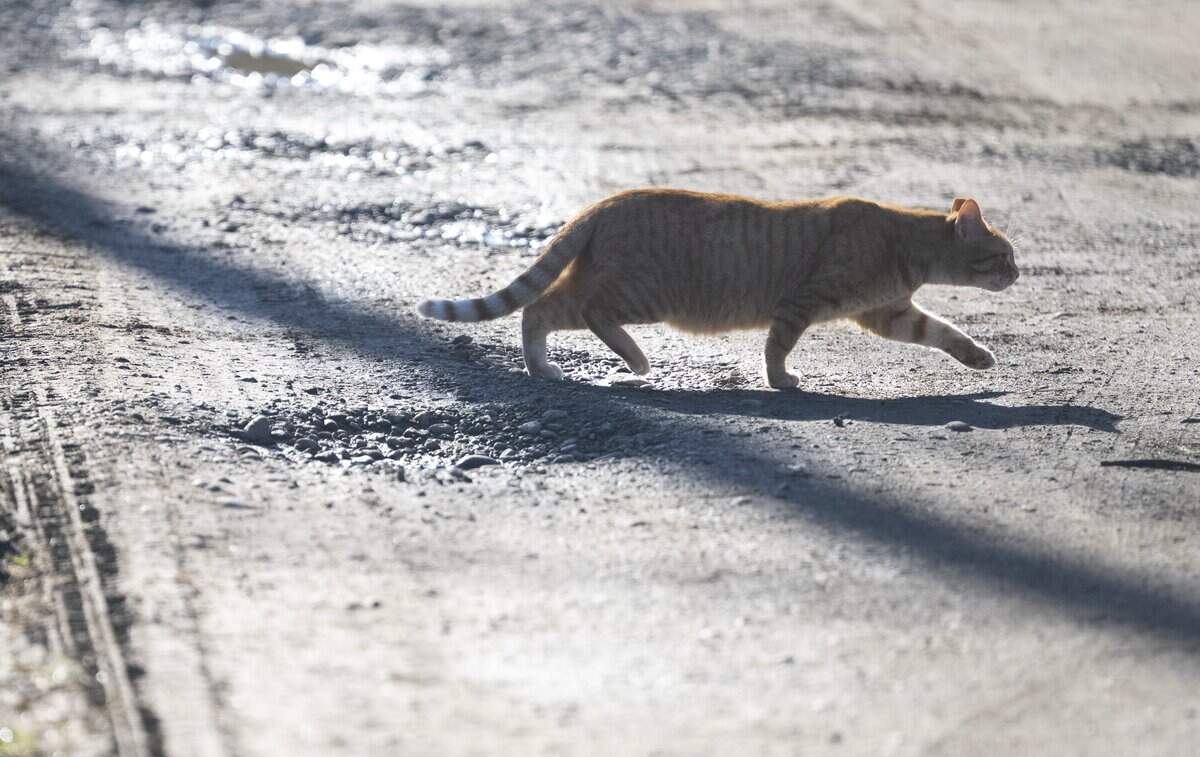
People who work with animals say that more dogs and cats are being let loose on the streets as people struggle to navigate the shelter’s higher costs and lengthy wait times for appointments necessary to surrender their pets. The wait, currently six to eight weeks, is determined by shelter capacity and staffing, according to the Humane Society.
The Humane Society, which says it cares for nearly 10,000 animals annually, told The News Tribune it is not aware of any data that showed a significant increase in abandoned animals directly attributable to its new owner-surrender fees.
Though the base fee is $400, most pet owners actually pay $130 or less to surrender their animals, and nearly one-third pay nothing, due to certain discounts available to eligible owners, according to the Humane Society. While the base fee more closely represents what it costs the shelter to take care of an animal until it is re-homed, it doesn’t cover the full expense, the organization said.
In two Facebook posts by the Humane Society on the surrender fees last month, an overwhelming majority of commenters shared their concerns that pets would be endangered. Others said they appreciated the sliding scale for fees, pointed the finger at pet owners, or questioned whether those upset had offered to volunteer at the shelter or donate funding.
Less than two years ago, the Humane Society declared a crisis situation as its kennel space reached maximum capacity. The organization, which doesn’t euthanize animals for time or space, said in a recent statement that it has continued every day to manage capacity and sought to preserve shelter space for animals who have no alternatives.
The organization contracts with Pierce County, Tacoma and several other municipalities for shelter and other services, but doesn’t perform animal control.
There were nearly identical numbers of owner-surrendered dogs or cats brought into the shelter between June and December 2025 and the same period in 2024, according to data provided by the Humane Society. The numbers of strays brought in during both periods was also similar.
Year over year, there were almost 500 more owner-surrendered and stray dogs or cats combined brought into the shelter (8,541) in 2025, the data showed.
“Intake pressures reflect a long-standing regional pet overpopulation issue driven by housing instability, reduced access to veterinary care, and rising costs of living,” the organization said in a statement. “Intake levels in 2024–2025 represent a return to pre-pandemic norms after the unusually low intake years of 2020–2021, not a new or isolated trend.”
Owner-surrender fee adds challenges
Tacoma Animal Control is “seeing a huge increase” in abandoned dogs, according to department supervisor Joe Satter-Hunt, who said he was also worried about the city’s fast-growing cat population.
“If you dump an animal, it’s going to suffer,” he said in an interview.
The number of stray animals impounded by Tacoma Animal Control has grown significantly every year since at least 2022 and Satter-Hunt said he expected the trend to continue.
“The $400 fee just adds to the burden of some people,” he said.
Satter-Hunt provided examples of recent calls, such as animals being abandoned in apartments or 19 smaller dogs left in a vehicle. When the Humane Society last month turned down an elderly woman pleading to surrender her cat, Satter-Hunt said he intervened. He spoke to the shelter, and they took the animal. He said the woman, who had moved to assisted living, told him that she otherwise would have abandoned the cat.
Tacoma Animal Control is short-staffed and overwhelmed with calls about animal cruelty, leash laws and general complaints, according to Satter-Hunt. Even so, not wanting to see anyone abandon an animal, he offered the department’s help.
“If you have to, call Animal Control,“ he said. “And we’re probably going to get flooded with calls.”
Britaini Revelez, owner of Bombshell K-9 dog training in Tacoma, told The News Tribune that she’s been getting calls from people asking if she’d take their pets because they can’t afford to surrender them to the Humane Society.
“It’s people I’ve never even heard of. They just find me on Google,” she said. “I have not gotten so many calls about people just trying to surrender dogs, in ever.”
Many people have tried Metro Animal Services, whose kennels are routinely full, after being turned away at the Humane Society either outright or with a lengthy wait time for an appointment, according to city of Sumner spokesperson Carmen Palmer.
Metro, a multi-jurisdictional animal control and shelter that serves Sumner and other areas, must limit its services to its 115,000-plus population area and therefore is forced to give “the second ‘no’ to people who are in desperate situations,” Palmer said in a statement.
The organization understands the emotional gravity and financial burden of surrendering a pet but can’t shoulder the burden from the rest of the county, according to Palmer. She said Metro has experienced “a great many” issues since the Humane Society’s surrender-fee update, including employees feeling the emotional toll from frustrated animal owners they turn away, and pets set free after hours on Metro’s doorstep.
“That’s the most unsafe situation for the pets and the people who felt driven to take that extreme measure, and it’s pushing our shelter to or beyond capacity,” Palmer said.
Pierce County Animal Control said there had not been any effects from the updated surrender fee and that it was too early to have data on it, according to Sheriff’s Office spokesperson Carly Cappetto. The office declined to make someone from Animal Control available for an interview.
Contract shifts
The updated surrender fee structure was established after the Humane Society’s new five-year contracts with Tacoma and Pierce County went into effect in April and June last year, respectively. The city will pay $6.8 million and the county will pay $6.7 million over the span of the contracts, which is more expensive than during prior years, for all services provided by the Humane Society, according to public documents.
In its blog post last month, the Humane Society said that surrender fees had been partially subsidized through city and county funding in previous agreements, and that those subsidies had gone away.
“The County heavily subsidized the cost of animal surrenders in previous contracts,” county spokesperson Connor Davis said in a statement to The News Tribune. “When the contract was renewed in 2025, animal surrender subsidies were reduced to control the (contracts’) rising costs, which have increased significantly over the past several years.”
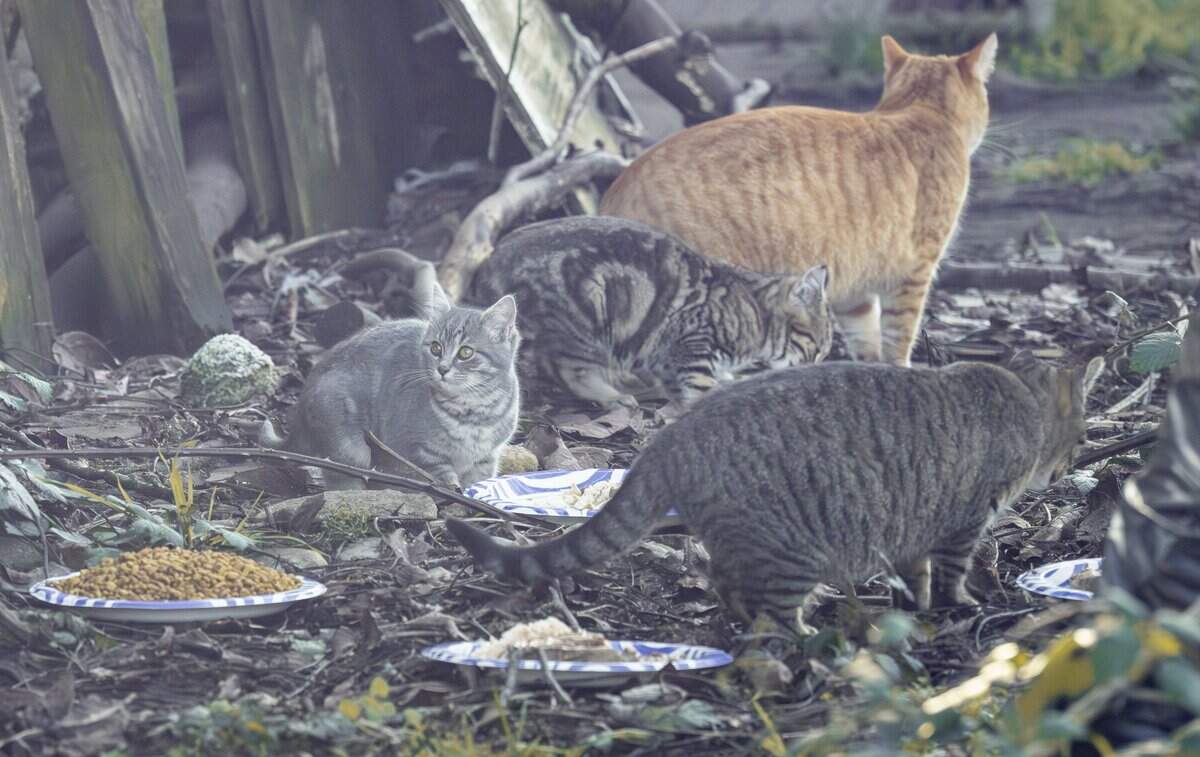
The county paid the Humane Society roughly $450,000 for overall services in 2017, under a previous contract. The projected cost last year was $1.2 million, according to a county document.
The city of Tacoma said its prior contract had not included a designated subsidy for surrenders, so there was none to be removed in the new agreement. The city simply isn’t paying based on an estimated annual number of animal intakes any longer and instead paying a fixed amount, city spokesperson Maria Lee said in a statement, explaining the new contract’s change. The Humane Society maintains control over the terms for its voluntary programs such as owner surrenders, she said.
Surrender fees are less expensive elsewhere
Meanwhile, it’s less expensive than $400 for an owner elsewhere to surrender their pet.
Metro Animal Services charges $75 to $125 to surrender a dog or cat, depending on whether a person is in or out of its service area. Metro, as a partnership of jurisdictions such as Sumner and Puyallup, “subsidizes” the program in the sense that the jurisdictions pay for it in totality. It’s unlike the Humane Society, which contracts with jurisdictions.
The city of Seattle doesn’t charge anything for city residents to surrender an animal at the Seattle Animal Shelter. City spokesperson Melissa Mixon didn’t have an estimate for how much it costs the city for each surrender.
Owner-surrender fees at the Auburn Valley Humane Society range between $125 and $185, depending on whether a person lives within or outside the Auburn-based shelter’s service area.
Those fees are intended to offset only a portion of costs associated with intake, initial medical care, housing and daily care, according to the shelter. Operations are supported through a combination of municipal contracts, donations, grants and adoption fees.
“The true cost of pet surrender typically exceeds what shelters are able to charge the public,” the Auburn Valley organization said in a statement, adding that shelters rarely recoup the actual cost and that reduced fees for hardships are common. “The goal across the industry is to balance accessibility for community members with the financial realities of providing care.”
The Humane Society for Tacoma & Pierce County’s decision to increase its fees “was not made lightly,” according to its blog post explaining the fees.
Multiple departments within the agency, including medical and animal care, worked together to analyze owner-surrender services and calculated that $400 was the average cost just to provide three days of baseline care, the post said. The average animal stays in the shelter’s care for nine days, and many require additional services, according to the Humane Society, adding that the fee helps offset enough of the costs to keep it operating as an open-admission shelter.
Discounts are offered based on factors that include median household income; whether the pet owner posts on an online pet adoption website for 30 days; and if the pet is fixed, has up-to-date vaccinations, is microchipped and has medical records brought to the surrender appointment. Fee adjustments are supported by local governments and donors, according to the Humane Society.
Animals on the loose
Stray animals are presenting a situation in Pierce County described by animal welfare advocates as a “crisis” and an “epidemic.”
“It’s the worst I’ve ever seen,” Van Dusen, who has been working in the animal-rescue field since 1989, said in an interview. “The stray crisis is off the chart.”
Pierce County isn’t an outlier. News stories from the past six months indicate serious issues with shelter crowding and pet surrenders across America, including in Connecticut, Chicago, St. Louis, Arkansas and Kansas City.
It’s frustrating, time-consuming and cruel when an animal is dumped, according to Satter-Hunt. Animals face dangers in the street, and it usually requires two to three days to trap a dog.
Satter-Hunt, who previously worked for the Humane Society, said he realizes that the shelter has limited space. There are also an increasing number of hoarding situations in the community and a lack of affordable spay and neuter options for pet owners.
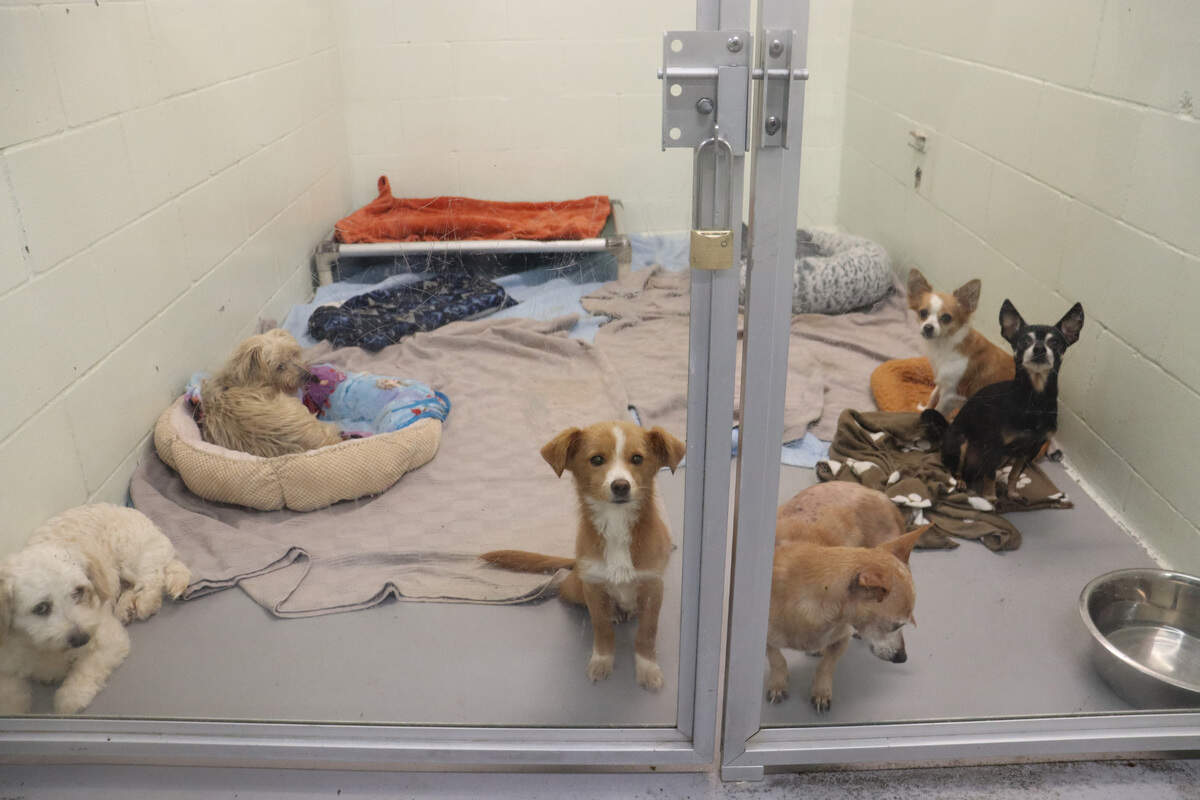
An abandoned cat can quickly breed into many more if not neutered or spayed, Van Dusen said.
In Tacoma’s South End, Joan Quade has been helping to care for a free-roaming cat colony outside her home and has had success in getting some fixed and adopted.
Quade, 59, said she visited the Humane Society last summer to discuss bringing in a handful of kittens but didn’t get anywhere. She claimed the shelter told her she would have to pay owner-surrender fees because she had been feeding the cats for more than 30 days and therefore was considered their owner.
“It’s a crisis,” Quade said about stray animals in the region. “And I know my situation is probably not unique, and I understand that organizations are probably overwhelmed, but they receive funding. They are supposedly the go-to organization. The Humane Society — that’s like the gold standard.”
People who find a stray pet and follow steps to locate its owner, but cannot, may keep the pet after it has been listed on the Humane Society’s website for 30 days, according to the organization. The same rule doesn’t apply to a “community cat,” which is defined in Tacoma Municipal Code as an unowned, free-roaming cat that might be receiving care from someone.
The Humane Society has a program to target so-called community cats, in which the animals are trapped, fixed, vaccinated and returned via a mobile veterinary unit. The program focuses on larger colonies and aims to reduce significant populations in condensed areas, according to the shelter’s website. The service is “currently booked into 2026,” the site said Friday.
Joe Parrington, a cat welfare advocate known as “the Catman,” has also been caring for the cats outside Quade’s home. He told The News Tribune that people who are struggling will reach out to him daily to ask if he will take their cats because they can’t afford the owner-surrender fee and animal rescues are full. He questioned the Humane Society’s tracking of abandoned animals, reasoning that the shelter can’t know about animals not brought to it, and he rejected its declaration that it doesn’t turn animals away.
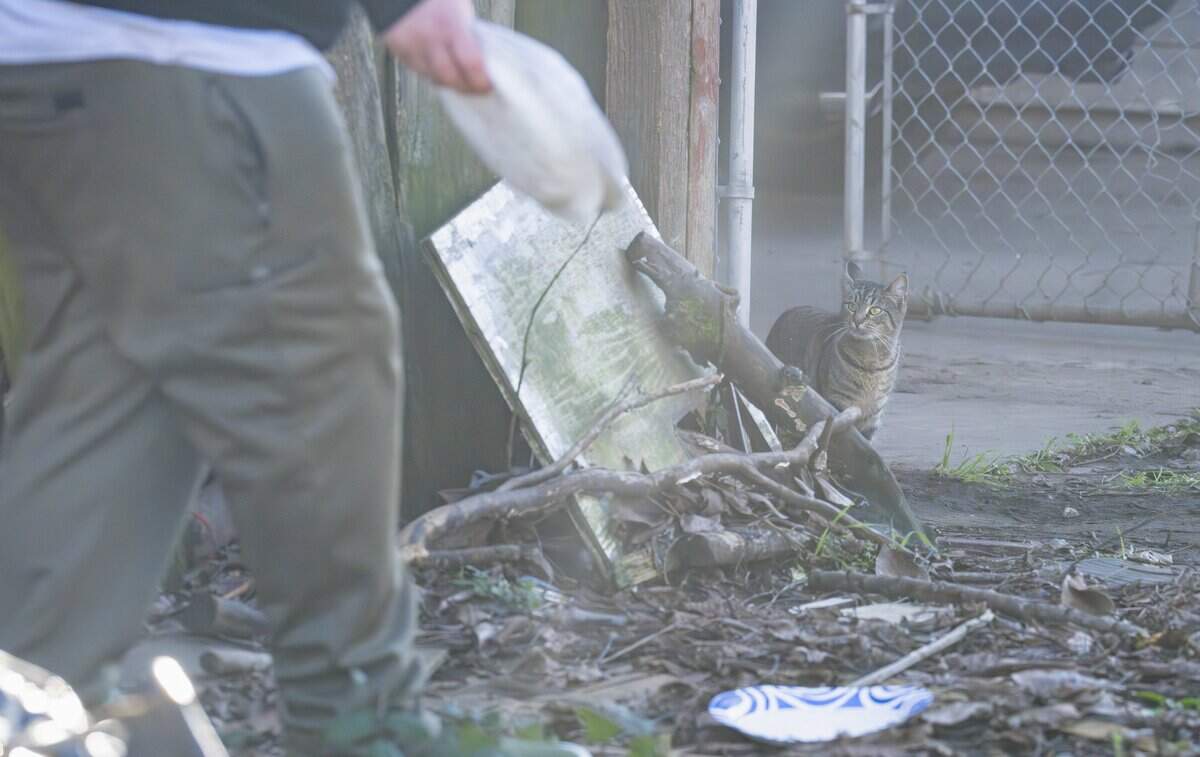
On a recent Friday, some cats were observed outside Quade’s home creeping from behind a fence as Parrington showed The News Tribune how he fed them. He invited Sara Lundberg, who lives in the McKinley neighborhood, to talk with a reporter. Lundberg, 43, said she and her husband also take care of free-roaming cats around their residence.
“I can’t afford $400 to give them cats that aren’t even mine,” she said, referring to the Humane Society.
Caring for the cats still has been an expensive endeavor, between getting some of them fixed, building shelter and buying food, she said. Lundberg also noted she lives near a dog park and was aware of at least five dogs abandoned there last year.
“It’s much easier for those people to open their car door and push their dog out,” she said. “It’s sad. It’s really sad.”